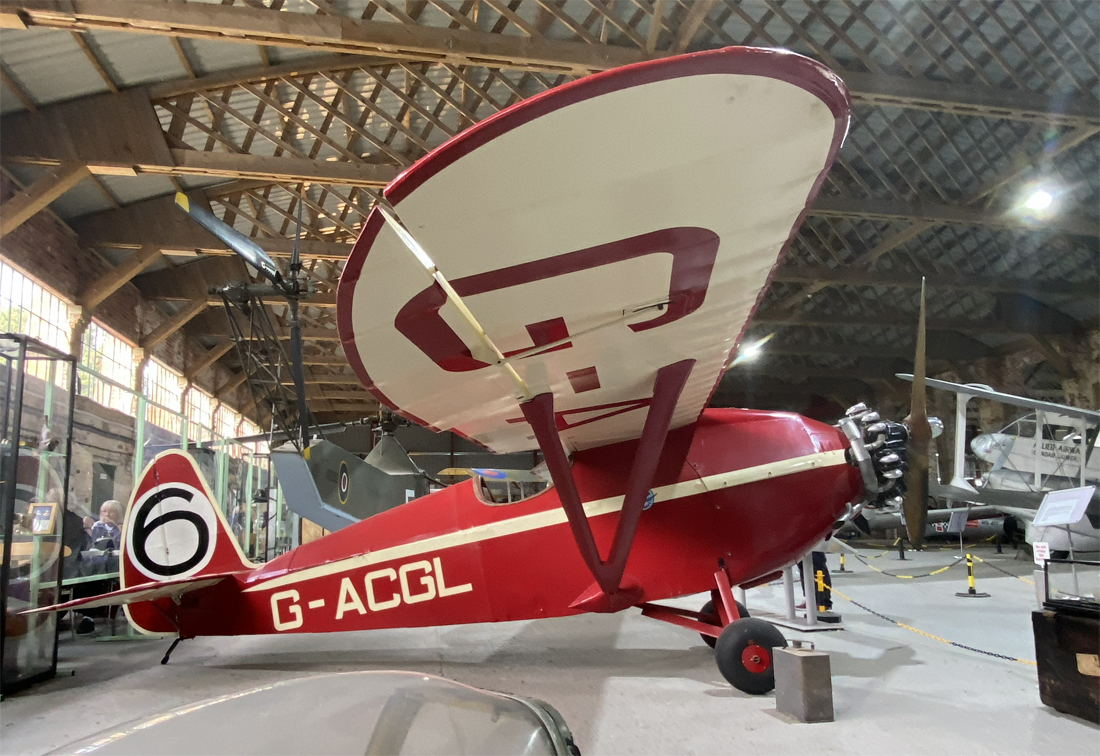
Comper Swift G-ACGL. The Comper Aircraft Company was based at Hooton Park in the inter-war years
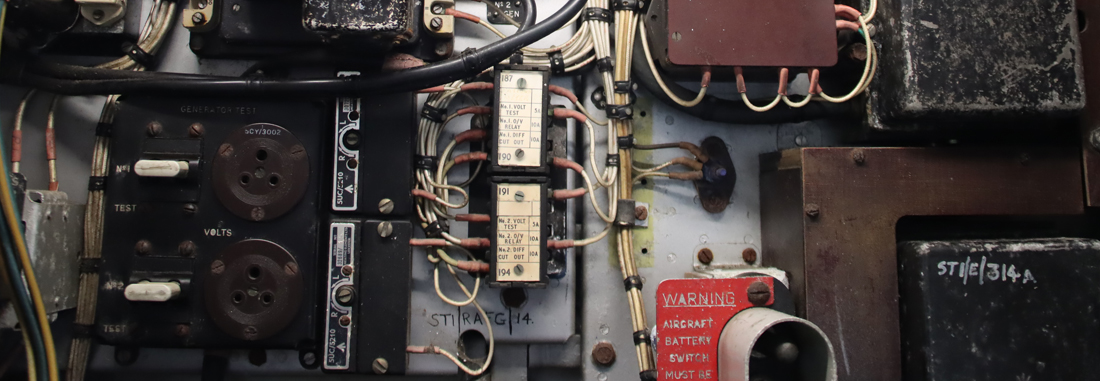
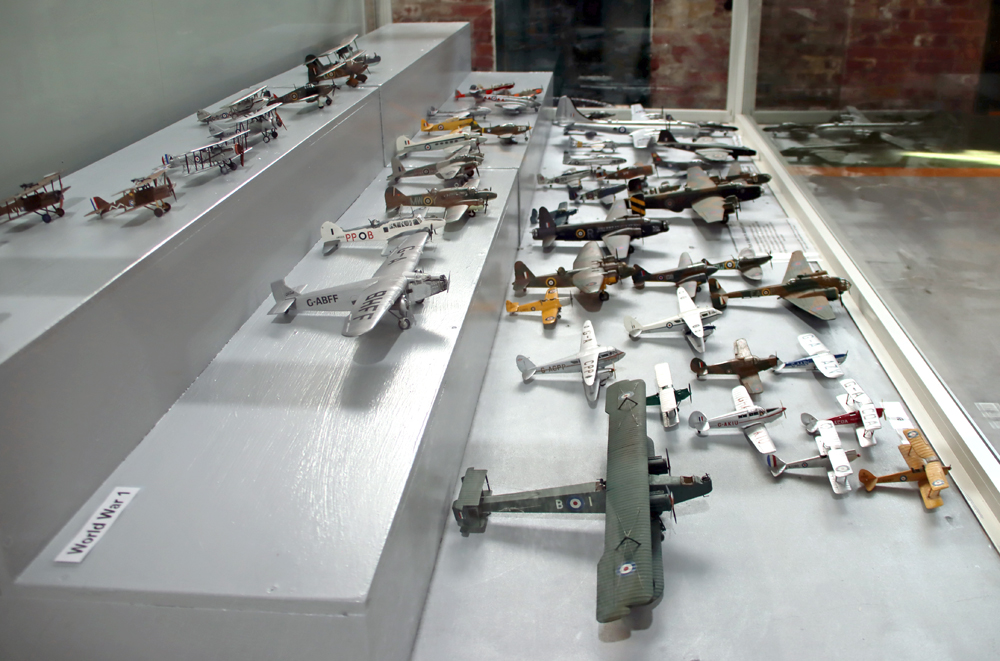
With many thanks to the Heritage Open Days this year, I stumbled across this fabulous gem of an aircraft museum on the Wirral at Hooton. Hooton Park Hangars, owned and run by Hooton Park Trust, is sited on a former aerodrome, where the First World War Grade 2* aircraft hangars have been restored and two interlinked hangars now house a museum of aircraft and aircraft engines as well as other means of transport, including a military helicopter, a Chester Corporation tram, bicycles, and a number of cars, as well as model aircraft and memorabilia. There are steps leading up to the cockpits of some aircraft and in one case a ladder allows visitors to enter one of the cockpits, which gives a sense of the incredibly cramped conditions and the range of dials, levers and pedals that help to navigate the plane. Visiting information is at the end of this post. Much of the information on this post has been taken from information boards around the hangars, from volunteers who kindly chatted to me about the site, and the Hooton Park Hangars website’s history pages as well as from the sources listed at the end.
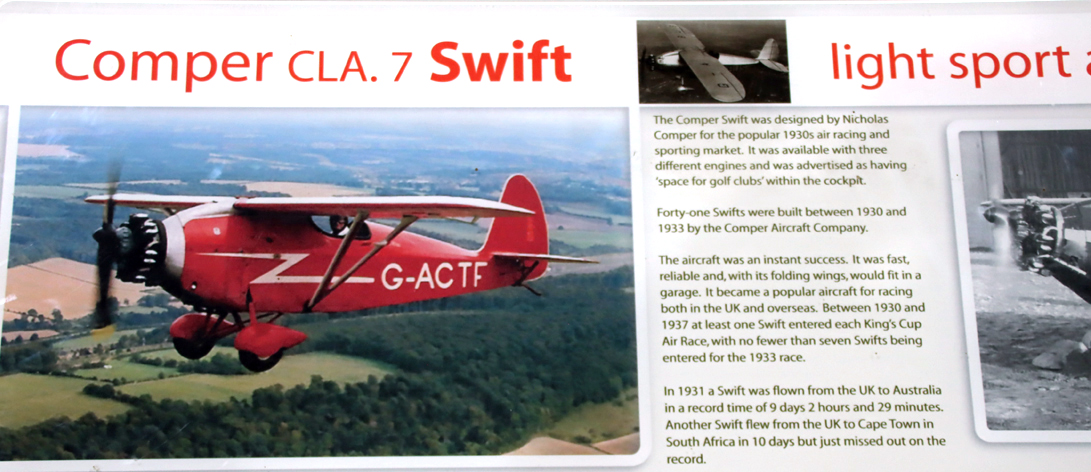
Example of some of the signage available (this for the Comper Swift shown above)
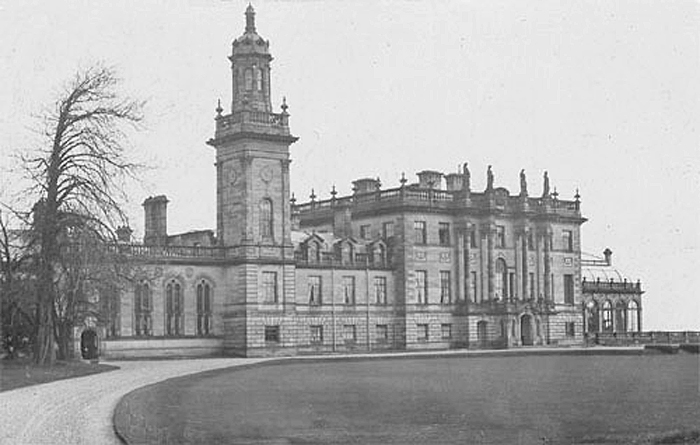
The 1788 Hooton Hall. Source: Lost Heritage
Hooton Hall was an estate owned by the Stanley family. It was built in 1788 to replace the existing house built at the end of the 15th century by the 5th Baronet Sir William Stanley, who employed architect Samuel Wyatt for the task. Seventy years later it had to be sold to pay off gambling debts and was bought by banker Richard Christopher Naylor who made various changes and added a racecourse. He moved away in 1875 when the Manchester Ship Canal was routed through the parkland, but retained ownership of the house and land. At the start of the First World War both the house and land were requisitioned by the Army, which converted the house to the hospital and built barracks on the racecourse. The house was probably in a fairly abysmal state when it was knocked down in 1932, initially remaining in the ownership of the military before it eventually came into the hands of Hooton Park Trust.
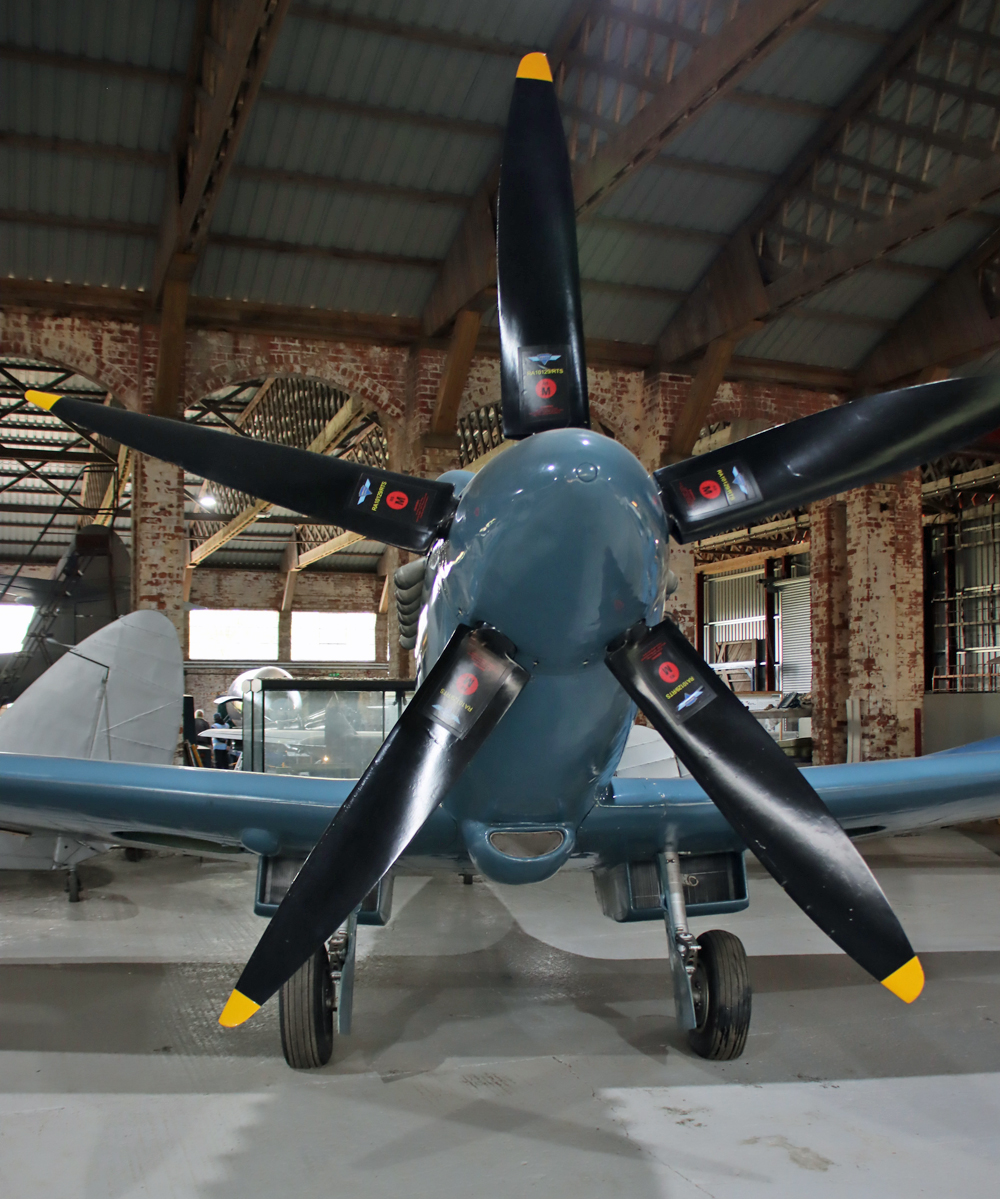
Propeller of VS390 Spitfire PR.XIX PM651, usually stationed at RAF Woodvale near Formby on Merseyside and restored by the RAF Museum at Cosford. It came to Hooton Park in April 2026.
As well as the hospital and barracks, several hangars were built on the Hooton Park site, now Grade 2* listed, originally as a plant for assembling American-built aircraft, but instead became a training centre for pilots destined for the Western Front. The hangar in which the museum is located is single storey, 16 bays in length, with iron casement windows separated by brick uprights and with corner pylons of brick (one of which was extended upwards to become a fire watch observation post). An interior arched brick arcade divides the hangar into two halves. The corrugated roofs of each half were supported by Belfast roof trusses of latticed wood which collapsed over a decade ago, but have since been replaced by new Belfast trusses. the hangars were built by Holland, Henna and Cubitt Ltd to a design by the Royal Engineers, whilst the roof trusses were built by D. Anderson and Co., Belfast. The training facility was closed in 1919 when the training facility was moved to RAF Shotwick.
In the inter-war years the aerodrome was bought by a Mr G.H. Dawson who rented space to the Liverpool and District Aero Club, which became one of the most successful in the country. At the same time, the aerodrome also became the home for two air manufacturing companies, the Comper Aircraft Co. and Popjay Air Motors. In 1927 the aerodrome was purchased to become Liverpool’s main airport, in spite of being on the Wirral before moving to Speke on the other side of the Mersey in 1930, where it remains.
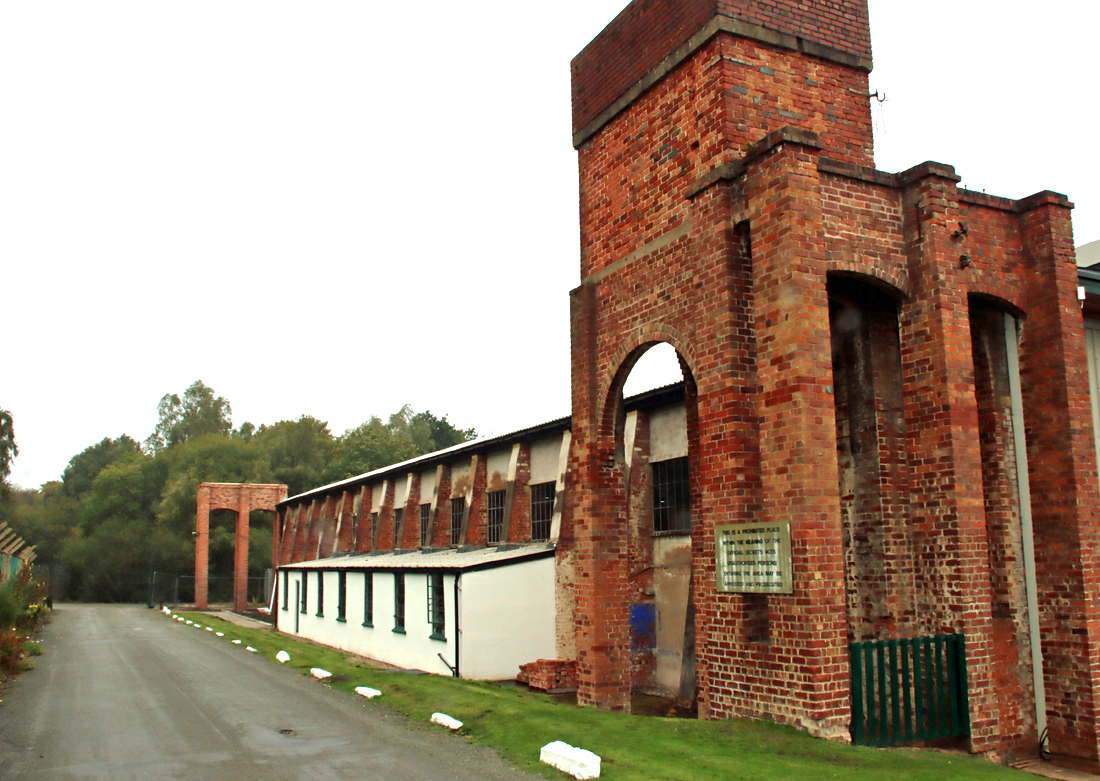
Hooton Park aircraft Hangar on a chilly wet day, showing the brick elements and the 16-bay structure
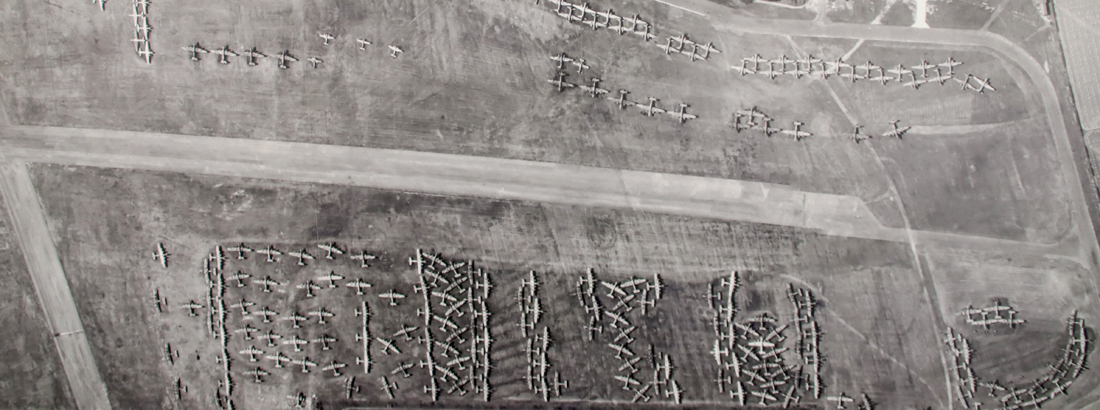
At the outbreak of the Second World War Hooton Park became the base for 610 ‘County of Chester’ Squadron and in the 1940s it returned to its role assembling aircraft from the U.S. At the same time the Civilian Repair Organization was employed to inspect and overhaul existing aircraft. The aerodrome was also used during the war as an important role in aerial reconnaissance with the goal of locating submarines. In June 1946, No 610 Squadron reformed at Hooton and in 1949, 663 Squadron formed at the site. Hooton Park finally closed as an aerodrome in 1957. Subsequently Shell created a base at Hooton Park to carry out experimental work on car fuels. In 1962, Vauxhall Motors purchased the site and based their motor works at Hooton Park.
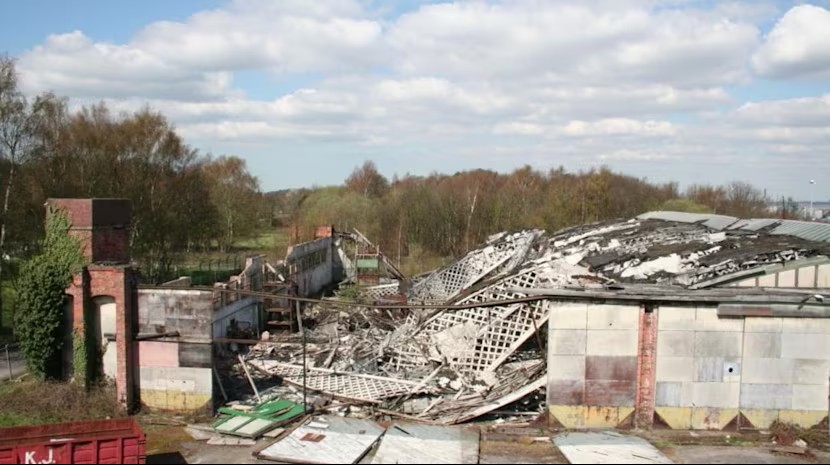
Hooton Park Hangars after the roof collapse, showing the wooden lattice trusses made in Belfast. Source: Hooton Park Trust
The Hooton Park Trust was founded in 2000 to restore the hangars, originally built during the Second World War where they served the RAF Hooton airfield. This was not a lightweight project. The hangar roofs had collapsed in 2011 and just clearing the rubble cost £60,000, partly because of the asbestos used in the roofing material, which required special disposal measures. The new hangar roofs were built with modern, durable materials using the same methods as the originals. Do take the time to look upwards – the trusses are as attractive as they are impressive as you can see in the above photograph. The aircraft and other vehicles are a fine mix of different types, a mixture of civil and military, all with some connection to the aerodrome or the use of the hangars after the aerodrome had closed.
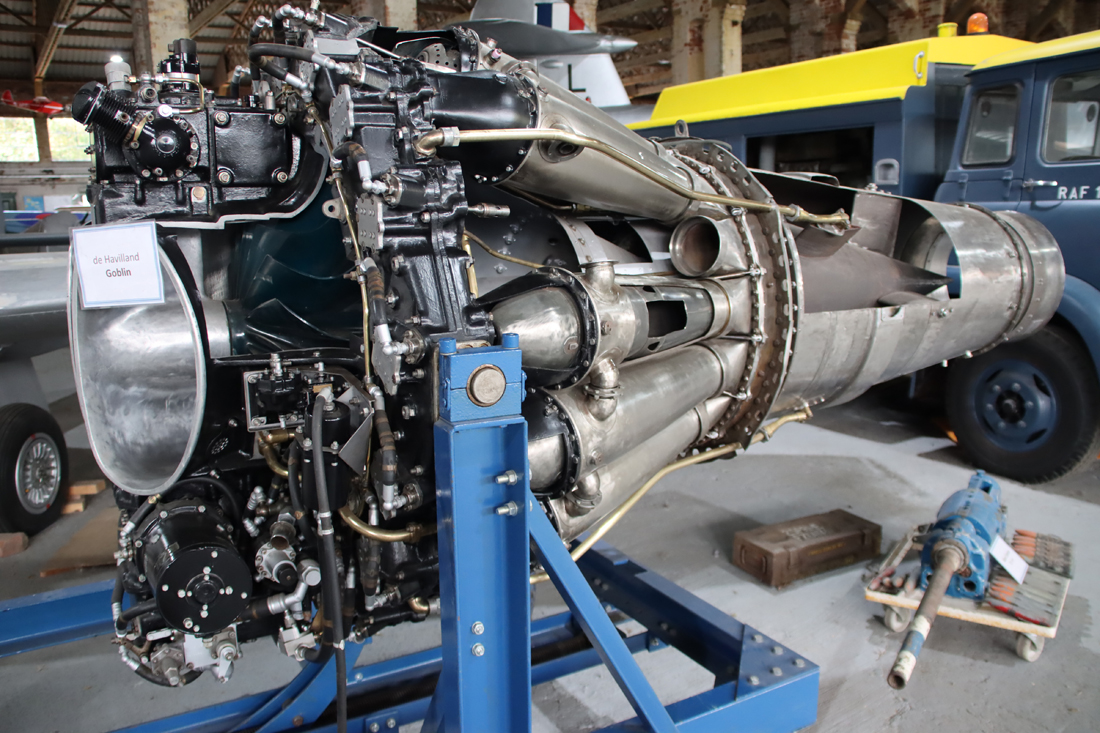
Many of the aircraft in the hangars were supplied by the Hooton Park Trust, to which aircraft have also been loaned. The Trust makes space in the museum available to the The Aeroplane Collection (TAC), first founded in 1962 so that they can both display and work on aircraft in the hangar. On a visit you are very like to see both Hooton Park Trust volunteers and TAC members working on the aircraft in the museum. In 2024 several aircraft and other items were transferred to the museum following the closure of a display hall in the Manchester Museum of Science.
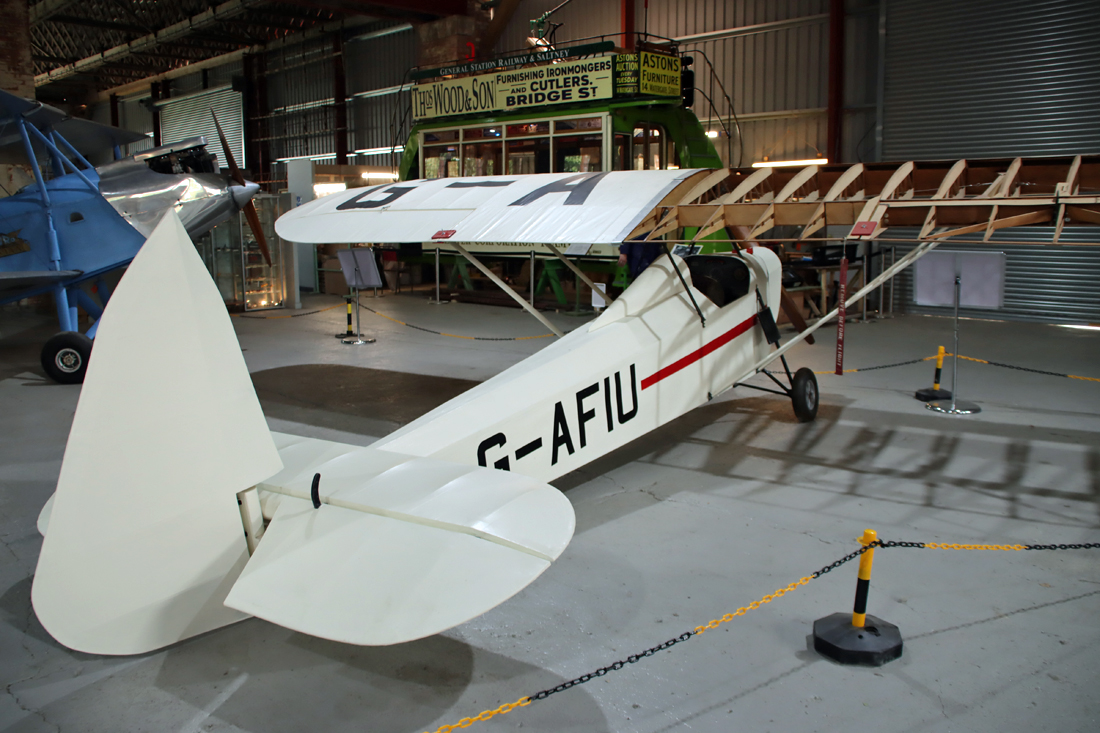
G-AFIU Parker CA-4 Parasol
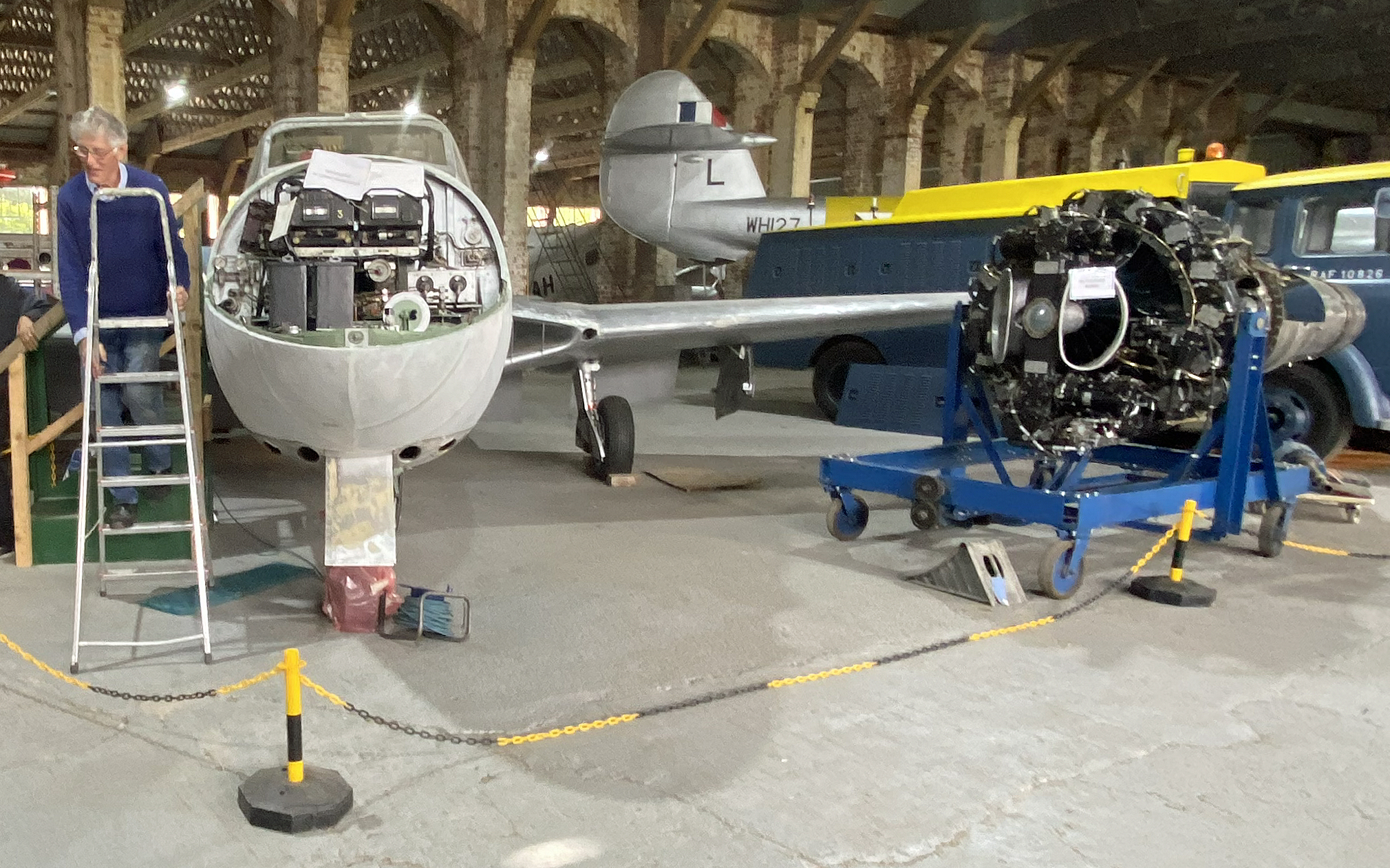 This is very much a living museum, with work constantly being carried out on the aircraft stored in the hangars. As well as the volunteers who were on hand to answer questions, there were plenty of engineers in overalls with their heads bent over engines, engaging in restoration work.
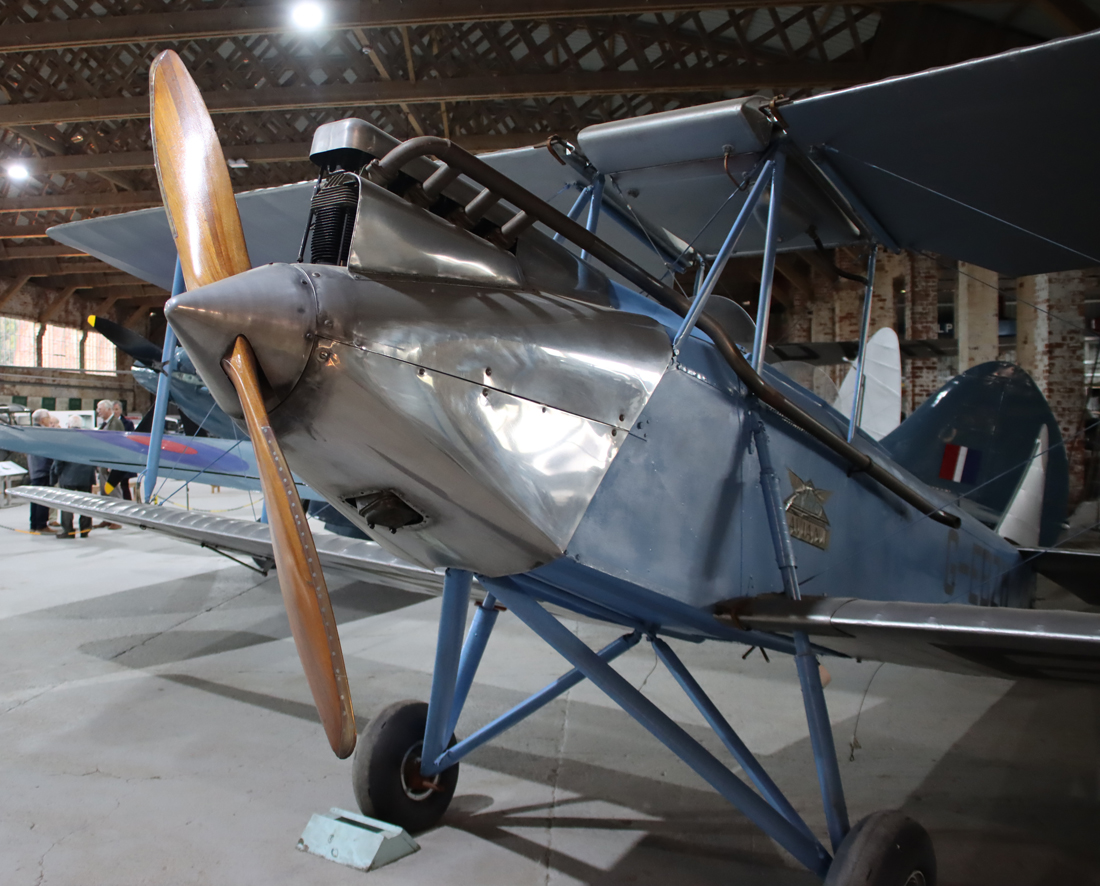
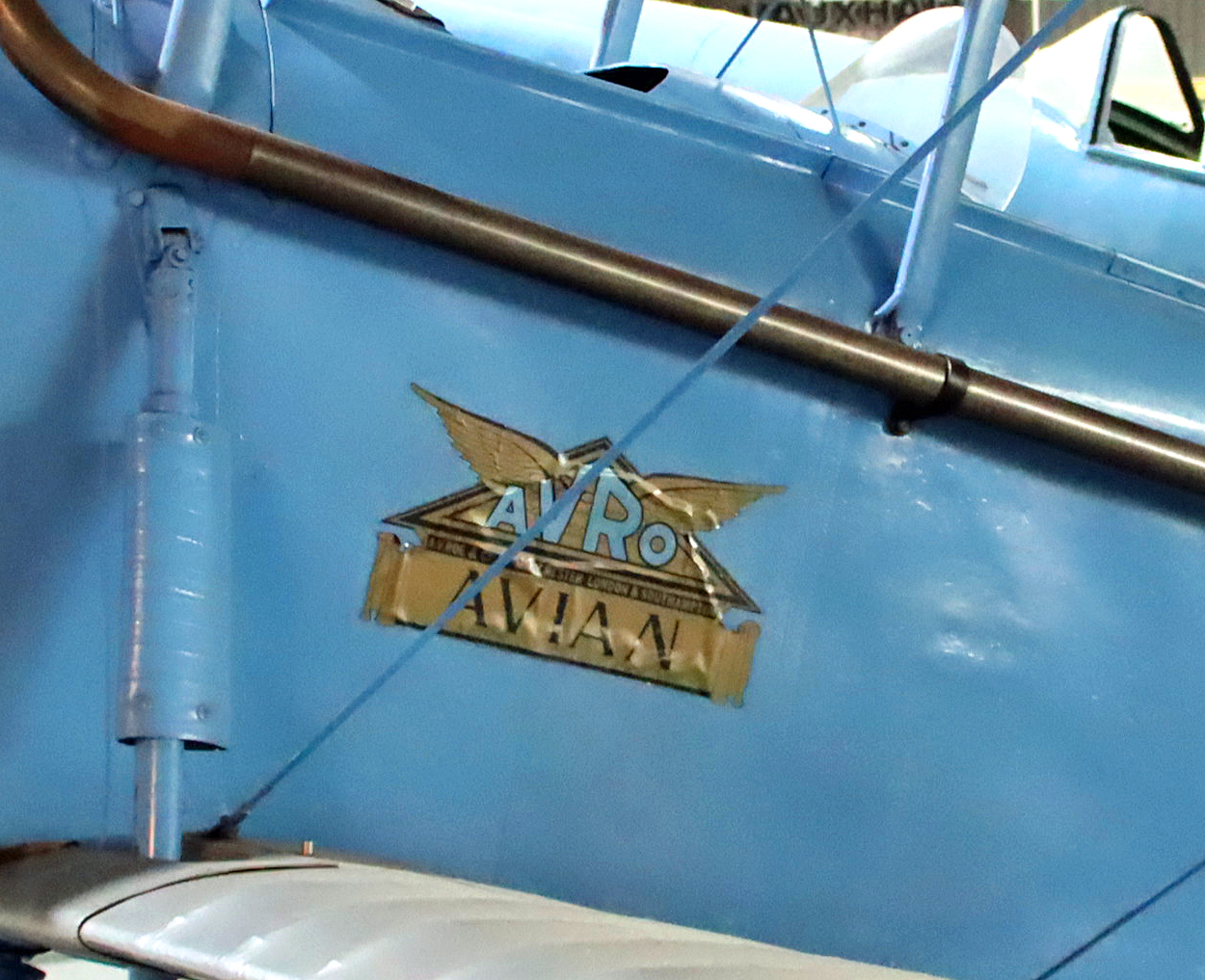
G-EBZM Avro 594 Avian 111A
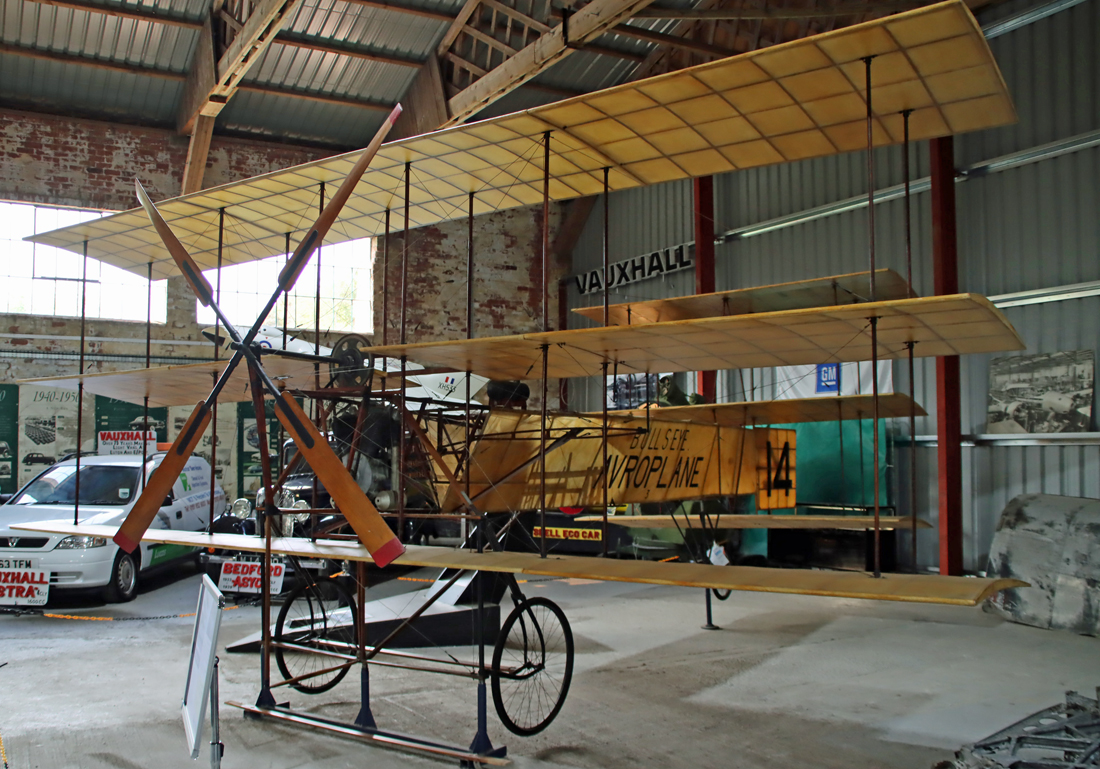
Replica of BAPC.6 Avro Triplane
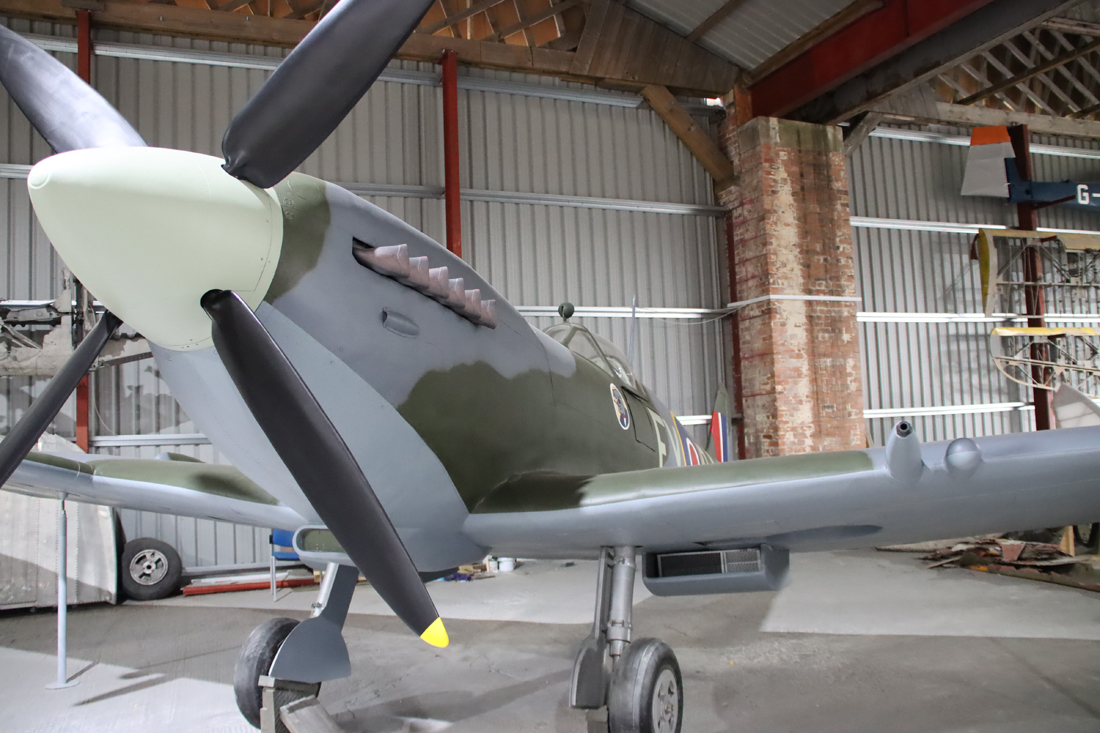
Full scale replica of a Spitfire MK IX
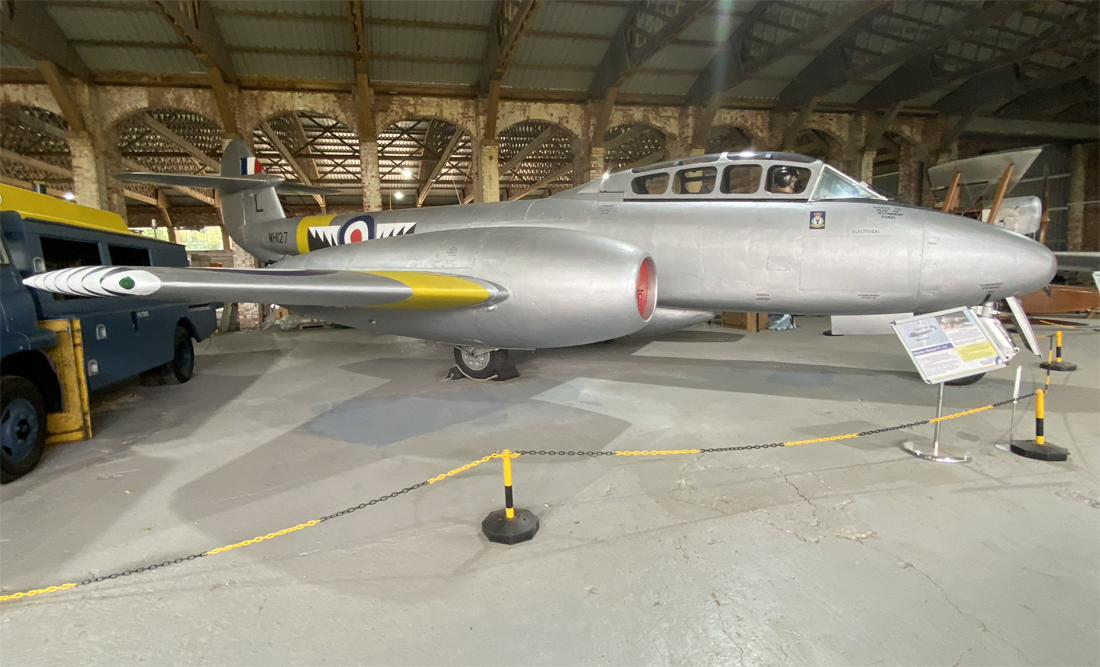
Gloster Meteor painted to represent aircraft WH127 of 610 Squadron based at Hooton
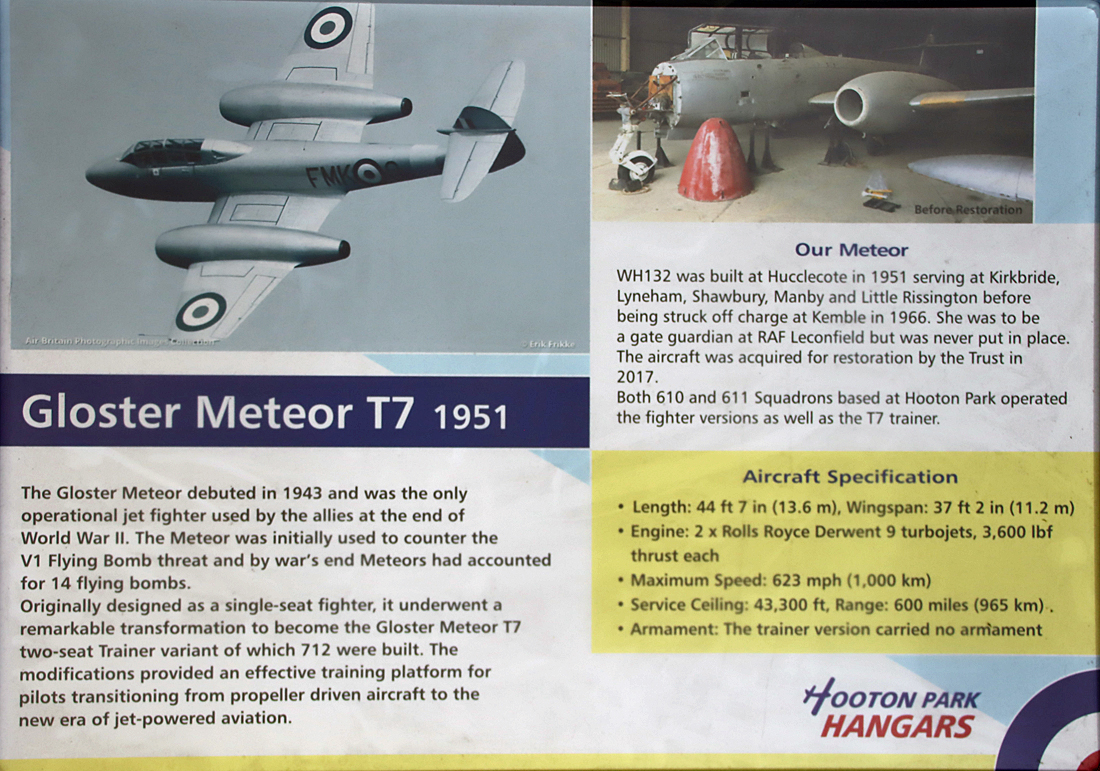
Another example of signage in the museum, this providing information about the Meteor shown above
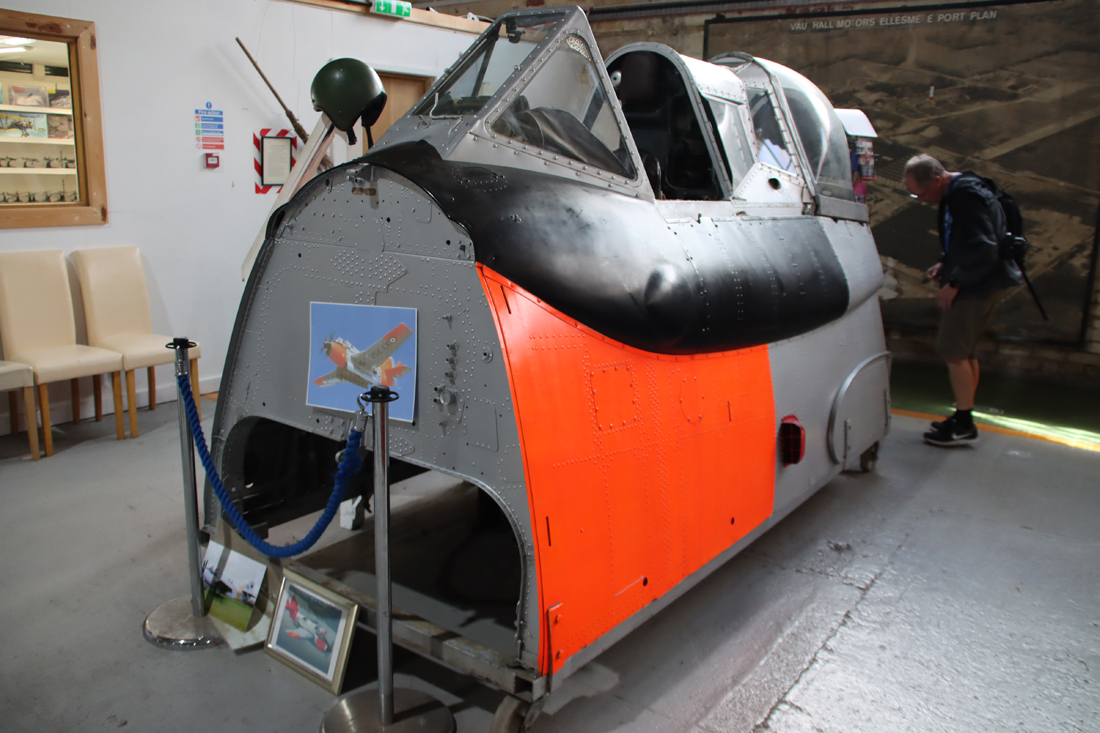
Cockpit of a Fairey Gannet T.2. Steps on the other side allow you to climb up and get a good look into the cockpit.
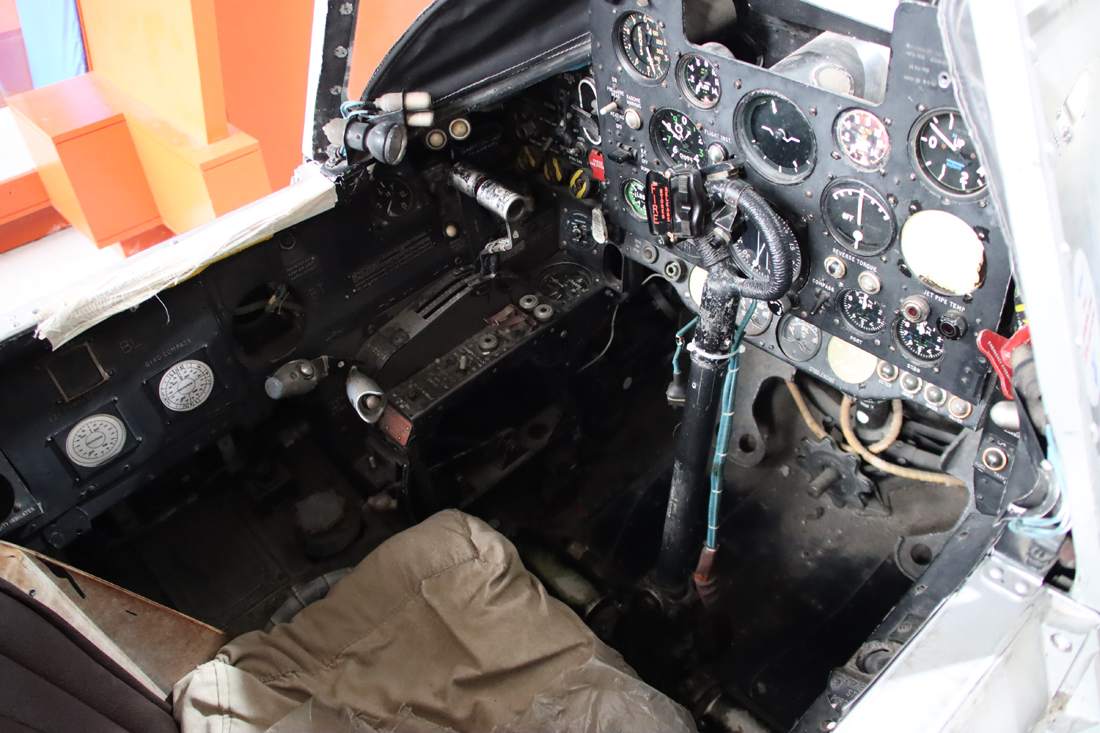
Inside the Faery gannet T.2 cockpit
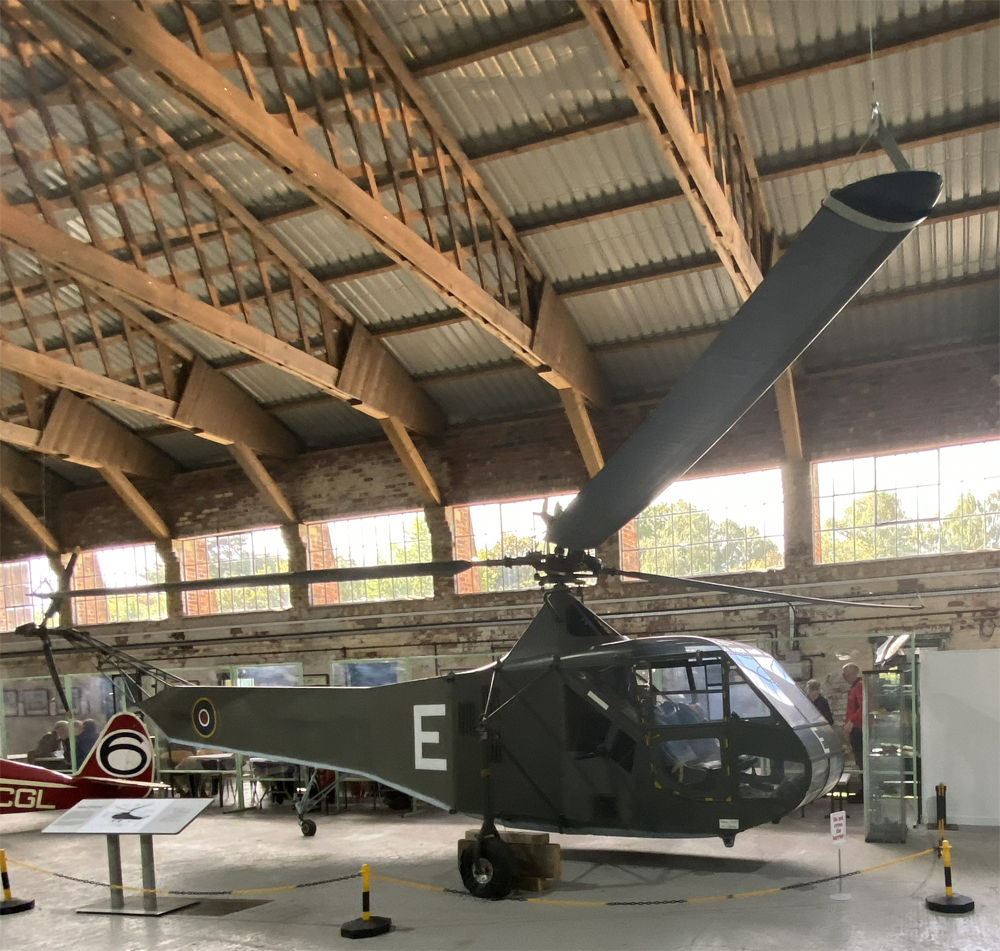
Sikorsky R-4B Hoverfly
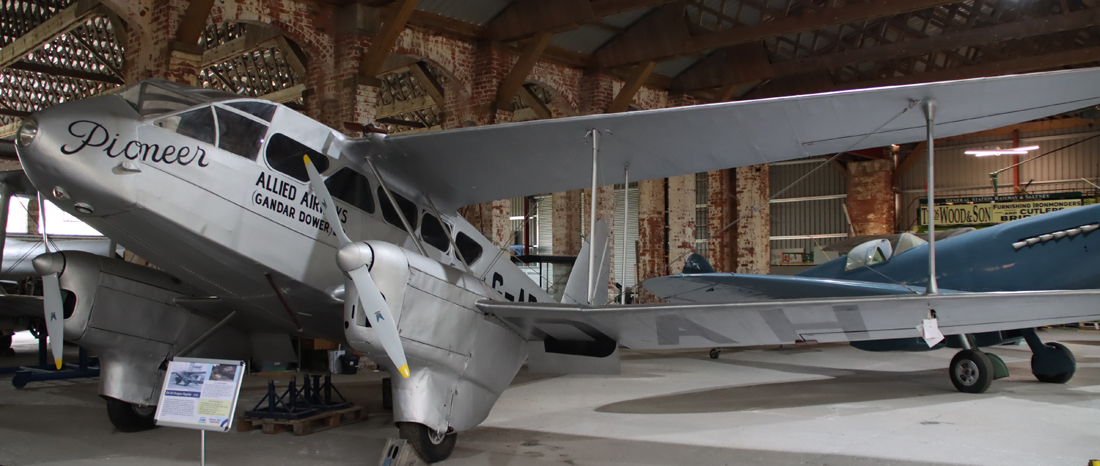
G-ADAH DH.98A Dragon Rapide “Pioneer”
xxx
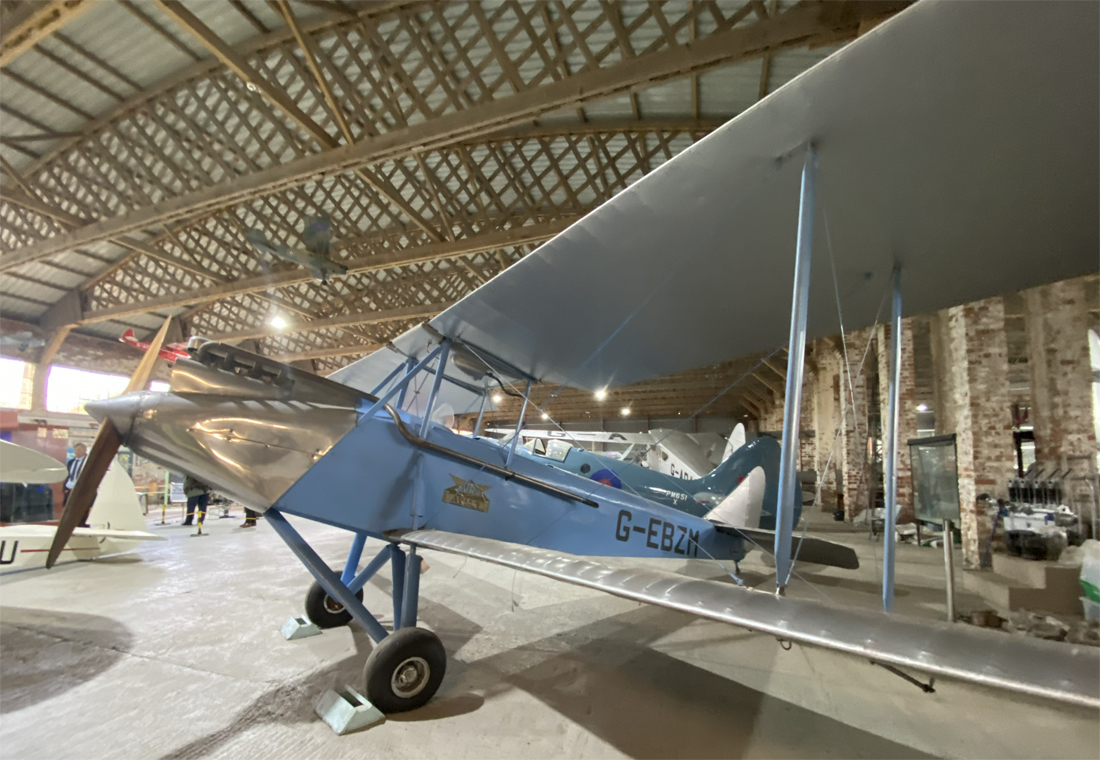
G-EBZM Avro 594 Avian 111A
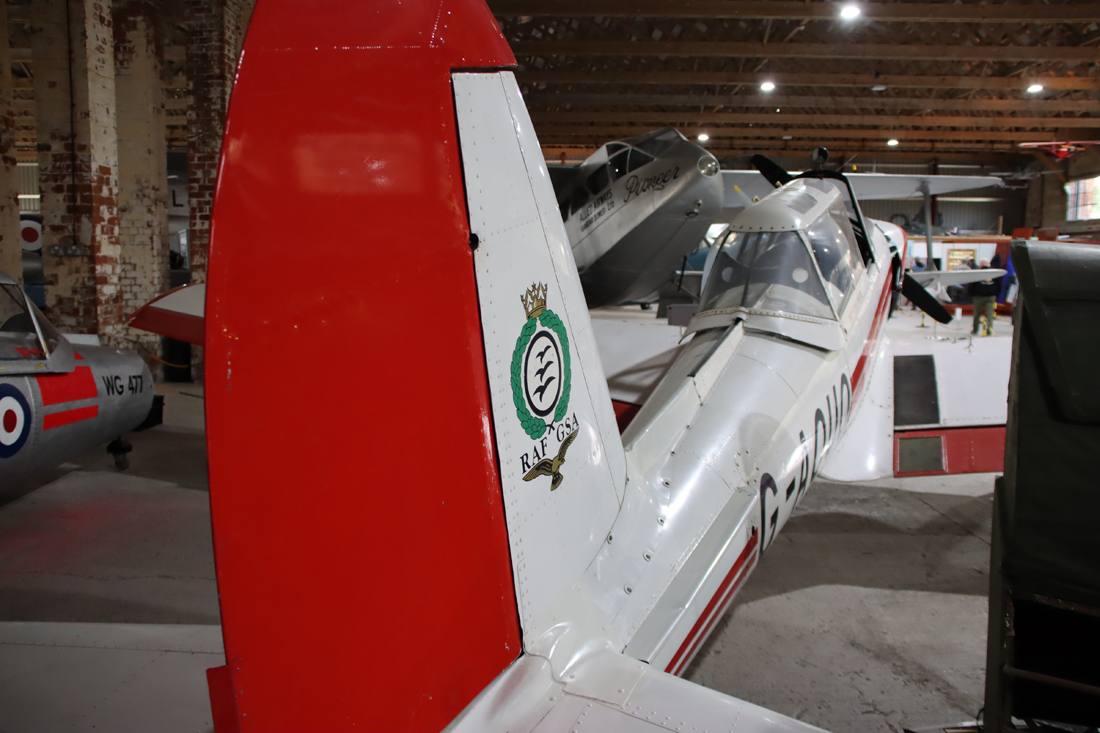
G-AOUO DHC.1 Chipmunk 22
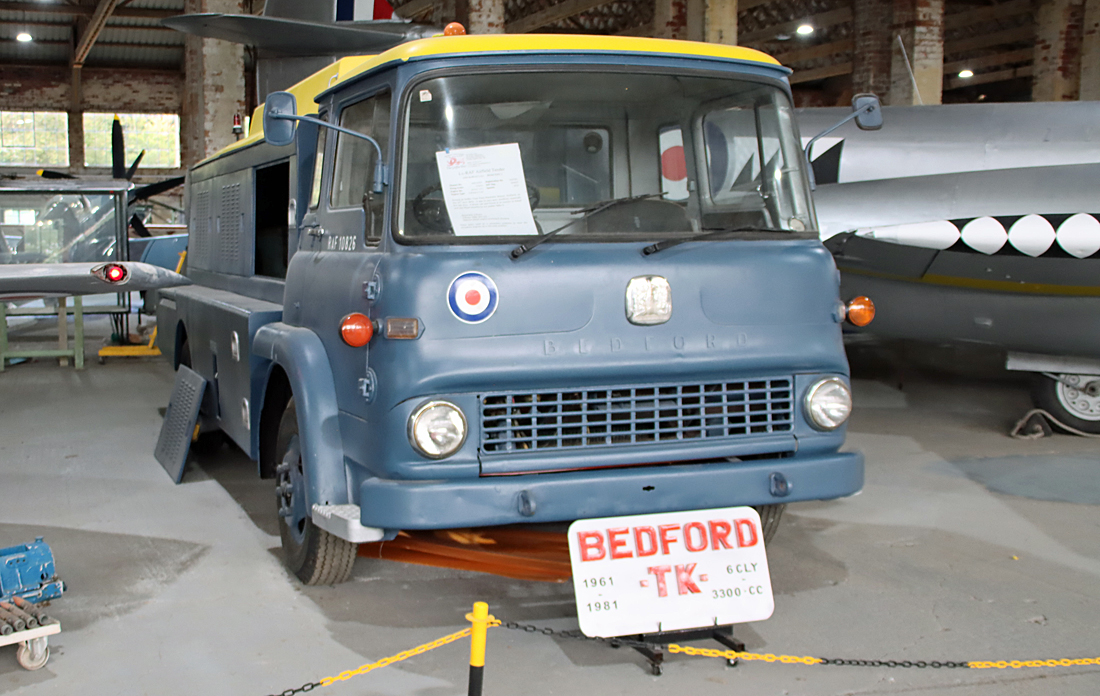
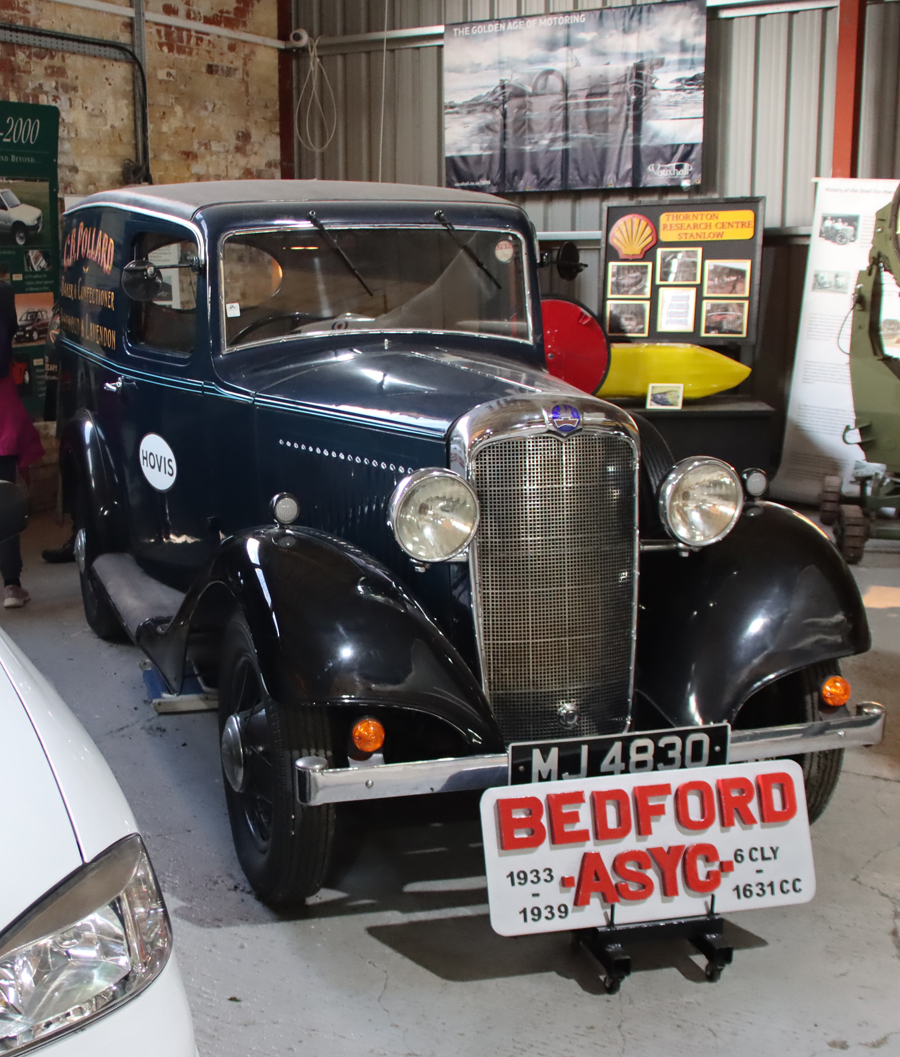
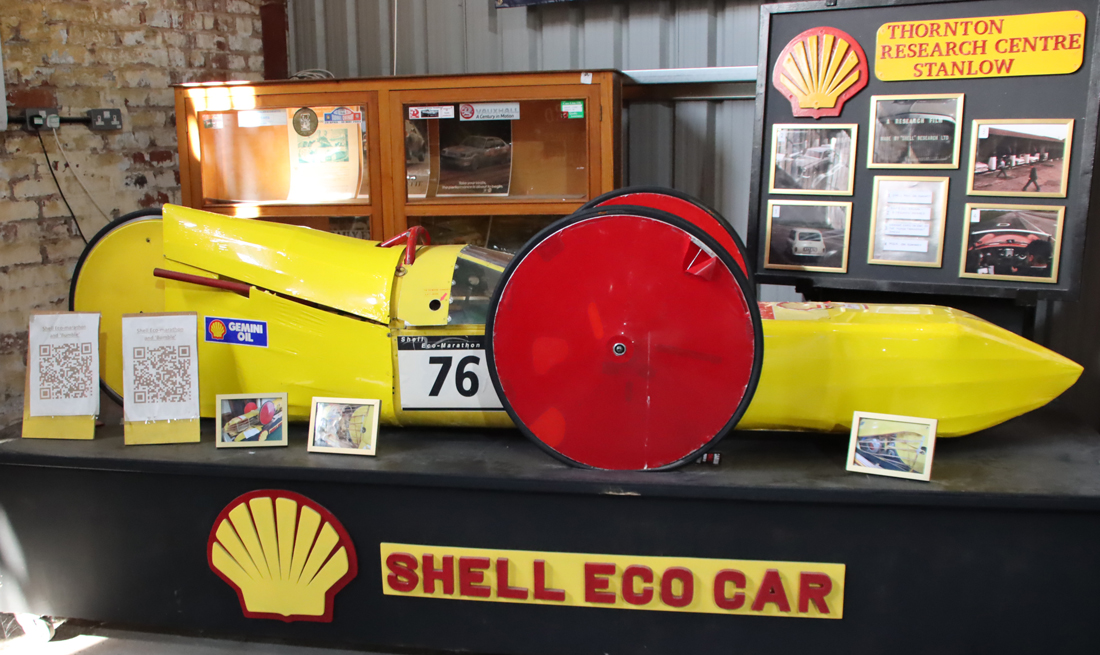
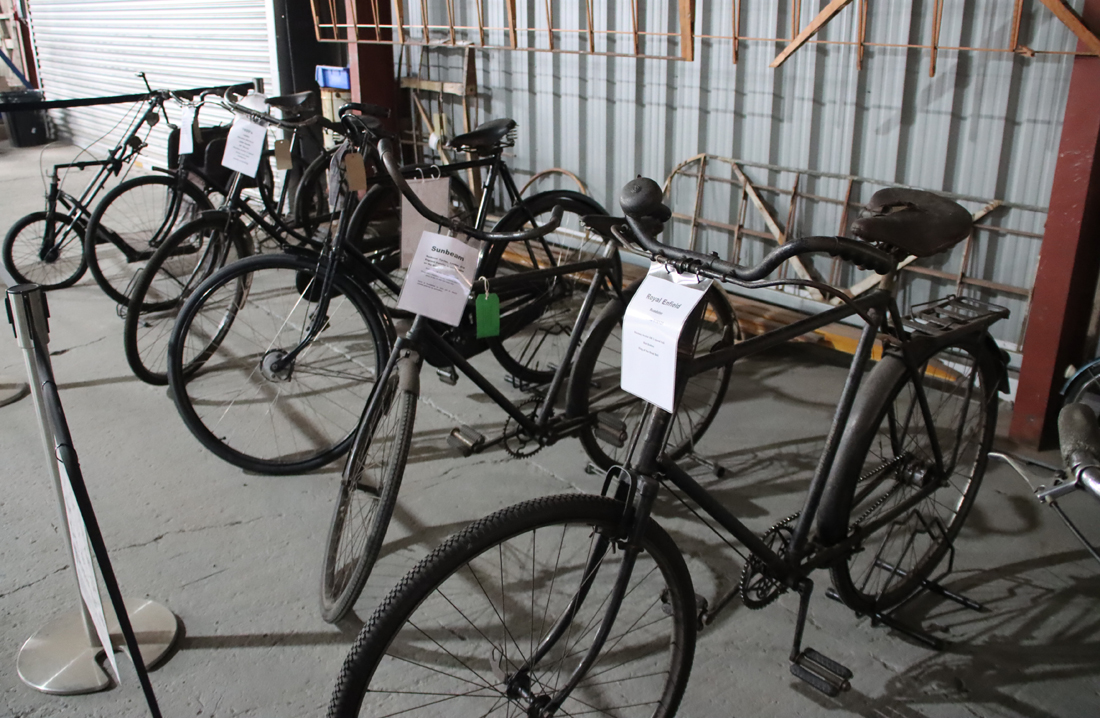
As well as aircraft and engines there are also road vehicles, including a tram, bicycles and Vauxhall cars, all of which were contemporary with some of the aircraft in the hangars or were produced after the aerodrome had gone out of use. The Shell Eco Car was a particularly surprising vehicle!
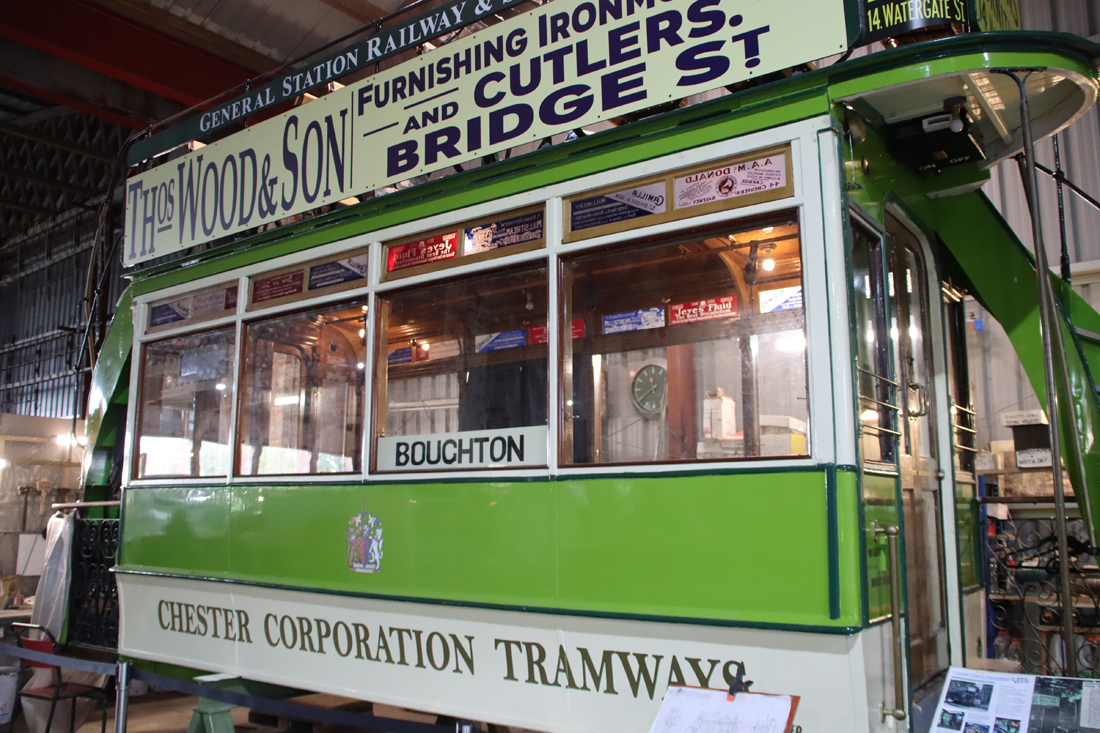
Chester No.4 tram
Visiting
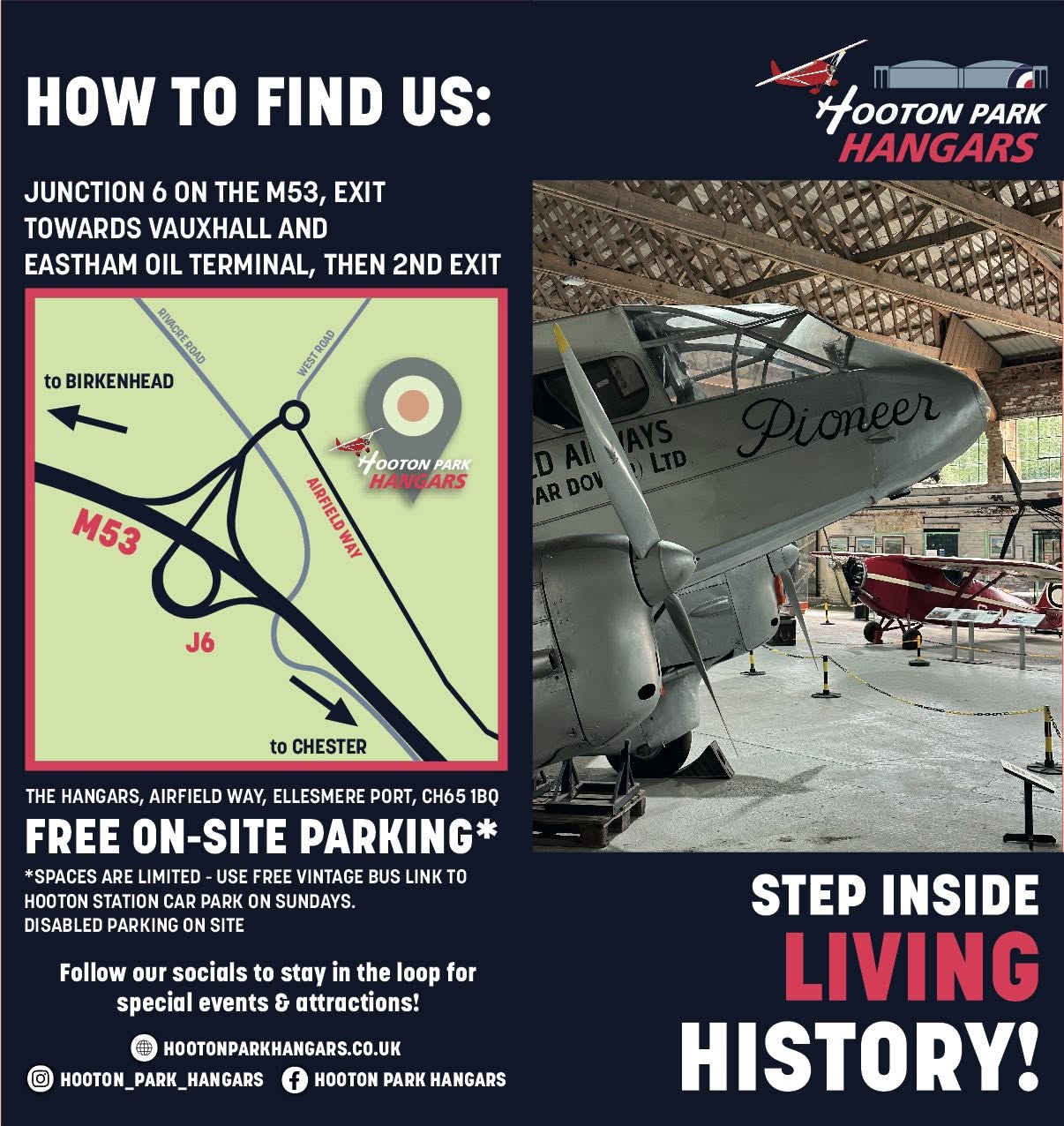 The best source of visiting information is the Hooton Park Hangars website. Opening days are usually to Saturdays and the last Sunday of the month, and different activities are available on the Sundays, so do check the website to see what is going on. There are events throughout the summer, and these are worth keeping an eye out for. You can also find their social media presences on the website. There are toilets and a café on the site, although note that at the time of writing (September 2026) the café is only available on Sundays. It is very easy to find by car, although parking is limited, and on a Sunday there is a vintage bus to take you from Hooton Station. It is all on the flat, so very accessible for those with unwilling legs, and there is disabled parking. The museum closes for the season on 31st October, so you will need to get your skates on if you want to go this year.
Sources:
Much of the information on this post has been taken from information boards around the hangars, from the volunteers who kindly chatted to me about the site, and the Hooton Park Hangars website’s history pages as well as from the sources listed below.
Historic England
Northern General Service Hangar (Building 16) , Hooton Park Aerodrome
https://historicengland.org.uk/listing/the-list/list-entry/1075377?section=official-list-entry
Lost Heritage
Hooton Hall
https://www.lostheritage.org.uk/houses/lh_cheshire_hootonhall.html
Vintage Aviation News
Discovering Hooton Park Hangars: Northwest England’s Living Aviation Heritage Museum. By Ian Doyle
https://vintageaviationnews.com/aviation-museum-news/discovering-hooton-park-hangars-northwest-englands-living-aviation-heritage-museum.html