Category Archives: Modern History

The Riverside Museum, the development of hospitals in Chester and the professionalization of nursing

Introduction

After writing a 4-part series on the 1829 Cheshire Lunatic Asylum (its original 19th century name), which introduced me for the first time to medical history, I became interested in how hospitals other than mental institutions developed in the United Kingdom.  This post, offering a brief snapshot of how nursing staff built a sense of professional identity from the 19th century onwards, with particular reference to Chester, followed a visit to the Riverside Museum in Chester with its collection of nursing objects, including a cabinet full of hospital badges.

A brief background to hospital care in Chester

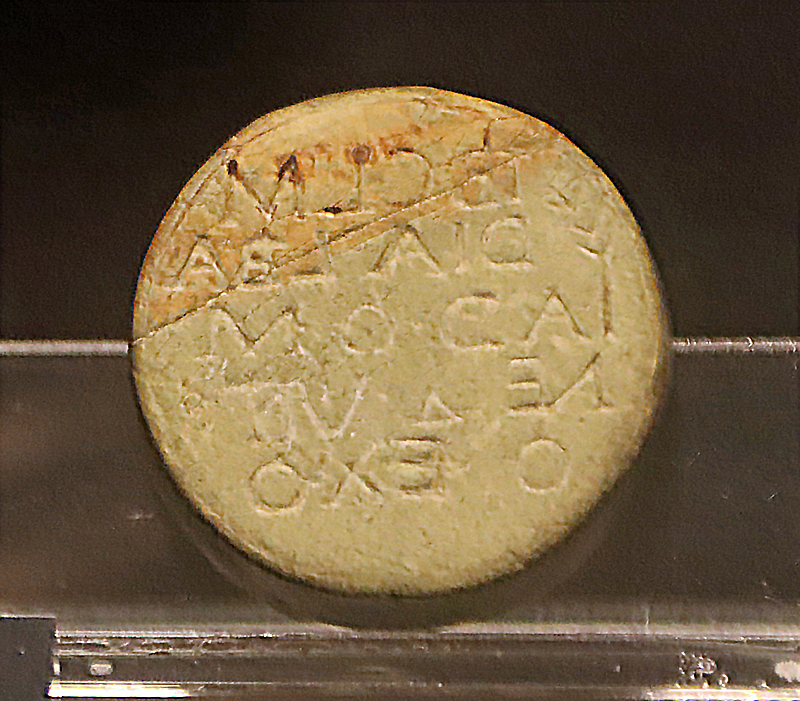
Eye Doctor Stamp from Wroxeter. SHYMS A/2008/00133

Eye Doctor Stamp from Wroxeter, now in the the Shrewsbury Museum and Art Gallery. SHYMS A/2008/00133

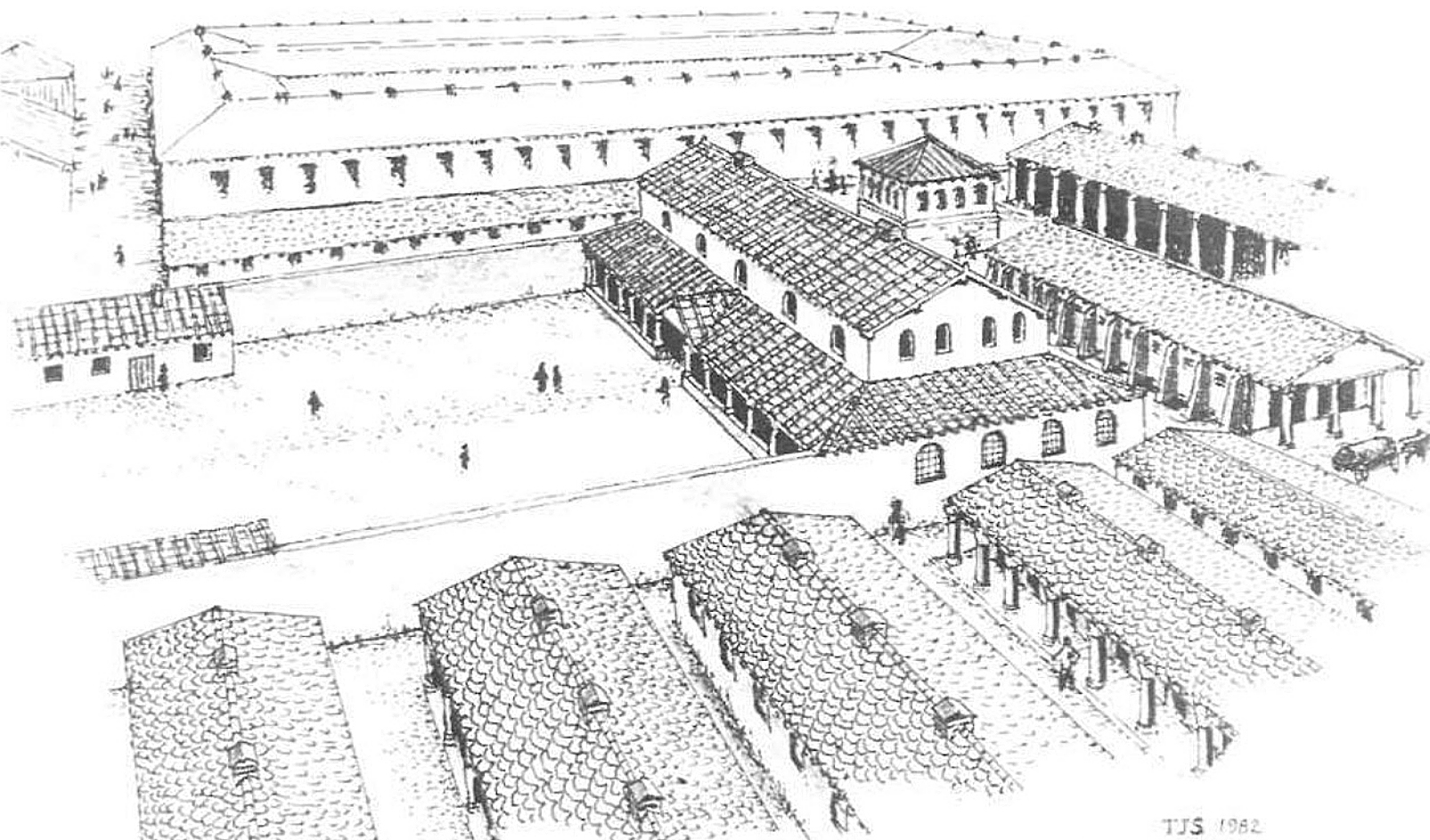
Medicine in one form or another has always been present. Doctors were in England in the Roman period.  A nice example of a Roman emblem of medical authority is an eye doctor’s stamp from the Roman town of Wroxeter near Shrewsbury, now in Shrewsbury Museum and Art Gallery.  Roman doctors and surgeons often treated their patients in the public baths, which were major community gathering places and health facilities but most legionary fortresses would also be equipped with a valetudinarium, a place for those needing help with valetudo (health), an early predecessor of the hospital.  In a British legionary fortress this building was usually located opposite the city baths for convenience, but although the Chester (Deva) city baths are known to have been located on the east side of Bridge Street, sadly the valetudinarium has not been definitively located.  Tim Strickland suggested, albeit tentatively, that it might be the building found in the 1982 excavations to the east of the barracks, on the west side of Northgate Street, a little way north of today’s Town Hall.  This is given support by some fascinating evidence for the presence of medical expertise in that area in the form of two altars dedicated by doctors to suitable deities.  Documented as RIB 461 and RIB 3151 they were both inscribed in Greek, implying that the doctors were themselves Greek, and were found on the west side of Northgate Street. Both are now in the Grosvenor Museum, Chester.  David Mason offers the alternative suggestion that the traces of primary timber buildings opposite the baths could feasibly be the  valetudinarium, but the remains were too meagre for any function to be determined.

Tim Strickland's reconstruction of the Princess Street Excavations, showing the possible hospital building in the background

Tim Strickland’s reconstruction of the Princess Street Excavations, showing the possible hospital building in the background. Source: Strickland 1982

In the later medieval period, badges and medals were adopted in secular, military and ecclesiastical contexts to identify status, beliefs and achievements.  Pilgrims to the St Werburgh shrine, in St Werburgh’s Benedictine Abbey, what is now Chester Cathedral, purchased pilgrim badges not only as souvenirs of their journey, but to identify themselves as actively committed to acts of Christian faith,or in gratitude for prayers being answered.  Pilgrimages could be undertaken for a variety of reasons, but a major draw was the possibility of a saint interceding in response to prayers for curing illness or disability.  Accumulated badges were attached to clothing and bags.  These were of course emblems purchased by the pilgrim.  They were not awarded by others to pilgrims in recognition of their devotion, but they communicated a powerful sense of affiliation and achievement.

St Werburgh’s Abbey pilgrim badge. British Museum 1836,0610.73

Chester’s very first infirmary was probably that of the medieval St Werburgh’s Benedictine Abbey, founded in 1092.  As with most abbey complexes, the infirmary was a separate building that provided elderly and infirm monks with a more relaxed regime and better food than enjoyed by the rest of the monastic community, but was not necessarily concerned with the most of the market town’s community beyond the monastic walls.  The location of the infirmary, which was usually a separate building and often set as one side of a second cloister (square of monastic buildings) is not known, although Alan Thacker suggests it might have been to the east of the surviving cloister.

By contrast, the 12th century St Giles leper colony was dedicated to the care of anyone with the terrible Hansen’s Disease, better known as leprosy, caused by the bacteria Mycobacterium leprae.  Like most leper colonies, it was outside the town, located about a mile away from Chester in Boughton.  As was traditional with leper hospitals, it was located at a fork in the road, an optimal location for lepers to beg for alms heading into and out of Chester via the Eastgate.  It later became more of an almshouse, until it was knocked down at the start of the Civil War in 1643.  The remains of the hospital’s cemetery is still visible as a patch of raised grass just beyond the fork where Tarvin Road and Christleton Road split.

Artist’s impression of Birkenhead Priory as it may have looked in the 14th century by E.W. Cox c.1896.

Just outside the city walls, the charitable St John The Baptist Infirmary (known locally as Little St John’s to distinguish it from the Church of St John the Baptist) was established in around 1190 to take care of the elderly and infirm within the town, specializing in the care of the impoverished.  Like most hospitals it was equipped with a church and a cemetery.  Thirteen beds were reserved for the city’s impoverished, but could take in other patients when capacity permitted.  There were always problems with the financial management of the hospital, which R. Stewart-Brown puts down to the policy of renting out the hospital’s properties in return for fixed sums, which could not be adjusted when costs rose.  Matters reached a head in February 1315-15 when a public inquiry was held and it was decided to give responsibility to Birkenhead Priory, but this was apparently fairly short-lived.  The hospital was demolished in 1644.

In 1510  a charitable bequest from former sheriff Roger Smith founded six almshouses in Commonhall Street, Smith’s former house, together with a chapel. Suffering financial difficulties, it was converted into the Fraternity and Hospital of St Ursula the Virgin.  Although it was dissolved in the mid 1500s the almshouse buildings survived until 1871.

1761 Building Royal Infirmary

1761 Building Royal Infirmary

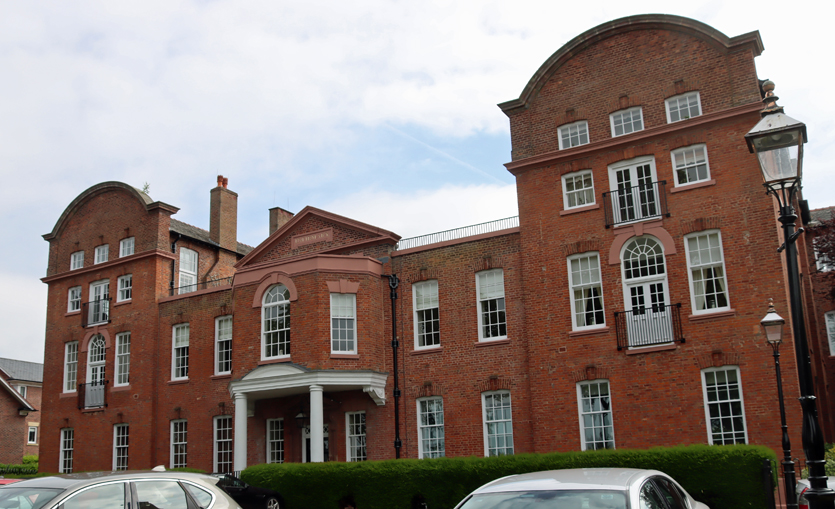
The Chester Infirmary opened in the mid-1700s after a bequest was left to found a county infirmary specifically to build a hospital for those unable to afford medical care.  After an initial period at the Blue Coat School at Northgate, a site was purchased on City Walls Road, and the building was designed by William Yoxall, with its own chapel on the first floor.

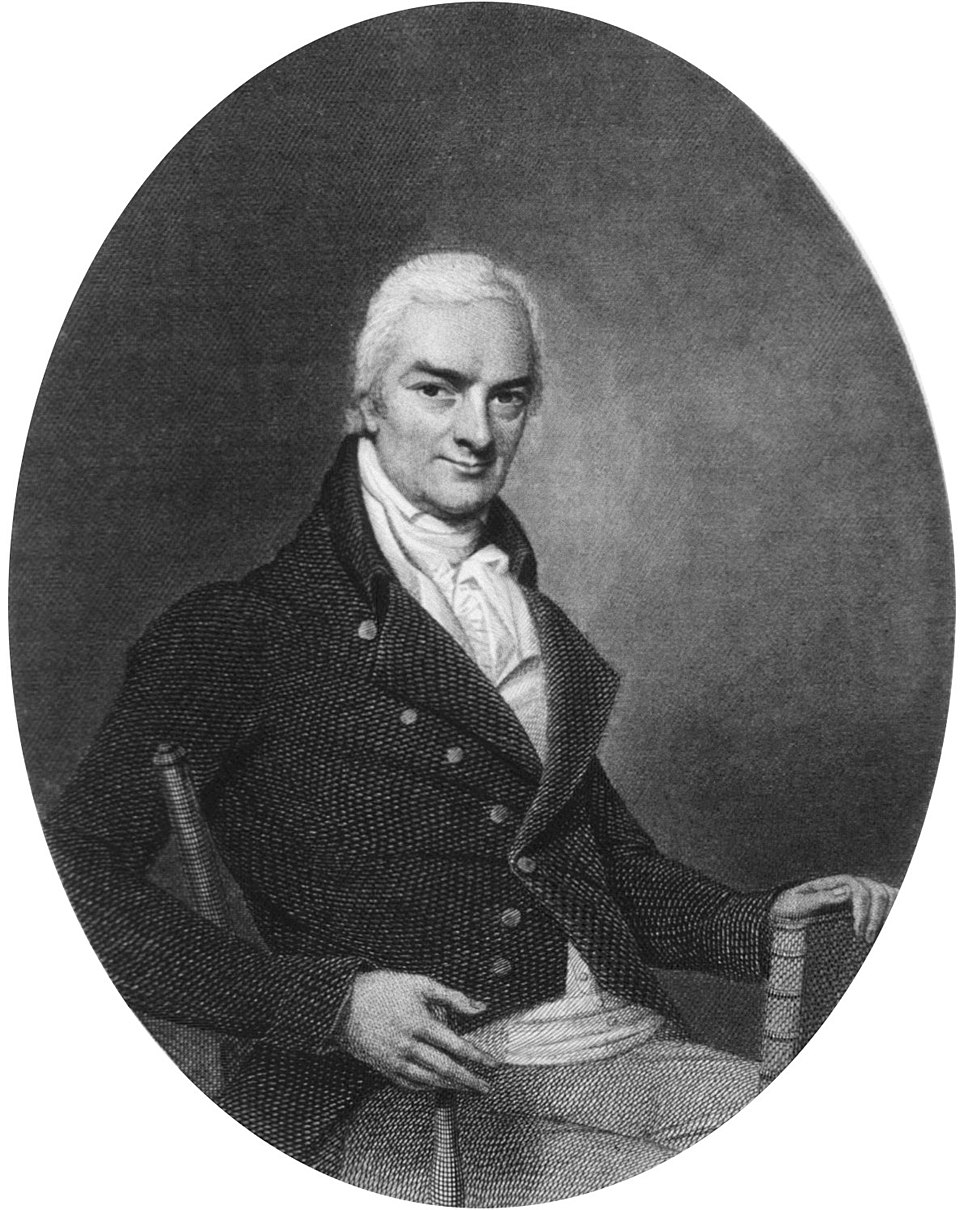
Dr John Haygarth

Dr John Haygarth. Source: Wikipedia

In 1766 Dr John Haygarth accepted a position at the Infirmary as a physician, working there until he retired in 1796.  His investigative work lead him to become particularly interested in the spread of infections diseases in the poorer parts of the city, establishing a Smallpox Society in 1778.  He promoted the control of disease in the community by establishing routines of cleanliness, ventilation and inoculation.  The creation of isolation wards in 1783, in response mainly to typhus outbreaks, was an innovation at the Infirmary that was soon adopted by other hospitals.  Over the coming years many changes were made to the Infirmary.  The Chester Infirmary represented a considerable advance on medieval standards of care, both benefitting from and contributing to medical research and the understanding of infectious diseases.

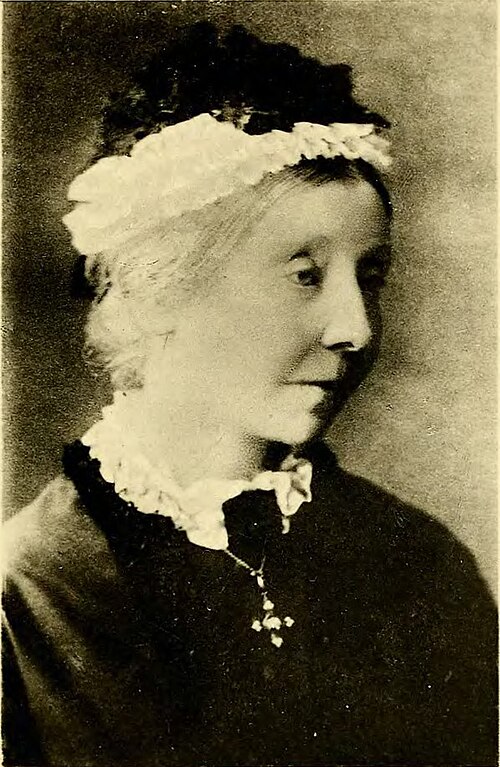
Frances Maria Wilbraham

Frances Maria Wilbraham. Source: Wikipedia

At the Chester Infirmary, the sisters Frances and Emily Wilbraham and their friend and colleague Emily Ayckbowm demonstrated how women in the late 1800s might be highly active not merely in the care of patients, but in the management of hospitals and the handling of epidemics, building on the work of Florence Nightingale. Colonel Richard Wilbraham, brother of the sisters, had served in Crimea and was a friend of Nightingale’s.

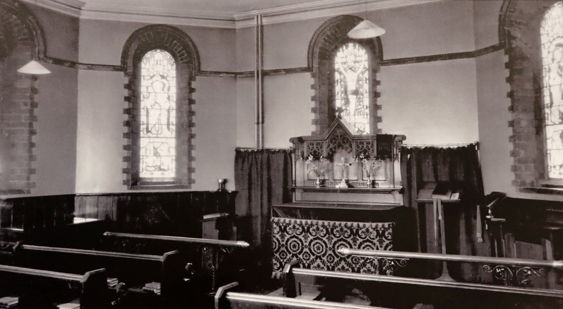
The three major outbreaks of cholera in 1832, 1849 and 1865 stretched the hospital’s resources to the limit and they refused to take cholera patients, requiring isolation hospitals to be set up on vacant land, which were taken down once the worst was over.  This was a period when Chester still lacked piped water and insanitary conditions, although being tackled by the authorities, were very common.  At the onset of the 1865-66 outbreak of cholera, Frances was instrumental in setting up an isolation hospital in a semi-derelict farm building where the Grosvenor Park is now located, helping to, prepare it for patients, nursing the patients when they arrived, and managing workhouse inmates who were assigned to the infirmary.  Frances published a book about her experiences in 1877, “Streets and Lanes of a City,” under the pen-name Amy Dutton. The windows in the chapel built on the first floor of the Royal Infirmary were installed in memory of the Frances and Emily.

Infirmary Chapel Windows. Source: First floor display in the Wheeler Building, University of Chester

Infirmary Chapel Windows. Source: Photograph of first floor landing poster display in the Wheeler Building, University of Chester

The building was expanded and modernized and in 1914 a major refurbishment was accompanied by a new wing with with six additional wards.  After being opened by King George V and Queen Mary, it was renamed the Chester Royal Infirmary.  In 1948 the hospital was absorbed into the National Health Service.  In 1994 it eventually closed, its functions having been taken over by what is now the mammoth Countess of Chester Hospital.  The original 1761 building was Grade 2 listed in 1972, and in 1998 was converted for residential use, but the rest was demolished.  The building still stands and appears to be in very good condition.

The 1829 Building, built as Cheshire’s first lunatic asylum and now part of the Countess of Chester Hospital

The Countess of Chester Hospital was, until 1968, a mental health hospital.  It had been established as the county lunatic asylum in 1829, a progressive institution which, particularly under Thomas Nadauld Brushfield, attempted not merely to confine patients but to understand and treat mental illness.  I have written a considerable amount about the lunatic asylum in the 19th century on this blog here.  In 1968 it became a general hospital and in 1977 began to expand to become the central general hospital for the region.

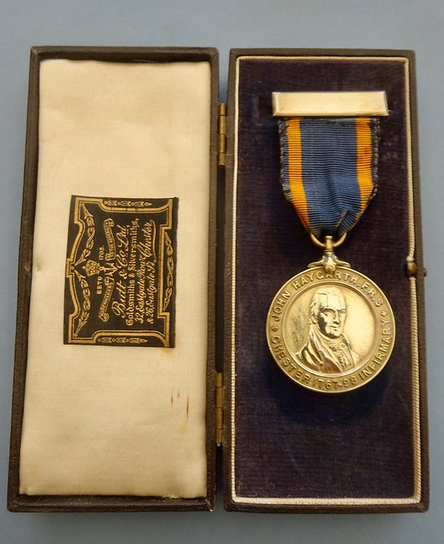
The Haygarth Medal

The Haygarth Medal, , Chester Infirmary. Source: Peter’s Nursing Collectibles (with permission)

The relationship between hospital, lunatic asylum and workhouse (most of which had their own medical wings for inmates) was complicated, but there was increasing recognition that medicine and patient care needed to be both professionalized and standardized.  This is first visible in the increasing care invested in new hospital buildings. The architecture of both the Infirmary of 1761 and the Cheshire Lunatic Asylum of 1829 demonstrate the civic pride that lay behind these institutions.  The buildings were not merely functional-looking cornflake-box buildings, but imaginative statements of philanthropic commitment, self-confidence and investment in society, as well as representing more than a little self-congratulation.  Not all of the nation’s medical institutions were able to put well-meant ideals into practice, but on the whole the Chester medical establishments seem to have had the best of intentions and to have attracted good professional people to head up their medical enterprises.

In the late 19th century the Chester Infirmary began to award a silver medal each year to the best nurse at the Infirmary, recognizing that rewarding high standards was an important part of encouraging improvements in the profession as a whole.  In honour of its pioneering physician Dr John Haygarth, it was named the Haygarth Medal, at left.  The tradition of awarding badges and medals had a long pedigree in the military and the use of the same idea to recognize achievements and promotions was one of the most important tools used to demonstrate the professionalization of nursing.
xxx

The professionalization of nursing and associated symbols of achievement

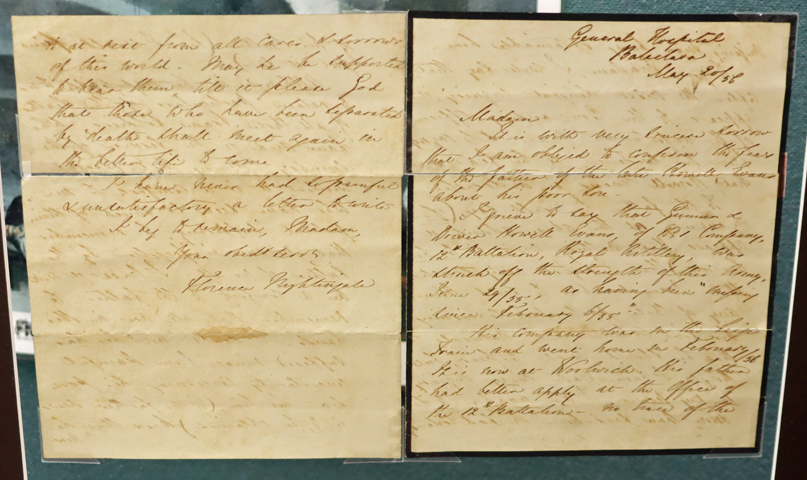
Original letter written by Florence Nightingale at Baklava to a soldier's family, preserved at the Riverside Museum, Chester

Original letter written by Florence Nightingale at Baklava to a soldier’s family, preserved at the Riverside Museum, Chester

The best know of the pioneering nurses is Florence Nightingale (1820-1910).  She had introduced many important new initiatives, such as providing fresh air, clean conditions, warmth, quiet and a good diet.  She recognized that nursing was regarded as little more than domestic service that attracted those without either skills or education, many of whom were very unsuitable.  On her return to England, after the war ended in 1856, Nightingale established a school for nurses, funded with public contributions.  It opened in 1860, provided year-long training, and was highly selective about the intake of trainees.  Interestingly, Nightingale was not in favour of establishing national uniformity in the professional standardization of nursing.  Instead, she believed that a letter of recommendation from her training school was sufficient recommendation.

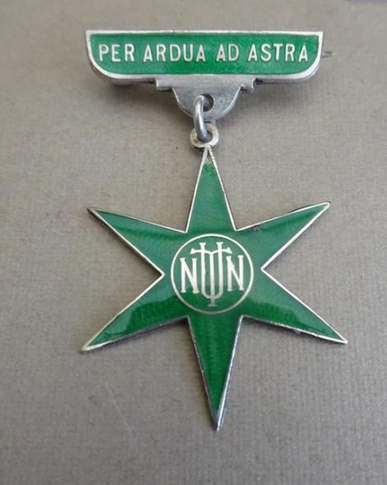
Badge of the National Union of Trained Nurses. Source: Peter’s Nursing Collectibles

It was another professional nurse, Ethel Gordon Fenwick (1857-1947), a matron of St Bartholomew’s hospital in London, who became one of the principal activists for the standardization of professional training and the introduction of qualifications.  Because nursing was the almost exclusive activity of women, the work to professionalize nursing was most often undertaken by female activists in an era long before women had won the right to vote for the first time in 1918. Ethel Gordon Fenwick campaigned for the registration of nurses as a way of establishing universally accepted standards in nursing associated with acknowledged skills and integrity.  In 1887 she established the British Nurses Association to campaign for registration, and issued both certificates and badges to nurses who were deemed to have met the Association’s high standards. This was eventually followed in c.1910 by the National Union of Trained Nurses, which again issued certificates and badges.  Its badge, in the shape of a star, had the legend , with the legend translated as “per ardua ad astra,” a Latin phrase meaning “through adversity to the stars.”

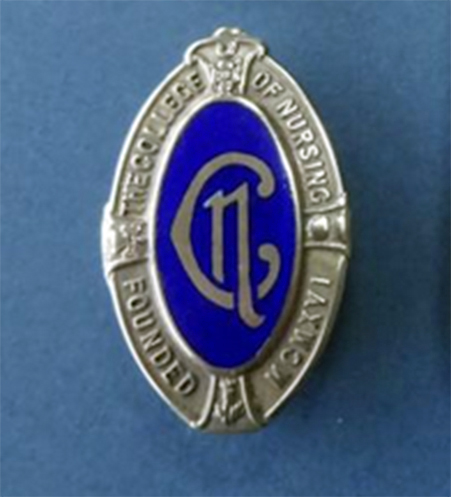
College of Nursing Badge. Source: Peter's Nursing Collectibles

College of Nursing Badge. Source: Peter’s Nursing Collectibles

Although a pioneer in her own right, Ethel Gordon Fenwick was not alone, and other institutional bodies were set up to push forward registration and standards, often in competition with one another.  These different bodies were eventually superseded in 1919 when the Nurses Registration Act was passed and the College of Nursing was established, and the registration of nurses began on 30th September 1921, entitling nurses to refer to themselves as State Registered Nurses (SRNs).  Ethel Gordon Fenwick signed the register in that year, becoming the first SRN. This new institution continued the tradition of issuing a badge, which had the initials CN surrounded by the motto “The College of Nursing founded MCMXVI,” accompanied by the emblematic flora of the four nations.  It was updated a number of times, notably in 1946 when it was provided with the motto Tradimus Lampada, “We pass on the torch,” a reference to Florence Nightingale and her pioneering work to establish standards in patient care.

Nurses’ badges, which began to be awarded after the middle of the 19th century displayed affiliation to a value system, an ideology, a profession and an institution, whilst at the same time providing a sense of personal achievement and pride.  They were also, much like military and ecclesiastical training awards, part of the process of ensuring that nurses adopted not only practical methodologies and procedures, but also particular patterns of behaviour and responsibilities.  The messages incorporated into these badges were not only recognized by other health professionals but also provided reassurance to patients and their families. For women, always the minority in professional life up until the mid 20th century, it was an important indication of their increasingly important roles and skills in a medical environment.

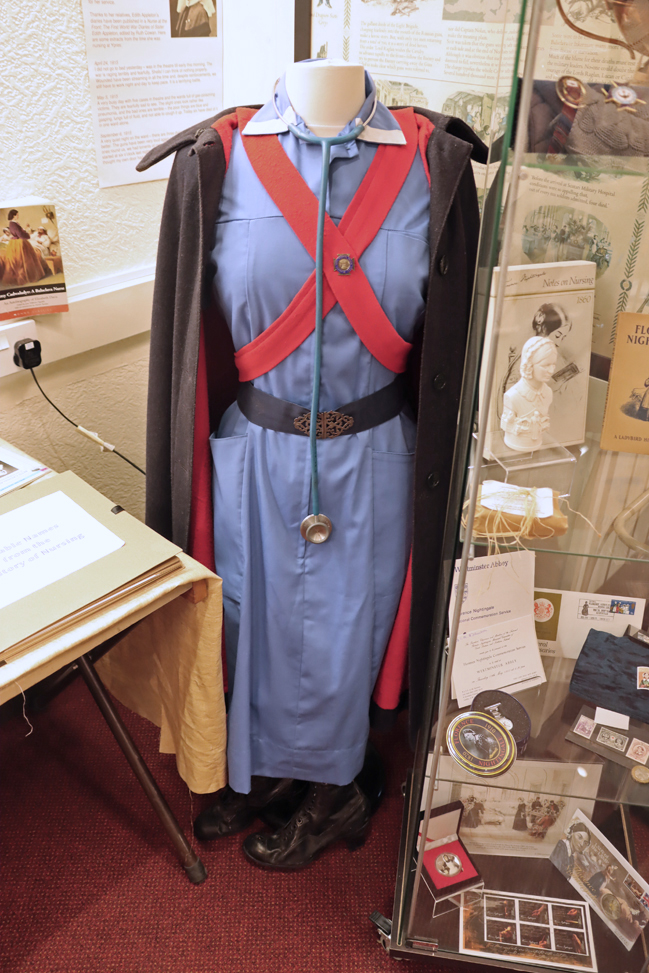
Nurse's uniform on display at the Riverside Museum, Chester

Nurse’s uniform on display at the Riverside Museum, Chester

Although by the later 19th century badges of honour and office were already popular, they  acquired a new momentum as different segments of society began to recognize the importance of conforming to agreed professional standards at work.  Nurses’ uniforms and badges were developed side by side with growing professional standards and the recognition that nurses, delivering hands-on care, required training, examination, and qualifications to ensure that the ever changing medical advances were incorporated into the daily routines of the hospital wards.  The development of recognized formal standards and the uniforms and badges that indicated them, gave nursing a new sense of its own professional integrity, and value to society.  Nursing badges were adopted by both the state, to recognize national awards, and by individual hospitals to recognize the achievements of their own nurses who had been trained according to that establishment’s own standards and specializations.  This introduced some competition between hospitals, as some establishments became more prestigious than others, and issuing badges was a way of attracting nurses who wished to share in that prestige.

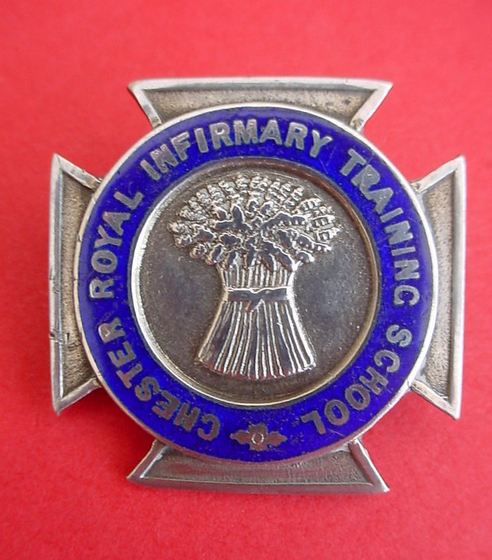
Chester Royal Infirmary Training School. Source: Peter's Nursing Collectibles

Chester Royal Infirmary Training School, combining the Maltese Cross with the wheat sheaf of Chester. Source: Peter’s Nursing Collectibles

State badges were eventually standardized.  In 1919 the Nurses Registration Act introduced a single badge for all nurses who qualified, and continued to be a valuable part of a nurse’s uniform for over 70 years.  Individual hospital badges continued to be far more eclectic and there are hundreds of styles and shapes of individual hospital badges.  There was often a “pinning of the badge” ceremony to mark the transition of a nurse when she had finished her training or passed certain examinations, associating the badge with a sense of ceremony and occasion.

Themes represented on British badges were very varied.  Some early examples were based on the Maltese Cross emblem of the Knights of St John.  Others had Christian imagery to reflect the nurture, care and charitable character of nursing.  Some had heraldic themes.  Lamps, referencing Florence Nightingale, were popular.  The Rod of Aesculapius is a recurring emblem.

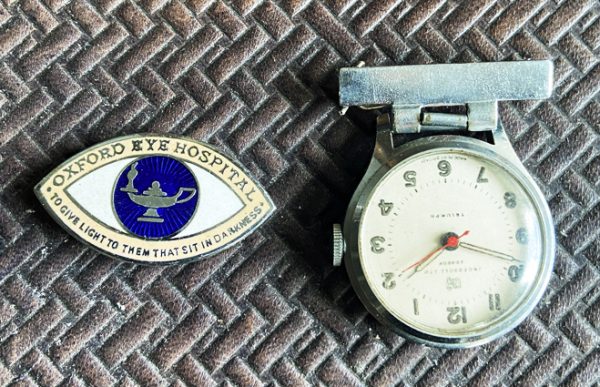
My mother's Oxford Eye Hospital badge

My mother’s Oxford Eye Hospital badge, in the shape of an eye with the emblem in the eye’s pupil, together with her fob watch

Specialist institutions might have imagery showing the nature of the specialization; images of mother-and-child were popular with midwifery, for example.   Some simply displayed initials of the institution.  Many included a motto around the edge or on the cross-bar.  My mother became an ophthalmic nurse at the Oxford Eye Hospital after leaving school, and I still have her nurse’s badge, shown here, in the shape of a human eye with the image of a lamp symbolizing Florence Nightingale at its centre, in the pupil of the eye. The motto that sits along the base of the badge reads “To give light to them that sit in darkness.”

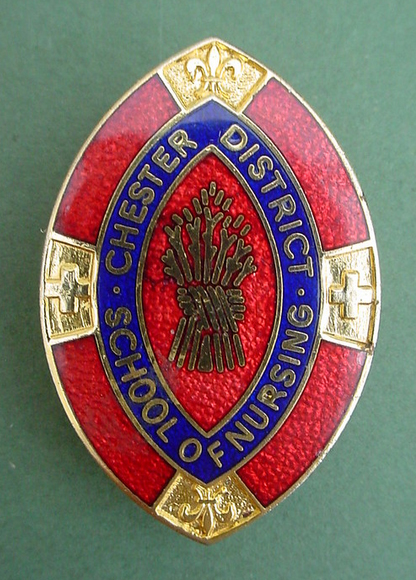
Chester District School of Nursing. Source: Peter's Nursing Collectibles

Chester District School of Nursing. Source: Peter’s Nursing Collectibles

In Chester hospitals, the wheat sheaves first associated with the 5th Earl of Chester from the 12th century were popular, such as that from the Chester School of District Nursing shown left and the Chester Royal Infirmary Training School above.  

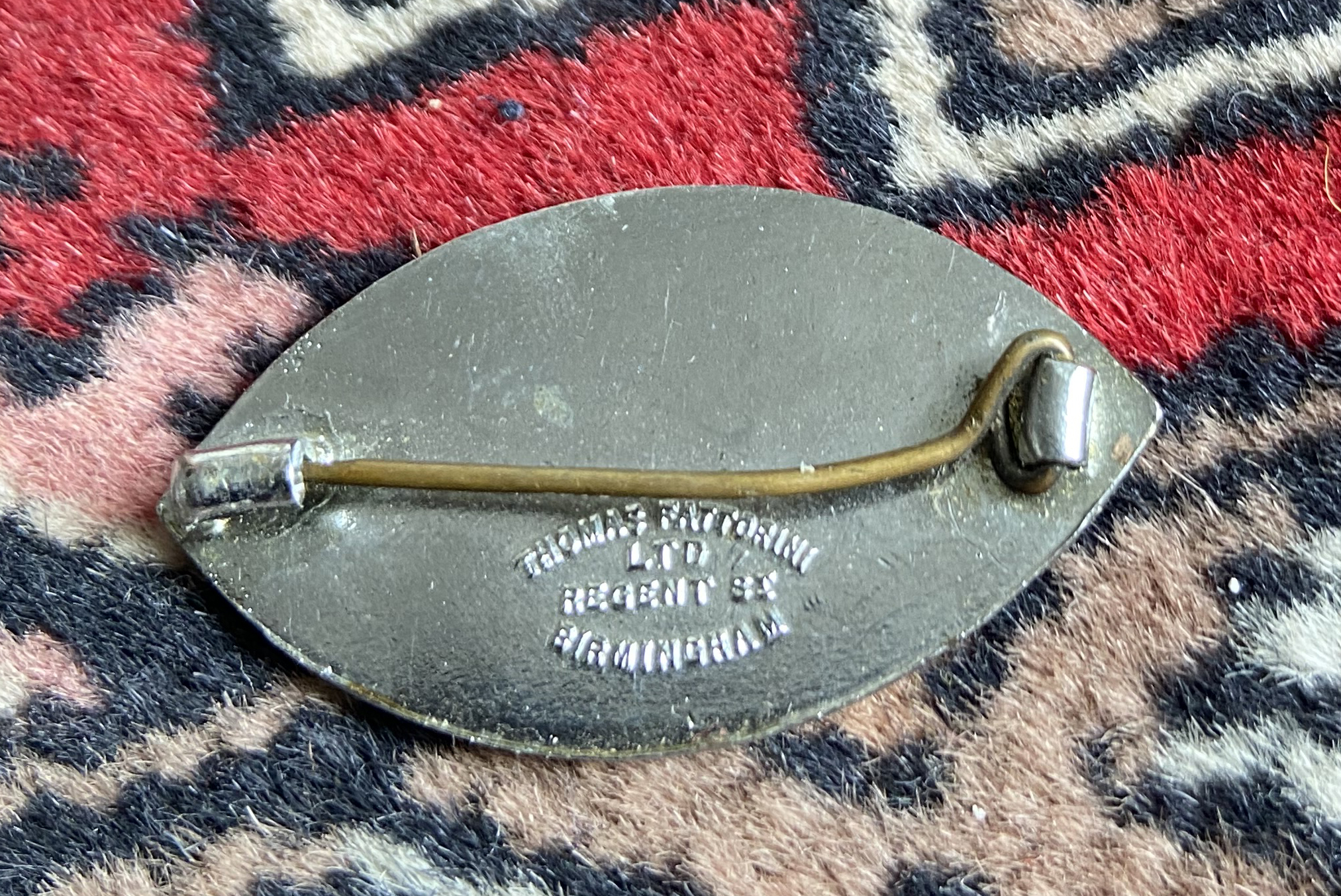
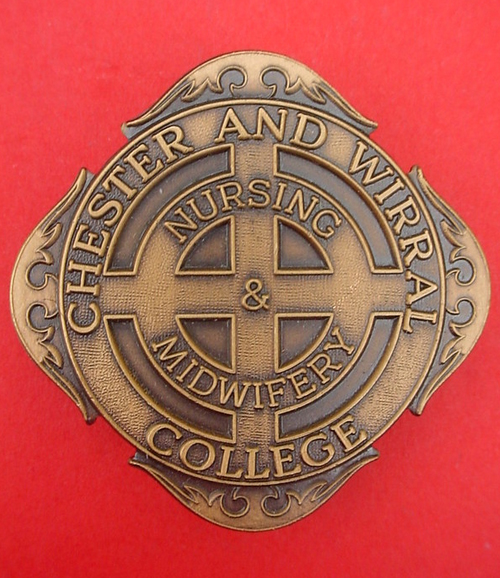
In the 20th century the principal manufacturer of nurses’ badges was Thomas Fattorini, in Birmingham.  It is estimated that around 400 different UK nurses badge designs were produced in the 1970s and 80s alone.  State badges ceased to be issued in 1983 when statutory bodies were reorganized under a central council. The tradition of issuing hospital badges also began to go into decline when the shift was made from hospital-based training to nursing colleges. Nurses’ badges are now, however, very popular with collectors so although they are now more matters of heritage than ongoing relevance, their survival seems secure.
xxx

The reverse side of a Fattorini Badge from Oxford Eye Hospital

The reverse side of a Thomas Fattorini Badge made for Oxford Eye Hospital


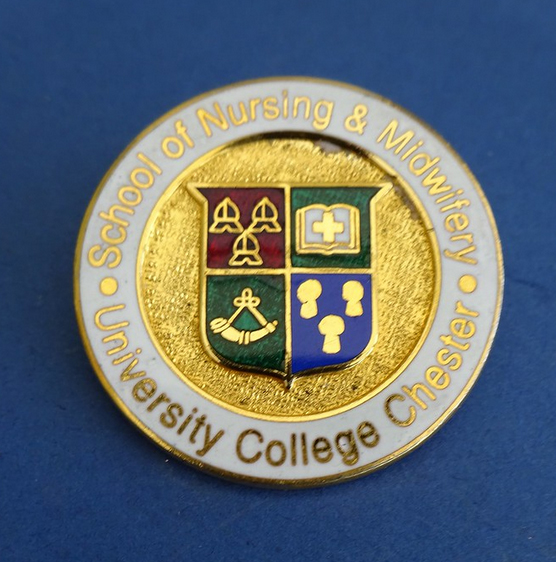
School of Nursing and Midwifery, Chester. Source: Peter's Nursing Collectibles.

School of Nursing and Midwifery, Chester. Source: Peter’s Nursing Collectibles.

In conclusion, the professionalization of nursing and the recognition of nurses’ achievements was aided by the deployment of uniforms and badges that indicated the role of the women who wore them, and later men too.  These uniforms and badges reflected social reform in which the growing recognition of the role of women outside the home and beyond the menial were increasingly recognized. The badges visibly demonstrated qualifications and abilities to their patients, their colleagues, their managing institutions and to society as a whole, creating a framework of recognition and respect.  Perhaps just as importantly it provided the nurses who earned them with a sense of status and self-worth.  The badge was not something that a nurse simply wore, but an emblem of honour and achievement indicating a personal commitment and attitude to a vocation involving both practical and book learning in which she not merely participated but in which she had been tested and at which she had excelled.

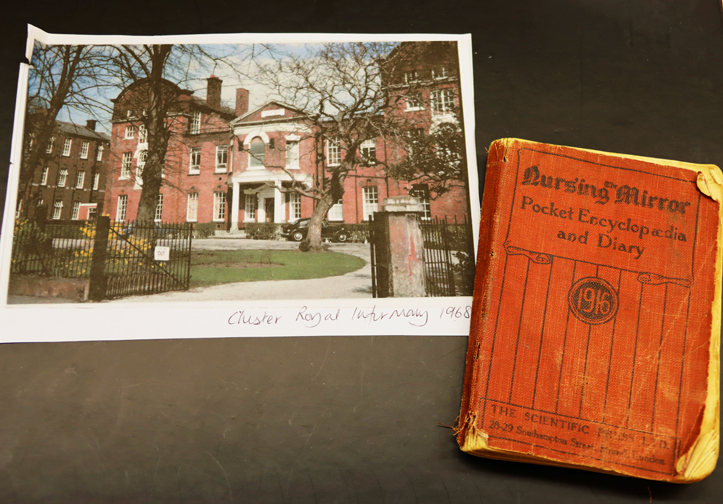
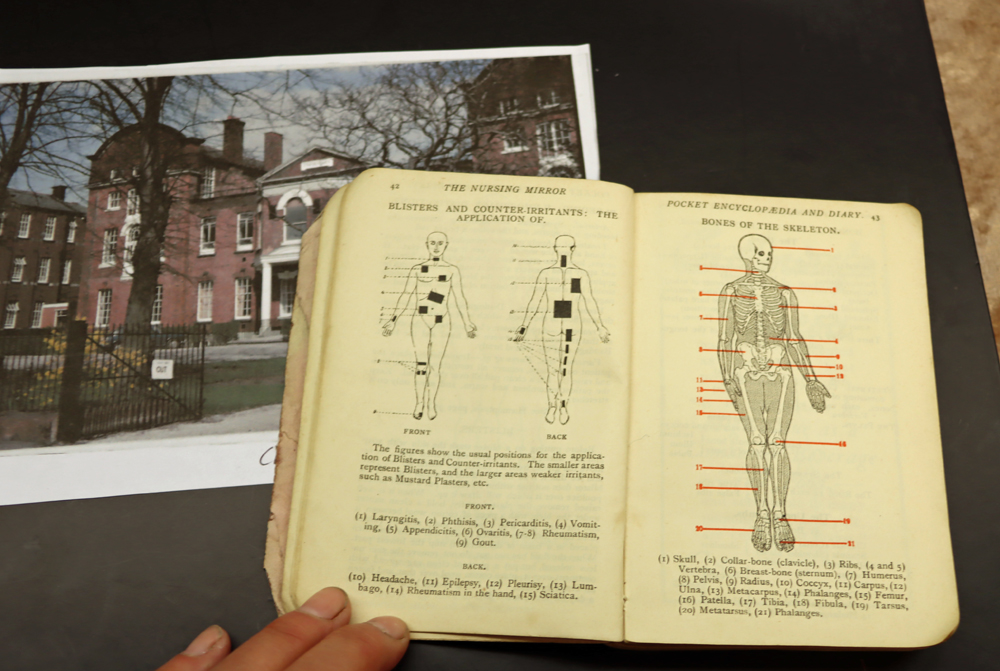
Photograph of the Chester Royal Infirmary in 1968, together with The Nursing Mirror Pocket Encyclopaedia and Diary. Riverside Museum, Chester.

Photograph of the Chester Royal Infirmary in 1968, together with The Nursing Mirror Pocket Encyclopaedia and Diary. Riverside Museum, Chester.

I have referred to nurses throughout this short piece as female, as most nursers were, for most of nursing history.  In mental health institutions male attendants were an absolute necessity for their physical strength rather than their medical skills, working alongside female nurses, but from the mid-19th century, and particularly during the two World Wars, men were serving as medics in first aid and nursing capacities in the military, as part of the Royal Army Medical Corps (RAMC), often at the front lines.  Legal recognition for male nurses in Britain occurred in 1919 with the introduction of the Nurse Registration Act; the first male State Registered Nurses (SRNs) were registered in 1922.  The first male SRN was George Dunn of Liverpool who had trained in the RAMC.

The Riverside Museum

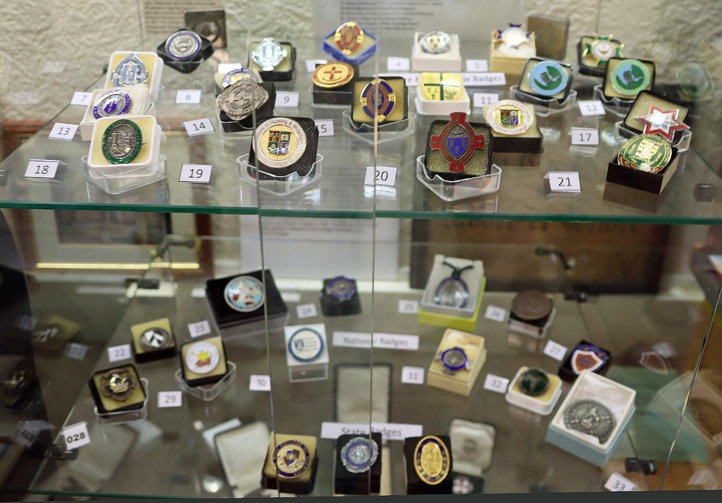
Nurses' badges at the Riverside Museum, Wheeler Building, Chester

Nurses’ badges at the Riverside Museum, Wheeler Building, Chester

The Riverside Museum in Chester contains a rich assortment of items that relate to medicine, nursing, midwifery and related health services. In one display cabinet there are numerous nursing badges. They all come from Chester, the Wirral and elsewhere in the region, and they are all different shapes, sizes and colours with different motifs.  Based on the model of military uniforms and medals, the nurses’ uniforms and state-awarded badges were intended to identify nurses as fully trained and qualified health professionals.  Other badges additionally identified specific hospitals and specializations.  The emblems, badges and uniforms formed a symbolic representation of skill, status and role within the healthcare community.

Riverside Museum

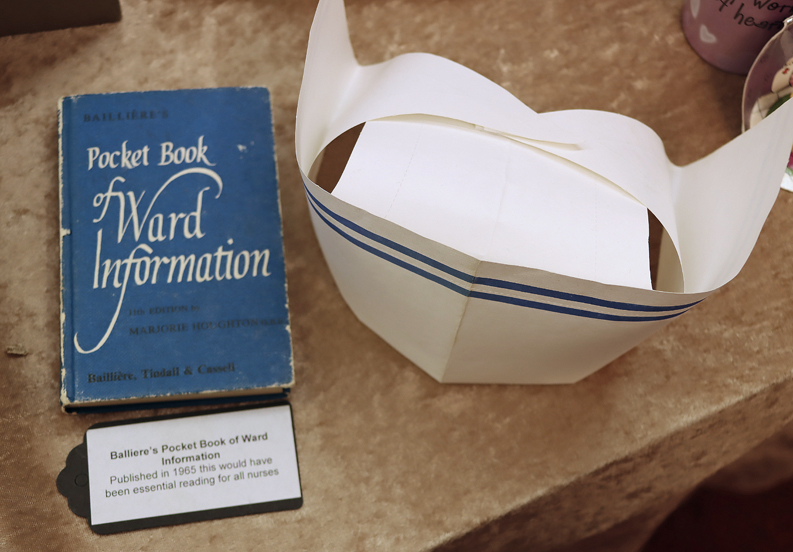
What is clear from the Riverside Museum is that as well as badges and uniforms, nurses had a plethora of written material to support them – pamphlets, handbooks, mini encyclopaedias and, later, textbooks.  As well as used as training materials, they continued to be valuable for reference on the job, and new volumes helped to keep nurses up to date with the latest techniques and practices.  These demonstrate not merely the standard that the nurses reached, but also the commitment to ongoing improvement.

If you have not heard of the Riverside Museum, it is probably because of its opening times.  The museum is run by volunteers and its opening times are confined to once a month during term time, and on certain days during the Chester Heritage Festival and the Festival of Ideas.  You can find their opening times for 2026 here.

School of Nursing and Midwifery. University College Chester.

School of Nursing and Midwifery. University College Chester. Source: Peter’s Nursing Collectibles.

Do note that the opening times usually coincide with a free lecture series organized by the Faculty of Health, Medicine and Society Historical Society, also listed on the link above.  These lectures are excellent, and it is well worth planning to combine a visit to the museum with attendance of a lecture.  The Museum also accepts group bookings for six or more people by arrangement.  The museum is located in the Wheeler Building, which was the former County Hall, the Cheshire County Council headquarters building. It sits on the northern bank of the Dee between the 14th century Old Chester Bridge and the 1832 Grosvenor bridge, overlooking the river. A map is available at the bottom of the Wheeler Building’s web page here.

Many and sincere thanks are owed to Peter Maleczek for giving me permission to use the images from his website Peter’s Nursing Collectables at https://petersnursingcollectables.com/home.php  and his Flickr page at https://www.flickr.com/search/?user_id=36611823%40N07&sort=date-taken-desc&view_all=1&text=chester


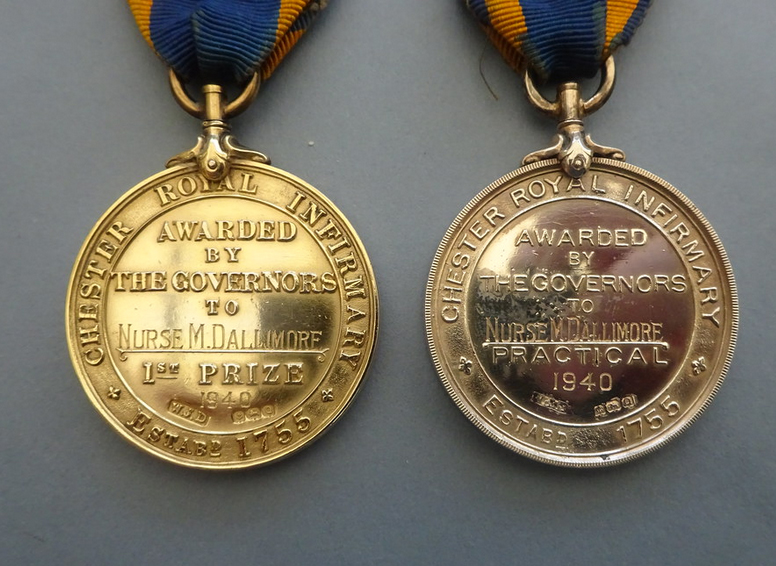
Chester Royal Infirmary, both engraved to Nurse M. Dallimore.  Source: Peter's Nursing Collectibles

Chester Royal Infirmary prize medals, both engraved to Nurse M. Dallimore in 1940.  Source: Peter’s Nursing Collectibles

Sources:

Books and Papers

Barrow, J.S., J.D. Herson, A.H. Lawes, P.J. Riden, M.V. J. Seaborne 2005.  Local government and public services: Medical services.  In A.T. Thacker and C.P. Lewis (eds.) A History of the County of Chester: Volume 5 Part 2, the City of Chester: Culture, Buildings, Institutions. British History Online
https://www.british-history.ac.uk/vch/ches/vol5/pt2/pp49-58 

Bates, Christian 2010. Looking closely: Material and visual approaches to the nurse’s uniform.  Nursing History Review vol.18, p.167-88
https://www.proquest.com/docview/207237406?sourcetype=Scholarly%20Journals

Callander-Green, Stephen 2001.  Nurses’ Badges: Archaic Symbols or Icons of Nursing? International History of Nursing Journal, vol.6, iss.2, p.71
https://www.proquest.com/docview/218742979?pq-origsite=gscholar&fromopenview=true&sourcetype=Scholarly%20Journals

Carrington, P. 1994.  Chester. Batsford / English Heritage

Catanzaro, Ana Maria 2002. Beyond the Misapprehension of Nursing Rituals.  Nursing Forum, vol.37, No.2, April-June 2002, p.17-27
https://onlinelibrary.wiley.com/doi/abs/10.1111/j.1744-6198.2002.tb01194.x

Edelweiss, James 1992, 2009. Collecting Nursing History 6. Pictorial History –  Collecting Nursing Badges. School of Nursing.
https://www.schoolsofnursing.co.uk/Articles/EdelweisJBA1.htm

Laughton, Jane 2008. Life in a Late Medieval City. Chester 1275-1520. Windgather Press

Mason, David 2001, 2007 (2nd edition). Roman Chester. City of the Eagles. Tempus

Richardson, Harriet (ed.) 1998. English Hospitals 1660-1948. Royal Commission on the Historical Monuments of England

Risse, Guenter B. 1999. Chapter 1. Collective Care of Soldiers and Slaves: Roman Valetudinaria. In (ed.) Guenter B. Risse. Mending Bodies, Saving Souls: A History of Hospitals. Oxford University Press
https://www.researchgate.net/publication/273441350_Collective_Care_of_Soldiers_and_Slaves_Roman_Valetudinaria

Strickland, Tim 1982.  Chester. Current Archaeology 84, vol. 8, no.1, October 1982, p.6-12

Thacker, Alan 1995.  The reuse of the monastic buildings at Chester, 1540-1640. Transactions of the Historic Society of Lancashire and Cheshire, vol. 145 (1995), p.21-43.
https://hslc.org.uk/wp-content/uploads/2017/05/145-3-Thacker.pdf

Wildman, Stuart 2020.  Nursing history: the first male nurses: Who were the first male nurses? Royal College of Nursing Magazine, April 29th 2020
https://www.rcn.org.uk/magazines/History/2020/Nursing-History-Now-first-men-nurses-on-register

Wildman, Stuart 2023. What’s On a Badge? Using material culture to illustrate the professionalism of nursing. Bulletin of the UKAHN, vol.11 (1)
https://bulletin.ukahn.org/whats-on-a-badge-using-material-culture-to-illustrate-the-professionalization-of-nursing/

Websites

Based in Churton
The Cheshire Lunatic Asylum 1854-1870 – Part 2.1
https://wp.me/pcZwQK-6oU
The Cheshire Lunatic Asylum 1854-1870 – Part 2.2
https://wp.me/pcZwQK-7ts

Roman Inscriptions in Britain
RIB 461 and RIB 3151
https://romaninscriptionsofbritain.org/inscriptions/3151

School of Nursing
Sue Sullivan. Collecting Nursing History – Nursing Badge Design.
http://www.schoolsofnursing.co.uk/Articles/Badgedesignx.htm


The Nursing Mirror Pocket Encylopaedia and Diary

Pages from the Nursing Mirror Pocket Encyclopaedia and Diary. Riverside Museum, Chester

Hillforts and amazing views – and why is there an Egyptian temple on the top of Moel Famau?

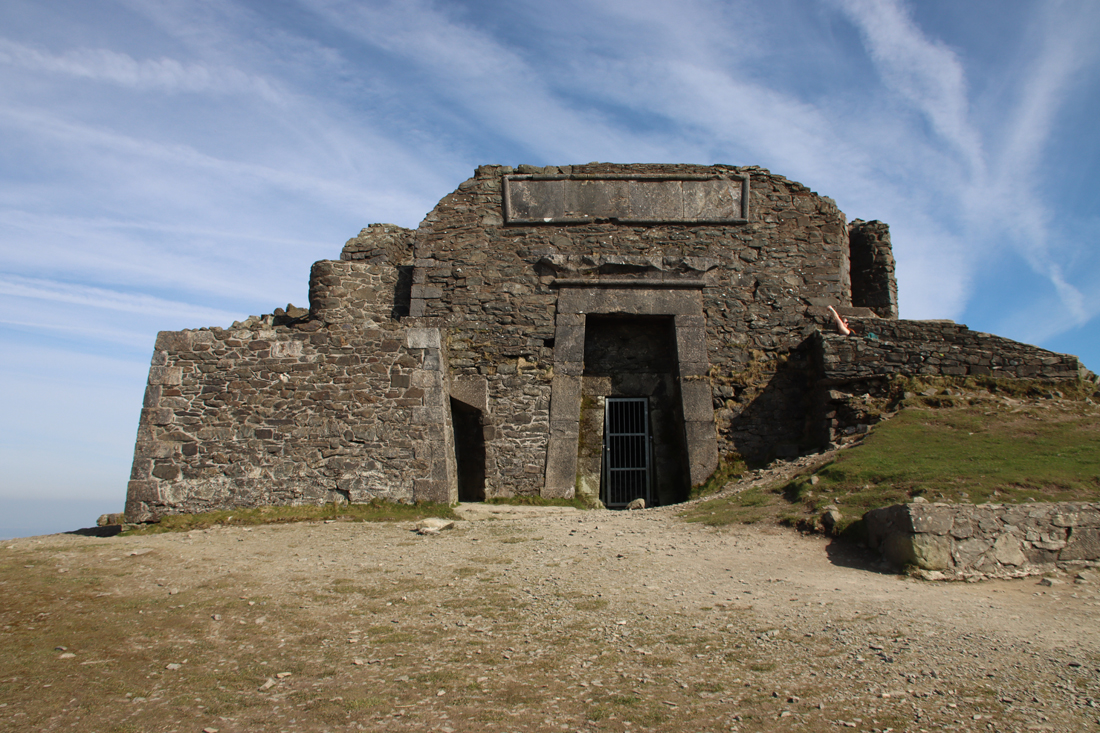
The Jubilee Tower

The Jubilee Tower

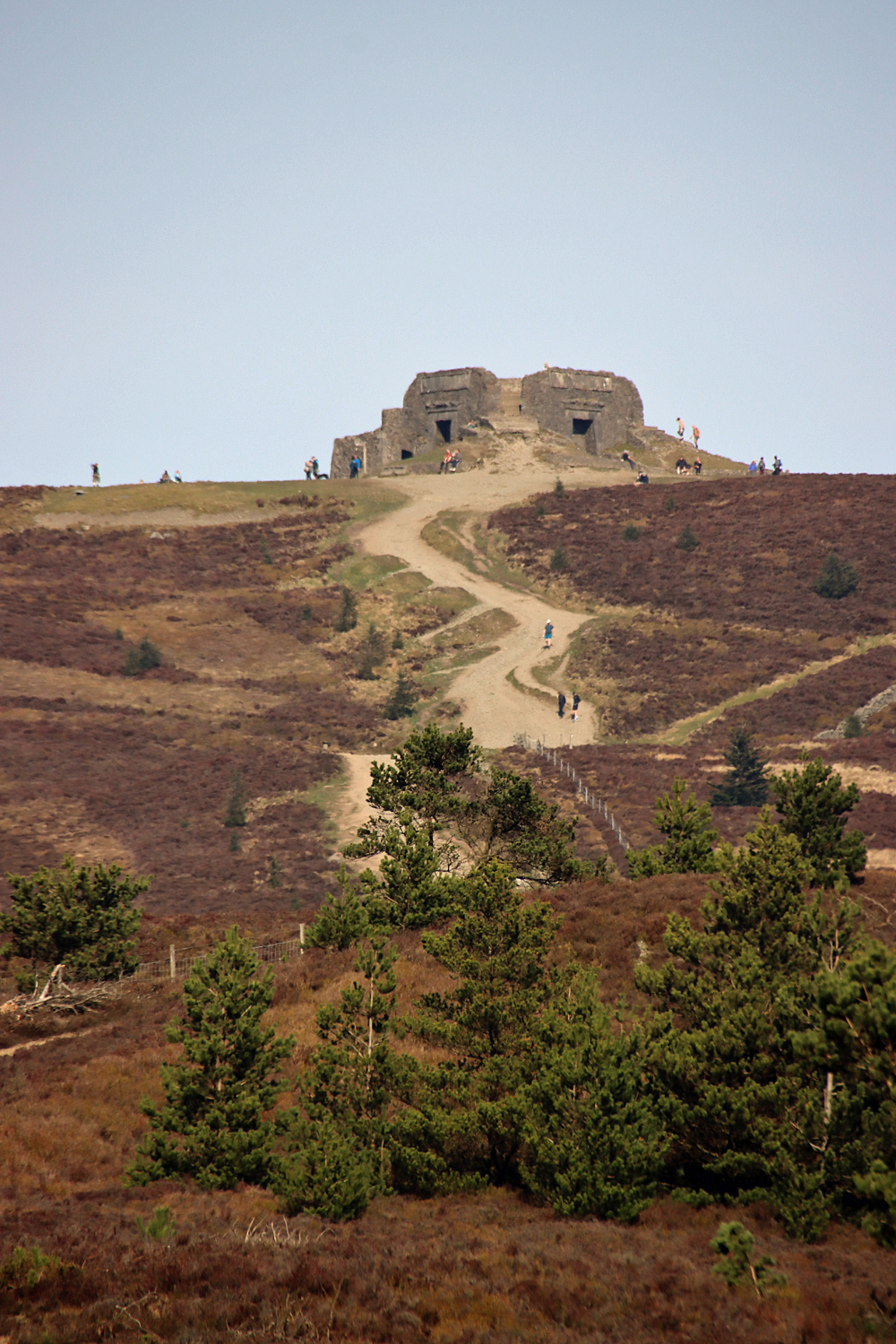
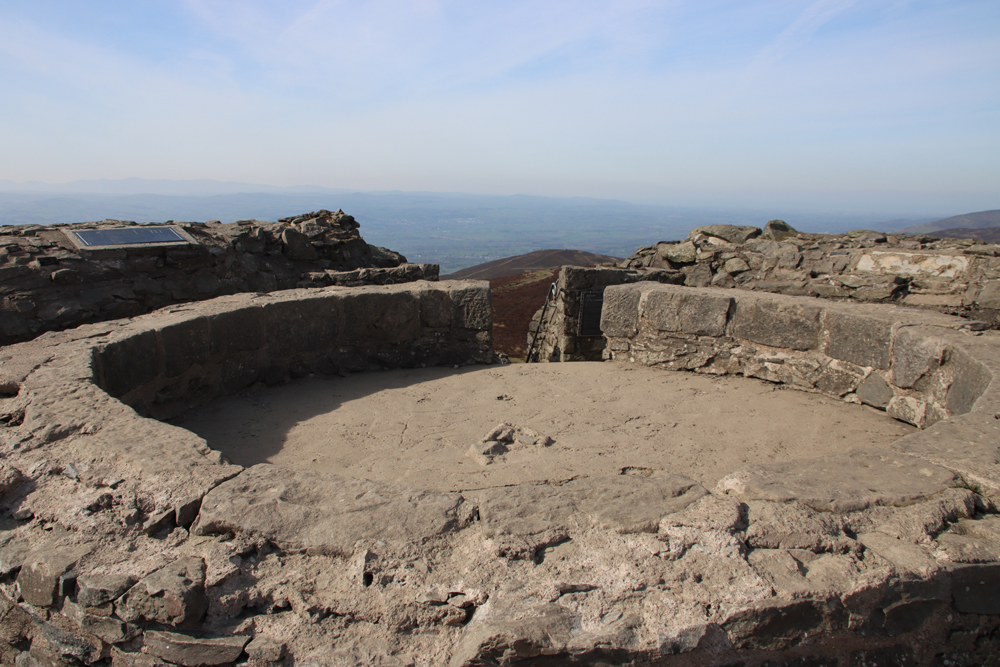
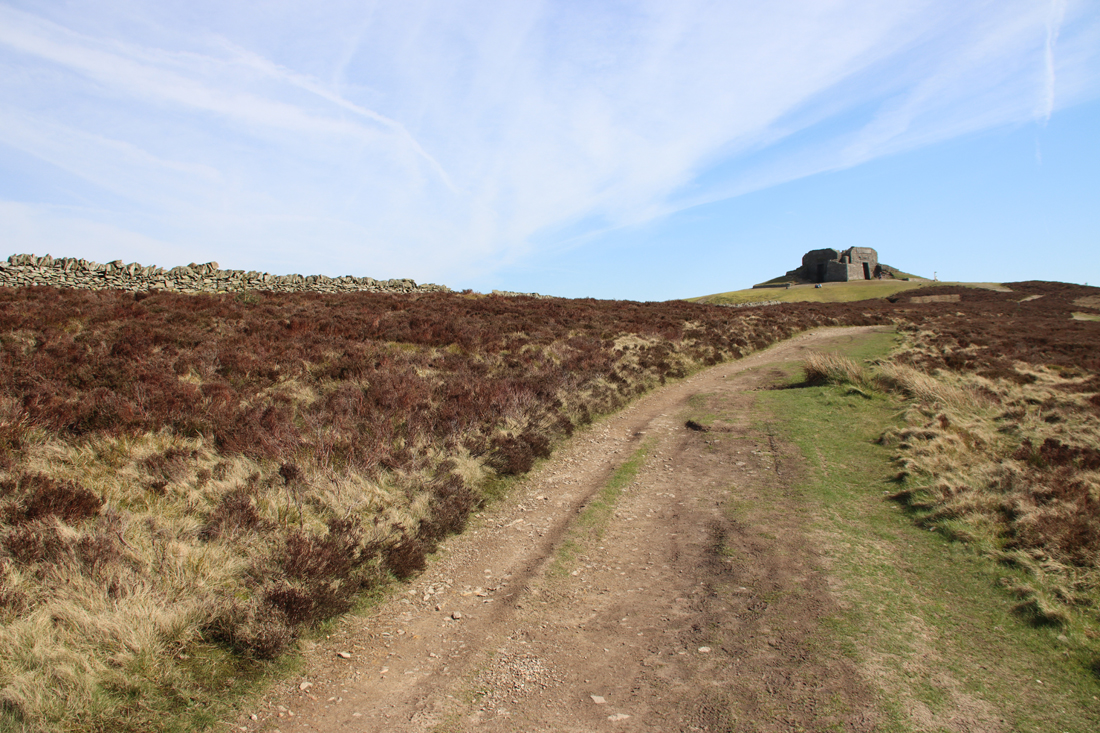
It was something of a surprise when I walked up to the top of Moel Famau during the week and found myself face to face with a building that was clearly based on an ancient Egyptian temple, the Grade II listed Jubilee Tower.  People talk about the views, the hillforts, the heather, the bilberries and the bird life, but no-one had mentioned that there was a rather unexpected slice of Egyptomania on the peak.  One would certainly, thankfully, not be permitted to build on a national beauty spot these days, but I suppose that it could be a lot worse, like the hideous, overpriced café on Snowdon.  The Jubilee Tower is not elegant, it is not authentic, and it is anything but pretty, but it did make me smile, and other walkers were clearly enjoying it too.  Heritage comes in various forms, some of them most unexpected.  The Egyptian Revival produced some splendid buildings and monuments, and although this one is not amongst the most accomplished, its location singles it out as a fairly remarkable example, a genuine curiosity.


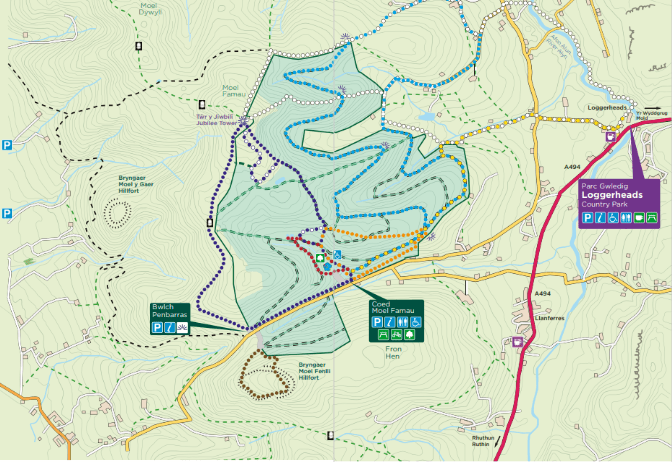
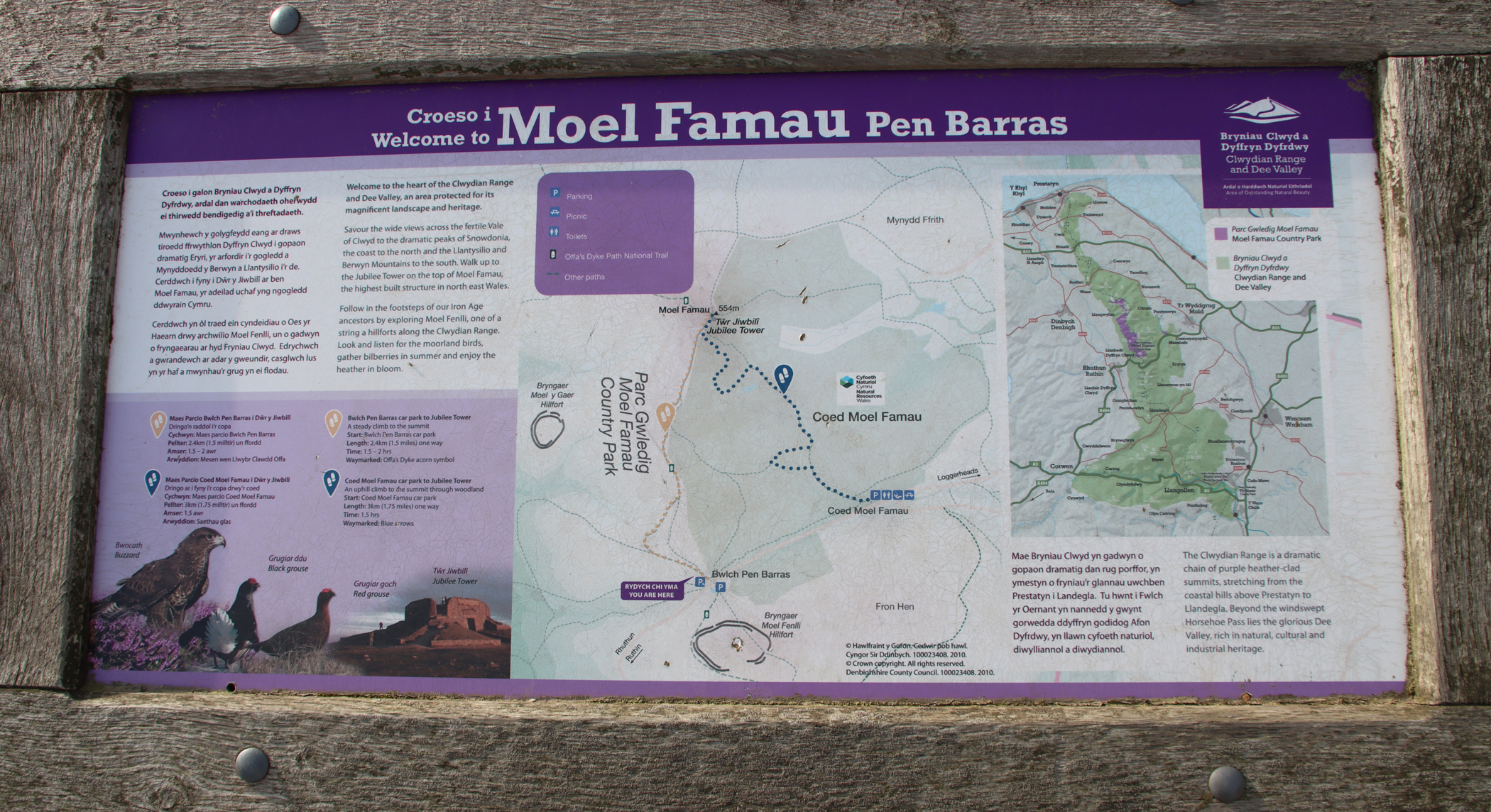
Map of Moel Famau footpaths

Map of Moel Famau footpaths, as well as the locations of Moel y Gaer and Foel Fenlli hillforts. Source: Nearly Uphill

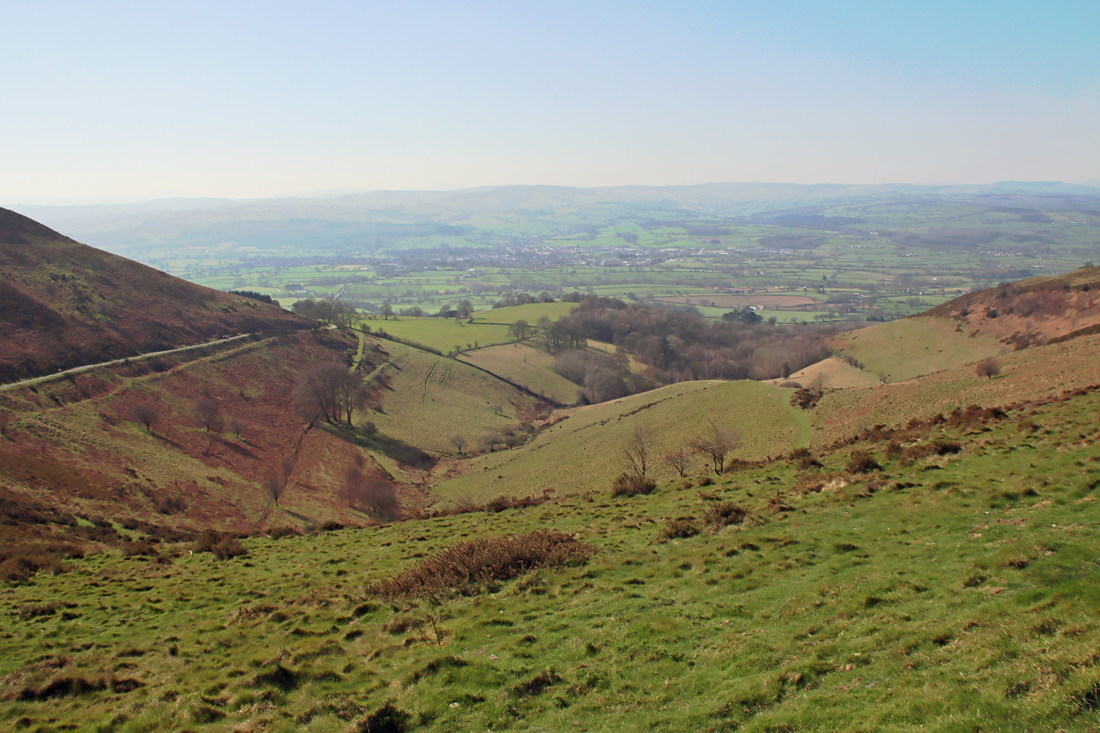
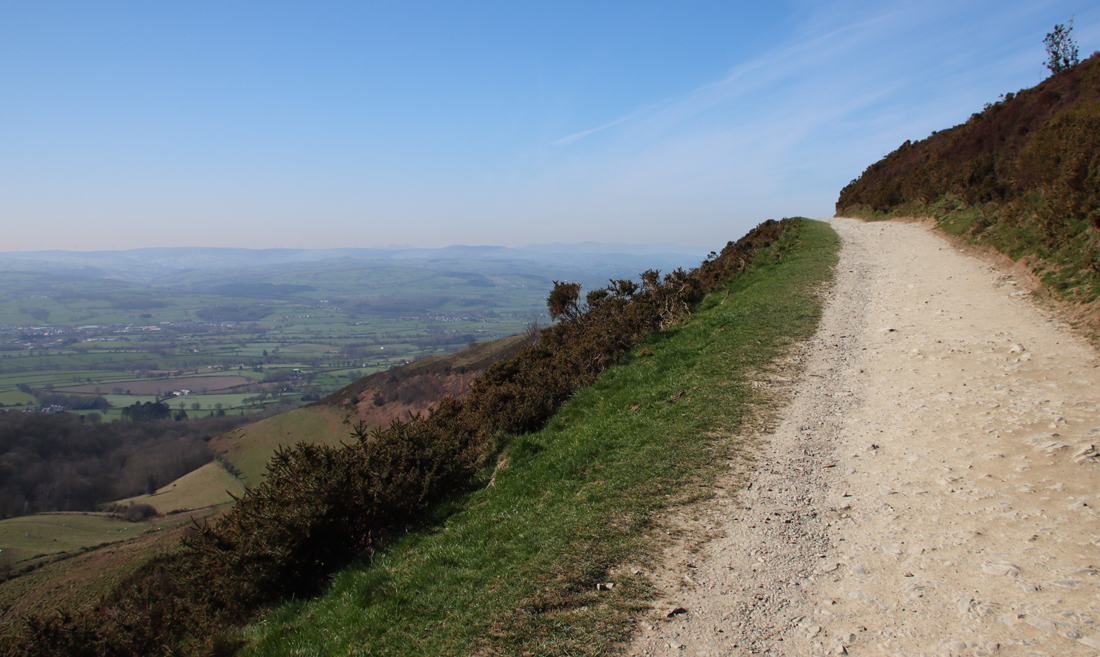
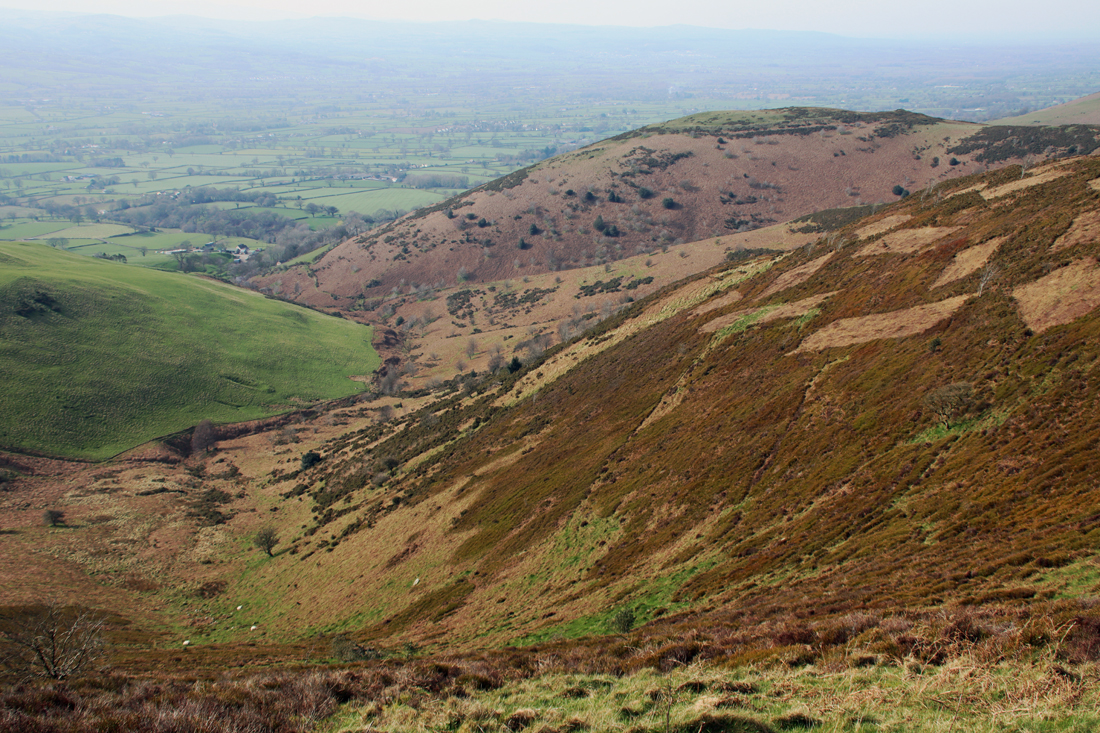
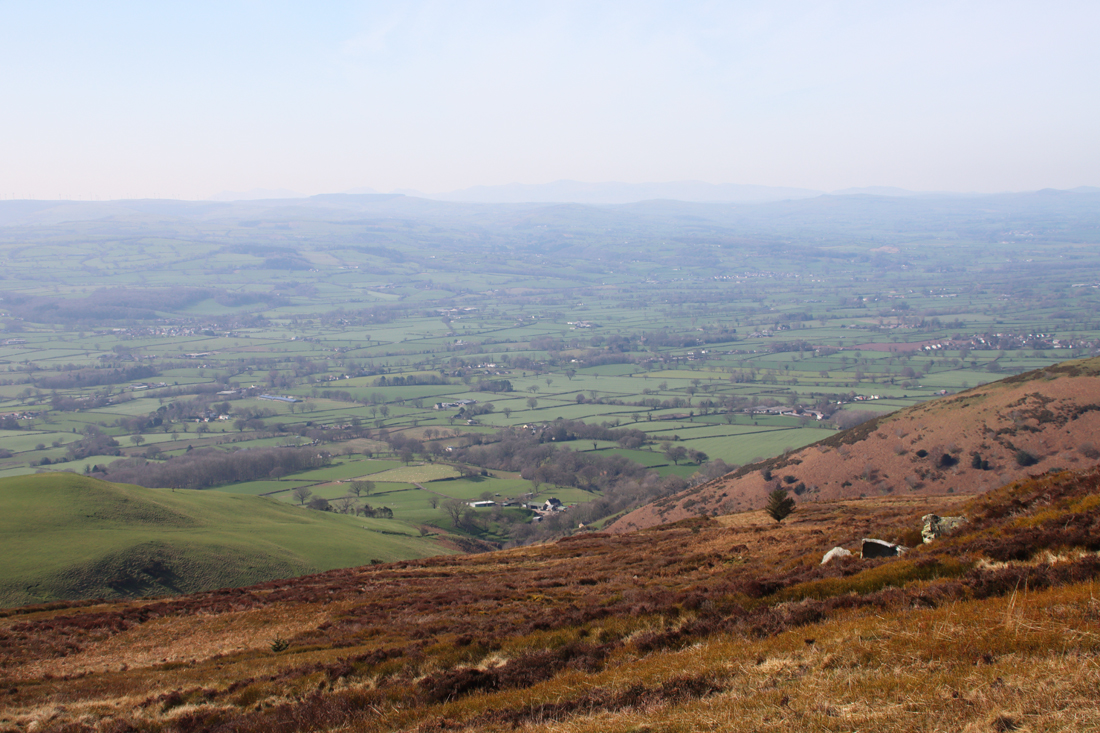
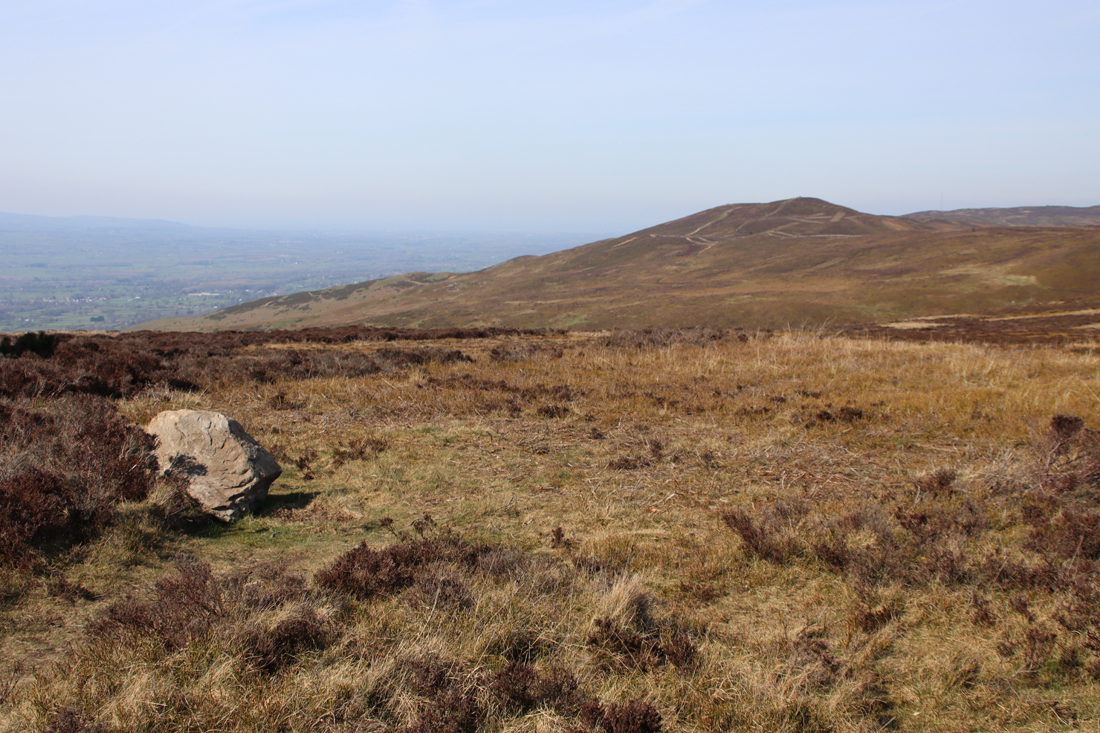
Moel Famau, on the Clwydian Range, is lovely.  It is the highest peak on the Clwydians and a very popular destination for hikers and dog walkers alike.  I don’t really remember my first visit, so it was very much like visiting for the first time.  There are a number of different approaches to the peak. I went along the Bwlch Pen Barras road, a pass through the Clwydian Range where there are two official starting points with car parks.  one of which takes you through the coed (wood), but it was far too gloriously sunny to be under cover, which means that that the best starting point was the large amount of lay-by parking (which I believe is free) or the Bwlch Pen Barras car park (payment required) .  The What3Words address for the Bwlch Pen Barras car park is ///hobble.passwords.device.  You are already very high up at this point, with terrific views over the Vale of Clwyd before you even start, and the footpath that I took (the purple track at far left of the above map) provides superb views over the Vale of Clwyd.

The walk, along a wide, well maintained path, starts very gently and for the first 20 minutes or so is very easy.  It becomes much steeper for a fairly short section leading up to the peak, but people of all levels of fitness seemed to be tackling it, some stopping frequently for a breather.  It’s worth that last push because the 360º views are breathtaking.


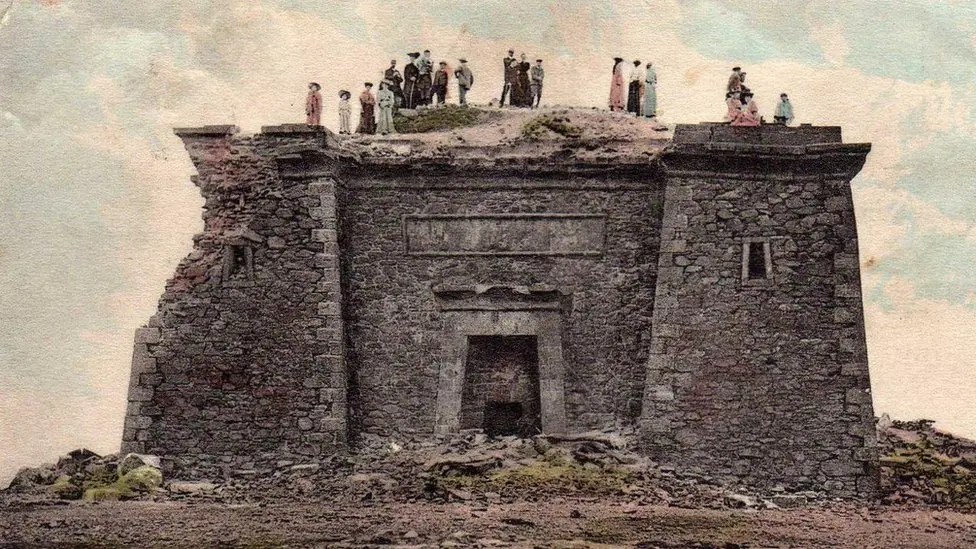
If you climb up the steps to the top of the Egyptian Revival “temple” there are metal plaques explaining the building.  It turns out that what we see today is just the stump of a much more ambitious project, the Jubilee Tower, which included an obelisk.  It was designed by architect Thomas Harrison, and was built to celebrate the Golden Jubilee of George III in 1810, paid for by public subscription, with Flintshire magistrate Lord Kenyon laying the foundation stone in October of that year.  Harrison’s buildings in Chester are far less frivolous, with most of his work in the Neoclassical style, including the Grosvenor Bridge and the Propylaeum (monumental gateway) into Chester Castle and the Neoclassical building that is now owned by the university but was previously occupied by the council as its Shire Hall.  The building materials were taken up by horse and cart. The design of the obelisk was modified during construction, with a shorter and stumpier version being completed in about 1817 after a break in work due to financial difficulties and a dispute between Harrison and the builder. Unfortunately the obelisk soon started to deteriorate, and eventually collapsed in a storm in 1862.  The rest of the structure continued to decay until 1970 when it underwent restoration, and in 2013 it again required significant restoration work.  Here’s the Coflein description of the Jubilee Tower:

The Jubilee Tower in the Edwardian period

The Jubilee Tower in the Edwardian period. Source:  BBC News

The monument now survives as a battered plinth, 12-15m diameter, of roughly coursed rubble stone. Located on a mound which may be artificial. Each face has a central blind doorway of dressed stone, in simple Egyptian style, under a roll-moulded lintel; roughly hewn cornice or hoodmould.  Above these blind openings are broad rectangular panels of dressed freestone with roll-moulded surrounds. The corners of the monument have stone and concrete steps, starting from low square projections, which lead to the centre of the monument. Inside are the circular rubble stone footings of a former higher section of tower, 6m in diameter.  Around the outside of the monument is a renewed retaining wall 0.5-1m high, open at the corners. A plaque reads ‘Cefn Gwlad award 1970’, with Prince of Wales emblems.

The Egyptian Revival followed Napoleon’s invasion of Egypt in 1798.  He took with him over 100 specialists, the “savants,” amongst whom were artists and draughtsmen who recorded the ancient Egyptian temples.

One of the first and very popular books to publish these images was Dominique Vivant-Denon’s “Journeys in Upper and Lower Egypt” published in 1802.  Even before Jean-François Champollion’s translation of hieroglyphs in 1822, and over a century before Howard Carter’s discovery of the tomb of Tutankhamen in 1922, Egypt had wriggled its way firmly into the British imagination.  Even so, I would love to have been at the meeting where plonking a pseudo-Egyptian monument on the top of a remote beauty spot in honour of the king’s jubilee was presented as a such a good idea that people invested in it.


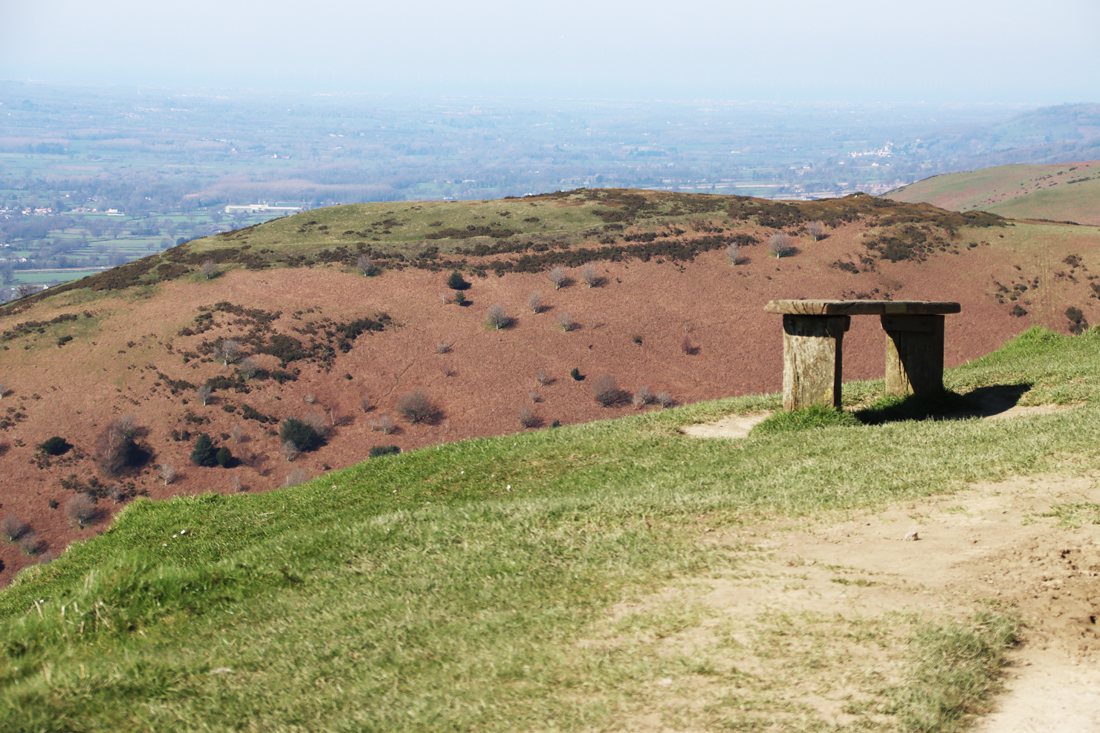
Moel y Gaer hillfort is the green beret on top of the pinkish-brown supr

Also on the top of the temple are plaques showing the names of the hills all around, with Cadair Idris and Snowdonia visible as silvery silhouettes through the slight haze, and the Moel Arthur hillfort next along on the Clwydian Range.

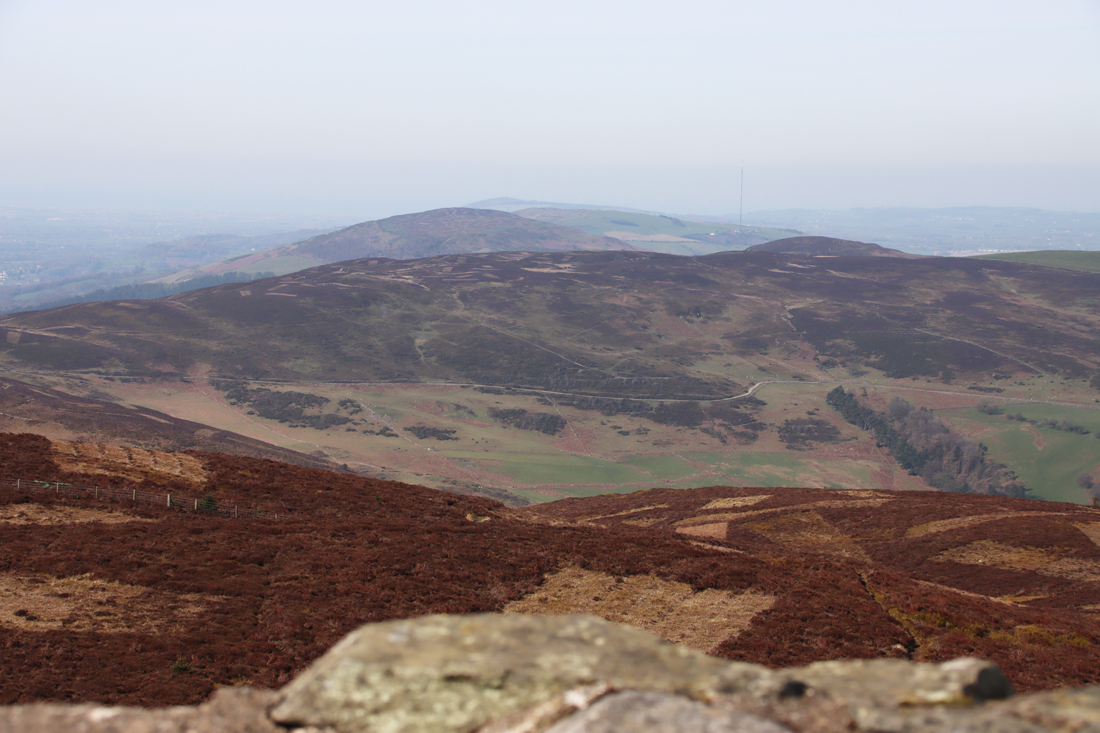
Looking northeast towards Prestatyn across Moel Arthur and Penycloddiau hillforts from the top of Jubilee Tower

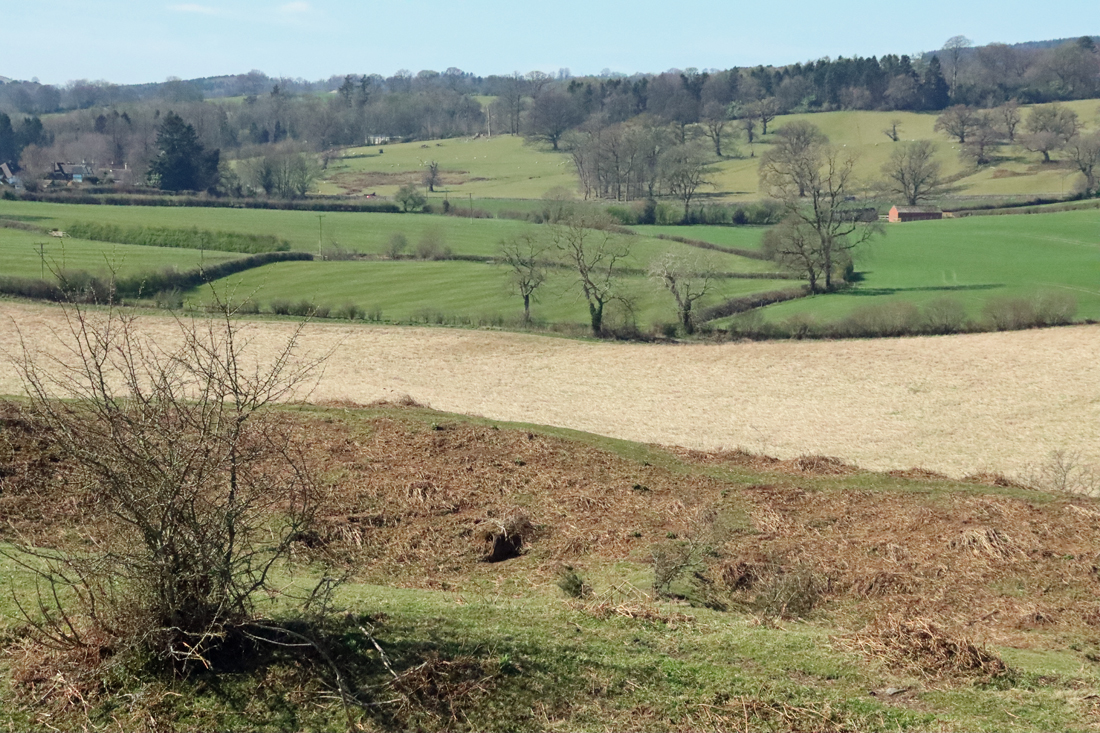
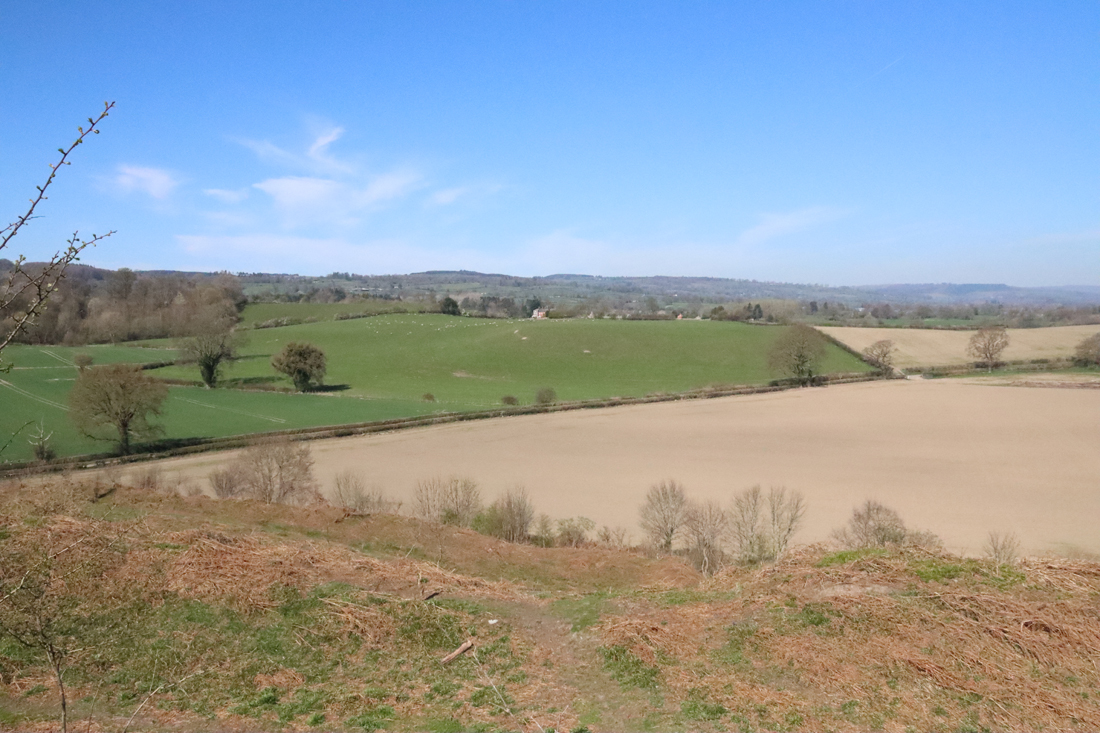
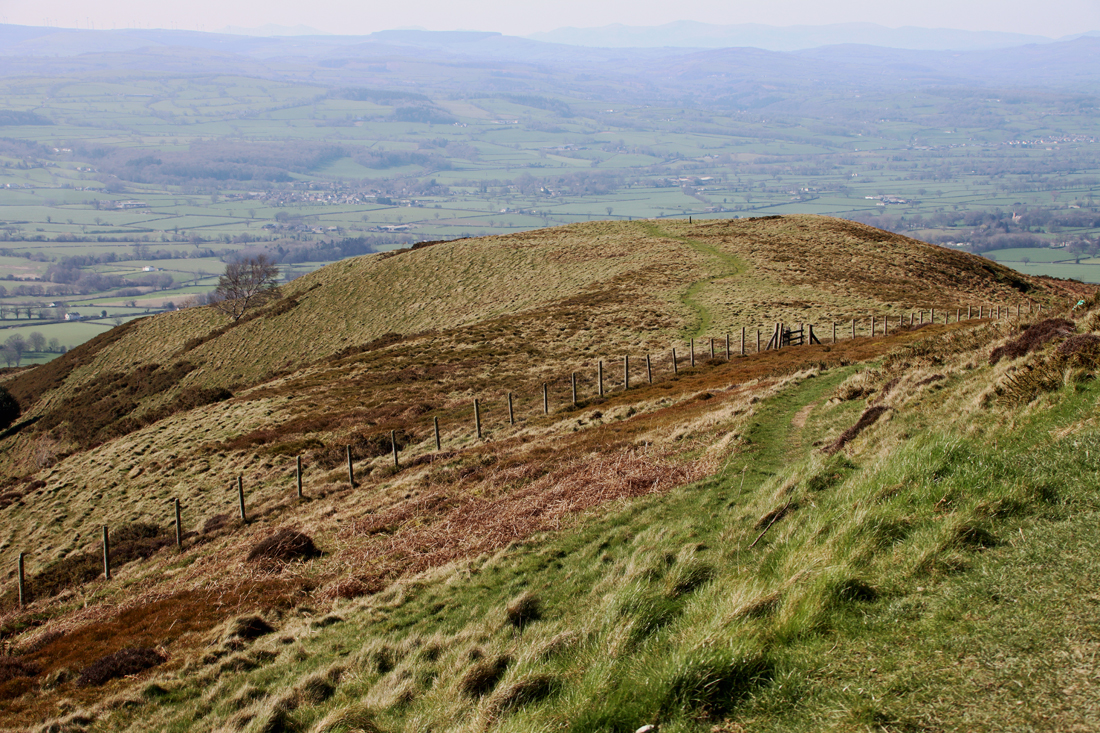
View from the main path to Moel y Gaer hillfort

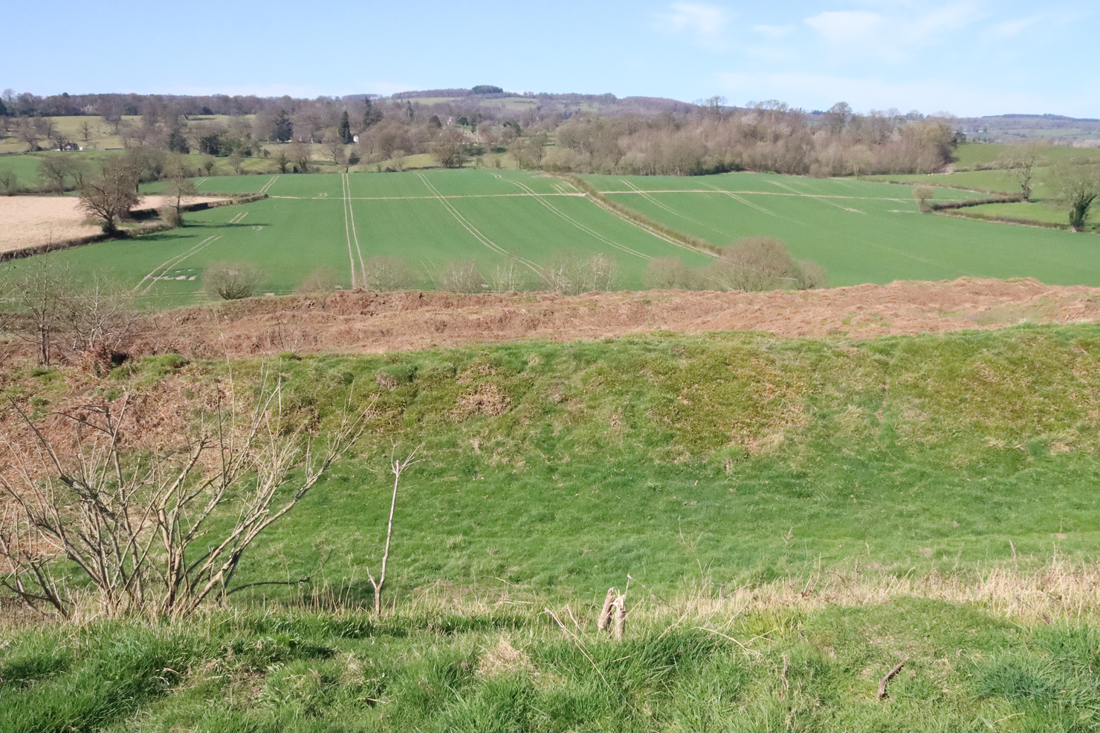
If you are a fan of the Iron Age this is a terrific walk.  The path passes Moel y Gaer, which sits on a spur of the hillside, and is a piece of absolute perfection.  It is not on a public footpath, but it is clearly visible from the main route up Moel Famau.  Its banks and ditches form an elegant tiara, and its position overlooking the Vale of Clwyd is superb.  Once you have reached the peak of Moel Famau, the hill housing the Moel Arthur hillfort is clearly visible, with Penycloddiau beyond.  Foel Fenlli is a walk in its own right, but it is an important part of the walk back down from Moel Famau, because its vast banks and ditches are clearly outlined against a bright sky, yelling its late prehistoric credentials, a far more aggressive and prominent statement than Moel y Gaer.

Impressive fortifications of Foel Fenlli

The impressive fortifications of Foel Fenlli, as seen from the Moel y Gaer path

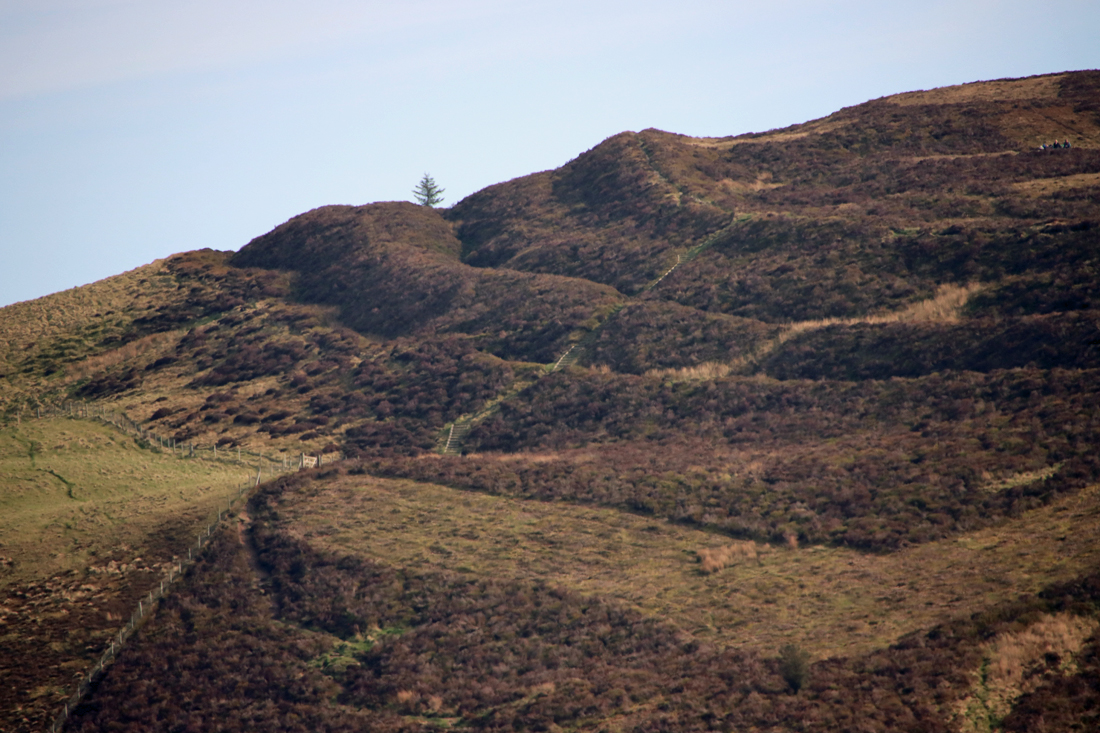
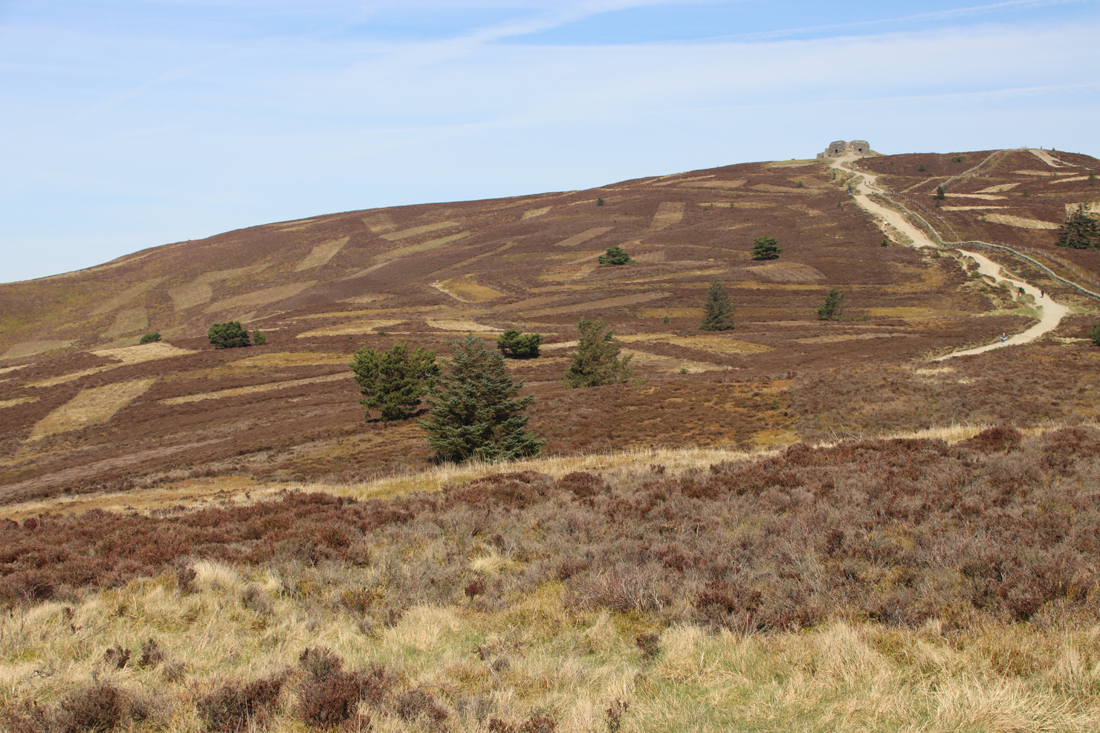
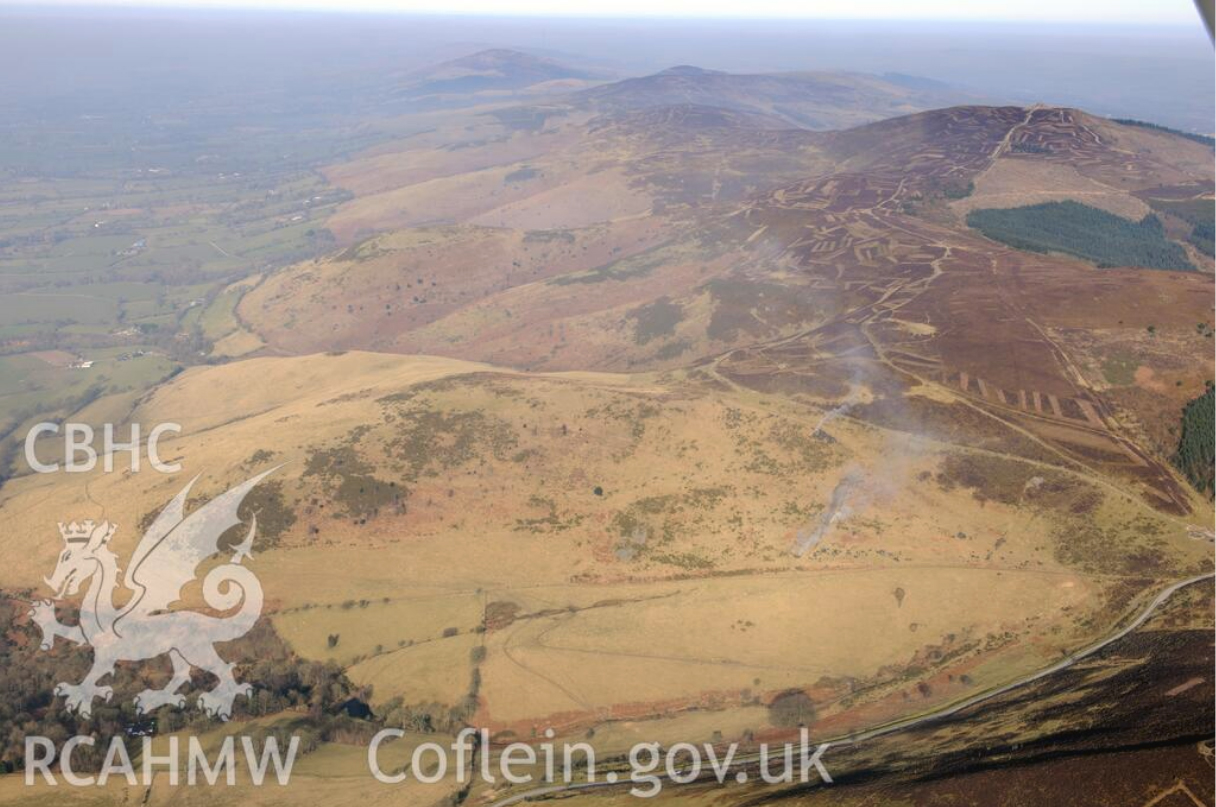
Apart from the acres of dark brown heather and the bright spring green of the valley below, there is not a lot of plant life to see at this time of year, although it is very striking without a floral contribution.  The heather, dark chestnut brown and lifeless at this time of year, has been cut into a peculiar pattern of rectangles to encourage new growth, apparently for the benefit of wildlife.  There is not much in the way of shrubs and the trees in the wood are conifer plantations. There are plenty of birds of prey if you have equipped yourself with binoculars.  I look forward to visiting again when the heather is in flower in late summer, which should be stunning.

It is about a 40 minute walk up, although I forgot to take a note of the times in either direction and have the impression that it took me only about half an hour back down, with extra time added for pausing to enjoy the views and for lazy mellowing and exploring the monument at the top.  I am something of a route-marcher, so that needs to be taken into account.  You can walk on beyond Moel Famau in various directions on public footpaths.  Most obviously the path continues, in a much narrower form, across the Clwydian Range, which looks like an absolutely splendid option.  If you have the energy, you can walk to the village of Bodfari, in another pass through the Clwydian Range, whilst the Offa’s Dyke Trail goes all the way to Prestatyn.  In the opposite direction, you can follow the route over Foel Fenlli all the way to Chirk, skirting the dramatic Eglyseg Mountain and passing Castell Dinas Bran and the Pontcysyllte aqueduct.

It was one of those spring days when everyone looked as though they had been released from a cage, shedding winter like a bad memory.  Super.  To read more about the environment and archaeology of the Clwydian Range and Llantysilio Mountains see the PDF produced by the Heather and Hillforts project. 


Aerial view of the Clwydian Range. Coflein image 662395. Source: Coflein


Walking the history of Chester’s canals, from the river Dee to Boughton #1 – Short History

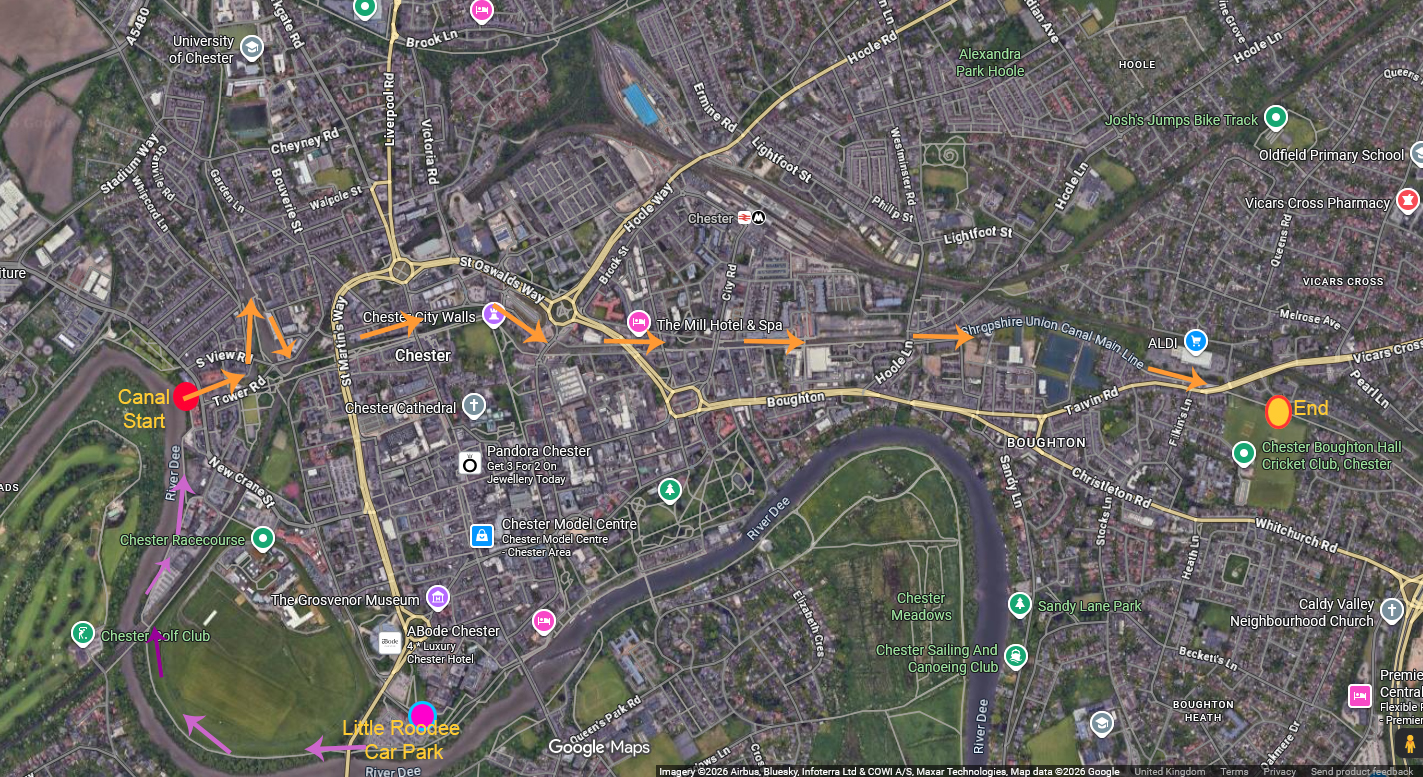
This post is divided into two. Part 1 (this part) looks in brief at some of the history of the Chester city canals, mainly to untangle the complicated story of what is happening at the Tower Wharf Basin, where the Chester and Ellesmere Canals came together.  Part 2 is a mainly photographic account of the walk along the canals from the river Dee to the Chester Boughton Hall Cricket Club, just beyond Tarvin Bridge.

The pink arrows are my route from the Little Roodee car park to the start of the canal. The orange arrows are the route taken from the start of the canal at the river Dee to Chester Boughton Hall Cricket Club. Details of the walk are in Part 2.

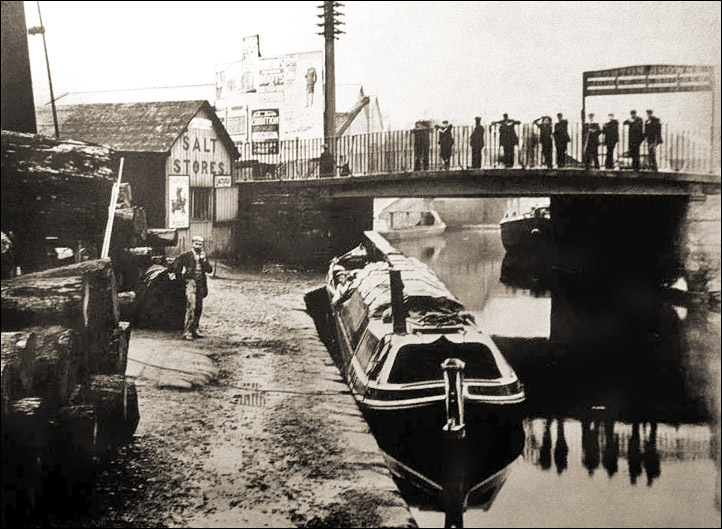
Cow Lane Bridge 1880s

Cow Lane Bridge in the 1880s. Source: chesterwallsinfo

This post begins with a short description of the history of the Shropshire Union Canal, describes why the intersections just beyond the Northgate staircase lock is so complicated, and goes on to describe the walk.

The Shropshire Union Canal runs today from the Mersey and the Manchester Ship Canal at Ellesmere Port, to Autherley Junction near Wolverhampton on the Staffordshire and Worcestershire Canal over a distance of 66.5 miles (107km).  Because it runs beyond the city walls, only making its presence felt to tourists where it crosses Northgate and along the base of the city walls, it does not feature on the city’s usual tourist routes.  Unlike Chester’s well known medieval, Georgian and Victorian architectural attractions, the canal is more directly a component part of the city’s industrial past, but is just as essential in the city’s story.

The history of the Shropshire Union Canal

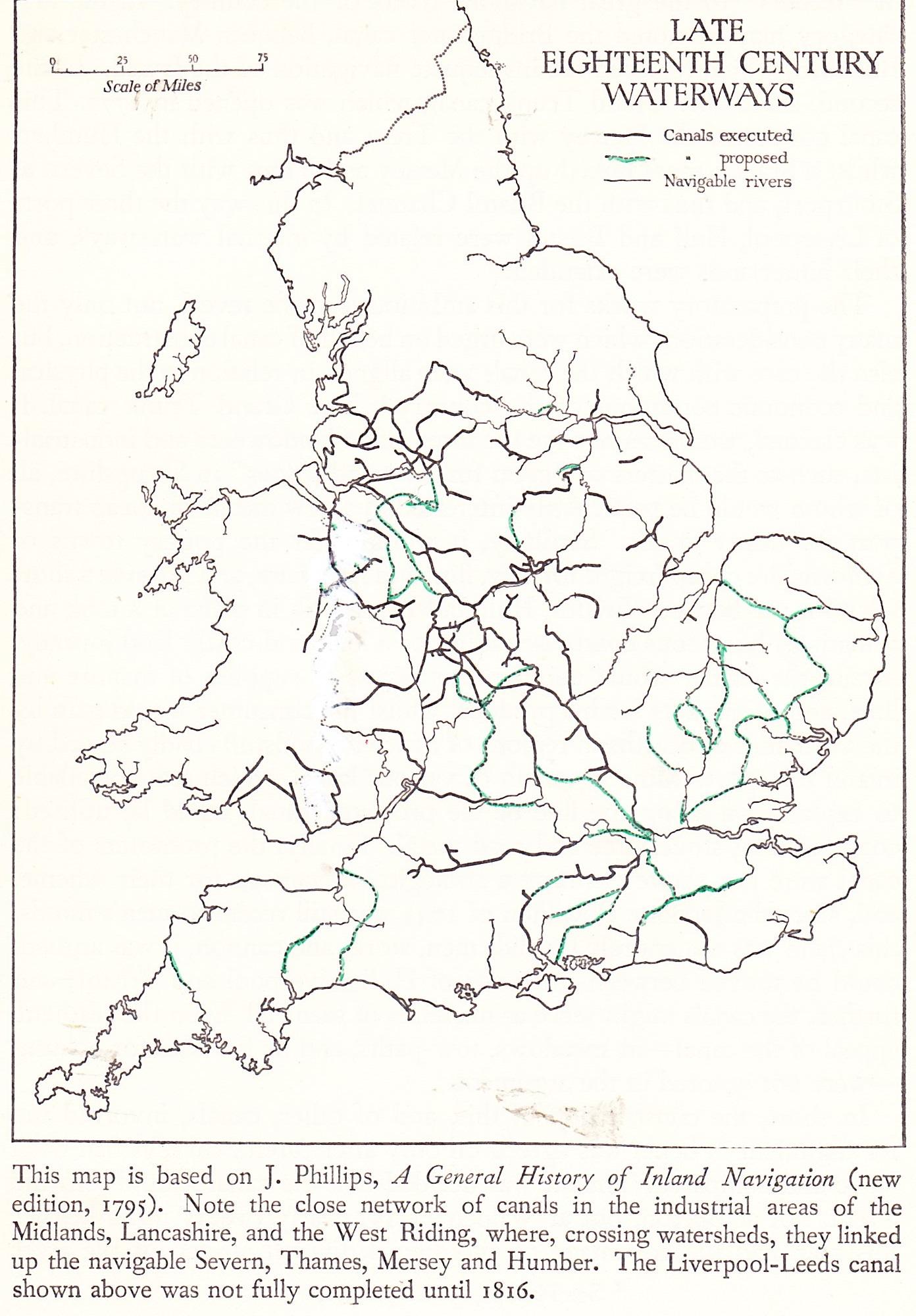
During the 18th century civil engineer James Brindley (1716-1772) was responsible for building over 365 miles of canals.  Brindely realized that any inland waterway network would need to connect to all the great navigable rivers that connected to the sea, including the Thames, the Mersey, the Severn and the Trent, incorporating other important navigable rivers like the the Avon and the Dee.  The network was a sprawling affair, but it revolutionized transport, avoiding roads that would become mired and impassable in winter, as well as unnavigable sections of rivers, and the riverine problems of tides, drought and flood.  Water into and out of the canal system was regulated and therefore predictable, and allowed year-round transport.  The advantages became very clear very quickly, and manufacturing and trading businesses began to locate themselves at critical points on the canal network.  Eagerness to invest in infrastructure resulted in a canal boom in the mid to late 1700s.  Each new section of canal required an Act of Parliament, subject to Royal Assent, and Act after Act was passed as the network expanded.

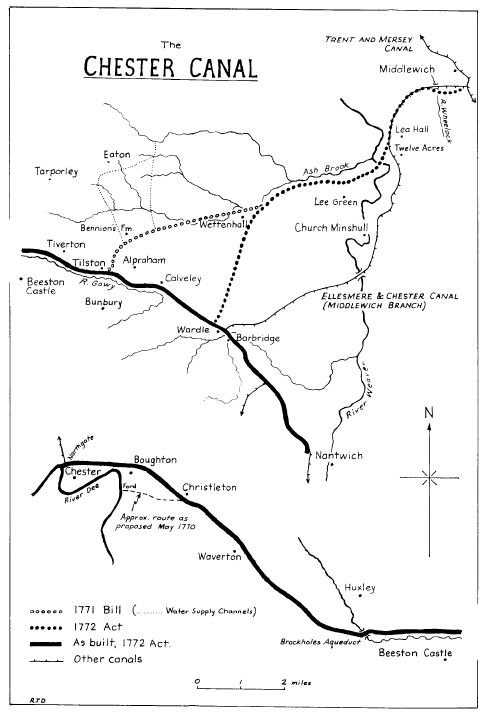
The Chester Canal. Source: Shearing 1985, p.150

The  execution of the canal project for Chester was deeply flawed.  Jumping on the canal bandwagon, entrepreneurs and investors envisaged a money-making venture that would bring Shropshire and Cheshire into the mainstream trade network with Birmingham, the nation’s canal hub and centre of industry, via a junction at Middlewich with the 1777 Trent and Mersey Canal.  Unfortunately, the builders of the Chester Canal did not have agreements in place to connect their new Chester Canal either to the Trent and Mersey Canal, which denied them permission to build a junction, or with the River Dee Company, which also put barriers in their way leading to several years of negotiation before a satisfactory solution was reached.  The Chester Canal, opening in 1779, was not built to Middlewich, where it had been planned for the Chester to join the Trent and Mersey, and instead stopped at Nantwich, segregated from the rest of the national canal network.  With little traffic carrying low-value cargoes, as well as a packet boat service, the canal was a fairly substantial failure.  In 1787 the Beeston staircase locks collapsed and there were insufficient funds to pay for repairs.  The Chester Canal hovered on the verge of bankruptcy.

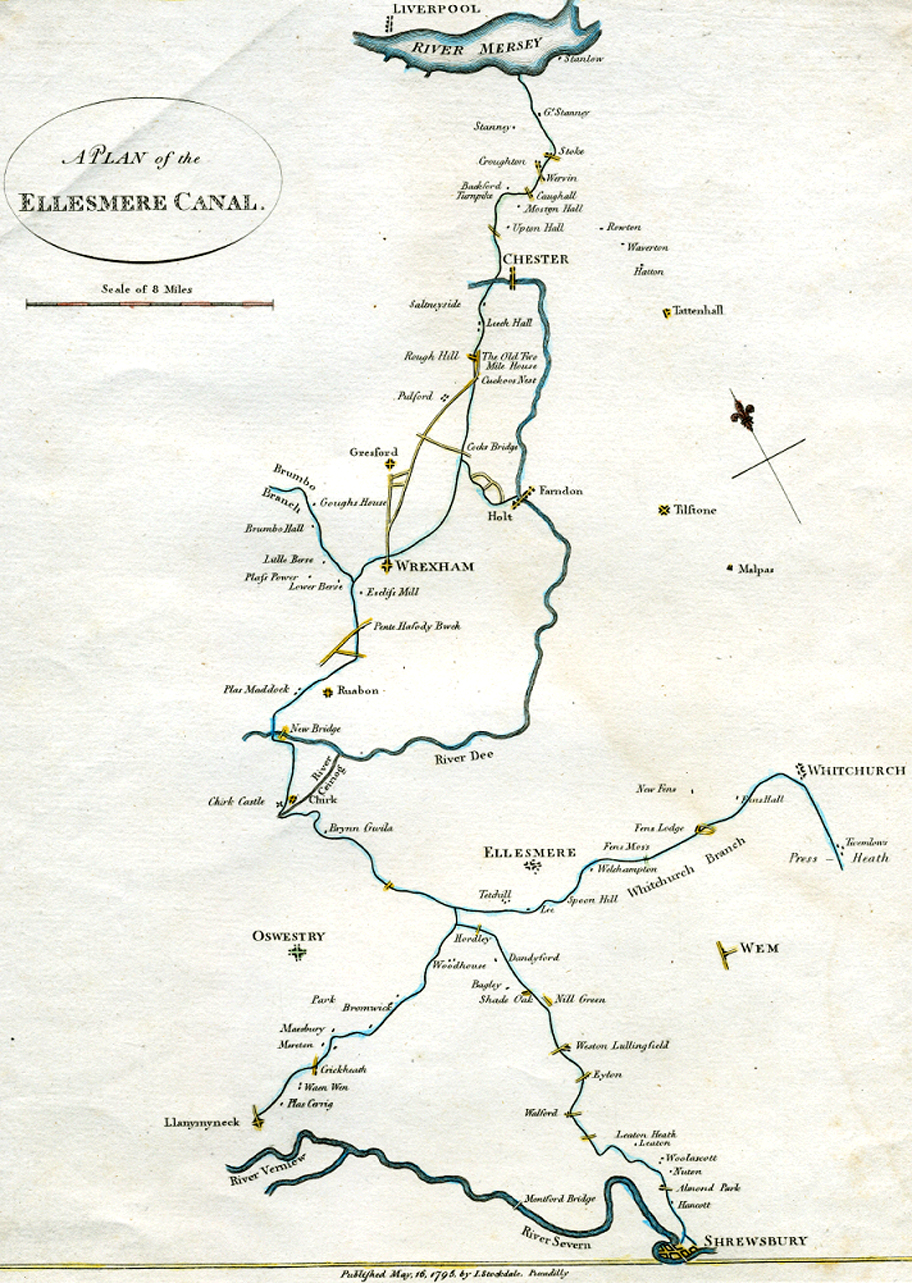
The complex arrangement of the Ellesmere Canal

The complex arrangement of the Ellesmere Canal and its branches is shown as thin blue winding lines. The thick blue line from Chester is the Dee. The yellow lines are roads. Click to see a bigger version. Source: Wikipedia

If it had not been for the 1791 Ellesmere Canal project, the Chester Canal would not have managed to limp on much longer.  The proposal for sections of canal to link the Mersey at Netherpool (now Ellesmere Port) to both the river Dee at Chester and the Severn at Shrewsbury was ambitious, but attracted sufficient support for a surveyor to be hired and possible routes to be explored.  The Ellesmere Canal proposal was presented to parliament and received its Royal Assent in April 1793.   Although shortages in funding prevented the realization of the full vision, shown right, Chester was at last brought into the national canal network. Part of this necessitated the addition of a new branch of canal from Chester to Ellesmere Port, which connected with the Chester Canal in what is now the Tower Wharf Basin.  The two companies merged in 1813, becoming the Ellesmere and Chester Canal Companh.  In 1833 the Middlewich branch was added, as the Chester Canal company had originally planned, and was connected to the rest of the network via the Trent and Mersey.

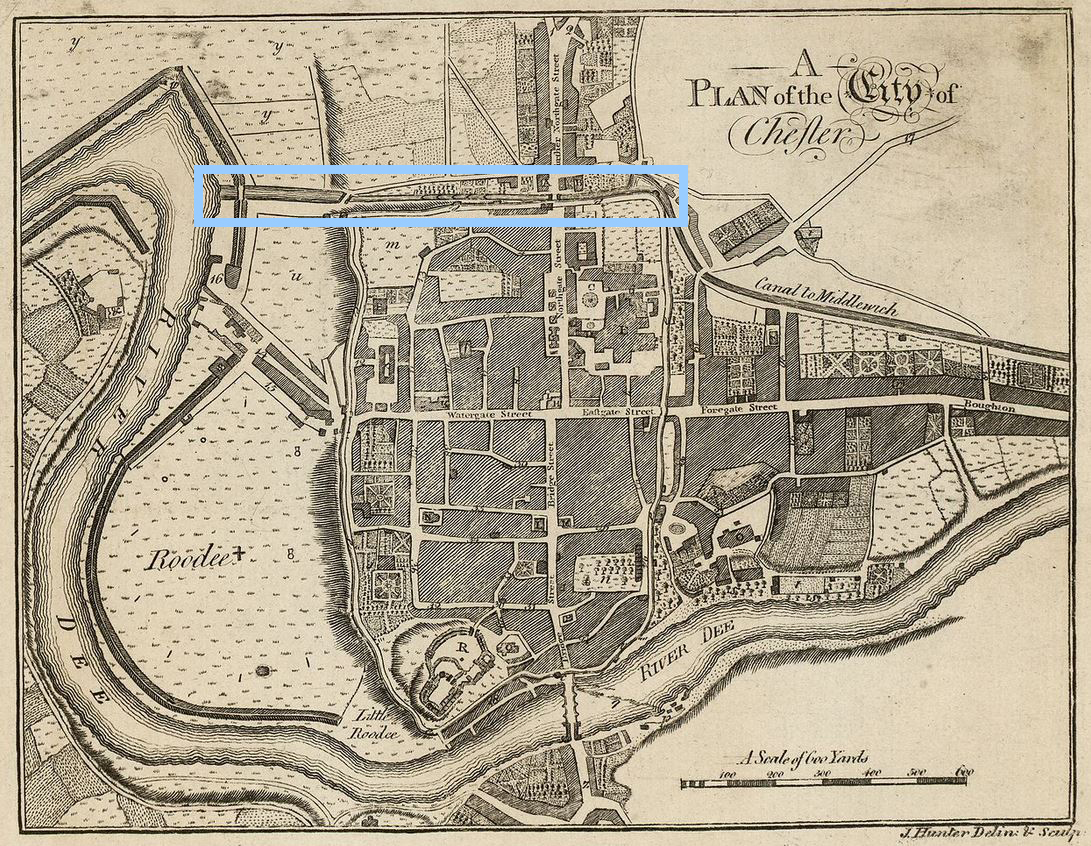
Hunter 1782 map with canal

Hunter 1782 map with the canal before the basins were added for the Wirral Line

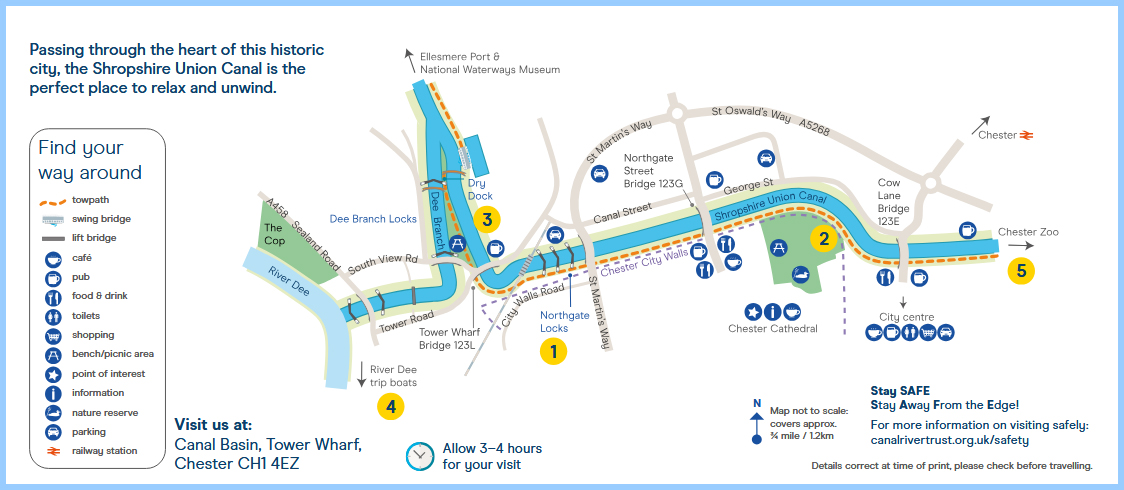
These changes required major infrastructure changes in Chester itself that are still clearly visible today.  Starting from the former interface between the river and the canal, just off Sealand Road, the derelict remains of the river-canal lock are clearly visible as industrial archaeology.  The gates have long gone and this section of the lock and the branch that once lead into the Dee Basin, along Tower Road on the map below, on its way to the Dee Branch, is full of aquatic plant life.  As you walk along towards the Dee Branch, rounding the corner and passing under the bridge, you find yourself in the basin complex, the Ellesmere Canal Company’s solution to how best to incorporate the Wirral Line north to Ellesmere Port.  However before the Ellesmere Canal Company was involved, the Chester Canal simply ran straight ahead, running directly along the Dee Basin into a set of five staircase locks before heading east towards Boughton.

Canal and River Trust map of the basin and wharves, showing the complex arrangement of locks and basins required to incorporate the Wirral branch of the canal to Ellesmere Port.


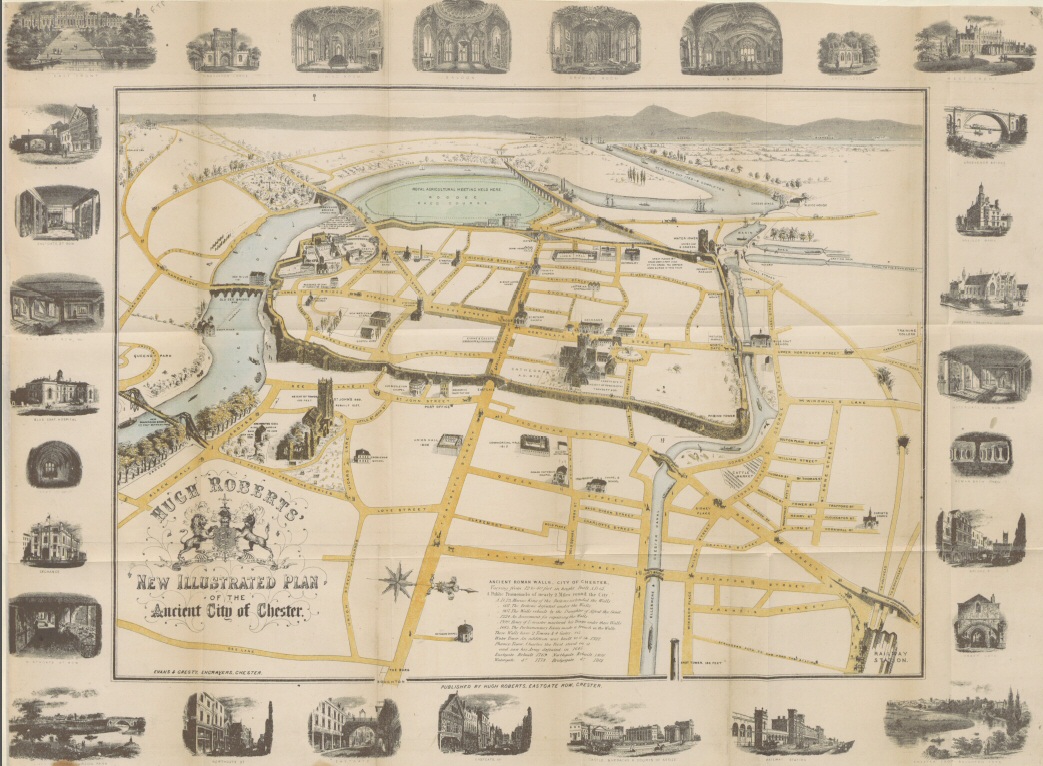
Map from the 1858 Roberts Chester Guide

Map from the 1858 Roberts Chester Guide, showing the big Dee Basin at the far end where locks connected it to the Dee. Click image to enlarge

The set of basins and wharves that became necessary when the Chester Canal was incorporated into the Ellesmere Canal Company’s plans capture the fascinating history of how the area’s canal system was forced to evolve.  Three different sections of the canal are involved in this complex arrangement, shown above.  The earliest of these phases belongs to the original Chester Canal, which begins at the river Dee and once headed straight along into a series of five locks that climbed the hill to the dramatic sandstone cut and onwards to Hoole and Boughton before turning south to Christleton and beyond.  The second phase is the Ellesmere Canal Company’s civil engineering work to incorporate the new “Wirral Line,” which headed in a roughly northerly direction out of Chester.  This now chopped off the Chester Canal at the base of the locks, demolishing two of the five locks, to create the Tower Wharf Basin.  The new arrangement cut off the canal from the river, meaning that another section of canal, called the Dee Branch, had to be created parallel to the main basin and accessed via a lock, to allow vessels to travel between the main line, the Wirral line and the Dee.  It is not an elegant solution, but it worked.  The rest of the canal is very straight forward as you walk towards Hoole, Boughton and beyond.  The historical interest in those sections of the canal is more about the bridges and the flanking architecture that grew up around the canal.

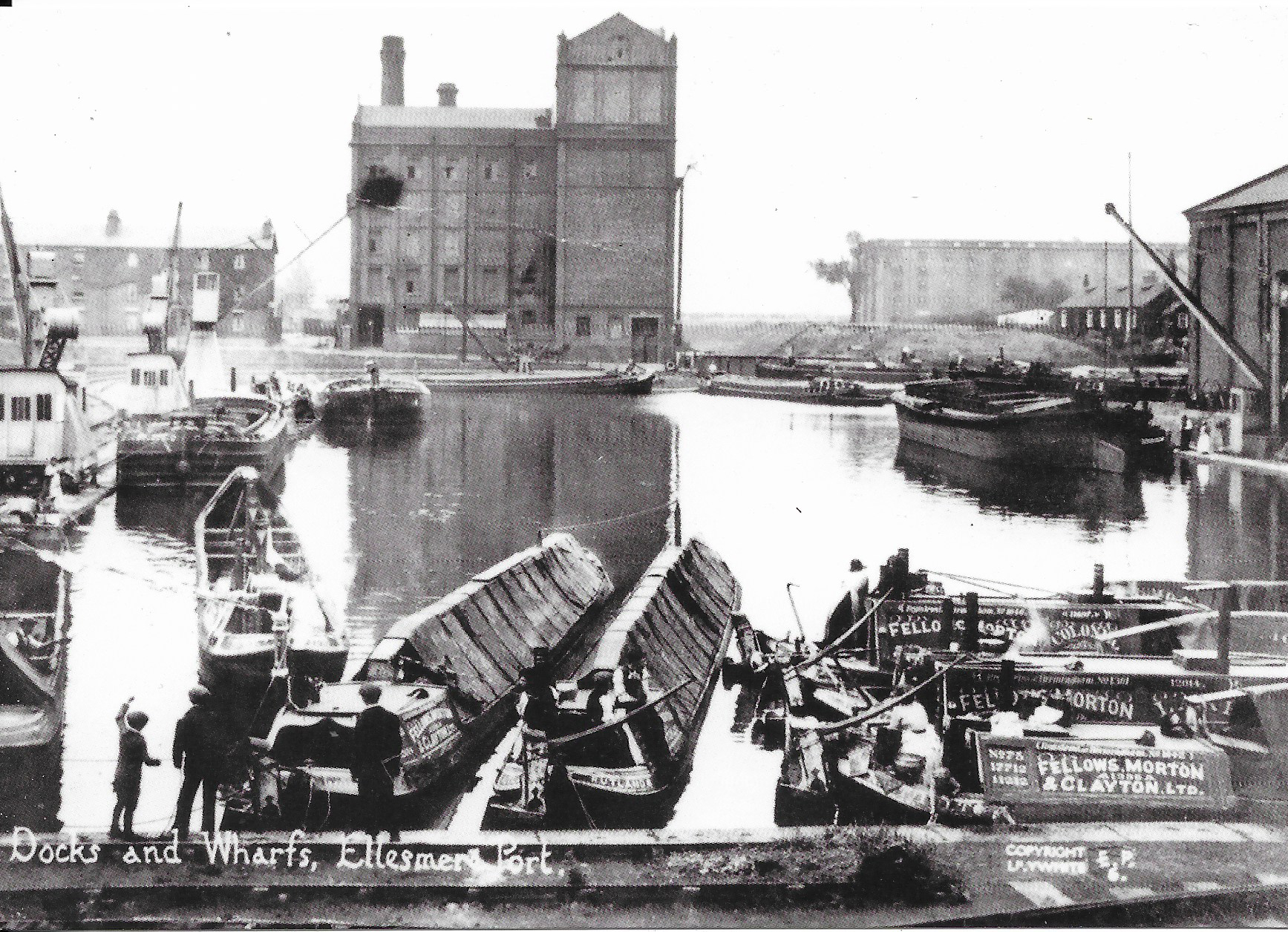
The docks at Ellesmere Port during the 19th century

The docks and wharves at Ellesmere Port during the 19th century, from the Ellesmere Port canal museum archives

In 1846 the decision was made to bring together the various canal and railway interests together under one umbrella organization, the Shropshire Union Railways and Canals Company, providing the different sections of canal from Ellesmere Port to Wolverhampton with a single name:  the Shropshire Union Canal.  In 1894 the Manchester Ship Canal opened, and the Ellesmere Port access to the Mersey was now via the new shipping channel.

In spite of canalization of the Dee in the 1730s was intended to make the rapidly silting river navigable and to make Chester competitive once again with Liverpool, but in spite of these measures silting continued and the river became impractical for serious commercial shipping and shipbuilding, particularly in the face of Liverpool’s rapid expansion.  The last ships were built on the Dee in the early 20th century, ending a centuries old industry, and the connection between the Shropshire Union and the river went out of use.

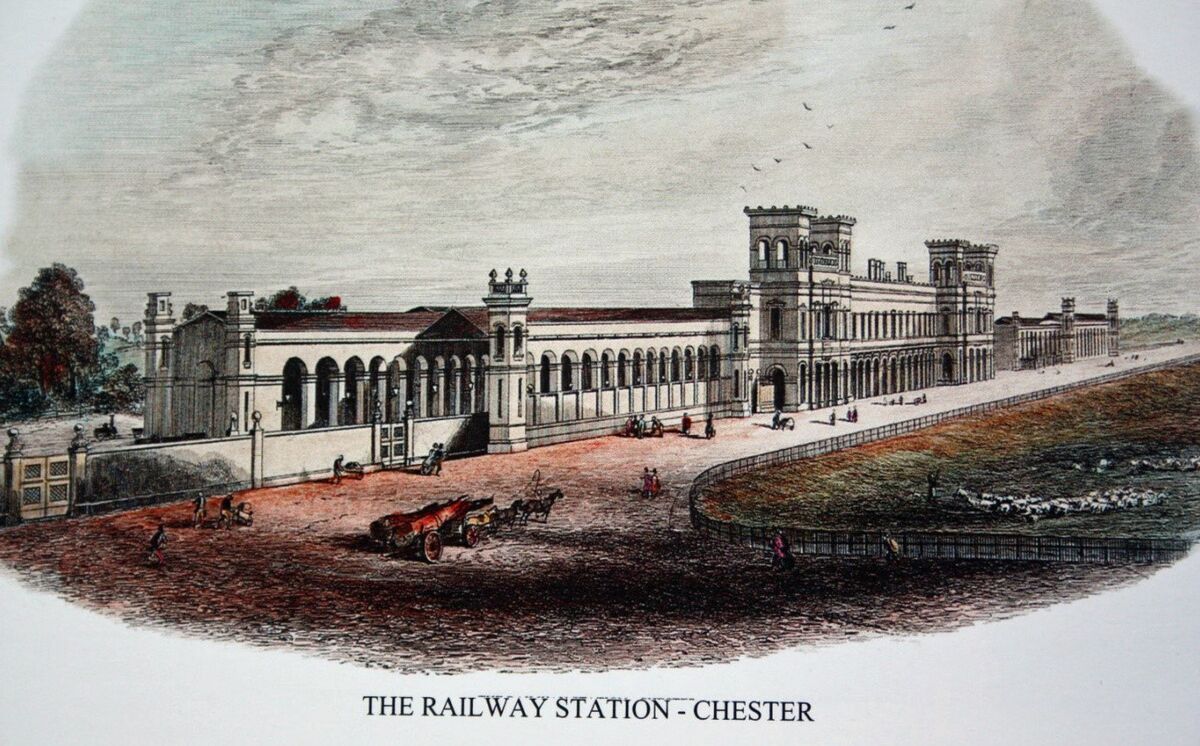
Chester Railway Station

Chester Railway Station 1848. Source: Hoole History and Heritage Society

The railway came to Chester in 1840, picking up some of the slack, but Chester’s days as a centre for trade and industry were over and the main financial opportunity that the railway brought was tourism.  The canal, however, continued to be used as part of the canal network, connecting to maritime trade via the Mersey.  Eventually, as rail replaced the canals, many of them became derelict, only reviving as leisure resources in the later 20th century.

The canal attracted many businesses along its edges, and today the canal preserves a considerable amount of commercial and industrial heritage, adding a welcome extra dimension to Chester’s historic legacy.  The canal network today is used for pleasure, mainly in the form of cruising, walking and cycling.  It still covers a vast region of England and Wales and is managed by a mixture of state organizations and by both regional and local charities.

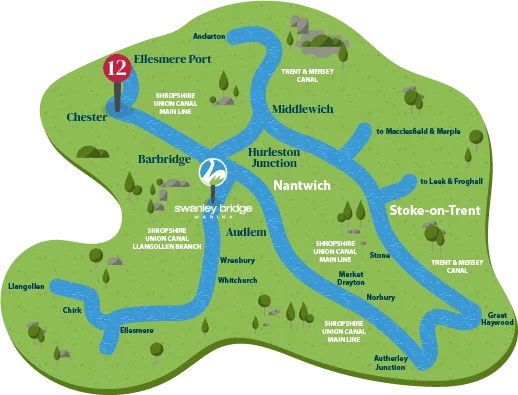
Schematic map showing how Chester relates to the canal network

Schematic map showing how Chester relates to the canal network today. Source: Swanley Bridge Marina

As canals have become attractive for residential development, new housing has also been erected, some developments more sympathetic than others, but all interesting.  The mixture is captured in the walk in Part 2. Apart from a few isolated examples, most of the warehousing that once flanked the basins and the canal has long gone, replaced by modern apartments, including student accommodation and retail outlets.

The Dee no longer connects to the canal network.  The lock between the river and the Dee Branch of the canal, lying just over Sealand Road, is completely derelict.  One of the locks further along is padlocked shut. The old swing bridge that had allowed vessels to interrupt road traffic to enter the canal network was replaced by the fixed road bridge in the 1960s.   Today the leg of the Dee branch of the canal running parallel to the Basin, once used for access to the river, is used for mooring privately owned narrowboats.

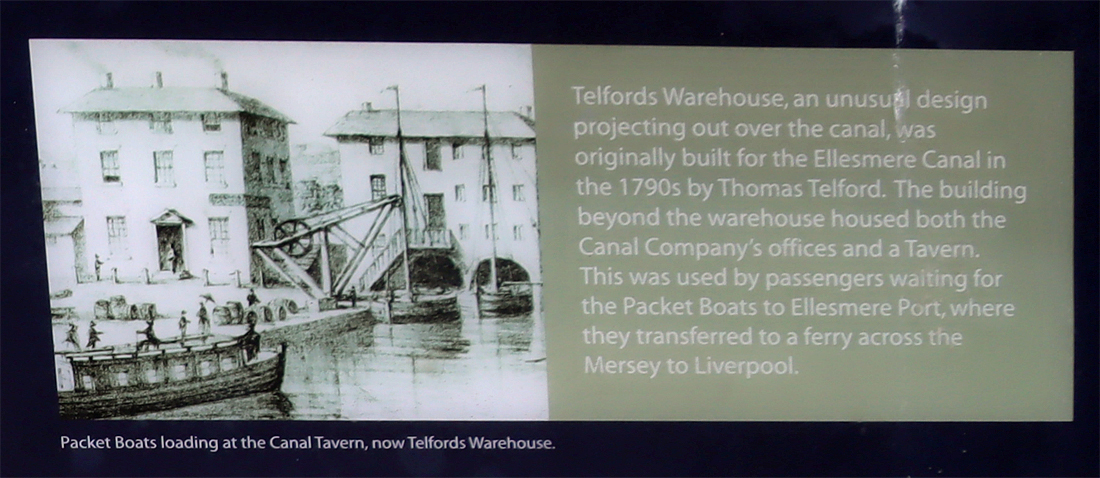
Signage at the canal basin showing information about Telford's Warehouse

Signage at the canal basin showing information about Telford’s Warehouse

I have kept this history brief, merely to introduce the walk.  Rather than reinventing the wheel, please see the Sources below, which contain much more information.  The three video links also provide an excellent overview, between them, of the canal, its history, and some of the buildings and businesses associated with it.  The first is by John Herson, one of whose guided canal walks I have done and thoroughly enjoyed, which focuses on Tower Wharf, the Canal Basin and the relationship of the canal with the Dee.  The second is by Stuart Shuttleworth and looks at the main line of the canal as it passes through Chester.  Together they form a brilliant introduction to the subject, showing the key places to visit.  At the end, underneath Sources, there is another video by “Pastfinder,” which is longer and explores what remains today in more depth, walking and talking at the same time, making it quite easy to retrace his footsteps.  There are some fascinating additional pieces of information in this.

John Herson:

Stuart Shuttleworth:


Sources:

A lot of information is contained in the two videos above and the one at the end of the post.

Other sources of information are as follows:

Books and papers

Carrington, Peter 1994. English Heritage Book of Chester.  Batsford / English Heritage

Martin, Richard 2018. Ships of the Chester Rivers.  Shipbuilding on the Dee from Chester to the Point of Ayr 1800-1942. Bridge Books

Mosse, J., David Lobband and Judith Pile 2023 (9th edition).  Collins Nicholson Waterways Guide 4. Four Counties and the Welsh Canals.  HarperCollins

Nicholson, R. 1989 (4th edition). Nicholson/Ordnance Survey Guide to the Waterways 2: Central. Robert Nicholson Publications and Ordnance Survey

Shearing, Edwin A. 1985. Chester Canal Projects: Part I. Journal of the Railway and Canal Historical Society. Vol XXVIII, no.3, November 1984. p.98-103

Shearing, Edwin A. 1985. Chester Canal Projects: Part II. Journal of the Railway and Canal Historical Society. Vol XXVIII, no.4, March 1985. p.146-154

Ward, Simon 2013 (2nd edition). Chester. A History. The History Press

Websites

Canal and River Trust
Welcome to Chester. Escape the city on this tranquil waterway (PDF)
https://canalrivertrust.org.uk/media/document/0z8YCnXdfYHg_am-LmUGSg/p22Wl115w_dWrQTRa-XYJd5Q5nl2UR6N17EY2G1JFyc/aHR0cHM6Ly9jcnRwcm9kY21zdWtzMDEuYmxvYi5jb3JlLndpbmRvd3MubmV0L2RvY3VtZW50Lw/0192bddd-4001-76ad-a95b-0ad3662ccdcc.pdf

Canal Routes
Chester Canal History
https://www.canalroutes.net/Chester-Canal.html
Chester Canal Route
https://www.canalroutes.net/Shropshire-Union-Canal.html#Chester-Canal-Route
Ellesmere Canal – Wirral Line
https://www.canalroutes.net/Shropshire-Union-Canal.html#Ellesmere-Canal-Wirral-Line
Shropshire Union Canal
https://www.canalroutes.net/Shropshire-Union-Canal.html

Cheshire West and Cheshire
Chester Canal Conservation Area Character Appraisal Ellesmere Port to Nantwich (PDF)
https://www.cheshirewestandchester.gov.uk/documents/planning-and-building-consultancy/total-environment/conservation-and-design/conservation-area-appraisals/canal-conservation-area-elesmere-port-to-nantwich-latest-version-261118.pdf
Chester Characterization Study
https://www.cheshirewestandchester.gov.uk/your-council/policies-and-performance/council-plans-policies-and-strategies/planning-policy/chester-characterisation-study

chesterwalls.info
Photographs of the Chester Canal Old and New, parts 1-5
https://chesterwalls.info/gallery/canalgallery.html

Chesterwiki
(with a lot of adverts interspersed)
Canalside
https://chester.shoutwiki.com/wiki/Canalside
Canal and Boatyard
https://chester.shoutwiki.com/wiki/Canal_and_Boatyard

Grace’s Guide to British Industrial History
James Brindley
https://www.gracesguide.co.uk/James_Brindley
William Jessop
https://www.gracesguide.co.uk/William_Jessop

Heritage Chester
Bite-Sized Wonder – The Lead Shot Tower
YouTube video

Historic England
Bridge of Sighs, Upper Northgate Street
https://historicengland.org.uk/listing/the-list/list-entry/1375967
Telfords Warehouse, Raymond Street

https://historicengland.org.uk/listing/the-list/list-entry/1375919?section=official-list-entry

Inland Waterways Association, Chester and Merseyside Branch
Chester Heritage Port Designation Document (PDF)
https://70cf2f03-3eb2-43c8-889f-b8f841fc3757.usrfiles.com/ugd/70cf2f_64e6633c34b9420f8c06a368857d1a42.pdf

UK Waterways Guide
Map of the Shropshire Union Canal
https://www.ukwaterwaysguide.co.uk/map/shropshire-union-canal/all-branches

“Pastfinder”:

A revealing talk and guided tour: The Churchill Building and the Western Command 1937 – Today

The Churchill Building portico dates from 1997, but the original Neo-Georgian military Western Command building can be seen behind it.

The portico dates from 1997, but the original Neo-Georgian military Western Command building can be seen behind it.

With many thanks to Chantal Bradburn for an excellent lecture in the Churchill Building in the University of Chester’s Queen’s Campus.   Chantal is the University’s Outreach representative, with a strong background in art history and a particular interest in architecture in its social context.  Her talk, entitled “Western Command (Churchill Building),” covered the design and original purpose of the building as the headquarters of the Western Command, including the fascinating underground bunkers, and the building’s subsequent phases of use.  The presentation and the subsequent walk around the building’s exterior brought the Western Command to life.  Chantal’s ability to convey an impression of the building as it was in military times, based partly on her research and partly on feedback from people who have attended the talk or contacted her over the years, was of critical importance, because the interior had been completely re-envisioned in grandiose style by the subsequent bank, and converted once again in more pragmatic terms into the University of Chester’s Business School.  Only the exterior retains the essential character of the Western Command building.

The eastern wing of the Western Command (Churchill Building) gives a good impression of how the building appeared when it was first built

The eastern wing of the Western Command (Churchill Building) gives a good impression of how the building appeared when it was first built

The building, then known as Capital House, was completed in around 1938, almost certainly in response to the threat of war.  Neo-Georgian is not my favourite of the various architectural experiments in Chester.  I have grumbled on and off about the Wheeler Building on the blog for years, and there are a number of more modest buildings dotting the streets of the historic city whose architects seem to believe that slapping some symmetrical rectangular windows into plain blocks of undifferentiated brickwork will do the trick nicely, completely missing the point of refined elegance and delicate embellishments that characterized Georgian harmonies.  On the other hand, as Chantal pointed out, at least in the case of the Churchill Building there are good reasons for this style, which is better than most of its siblings, relating not merely to the practicalities of budget constraints for such a large building.

The eastern entrance to the Churchill Building with subtle nods to Art Deco 

The eastern entrance to the Churchill Building with subtle nods to Art Deco

The importance of establishing a dignified military presence referenced the power and prestige of the city’s Georgian predecessors, which were themselves influenced by Classical architecture, whilst some low-key features nod to both the medieval military past and, in an even more subtle way, other contemporary styles.  I would not have noticed these had Chantal not pointed them out.  Although the subsequent Northwest Securities bank slapped a gigantic Classical-style portico on the front, the original building consisted of flat-roofed blocks that provided an impressive frontage, which relies for its impact on the size of its footprint rather than the height of its two-storey walls.  Chantal pointed out that the position of the building was strategically very fine, with its views over the river and the city beyond, only matched in its vantage points by the site chosen for the castle.

As the northwest HQ for intelligence on what was quite literally Britain’s western front during the war, the personnel serving in the Western Command building had a critical role not only leading up to and during the war, but for a surprising amount of time after it.  Chantal told us a great many stories about the role of the building and the people who worked there, highlighting the complexities that different levels of security caused for both employees and contractors, and emphasizing the degree of secrecy that was associated with the activities that took place within the Churchill Building.

Bunkers excavated into the sandstone at the Churchill Building. Source: 28DaysLater

To the east of the building, up-river, the remarkable and extensive underground bunkers were built to provide shelter and a command centre should it become necessary, both during and after the Second World War.  They extend from the level of the building down towards the river.  It is reputed that Churchill, who is known to have visited the building, may have met there with President Dwight D. Eisenhower and General Charles de Gaulle.  No documentation supports this view, but there are apparently anecdotal accounts that support the possibility.  The bunkers are now too dangerous to visit (see a photograph of a point of collapse on the 28DaysLater website).  The sandstone through which former miners in the army excavated to create the bunkers is sponge-like, attracting damp that is not helping with the stability of the underground structures.  Chantal showed photographs and explained past survey work and future plans (dependent as always on funding).

The building passed to the Royal Army Pay Corps in 1972, and from 1972 it was taken over as offices for a banking corporation.  The presentation took place in a huge room with an enormous table, all very glossy and highly polished, and heavily influence by Art Deco designs.  This was part of the bank’s improbable legacy.  It is quite staggering how the bank took over a military building and turned it into an extrovert and financially corrosive expression of self-indulgent excess.  Where these details have survived, the legacy is huge fun, but quite mad.  The bank’s vast portico, converting the Neo-Georgian blocks into a pseudo Classical temple, is equally pretentious. I am very fond of the University, having had a great time doing some post-graduate research there a couple of years back, but it really does seem to have saddled itself with buildings that for all their scale and practicality are amongst the least aesthetically charming of the various Cestrian styles.  In their favour, the University does make the most of them.

The opening of the Churchill Building by John Spencer Churchill (centre in grey suit), when it became part of the University of Chester in October 2015. Source: Cheshire Live

It is interesting to note that in the case of both military base and commercial bank, the building was off-limits to the public, not only physically but visually.  The arrangement of buildings at the time meant that the view through the gates, then in a different position, blocked any view of the heart of the complex.  It has been particularly interesting for local people who have lived in the area for a number of decades to have access to the building at last, and to be able to see what was so long hidden from view, perhaps particularly when family members and friends worked there.

The building had been out of use for a decade when the University took it over in 2015 to make it the centre for their Business School, with most of the building adapted to this task with the usual collection of teaching, research and computer rooms, areas for socializing and a café.  Wisely, the decision was made to preserve some of the more elaborate flourishes of the bank’s idea of good taste, and there are some distinctly New York style decorative features in the foyer.  More to the point, the building’s foundation stone and its frame, appropriately made of carved stone rather than the less expensive brick, has been preserved and is now installed above the reception desk as a very welcome piece of the building’s material heritage.  The exterior, now sporting a leaded dormer roof, still retains the essence of its stern and uncompromising military purpose, but its survival first as a bank and then as a major component of a university campus is a testimony to its durability.

It is impossible to do justice to Chantal’s talk, which was stuffed full of information.  Chantal does these talks quite frequently, and I do recommend that you keep an eye open for her next ones, because she provides a vivid insight into a world that is not normally associated with Chester, and which was clearly a very important part of the city’s social and economic profile from the 1930s onwards.  More than any other talk that I have attended since moving to the area, this is the one that surprised me most, and left me with a new set of insights into Chester’s less publicized wartime and post-war history.  Splendid.

North-facing aspect of the Churchill Building

Day Trip: The RAF Museum Midlands at Cosford, near Telford

Sopwith 1 1/2 Strutter (replica) in Hangar 2

Even if aircraft and aviation history are not really the first things that spring to your mind when you are looking for a museum to visit on a day out in the general area, the RAF Museum at Cosford offers a thoroughly absorbing experience.  Aeronautical development has progressed so rapidly since the early 20th century that the first engineers and pilots might well find all the new innovations, capabilities and capacities that are on display at the museum fairly miraculous, and these have been significantly surpassed by much newer models.

This was my third visit.  The first visit was with my father who as a school boy at Calday Grammar on the Wirral had loved being in the Air Cadets, and went on to do his National Service in the RAF.  The second was with a friend whose father had served as a  Flight Engineer from before his 20th birthday during the Second World War, working and flying on Avro Lancasters.  Both my father and my friend brought away very personal experiences of the museum, but even without  these intimate connections, the RAF museum at Cosford is a rich journey into aeronautical history.  There is splendid innovation, superb technology, surprisingly aesthetic appeal and, in some cases, the sheer immensity of some of these vast monsters.  The full-life biographies of the aircraft themselves are themselves compelling, but the museum also tells dozens of stories about the people whose lives were embedded in the RAF, as well as in commercial travel, both in times of war and peace.===
===

===
===

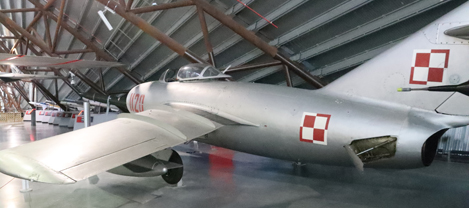
Hangar 4. Mikoyan-Guevich “MiG” 15bis.  Single seater jet intercept fighter, Russian-designed and notable for its use in Korea where its superior performance came as a shock to American pilots.  Maximum speed 688 mph. 1949-1970s

The aircraft are not exclusively British. There are American, German and Russian planes, as well as those built as joint enterprises.  The information boards compare and contrast them with contemporary British aircraft that they came up against, in terms of maneuverability, speed and technical specifications.  As well as planes there are also a couple of helicopters, staggeringly massive things that don’t seem even remotely aerodynamic, as well as some supporting ground vehicles including tanks, cars and aircraft tugs.  Although less obviously comprehensible, the range of aircraft engines on display also contributes to the story of aviation and its development, with information panels explaining how the engines improved the viability of aircraft.

Hangar 4. Hawker Siddley Vulcan in the foreground. A fabulous-looking long-range medium delta-wing bomber that was eventually converted for use as an air-to-air refuelling tanker

The focus on aircraft is not exclusively military.  Although there are a lot of those, several of the planes on display were commercial airliners of different sizes, built for carrying passengers, and the history of some of these early pioneers is well explained.

The museum is immense, taking up four gigantic hangars, each one with its own particular themes.  Although each of the Hangars is themed, there are some aircraft that don’t fit neatly into the themes, allowing for the inclusion of a lot of variety throughout all the hangars.

Bristol Britannia 312 turboprop aircraft known as The Whispering Giant due to is comparatively quiet engines. It first flew in August 1952. Due problems with the turbine engine less than 90 were made and sold to both civilian airlines, like the now defunct BOAC passenger carrier, and the RAF.

The Hangars

It is worth taking some time before you start your tour to have a look at the wall maps in the reception area, which provide details of how the different hangars connect. The numbering of the hangars is a little counter intuitive, because the first of the four that you visit is Hangar 2 (H2), then Hangar 3 (H3), then Hangar 4 (H4) and the last hangar that you visit is Hangar 1 (H1). The maps are dotted throughout the hangars but in order not to miss anything it is a good idea to sort it all out in your head in advance.  It is easy, for example, to completely miss the second hangar on your visit, because it is connected to the first hangar that you reach via two small doors that are relatively unobtrusive.  There is a guide book that has a copy of this map, copied below.  More visiting details are at the end as usual.

The site map from the Souvenir Guide (2024, Royal Air Force Museum), page 72

Hangars 2 and 3

The first hangar that you visit is Hangar 2, or H2.  To reach Hangar 2 the route takes visitors outside, passing between three magnificent aircraft, each with information boards, before passing a fourth, the innovative, versatile and very successful PBY Catalina flying boat and amphibious aircraft, at the entrance into Hangar 2.

On the other side of the door is a gallery dedicated to stories about RAF experiences between 1918 and 2018, before you pass into the hangar itself.

1940 wooden emergency exit hatch from the cockpit of Hawker Hurricane P2798 showing the cartoon cat Figaro, the personal marking of Wing Commander Ian Gleed, pilot and Second World War fighter ace

The function of the RAF, the world’s first independent air farce, remains unchanged across a hundred years: its mission is to defend the UK, to attack if required, to support in times of humanitarian crisis and to move people and equipment quickly across the world.

Like the other small galleries in the four hangars, this displays information about the immense variety of men and women who have served and continue to serve, with the vast range of skills that are required to make this military machine function. They also display the objects that related to those people, both formal and very personal.  This is an excellent way of using objects to connect people to their personal biographies and their official careers and the honours they were awarded.  Be sure to enter H3 from one door and return to H2 via the other so that you visit both galleries.

Page from the Souvenir Guide (Royal Air Force Museum 2024, p.32) talking about some of the highly personal measures that RAF personnel took to help them face the tasks before them.  Objects like these are just as much a part of RAF history as the aircraft in the museum

The main hangars in H2 and H3 focus on War in the Air and Test Flight, a mix of wartime and post-war aircraft.  Some of those on display are such icons that it is almost impossible not to reach out and touch.  In the First and Second World Wars, many planes were employed before it was possible to put them through their paces before they were needed in combat, and they were essentially put to the test in active service.

==

The iconic Spitfire MK1, the oldest surviving example


The Boulton Paul Defiant was vulnerable to Luftwaffe fighters. Instead of being withdrawn from service, these were painted black and moved to night operations, although they were eventually withdrawn altogether.


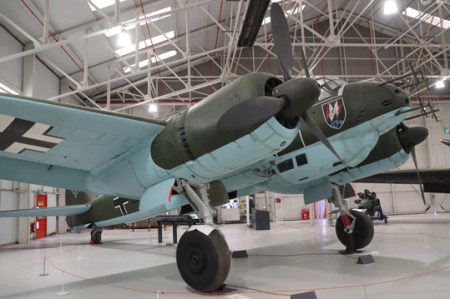
TheGerman Junkers JU-88R-I

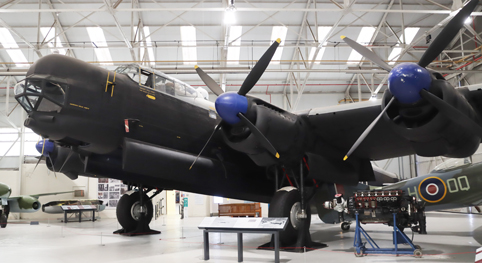
Although it is  not possible to convey the sheer immensity of the Avro Lincoln, it is an absolute giant of a thing.  Its design was based on the Lancaster, but although it was too late for a combat role in the Second World War, it served the RAF until 1963, long after the first jet engines had come into use.  Cosford doesn’t have a Lancaster, but this is an imposing creation in its own right.

An Avro Lincoln, giving no impression in this photograph of how massive it truly is

After the Second World War significant investment was made in developing technologies to provide specialized requirements, and testing became increasingly important.  Whilst some aircraft took on important roles in the RAF, others either failed to make it into production or were significantly modified before they were adopted.  The history of aircraft is as much about those that failed, or were not entirely successful, as it is about those that became either fundamental icons or invaluable workhorses of aviation history.  It is this mixture of aircraft biographies and narratives that define Hangars 2 and 3.


British Aircraft Corporation TSR2, Combat Prototype

Details of the British Aircraft Corporation TSR2, Combat Prototype

BAe Experimental Aircraft Project


Hangar 4

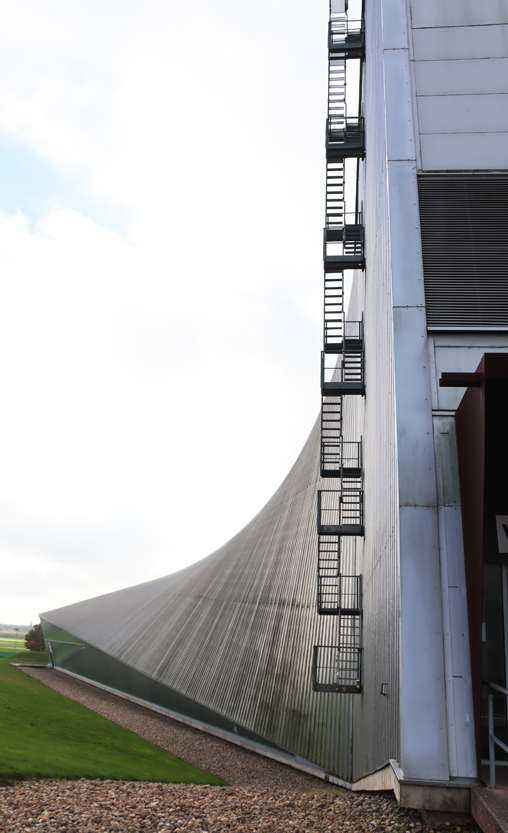
H4 is next, a soaring modern building themed around The Cold War.  It is a truly spectacular building in its own right, both outside and in, a functional and striking space for displaying a huge number of aircraft to best advantage.  This is all about a new generation of fighter and surveillance aircraft, missiles and drones, as well as support vehicles.  Entered from H2 at ground level, you find yourself confronting aircraft overhead, on the same level and below, with lifts as well as stairs to get down to the the lower level.  One of the novelties, apart from the aircraft overhead, is being able to walk along the gallery and view some of the vast machines that are sitting on the lower level face to face.

It is a magnificent visual display but as in the other hangars also has plenty of information about why each type of aircraft was built, and what makes them unique, plus information about the men and women who worked in these different contexts.  At the same time, it addresses the important and often vexed subject of conflicting ideologies and why such ideologies erupt into military action, making military assets a necessary aspect of modern life.  The focus is, as the name of the hangar indicates, the Cold War, and the opposing ideologies that resulted not merely in defensive strategies but also in both armed conflict and, in an attempt to reduce the likelihood of war, such initiatives as the North Atlantic Treaty Organization (NATO).
===
===

The Vickers Valiant of 1955, designed for nuclear strikes, and withdrawn form service in 1965. Group Captain Ken Hubbard, caption if Vickers Valiant XD818 remembers its first drop of a British thermonuclear bomb with the resulting mushroom cloud “a sight of such majesty and grotesque beauty that it defies description.”

==

Douglas Dakota

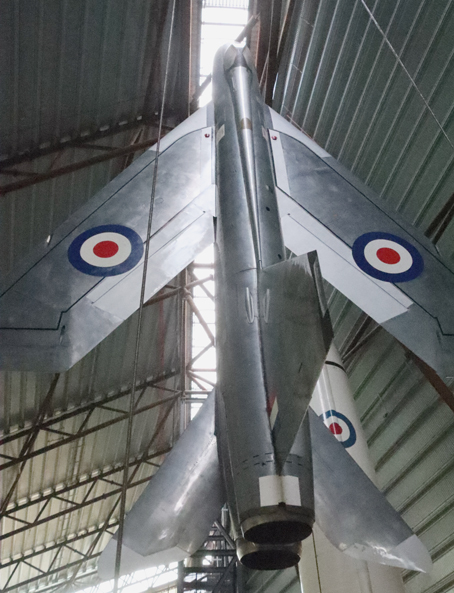
The Lightning, the first RAF fighter capable of flying at twice the speed of sound, but with short operational range

Details of a personalized Handley Page Victor, which entered service in 1958

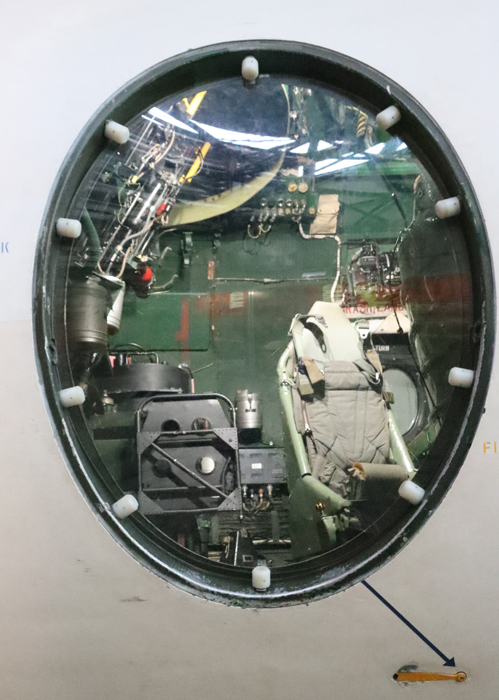
Sikorsky MH53 Pave Low long range combat, search and rescue helicopter

Sikorsky MH53 Pave Low interior

==

Scottish Aviation Twin Pioneer light transport


Hangar 1

The last of the hangars, H1, is themed along the lines of Transport and Training.  Transport of equipment, personnel and supplies is a major element of airforce logistics, and aircraft designed specifically for these tasks may be either passenger carriers or sometimes gigantic warehouses on wings designed to carry whole platoons or heavy armoured vehicles and armaments.  Training aircraft may be tiny by comparison with some of the vast aircraft in tis hangar, used for acclimatizing trainee pilots and building up the skills of both trainee pilots and other air and ground crew, including engineers.  This hangar also has an excellent display of engines, which also required the training of aircraft engineers, giving insights into the anatomy of these power houses propel aircraft off the ground and keep them in the air.

Fairchild Argus II light transport, which entered service in 1932

Hawker Siddeley Andover E.3A. Originally designed as a transport aircraft, it was converted to carry out calibration duties on radar and radio navigation aids

Percival Pembroke, which entered service in 1953 for light transport and communications and was withdrawn only in 1988

Hawker Siddeley Harrier GR.3

If the size of the Lincoln was the first of the aircraft to blow my mind, the Armstrong Whitworth Argosy is seriously humongous.  It is impossible to convey its scale, with its twin tails and its enormous wing span. It entered service in 1962 and could carry up to 69 troops or 13,000kg of equipment including armoured vehicles. It is two storeys tall from ground level to the cockpit.  The lens on my camera couldn’t fit anything like the whole thing in, and gives no sense of what this aircraft actually looks like, so see the image below the one in the museum of one of these crazy-looking things in flight.

Armstrong Whitworth Argosy

===

Armstrong Whitworth AW660 Argosy C1 XP445 in RAF Near East markings from the BAE Systems website.


Rolls Royce RB211 22C engine used in the Lockheed Tristar, and the Boeing 747 and 767. Compare with the size of the edge of the doorway immediately to its right. Huge!

Vickers VC10 C1K long range transport

Final Comments

My father in typically mellow mode after he chose the RAF for his National Service, looking awfully youthful.

Anyone who visits will take something different away from Cosford, depending on their interests and their personal connections with aircraft.  We left the UK when I was a child, returning in late 1979, and part of my experience of living overseas was flying to and from Britain to visit family, first as an “unaccompanied minor” and then on my own, making it a routine form of travel.  Once, flying from Heathrow to Liverpool with my father in a propeller plane, he warned me about coming in to land and the noise and vibration that I, having only flown in jets, would probably find startling.  I did, but what fun! Years later, in a passenger plane taxiing down a Heathrow runway, the captain told those of us on the right side of the plane to look out of the window to see a Harrier jump-jet do a vertical take-off.  Fantastic.  Twenty or so years ago I saw a Vulcan flying at the Farnborough Air Show and have never forgotten it, and at the same show saw a vast commercial passenger plane being put through extraordinarily acrobatic paces, and that too remains in my mind as a very different but remarkable sight.  Two years ago I was at RAF Duxford with my father, and was lucky enough to be there just as a whole series of vintage biplanes were taxiing down the field and taking to the sky. Magical.  Aircraft do have their own special sorts of aura, some darker and some brighter than others.

The aircraft at Cosford are beautifully displayed, and while you can just stand and admire the sheer magnificence of these astonishing beasts, the signage is all thoroughly educational without in any way talking down to the visitor.  The sheer amount of information delivered in a digestible way is genuinely impressive.

Visiting

The museum is free of charge, but parking is charged (at the time of writing) at £7.50.  You can check for updates on charges and opening times on the museum’s website here.  The museum hosts a number of events throughout the year, including an air show and corporate events, so do make sure that the entire museum is open on the day you want to go, and that none of the hangars are closed for any reason.

The car park is huge, and payment of the set fee is via machines that are dotted around.  There is a really nice cafe in the reception area, which offers drinks, snacks and lunches, and everything is bright, clean and modern.  You will need to stop at what looks like a ticket stand to confirm that you have paid for parking, and so that you can be counted, because the museum’s funding depends on the volume of footfall.

The museum’s shop is in the third hangar, with some fun stuff for sale, but you can buy a souvenir guide in the reception area.  I did buy this, with some considerable doubt in my mind because anything that refers to itself as a souvenir doesn’t inspire confidence, but this 73-page booklet, full of great photos and information, was really enjoyable and when I arrived home I read it cover to cover.  Just like the museum itself, this mixes stories of planes and people, and the result is admirable.

The museum recommends that you allow four hours to get around all four hangars, including walking around the outside aeroplanes.  Not being an expert, and not stopping to listen to the many audio recordings or watch the video displays, I did it in a leisurely two and a half hours, stopping to read a lot of the excellent signage and to take photographs.  I took an additional half hour afterwards to consume a heavenly coffee and a bite to eat.  So for me, including my snack break, it was a three hour visit, which I enjoyed phenomenally.

Lockheed Hurcules C Mk 3P medium-range tactical transport aircraft that could operate from short runways.

If it looks like rain take a brolly or a raincoat with a hood, because you will have to walk from the reception area outside to the first hangar, and there are aeroplanes to see in the grounds as well.  The first two hangars, 2 and 3, are physically linked, but it is easy to miss that there are doors letting you through.  From there, it is a matter of going outside again, into Hangar 4, and again across a small access road into Hangar 1.  If you want a coffee or something to eat afterwards, it’s few minutes to walk back to the reception area via another two outdoor planes.

There is disabled access throughout, including H3’s viewing gallery, lower level and shop.  Signage is all at a level that can be read by wheelchair users.

Museum Ground Crew

Only one of the aircraft, at least on my three visits, allows visitor access, and this was a guided tour for a fee at restricted times, so experiencing the planes is a matter of viewing either from the floor or, in the third hangar, from both floor level and via a viewing gallery.

If you don’t want to be inundated with children, avoid weekends and school holidays.  School trips mean that they are not completely avoidable, but you stand half a chance.

Every time I have been there, especially last month (October) when I turned up at opening time, there were volunteers everywhere who are there to offer knowledge and help you with any visiting information.  They are a hugely knowledgeable and friendly bunch.

If you have even a marginal interest in aircraft or the history of technology, this makes for a very rewarding day out.

Hawker Cygnet, 1924-29


S.S. Great Eastern,16th February 1867 – The world’s biggest ship under refit on the Mersey

Introducing Isambard Kingdom Brunel’s S.S. Great Eastern

The Great Eastern under repair, refit and restoration on the shore of the Mersey, at a cost of £80,000. Illustrated London News ,16th February 1867


On this day,
February 16th 1867, 155 years ago, the colossal, and glorious iron steamship S.S. Great Eastern was beached on the Mersey just off shore from Rock Ferry, opposite Liverpool, for repairs, a major refit and some much-needed restoration after two years of laying cables across the Atlantic.  The work was undertaken to return her to her status as a luxury passenger liner, ready to embark on a voyage to New York to collect passengers for the 1867 Paris Exposition in France.   She was beautifully captured by an artist for the Illustrated London News, which often featured the vast ship.  I have the same page framed on my kitchen wall.

A sketch by Brunel in his journal, accompanied by the following comment: “”Say 600 ft x 65 ft x 30 ft” (180 m x 20 m x 9.1 m).  Source:  S.S. Great Eastern Facebook page

On 25th March 1852, Isambard Kingdom Brunel, perhaps the greatest civil engineer of the Victorian era, and certainly the most ambitious, had sat at his desk and made a sketch, accompanied by the following comment: “Say 600 ft x 65 ft x 30ft” (180 x 20 x 9m).  The title was “East India Steamship.”  As Rolt puts it so evocatively, “Thereafter the pages of the sketch books are haunted by the apparitions of gigantic ships.”  There had been problems with his other two major shipbuilding projects, Great Western and Great Britain, launched in 1837 and 1843 respectively, but Brunel had a gift for sweeping along hard-nosed investors in his wake, building on the confidence and excitement of a Britain that knew that the world getting smaller everyday, and that it was well-placed to reap the commercial rewards of new technologies.  Although just toying with the idea on those pages, Brunel had no reason to believe that he would have difficulty finding an investor.

In the opening lines of a book devoted to  S.S. Great Eastern, George Emerson observes that “By the middle of the nineteenth century the people of Britain were not easily impressed; they thought they had seen everything,” an impression confirmed by the Great Exhibition of 1851.  If there were multiple blind allies in Victorian creativity, there were also splendid successes, and the sense of unstoppable progress was hard to resist, even when some of the ideas were rather more brave and optimistic than they were viable or sustainable. Even in such a creative and ambitious era, where technological ambition had produced innovation after innovation, Great Eastern stood out as a true landmark of engineering excellence and unrestrained ambition.

Building Brunel’s “Great Babe”

Guide to the Great Eastern Steamship. Captain John Vine Hall commander. Source: Library of Congress

Brunel referred to the ship as “Great Babe,” and she was his last project, his last great gift. He envisioned Great Eastern carrying passengers and cargo to Australia.  The idea came to him whilst working on a much smaller project.  Brunel had been asked to design two steamships for the Australian route for the Australian Royal Mail Company.  He had become aware of the “wave-line principle” proposed and researched by shipbuilder and marine engineer John Scott Russell, who had suggested an optimal hull shape for moving a ship through turbulent energy-draining seas.  Brunel, impressed with Russell’s research, invited him to bid for the contract.  The partnership resulted in two iron steamships, the Adelaide and Victoria, launched in 1853.

One of the sturdier sailing ships on the Australian route, the St Vincent, built in 1829, shown here departing with a full load of emigrants in 1844.  She also carried convicts. She was still sailing when Great Eastern was launched. Source: Illustrated London News, via Wikipedia

The investment in steam by the Australian Royal Mail Company reflected the growing reliability of steam over sail in an era when the passage to and from Australia was still dominated by sail.  The requirement to deliver mail to a schedule put pressure on companies to develop timetables, and this was difficult when depending on sail.  Sailing ships serving Australia could take advantage of the trade winds to do the journey between Australia and Britain in 90-120 days, and although better and faster sailing ships were being built all the time, they were at the mercy of winds and tides.  They were forced to follow routes where the winds were to be found, and were uncomfortable for passengers.  No sailing ship could compare to an iron-hulled steam-powered ship fitted with masts and sails, whose captains could fire up its engines to choose shorter routes and propel it through becalmed waters, whilst still having the option to set sails to save fuel where winds were available.  Even though steamships had to be refuelled en route, the most modern steamship engine designs had improved fuel usage, and now seen journeys of 70-80 days, and these technologies were were improving all the time.  Timetables, previously an impossibility, were now a realistic and exciting possibility, and the Australian Royal Mail Company had jumped on the steamship bandwagon to enable it to meet the terms of its mail contract.

Houses behind the shipyard where Great Eastern was built. Great Eastern rises behind them with the Thames running parallel to the hull on her other side. Source: atlantic-cable.com

Brunel, who had already built two transatlantic ships, now turned his formidable brain to the challenges of sailing to and from Australia.  His key insight was that the ideal ship should be able to carry all the coal she needed to complete the entire round trip without refuelling.  The Australian gold rush of 1851 had supercharged emigration from Britain to Australia, and as Australia became a more economically active part of the global economy, improved communication and transport links were becoming annually more imperative.  But who would finance such a ship?  The obvious customer, the Australian Royal Mail Company, had now been provided with what it needed.  Instead, he looked to the Eastern Steam Navigation Company (ESN Co), which had been formed the previous year, to which he submitted a paper proposing the new ship.  In spite of misgivings of some of its board of directors, the proposal was accepted.  At this stage, two sister ships were envisaged, the first to be used between Britain and Ceylon (today Sri Lanka) off the southeast coast of India, to be used as a distribution network from which smaller cargoes would be sent to Madras, Calcutta, Hong Kong and Sydney in Australia.  If that were to prove successful, the two ships would then do regular runs to Calcutta and Australia.  The mind fairly boggles at the idea of two Great Eastern ships on the oceans.

Working on “Great Eastern” in 1857 at night, preparing the great ship for launch by gas light. Source: atlantic-cable.com

Work began with the laying of the keel plate in May 1854 in John Scott Russell’s Millwall yard on the Thames, almost opposite Henry VIII’s Royal Docks at Deptford.  Although these beginnings went unnoticed by either the public or general media, specialist reports began to emerge, drawing attention to the vast scale of the ship, and even before she was launched, there was a momentum of interest in the enormous ship.  As she went up, slowly materializing in Russell’s yard, the sheer scale of Brunel’s vision became evident, and the popular media began to take an interest.  The Times waxed lyrical about the build on 5th April 1857:

Where is a man to go for a new sight? We think we can say.  In the mist of that dreary region known as Millwall, where the atmosphere is tarry and everything seems slimy and amphibious, where it is hard to say whether the land has been rescued from the water or the water encroached upon the land . . . a gigantic scheme is in progress, which if not an entire novelty, is as near an approach to it as this generation is ever likely to witness.

Remains of the slipway down which Great Eastern was launched. Source: Wikipedia

Great Eastern was built just behind today’s Thames Clipper (river bus) stop called Masthouse Terrace Pier, which can be seen on the photograph below.  Operations were directed by John Scott Russell.  The old slipway is still in situ and can be visited, a very short distance from Masthouse Pier, shown right.  When popular novelist Charles Dickens went to see the work in progress, he commented that she rose “above the house-tops, above the tree-tops, standing in impressive calmness like some huge cathedral.”  In fact, the noise associated with the welding and riveting of 30,000 iron plates to form her double hull and watertight bulkheads must have been deafening rather than calm, an absolute cacophony, but Dickens does manage to convey the majesty of the enterprise.  The build of the ship was fraught with problems, financial and technical, and of course there were accidents and injuries, as well as a fire that destroyed much of the shipyard.  The relationship between Brunel and Scott Russell became increasingly acrimonious towards the date of the proposed launch, and it is something of a miracle that Great Eastern was ever completed.

Superimposition of Great Eastern on the modern Google satellite image by Mick Lemmerman.  Masthouse pier is clearly visible. Source:  Isle of Dogs – Past Life, Past Lives blog

When it came to her launch, her very size created a unique situation.  As shown in the photograph and superimposition by Mick Lemmerman, left, she was so long that she had to be built parallel to the Thames, rather than perpendicular to it.  In a lecture that I attended in London a few years ago, Thames archaeologist (and excellent speaker) Elliott Wragg commented that if the ship had been launched stern-end first, as was usual, she would have plunged into and across the Thames, shattering its southern banks before proceeding to carve her way down Deptford High Street.  Everyone at the lecture, all of us familiar with today’s thriving Deptford High Street, burst out laughing, but he made his point very effectively.  The ship really was immense.  Russell had to lease part of a neighbouring shipyard to accommodate her, and plans were made for a sideways or broadside launch.

Robert Howlett’s famous photograph on the occasion of the first launch attempt, 2rd November 1857. It is the only photograph that shows Brunel and Russell together. Russell is at far left, and Brunel is third from the left.  Source: Wikimedia

At that time known as Leviathan, Brunel’s dream ship became a reality when she was launched on the Thames on January 31st 1858, following several, increasingly embarrassing abortive attempts that had begun on 3rd November 1857.  There were few witnesses when the Great Ship, as she had become known, was eventually launched without ceremony or drama.  The public, initially excited by the prospect of the 1857 launch had lost interest, but as the news of the launch spread, bells were rung across London in celebration.

Great Eastern was now afloat, and an impressive sight.  She had two means of propulsion, other than sail, consisting of two huge side-mounted paddle-wheels, and a single screw propeller.  When both were used simultaneously she could reach a maximum speed of 15 knots (or 27.7 kilometres per hour), and she carried 6500 yards (5943m) of sail on her six masts.  Each of the ten engines built by James Watt and Co. was the size of a house.  She had four decks, and could carry 4000 passengers and 15,000 tons of coal. 

Infographic comparing ship sizes, in chronological order from left to right. Click to expand. Source: JF Ptak Science Books.

She measured 692ft (211m) long, 83ft (25m) wide, with a draft of 20ft (6m) unloaded and 30 ft (9m) fully laden, and displaced 32,000 tons fully laden. In comparison, S.S. Persia, the next in size launched two years earlier in 1856, was 390ft (119m) long and 45ft (13m) wide.  Not until 1906 was her 22,500 ton displacement exceeded in 1906 by Cunard’s RMS Lusitania;  and her great length surpassed, in 1899, by the White Star Line’s RMS Oceanic of 704ft (215 m).  At the time of her launch in 1858, S.S. Great Eastern was the biggest ship that anyone had dared to imagine.  

One of Robert Howlett’s photographs of Brunel with Great Eastern in 1857 prior to launch. Source: Wikimedia

In spite of the launch, celebration was not on the minds of the ESN’s company directors.  She had already cost an eye-watering amount, and to fit her out, a lot more investment was required, and there was no money left.  Emerson summarizes the situation as follows:

The great ship was in the water but how was she to be completed?  About £640,000 had been expended on an unfinished, partially engined and boilered ship which no one seemed to want, with a debt of £90,000 handing to it like a superfluous anchor. . . . There was growing belief among some of the directors that the ship should be put up for sale or auction.

For a long time, the ship sat on her mooring at Deptford, incomplete.  Eventually Brunel persuaded railway contractor Thomas Brassey to form a new company to raise the money to complete Great Eastern. The “Great Ship Company” was formed, which purchased the ship for £160,000, whilst raising additional capital to fit out the ship and ready her for active duty.  Brunel, sent by his doctors to Egypt for his health, was absent for much of the fitting out, returning in time to oversee final work under preparation for Great Eastern‘s maiden voyage in September 1859.  Checking her over on the 5th September, Brunel suffered a stroke and was carried home, partially paralysed.

Sea Trials in 1859

Great Eastern set off on sea trials under Captain William Harrison and a team of engineers without Brunel, on 17th September 1859, proceeding with the aid of tugs down the Thames, which must have been a remarkable leg of the journey given her size, before turning into the open sea, heading south and then west along the coast.  The Times reported:  “She met the waves rolling high from the Bay of Biscay.  The foaming surge seemed but sportive elements of joy over which the new mistress of the ocean held her undisputed sway.”

Explosion on Great Eastern 1859. Source: Royal Museums Greenwich, PAH0309

On her first sea trials, without the ailing Brunel to supervise, she was proceeding along the English Channel near Hastings when an explosion in the paddle engine room sent one of the funnels flying upwards, destroyed the beautiful grand salon, the fire and pressurised steam tragically killing five stokers and injuring twelve.  Thanks to her double-skinned hull and watertight bulkheads Great Eastern remained intact, and thanks to alternative propulsion, she was able to proceed under her own steam. Brunel was told of the explosion, which must have been an awful blow.  Brunel had been suffering for some time from a kidney condition now known as glomeculonephritis, which seriously undermined his health, but the stress of the accident must have been a serious additional shock to his failing condition.  He died six days later, aged 53.

Repairs to the ship were soon underway in Weymouth and the ship proceeded to Anglesey in October, where she dragged the two anchors holding her and began to drift in the same gale that sunk the S.S. Royal Charter nearby, with 446 lives lost. Thanks to her captain, crew and the engines used to hold her in position, she survived the night but the episode raised serious concerns about her ability to endure a storm at anchor.  Great Eastern suffered damage in the storm and underwent more repairs,

Consideration now had to be given to the ports that would be able to handle Great Eastern at home in Britain.  She usually sailed from either Milford Haven in southwest Wales, or Liverpool, on the Mersey.  In both places she could be accommodated with moorings in relative shelter, and laid up on gridirons when she was under repair or out of service.

The career of the S.S. Great Eastern

Great Eastern in New York in 1860. Source: Library of Congress (LOT 14160, no. 10)

Great Eastern had been designed to carry passengers and cargo to Australia, carrying sufficient coal to complete the round trip without refuelling. In an era before the building of the Suez Canal, which opened in 1869, Great Eastern could have chugged round Africa and back at greater speeds, with greater reliability, than any sail- or steam-powered ships currently operating.  She could have offered far greater comfort and at much less risk with enormously more capacity for passengers and cargo than any sailing ship owner could dream of at that time.  Unfortunately no-one had taken into consideration that she was far too big for nearly all the harbours to which she might have sailed, meaning that passengers, their luggage and the cargo would have to be ferried to shore in smaller vessels.  In addition, her experience anchored off shore at Holyhead in Anglesey in a gale had cast doubt on how well she was equipped to sit at anchor beyond harbour walls.

More to the point, the struggling Great Ship Company was unable or unwilling to raise the funds to send her that far, and the decision was taken to send the ship to America on its maiden voyage, as a transatlantic passenger liner.  To top off a rough few years, in January 1860 Brunel’s chosen Captain, William Harrison, drowned in a freak accident in a small sailing boat on the approach to Southampton harbour.  He was replaced by John Vine Hall, who was in charge of her maiden voyage to New York in the same year.

Interior of the Great Eastern showing the grand saloon. Source: McCord Museum, Quebec

Great Eastern‘s first commercial trip on 17th June 1860, her official maiden voyage as a luxury liner, was from Liverpool to New York under Captain Vine.  On board there were only 38  paying passengers, far outnumbered by the 418 crew.  Great Eastern was greeted as a fabulous spectacle in New York, a shining, magnificent newcomer.  Taking advantage of this, with the intention of milking her for all she was worth between arrival and departure, the decision was made to sell tickets for a two-day excursion, a mortifyingly mismanaged episode that did nothing to shower the ship or her owners in glory.  She returned to Britain via Halifax with 72 passengers and was laid up for winter at Milford Haven in southwest Wales.

Repairs and adjustments were made, at a cost that the slim gains from America were unable cover, and more financial controversies ensued, all reported in the media, and proving a barrier to further bookings.  In May 1861 around 100 passengers embarked at Milford Haven for New York.  Four days in, they hit a gale, and the previously steady ship was tossed around much like her smaller competitors,  Passengers experienced nothing worse than cuts and bruises, and no serious damage, but it frightened the passengers and undermined the storm-proof reputation of the ship.

1958 lithograph of Great Eastern by Charles Parson. Source: Wikipedia

Great Eastern put into New York just after the outbreak of the Civil War and following her return to England she was refitted as a troop ship to carry British soldiers and family members to Canada from Liverpool.  Once the refit was complete, she sailed for Quebec in June 1861 with 2144 officers, 473 women and children and 122 horses, as well as 40  paying passengers and a crew of 400.  This was the first and last time her massive capacity was actually useful for carrying passengers.  After a 10 day voyage from Liverpool to Quebec, she remained for a month, taking on paying sight-seers, and accumulating bookings for the return trip, carrying 357 passengers back to England.  She began to be a regular on the transatlantic route.

The Great Eastern in a gale, 1861. Source: Royal Museums Greenwich

After several incident-free voyages, in September 1862 the ship left Liverpool with 400 passengers and a commercially healthy load of cargo. On the afternoon of the second day out, the ship hit a gale and in the process of turning into the storm, the rudder was hopelessly damaged which, hanging loosely, began to damage the propeller.  In addition, one paddle wheel damaged in the storm was shredded, lifeboats were lost, and furniture and fittings were tossed throughout the ship’s interior.  Water entering through smashed skylights and portholes began to overwhelm the pumps.  The day was saved, but not by captain, officers or crew.  A passenger, civil engineer Hamilton Towle, devised a scheme to steer the rudder manually.  Under his direction, the crew managed to wrap chains around the rudder, restart the screw propeller, turn the ship around and limp her into Queenstown (today Cobh) in southeast Ireland.  She was subsequently escorted by tug to her mooring at Milford Haven.  It cost some £60,000 to repair the ship, and Towle claimed that as Great Eastern would have foundered without his intervention he could demand a salvage fee.  He was awarded £15,000, and again the management company found itself struggling.

Cross section of the Great Eastern. Source: Original unknown; this was downloaded from Encyclopedia Titanica

Great Eastern returned to the New York run in May of 1862, with only 128 passengers on the way out but 389 and a hold full of cargo on the return journey.  Her July 1862 voyage was also successful.  In spite of this, she was not competitive with the fastest ships against which she was running, all of which, being so much smaller, were running at their full passenger and cargo capacity and burning much less coal.  These were profitable where Great Eastern was struggling.  Her third voyage in 1862 caused more financial worries when,on the approach to New York in late August, she scraped against an uncharted reef.  Although the ship made port without difficulty, thanks to the double-skinned hull, the tear was 80ft long and the cost of a temporary repair was £70,000, partly due to the difficulty of obtaining materials during the American Civil War.  She returned to Liverpool in January 1863, with a substantial cargo, and was put on a gridiron on the Mersey for the damage and repairs to be inspected.  The temporary repair had to be made good, and two boilers required work. 

Great Eastern watercolour showing the ship on the gridiron in 1863. By W.G. Herdman. Source: Williamson Art Gallery Collection at Birkenhead.
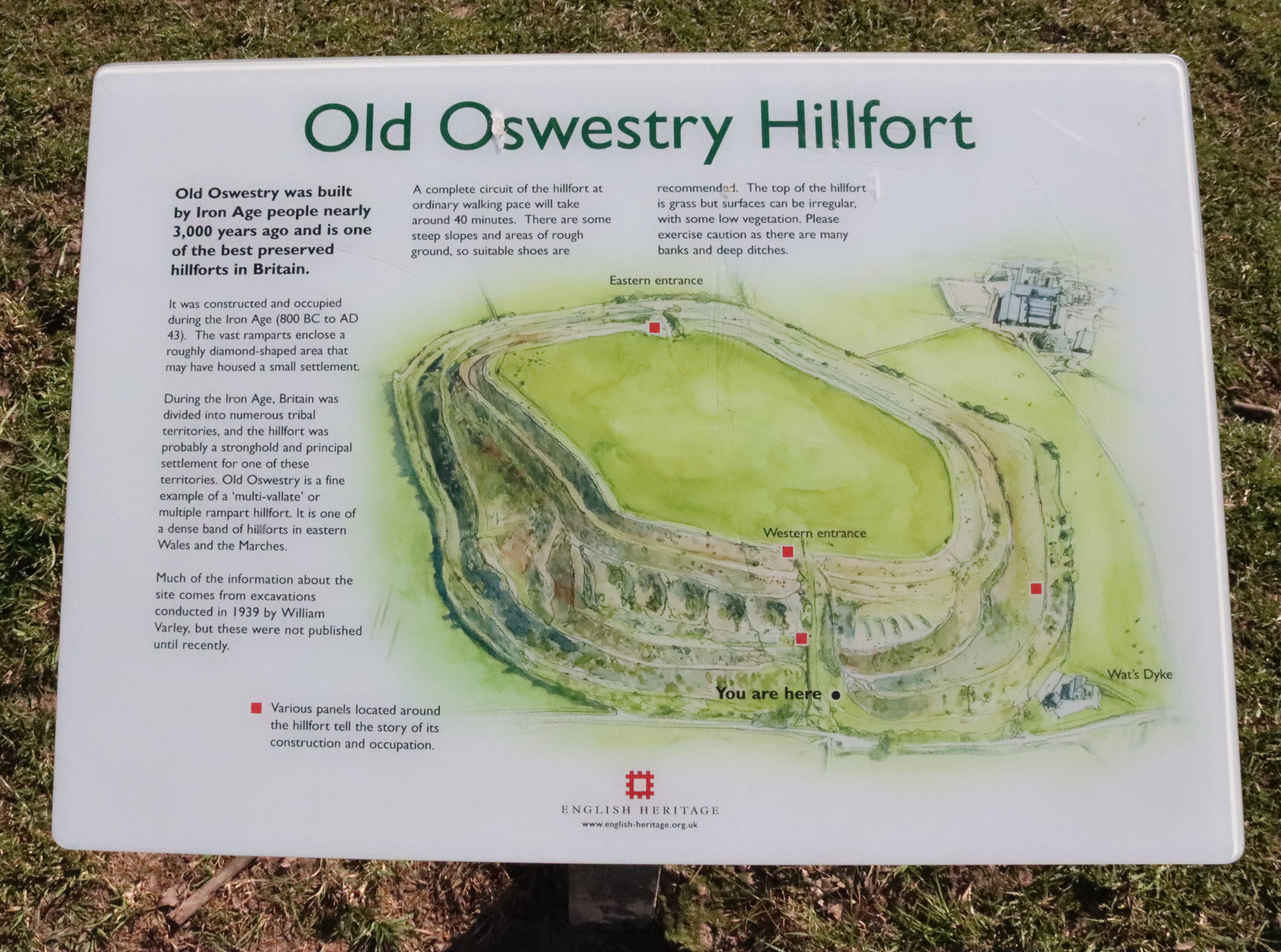
1863 was a much better year and she carried a total of some 2700 passengers to New York and 950 in return over three trips.  Still, she made a substantial loss thanks to a pricing war started between the Cunard and Inman Lines, which pushed fares down to below the 1862 rates.  Combined with mortgage and creditor debts, the Great Eastern was no longer viable, and she was put up for auction in January 1864.  She failed to meet her reserve, and the ship was withdrawn from sale.  Instead, she was sold privately for £25,000 to a new company formed to buy her for cable laying, The Great Eastern Steamship Company.  

The following years were Great Eastern‘s  most productive.  She was ideally suitable for laying telegraph cables along the floor of the Atlantic, the only ship large enough to carry the machinery and the 2,000 nautical miles of cable required to reach from Ireland to America.  She was first engaged on this work from 1865-1866.  Although the first attempt to lay cable failed due to problems with both the cable laying equipment and the cable itself, the value of Great Eastern herself was proved, and the second attempt in July 1866 was a great success, and there were now two telegraph cables lying across the seabed of the Atlantic.  A dividend of 70%  was returned on the Great Eastern Steamship Company’s shares.

Great Eastern and the Paris Exposition Universelle of 1867

Magnificent painting of Great Eastern under repair at New Ferry, by Edwin Arthur Norbury. The Illustrated London News engraving at the top of the post is thought to have been based on this painting. Source: Artware Fineart

Great Eastern had been a familiar sight on the Mersey from the early 1860s, when she often used Liverpool as a base for her transatlantic crossings.  The Mersey was one of the few rivers wide enough and sheltered enough to provide her with safe harbour when she was not at sea.  After 1866, Great Eastern returned to Milford Haven.  The Great Eastern Steamship Company, having completed its work, jumped at the opportunity to rent her out for a one-off voyage as a passenger ship.  She was leased for £1,000 a month to a French company, La Société des Affréteurs du Great Eastern, which planned to use her to take around 3000 wealthy Americans to the Paris Exposition, and was moved to the Mersey for a refit.  Some illustrations refer to her being at New Ferry, others at Rock Ferry. There is some confusion in publications over whether New Ferry or Rock Ferry was the most appropriate name for the location.  In fact, both appear to refer to the Sloyne, an anchorage in the Mersey, lying off shore where Tranmere Oil Terminal is located.  It was popularly used as a mooring for particularly deep ships, including the Royal Navy training ship HMS Conway

The French company agreed to pick up the bill for refitting Great Eastern, together with new screw boilers, at a cost of £80,000. A Liverpool company picked up the contract to restore her to her former finery and overhaul the engines, work taken place at the Sloyne, as shown in the picture above and at the top of the post, between 19 January and 21 February 1867, ready to sail in March.

The story of Great Eastern‘s repairs was reported 26th January 1867, as follows in the Brecon County Times Neath Gazette and General Advertiser for the Counties of Brecon Carmarthen Radnor Monmouth Glamorgan Cardigan Montgomery Hereford.

Account of the repairs to Great Eastern at Rock Ferry. Source: Brecon County Times

BEACHING OF THE GREAT EASTERN. The big ship was, on the 19th, placed on the grid- iron at New Ferry, just above Liverpool, on the Cheshire side of the river. The gridiron, on which the ship now rests, was constructed about three years ago, when the vessel was first overhauled in the Mersey, but has since been altered, strengthened, and very much improved. There was a very high spring tide, and although the ship was drawing 18 feet 6 inches of water on an even keel, there was quite sufficient depth on the shore to render the operation of beaching a safe one. She lies broadside on the grid running parallel with the river. About nine o’clock a.m. all was in readiness, and the ship left her moorings. Sir James Anderson, the commander of the big ship, attended to the navigation, while Mr. Brereton, the successor to Mr. Brunel, and Mr. Yockney, carefully watched the engineering department.  Four steam-tugs (two on each side the Great Eastern assisted to keep the vessel in position, as with scarcely perceptible motion she neared the beach. The screw engines only of the big ship were worked. Tie screw boilers have been taken out of the ship, and are to be replaced by new ones, and the screw engines were consequently worked from the paddle boilers. The big ship took the grid about ten o’clock. She was placed with great nicety in the exact position fixed upon. Every- thing passed off without the slightest accident, and the beaching may be said to have been accomplished in the most skillful and successful manner. The Great Eastern is kept in position by two massive dolphins. Although her sides and bottom are rather dirty, the lines, bolts, and rivets appear in excellent order. The gridiron is perfectly flat for 60 feet wide, and the big ship rests in perfect security upon it. Every precaution has been taken to prevent accident. Thousands of men are at present engaged on the ship, and she will be ready at the time specified to trade between New York and Brest. Her first voyage after she comes off the grid-iron will be from Liverpool to New York, with goods and passengers.

Great Eastern sailed to New York with 123 passenger on board, which took a lengthy 14 days due to storms and the need to run in new parts.  Jules Verne, renowned for his novels about futuristic technology, was on board Great Eastern when she left the Mersey .  His subsequent novel The Floating City, is a real mixed blessing, combining his own real world experiences with a very bad fictional drama.  In spite of that, the bits of his text where he talks about the ship herself are excellent.  One of my favourite bits describes her leaving her mooring on the Mersey before heading across the Atlantic (the rest of this account can be found at the end of this post):

Illustration in the Jules Verne book The Floating City

At this moment large volumes of smoke curled from the chimneys; the steam hissed with a deafening noise through the escape-pipes, and fell in a fine rain over the deck; a noisy eddying of water announced that the engines were at work. We were at last going to start.

First of all the anchor had to be raised. The Great Eastern, swung round with the tide; all was now clear, and Captain Anderson was obliged to choose this moment to set sail, for the width of the Great Eastern, did not allow of her turning round in the Mersey. He was more master of his ship and more certain of guiding her skilfully in the midst of the numerous boats always plying on the river when stemming the rapid current than when driven by the ebb-tide; the least collision with this gigantic body would have proved disastrous.

To weigh anchor under these circumstances required considerable exertion, for the pressure of the tide stretched the chains by which the ship was moored, and besides this, a strong south-wester blew with full force on her hull, so that it required powerful engines to hoist the heavy anchors from their muddy beds. An anchor-boat, intended for this purpose, had just stoppered on the chains, but the windlasses were not sufficiently powerful, and they were obliged to use the steam apparatus which the Great Eastern, had at her disposal.

At the bows was an engine of sixty-six horse-power. In order to raise the anchors it was only necessary to send the steam from the boilers into its cylinders to obtain immediately a considerable power, which could be directly applied to the windlass on which the chains were fastened. This was done; but powerful as it was, this engine was found insufficient, and fifty of the crew were set to turn the capstan with bars, thus the anchors were gradually drawn in, but it was slow work.

A dining room on the Great Eastern. Source: National Library of Ireland

After an on-board accident leaving port, the ship reached New York without further incident, and preparations were immediately made for her voyage from New York to Brest in France, from where passengers were to be sent on to Paris.  She had berths prepared for 3000 passengers, but the lengthy  outward passage, much publicized, proved to be a deterrent and she left New York with only 191 on board.  This was a disaster for the French company that had invested so much in her.  It was also a disaster for the Great Eastern Steamship Company, which was caught up in legal disputes concerning unpaid crew fees amounting to £4500.00.  When the company told aggrieved crew members to sue the French firm that had leased the ship, they took legal advice.  Great Eastern was seized by the Receiver of Wrecks, and the Great Eastern Steamship Company eventually awarded the crew a miserly £1500.00. No dividend was paid in 1867.

From 1869 to 1870 and between 1873 and 1874, the great ship had returned to cable work.  Between these two contracts she sat unused at anchor on the Mersey and in 1874 was returned to Milford Haven where she again sat unused.

Great Eastern’s final days on the Clyde and the Mersey 

Back in Milford Haven, no-one could think of a commercially viable use for Great Eastern, and she was beached on a gridiron  in 1874 and was left there for twelve years.  In 1885 she was eventually auctioned to a coal haulier, Edward de Mattos for £26,200, who had first shown interest in her in 1881.  He is thought to have wanted her as a coal hulk in Gibraltar, but his plans fell through, and he agreed to lease her to Louis S. Cohen. Cohen, managing director of Lewis’s Emporium in Liverpool, one of the earliest department stores, had attempted to purchase the ship himself to use as a show boat, but  was prevented by some of his mortgagees.  Leasing her was the next best solution, and Cohen hired crew to bring her from Milford Haven to Liverpool, inviting 200 guests to enjoy the voyage.  In May, she left Milford Haven, once her engines were persuaded back to life by one of her former engineers, George Beckwith.  Having sat unused for so long, her paddles had rusted and were useless, but the screw propeller was in tact and the engines obediently fired up.  Unsurprisingly, the engines could not achieve anything like maximum output, and the hull was mired with seaweed, mussels and limpets, but she still averaged 5 1/2 knots.  The engines failed once when pipes burst, and there was a small fire, but these problems were resolved en route and the guests were delivered safely to their destination.  News of her upcoming arrival in the Mersey had generated considerable interest, and the crowds began to gather.

All along the shore from Crosby crowds of people might be seen assembled looking for the arrival of the big ship.  Tugs crowded with persons approached and cheered.  The Cheshire shore and the New Brighton pier were crowded, and all the way up the river on either side the shore riverwalls and landing stages were black with spectators. (New York Times).

Great Western with an advert for Lewis’s department store painted on her hull, on the Mersey. Source: Royal Museums Greenwich (P10569)

Advertising was painted on her hull, promoting Cohen’s own chain of Lewis’s department stores, the painting having been carried out before her arrival at Liverpool.  Lewis’s was a local success story.  It was founded in 1856 by the son of a Jewish merchant who called  David Levy, who changed his name to Lewis.  He did an apprenticeship with tailors Benjamin Hyam and Co, and at the age of 23 opened a boys’ clothing shop.  His wife’s nephew was Louis Cohen, and the two teamed up to grow the business into the Lewis’s supermarket chain, with the flagship store in Liverpool, and branches opening during the later 19th Century in Manchester, Sheffield and Birmingham, all marketed with the slogan “Lewis’s are friends of the people.” David Lewis died in 1885, after which Louis Cohen took over the entire enterprise.  The entrepreneurial spirit that drove the retail chain was clearly drawn to the marketing possibilities of Brunel’s great ship.

Moored on the Wirral side of the Mersey, visitors had to be ferried over to Great Eastern from Liverpool, and there was no shortage of visitors willing to pay a shilling for a visit, accompanied by entertainments including music and dancing, and religious music played on a Sunday.

Great Eastern laid up in Milford Haven. Source: Source:  Isle of Dogs – Past Life, Past Lives blog

When Cohen’s contract came up for renewal, he decided against renewing and de Mattos decided to covert Great Eastern into a funfair, with space rented out to performers, vendors and other interested parties.  She opened complete with merry-go-rounds and acrobats, with a music hall, a dining room and bars.  After opening in Liverpool, she spent the winter in Dublin with adverts for tea painted on her hull, returning to Liverpool in April 1887.  She was now refused a license for alcohol, possibly because of church objections to the employment of workers on a Sunday, even for performances of sacred music.  The novelty had worn off and the revenues dried up, and she was moved to Greenock on the Clyde in August 1887, to lure in residents of Glasgow who were delivered by steam packet, but again the scheme was a financial failure.  The ship was put up for auction and posters were printed publicizing the sale.

TO BE SOLD AT PUBLIC AUCTION on Thursday 20th October 1887 at 12 O’Clock, at the Brokers’ Saleroom, Walmer Building, Water Street, Liverpool, if not previously disposed of by private treaty, THE CELEBRATED, WORLD-RENOWNED, MAGNIFICENT, IRON PADDLE AND SCREW STEAMSHIP ‘GREAT EASTERN’, as she now lies in the Clyde. Lately steamed from Dublin to Liverpool and then to the Clyde with her screw engine, which is 1,000 h.p. nominal; paddle engines are 1,000 h.p. nominal. She has lately been painted and decorated.

The ship was now purchased by a Mr. Craik for £26,000 who seems to have been de Mattos’s manager and had bid on the ship to prevent a financially ruinous sale.  After several more weeks of failure to find a buyer for Great Eastern, she was sold to a shipbreakers for £16,500.

This cartoon was published in 1858 at a time when members of the media were poking fun at the multiple failures to launch the ship, which at that stage was still called “Leviathan.”  It is bizarre and truly regrettable that this silly satire became the commercial reality nearly 30 years later. By Watts Phillips. Source: Mariners’ Blog

By October, Great Eastern was again up for sale, and was purchased only to be auctioned for scrap in 1888 to Henry Bath Ltd, 30 years after her launch in London on the Thames.  Henry Bath was established in 1794, and is still going today, although no longer involved in ship breaking.  She left the Clyde on 22nd August 1888.  Unable to make more than 4 knots, she was provided with a tow from the accompanying tug boat, Stormcock.  It took three days to move her to  the Mersey.

Great Eastern, beached in advance of being broken up on the Mersey, Wirral side.  Source: Liverpool Echo

Great Eastern was broken up on the Mersey on the same gridiron erected for the repairs.  It is a measure of how big an impression she still made that there was a huge demand for souvenirs, with people lining up to buy pieces of the ship before she the work began.   Breaking began on 1st January 1889.   In this too she ate into her new owner’s profits.  The company directors had estimated that it would take 200 men a year to break up the ship, but she was so well built that it took nearly two years to complete the brutal and punishing task of taking her apart. Her buyers, having been very happy with the purchase price and having made an excellent start selling pieces of her hull and her fittings, had looked forward to a substantial profit from breaking her up as scrap.  Instead, they found themselves paying out for far more man-hours than anticipated, as well as having to bring in additional machinery, including wrecking balls, to finish the job.  She was broken up at a loss.

Final comments

Flagpole at Anfield, which was originally a topmast from Great Eastern. The flagpole still stands today. Source: Play Up, Liverpool

There are plenty of paintings and contemporary newspaper articles, as well as original documentation, from which much of the Brunel and Great Eastern story have been retold in books, articles, museums and art galleries.  An example is a display in the  Merseyside Maritime Museum’s Emigration Gallery where the ship’s bell is preserved.  There is also a silver model of the ship made for the son of Captain Paton, who had been with the ship from 1860-1863.  Captain Paton’s son, James Paton, had been born on board Great Eastern.  A part of one of the ship’s funnels, which exploded during her sea trials, is now at the S.S. Great Britain Museum, saved after she put into Weymouth for repairs.  In 2011, Time Team, a Channel 4 archaeological series carried out a geophysical survey on the Mersey foreshore that suggested that some small pieces of the ship are still buried where she was broken up on the Mersey.  Perhaps the most unusual remnant of the ship is at Liverpool FC in Anfield, where one of Great Eastern‘s top masts is used as a flagpole.  There must be dozens of souvenirs purchased in the final days before Great Eastern was broken up, still out there, perhaps unrecognized.

The Leviathan or Great Eastern Steam Ship.  Source:  Royal Museums Greenwich

It is often said that Great Eastern was ahead of her time, but in some ways, she was too late for the moment when she would have fulfilled Brunel’s vision of filling her to capacity with passengers.  The gold rushes of California (1848–1855) and Australia (1851-1860) saw massive emigration from the UK.  In Australia, by the early 1870s the population had tripled, and most of the emigrants accounting for this phenomenon were carried on sailing ships in often dreadful conditions; they would have been far better off on Great Eastern.  It remains something of a mystery to me why, after her initial service in the US and as a cable layer, she never did go to Australia.  In 1869 the Suez Canal opened, putting many sailing ships out of business in China, because they were unable to navigate the Red Sea’s difficult cross-winds, whilst steam ships could chug on regardless, in a fraction of the time.  Full-rigged tea clippers like Cutty Sark (launched in 1869) shifted on to the Australian route, carrying out passengers and goods for wealthier emigrants and farmers, and returning with sheep wool.  Steam ships of the era could not carry sufficient coal to be competitive on the Australian route, but Great Eastern would have been perfect.  Emerson interestingly suggests that some of the company’s directors may have wanted to avoid putting her into competition with shipping lines serving Australia and the Far East in which they had interests.  

As Kenneth Clark said in his classic book Civilisation, Brunel “remained all his life in love with the impossible.”  There are plenty of survivors to remind us of this wild, explosive imagination.  One of Brunel’s earlier and brilliant ships, the Great Britain, has been preserved in dry dock in Bristol, and his railways and bridges are still used today.  It is a true tragedy that Great Eastern could not be rescued, but she really was too big and expensive to maintain.  It is impossible to imagine how she could have been saved.  Brindle calls her Brunel’s “ultimate triumph, and his greatest folly.”  Sad.

I am left wondering it was like to be at the helm of such an enormous ship, powered by steam or sail, propelled by screw or paddle.  So far, I have found nothing about what it was like to handle that vast, glorious bulk, so please let me know if you know of any first-hand accounts by one of her former captains or crew.

The same length as Great Eastern, the Silver Spirit, photographed in 2021. Source: Vessel Finder

Cruise ships today are still being made that are the same length as Great Eastern, although their other vital statistics are  unsurprisingly considerably different.  One example is Silversea’s Silver Spirit, 211m long (the same length as Great Eastern), with a passenger capacity of 608.  Although she was shorter when first built in 2009, she was cut in half and a middle section added in 2018 and is now, from bow to stern, the same length as Great Eastern.

The following is a short but visually appealing 2-minute Royal Museums Greenwich video about Brunel and the Great Eastern:


Here’s more from Jules Verne on what it was like to be on board the leviathan.

A Floating City
Chapter V – Off at Last [leaving the Mersey]
Jules Verne

THE WORK of weighing anchors was resumed; with the help of the anchor-boat the chains were eased, and the anchors at last left their tenacious depths. A quarter past one sounded from the Birkenhead clock-towers, the moment of departure could not be deferred, if it was intended to make use of the tide. The captain and pilot went on the foot-bridge; one lieutenant placed himself near the screw-signal apparatus, another near that of the paddle-wheel, in case of the failure of the steam-engine; four other steersmen watched at the stern, ready to put in action the great wheels placed on the gratings of the hatchings. The Great Eastern, making head against the current, was now only waiting to descend the river with the ebb-tide.

The order for departure was given, the paddles slowly struck the water, the screw bubbled at the stern, and the enormous vessel began to move.

The greater part of the passengers on the poop were gazing at the double landscape of Liverpool and Birkenhead, studded with manufactory chimneys. The Mersey, covered with ships, some lying at anchor, others ascending and descending the river, offered only a winding passage for our steam ship. But under the hand of a pilot, sensible to the least inclinations of her rudder, she glided through the narrow passages, like a whale-boat beneath the oar of a vigorous steersman. At one time I thought that we were going to run foul of a brig, which was drifting across the stream, her bows nearly grazing the hull of the Great Eastern, but a collision was avoided, and when from the height of the upper deck I looked at this ship, which was not of less than seven or eight hundred tons burden, she seemed to me no larger than the tiny boats which children play with on the lakes of Regent’s Park or the Serpentine. It was not long before the Great Eastern, was opposite the Liverpool landing-stages, but the four cannons which were to have saluted the town, were silent out of respect to the dead, for the tender was disembarking them at this moment; however, loud hurrahs replaced the reports which are the last expressions of national politeness. Immediately there was a vigorous clapping of hands and waving of handkerchiefs, with all the enthusiasm with which the English hail the departure of every vessel, be it only a simple yacht sailing round a bay. But with what shouts they were answered! what echoes they called forth from the quays! There were thousands of spectators on both the Liverpool and Birkenhead sides, and boats laden with sight-seers swarmed on the Mersey. The sailors manning the yards of the Lord Clyde, lying at anchor opposite the docks, saluted the giant with their hearty cheers.

But even the noise of the cheering could not drown the frightful discord of several bands playing at the same time. Flags were incessantly hoisted in honour of the Great Eastern, but soon the cries grew faint in the distance. Our steam-ship ranged near the “Tripoli,” a Cunard emigrant-boat, which in spite of her 2000 tons burden looked like a mere barge; then the houses grew fewer and more scattered on both shores, the landscape was no longer blackened with smoke; and brick walls, with the exception of some long regular buildings intended for workmen’s houses, gave way to the open country, with pretty villas dotted here and there. Our last salutation reached us from the platform of the lighthouse and the walls of the bastion.

At three o’clock the Great Eastern, had crossed the bar of the Mersey, and shaped her course down St George’s Channel There was a strong sou’wester blowing, and a heavy swell on the sea, but the steam-ship did not feel it. . . .

Our course was immediately continued; under the pressure of the paddles and the screw, the speed of the Great Eastern, greatly increased; in spite of the wind ahead, she neither rolled nor pitched. Soon the shades of night stretched across the sea, and Holyhead Point was lost in the darkness.


Colour lithograph (7 in total) of the S.S. ‘Great Eastern’, designed by Isambard Kingdom Brunel and John Scott Russell, launched 1858. 1850s. Longitudinal section. Scale 1/8″ : 1′. Flat copy. Click to see bigger image, and click the link following to see close-up details in sections. Source:  The Science Museum

Sources:

Books and papers

Brindle, S. 2005.  Brunel. The Man Who Built the World. Weidenfeld and Nicolson

Cadbury, D. 2003.  Seven Wonders of the Industrial World. Harper Perennial

Emmerson, G.S. 1980. The Greatest Iron Ship.  S.S. Great Eastern. David and Charles

Maggs, C. 2017. Isambard Kingdom Brunel. The Life of an Engineering Genius. Amberley Books

Rolt, L.T.C. 1957 (with an introduction by Buchanan, R.A. 1989). Isambard Kingdom Brunel. Penguin

If you want to know more about Brunel or Great Eastern and are looking for just one book to read:
Of all the books about Brunel in general, rather than the Great Eastern specifically, I found both Maggs and Rolt the most useful. Rolt offers the best narrative with most detail (447 pages). Maggs is also thoroughly digestible, and is the best for quoting Brunel himself (310 pages).  Brindle is by far the least useful for detailed analysis (195 pages), but is an enjoyable romp through Brunel’s life.  All three have shiny illustrations and photographs clumped together.  All three, being about Brunel, end with his death, and do not pursue the longer term fortunes of any of his ventures.
Regarding Great Eastern, Emerson’s book is invaluable, with a good analysis and some terrific photographs, although it is not always easy to track dates; Cadbury did an excellent job in the chapter of her book (and the other chapters on other engineering triumphs of the period are also a good read); the chapter by Maggs is short, but quotes Brunel extensively, which offers great insight into Brunel’s thinking; Rolt provides a lot of excellent detail in two and a half chapters on the subject; finally, Brindle devotes only 21 pages to all three best-known ships, which renders it fairly useless for insights into Great Eastern.

Websites

Artware Fine Art
Text about the picture “The Great Eastern beached on the gridiron New Ferry , On the Cheshire Bank of the Mersey February 1867 with workers maintaining the Hull”
https://www.artwarefineart.com/gallery/great-eastern-beached-gridiron-new-ferry-cheshire-bank-mersey-february-1867-workers

Dead Confederates. A Civil War Era Blog
The World’s Largest Troopship
https://deadconfederates.com/2014/09/29/the-worlds-largest-troopship/

Grace’s Guide
S.S. Great Eastern
https://www.gracesguide.co.uk/SS_Great_Eastern

Henry Bath Ltd
History
https://www.henrybath.com/about-us/history

History of the Atlantic Cable and Underseas Communication
Great Eastern by Bill Glover
https://atlantic-cable.com/Cableships/GreatEastern/index.htm

The Illustrated Times
The Death of Mr Brunel
https://tinyurl.com/4trdatfn

Isle of Dogs – Past Life, Past Lives
From Millwall to the Kop – the story of Great Eastern
https://islandhistory.wordpress.com/2014/10/07/from-millwall-to-the-kop/

JulesVerne.ca
Timeline of the Great Eastern
http://www.julesverne.ca/greateastern.html

Liverpool Echo
Can you help solve this decades-old Anfield mystery?
https://www.liverpoolecho.co.uk/sport/football/football-news/liverpool-anfield-great-eastern-flagpole-16558997

Liverpool Echo
Store that has its heart in Liverpool
https://www.liverpoolecho.co.uk/news/liverpool-news/store-heart-liverpool-3512499

Lyttleton Times, vol.VIII, Iss.496, 5 AUGUST 1857, page 3 (originally from The Times)
The Great Eastern
https://paperspast.natlib.govt.nz/newspapers/LT18570805.2.6

New York Times
The Great Eastern. Details of a Voyage from Milford Haven to Liverpool, May 1886
http://timesmachine.nytimes.com/timesmachine/1886/05/23/103112495.pdf

Old Mersey Times (originally from the Daily Post, January 23rd 1860)
Death of Captain Harrison of the Great Eastern.
http://www.old-merseytimes.co.uk/captharrison.html

Shipping Wonders of the World
The Famous Great Eastern
https://www.shippingwondersoftheworld.com/great-eastern.html

The Sydney Morning Herald (NSW : 1842 – 1954) Sat 31 Dec 1892, p.10
THE LATE CAPTAIN JOHN VINE HALL.
https://trove.nla.gov.au/newspaper/article/13891898

Victoria and Albert Museum
Photographing the Great Eastern
https://www.vam.ac.uk/articles/photographing-the-great-eastern


Great Eastern water-colour in the Williamson Art Gallery Collection at Birkenhead.
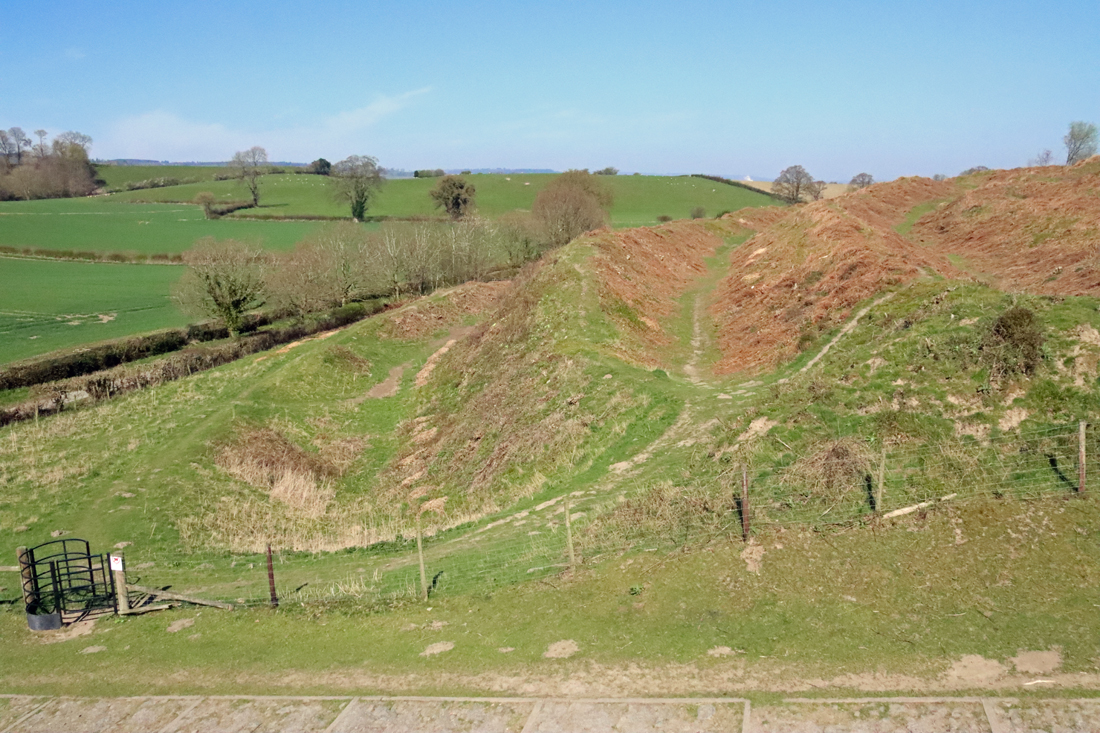
Great Eastern at Hearts Content Cable Station

Painting by Charles James Lewis of the Atlantic Telegraph Expedition landing of the cable in Hearts Content Cable Station in Newfoundland, Canada, on July 27 1866, which he witnessed. Source: PK Porthcurno