The Close oblique view from the Newcastle-Congleton road of the absurd half-timbered structure, crowned by an unbroken length of gallery window like some fantastic elongated Chinese lantern, and toppling, if not positively bending over the tranquil water of a moat, the whole an ancient pack of cards about to meet from the first puff of the wind its own reflection, is something which once seen can never be forgotten.
James Lees-Milne, “People and Places,” 1992
The half-timbered moated Little Moreton Hall shows to particular advantage against a blue sky, and with spring daffodils and violets dotted around its gardens, and a neatly clipped knot garden, it was looking particularly fresh and sparkling on Wednesday last week. It seems more than a little miraculous that it is still standing, as parts of it tilt away from other parts, and there are bends and kinks where no building should have them. But at the same time it is so beautifully cared for that it looks pristine, as though it was designed to be like that. As the guide book says, it looks as though it is defying gravity. The impression is misleading and it has taken many different phases of restoration work to keep the building in once, secure piece.
The visit to the house is self-guided and is split between the ground floor, entered on one side of the courtyard, and the first floor, via the staircase opposite. The house is entered via the bridge across the moat, which leads through the first set of buildings into the courtyard. The courtyard itself is a multi-textured vista of architectural features, carvings, mouldings, decorative shapes and tiny panes of window glass known as quarries, all forming different, mind-bending geometric patterns. There is so much to take in that it is difficult to know where to start looking.
The Tudor reigns produced a wide variety of architectural styles, and the half-timbered manor house was a particular feature of this part of the world, with good examples still remaining at, for example, Speke Hall in Liverpool, Pitchford Hall in Shropshire and the smaller Churche’s Mansion in Nantwich. Today the oak timbers are usually painted black, but this was not how they would have appeared in the Tudor period, when the oak would have been allowed to fade to a silvery colour. It was a Victorian idea that the timbers should be preserved that led to them being painted black.
The house was built and owned by the Moreton family who passed it down through generations until it was handed over to the National Trust in 1938. The Moretons were not landed aristocrats, and seem to have been both farmers and property speculators, buying land when it became available (most notably after the Black Death of 1348 and the suppression of the monasteries by Henry VIII in the mid 1500s), accumulating some 1360 acres (550 hectares) by the mid-6th century, most of which they rented out.
The prosperity of the Moretons was reflected in many additions to the house as a much-valued status symbol. Joan Beck in Tudor Cheshire comments that contemporary writers “wrote almost exclusively about the gentry and the farmers, for, with due respect to the nobility, these were the folk who mattered and who were responsible for all the improvements. There was a remarkable amount of new building and, where houses remain, the style of architecture and the size corroborate the story of wealth spent in this tangible way. This was an age of materialism.” This prosperity lasted until they declared in favour of the Royalists during the Civil War in 1642, after which the house was no longer expanded and began to deteriorate. Sadly there are only a few surviving records of the Moretons and their activities, most of them legal.
The Great Hall
Four members of the Moreton family were responsible for the establishment and development of the Hall from the early 16th century until the mid 17th century. William Moreton I (d.1526) had married into the prominent local Brereton family, and it was he who began to build the house. It was made up of timber frames that were pegged together. Thin sections of wood linking the panels, which were plastered and whitewashed, and brick fireplaces and internal staircases helped to give the whole structure stability.
William Moreton II (c.1510-63) was responsible for the north-west wing, the porch and, later, adding a first floor and the twin bay niches in the courtyard.
John Moreton (c.1541-98 followed, and it was he who created the delightful paintings in the ground floor parlour and the chapel (with the text in English rather than liturgical Latin, a significant sign of the religious times).
The painted parlour
The greyhound was part of the heraldry of the Moreton family
William Moreton III’s (1574-1654) contributions were more prosaic, adding the brew and bake houses. He seems to have lavished most of his income on members of his extended family. He was arrested during the Civil War and although he was released, his estate was confiscated in 1643 to be used as occasional billeting for the Parliamentarian soldiers and horses. With their finances in tatters and their home deteriorating, the house remained in the family, but they no longer lived there and chose instead to rent out it out. In the 18th and 19th centuries the house became an object of curiosity, visited like so many other distinctive and ruinous buildings by artists looking for romantic subjects.
The best way to understand each of the rooms in the house is to to buy a guide book. The current version is excellent, and provides much of the information in this post, but the previous edition by a different author is also very good as well. However, there is one room that should be highlighted – the Long Gallery.
An inventory of 1601 suggests that it was build before that date. A casual glance at it from the outside shows that it has a dog-leg part way along, implying that it has slumped. The problems lie in the way in which it was built contrary to the convention of placing an upper room directly over the frame of the room below, ensuring that the existing structure provided the new level with as much support as possible. The gallery, however, is much narrower than the room beneath, perhaps to give provide a greater impression of length. The result is that it has no direct support and is additionally weighed down by the stone slabs that cover the roof. Repairs began almost as soon as it was built. In the 1890s iron tie-rods were added and in the late 1970s and 1990s steel was used to improve the structural stability. It is a glorious feature, with panelling, decorative woodwork in the ceiling, cross beams and banks of windows with tiny quarries. At each end is a painted plasterwork frieze showing excerpts from The Castle of Knowledge.
In the parlour off the Long Gallery is a striking and elaborate stone fireplace overmantel. Appearances are deceptive here. The fireplace is level, but the rest of the room is askew! It shows Justice and Prudence, popular 17th century Protestant themes, flanking the central panel, which would have been brightly painted (much like Plas Mawr in Conwy today). The coat of arms celebrates the marriage in 1329 of John de Morteon to Margaret, an heiress and daughter of John de Macclesfield. The leaded quarries in here are particularly pretty, and there is one that contains a piece of 1642 graffiti.
The fireplace in the Great Parlour, showing the coat of arms of Elizabeth I
The home farm was established at the same time as the house, just across the moat in a neighbouring field, complete with the surviving cruick barn, as well as structures that are now lost, including stables and a dovecot. At the rear of the house the knot garden, based on a 17th century design and planted in 1972, is flanked by a gorgeous yew tunnel. To the side of the house, tables and chairs provide a lovely location for café users (excellent coffee and a fab bacon bap). A walkway follows the line of the towpath from one side of the bridge to the other. The plants in the garden have been chosen to reflect Tudor choices – many of them not only ornamental but useful too. I had never heard of skirret (a white fleshy root vegetable like parsnips, a favourite of Henry VIII. I had also never come across tussey musseys – posies of flowers and herbs carried as protection against disease. Wild strawberries were not merely delicious but were used to treat cuts and bruises.
There is a viewing platform beyond the moat, which provides a slightly elevated view (the photograph at the very top of the post). A shop sells National Trust products and has shelves full of second hand books (with proceeds going to charity). This is a National Trust property, with plenty of parking. Visitor details are on their website.
With many thanks to Helen for the great company on a day that was both satisfyingly cultural and, over coffee and a bacon bap, profoundly lazy 🙂
Little Moreton Hall by George Theaker, c.1886
Sources:
Beck, Joan 1969. Tudor Cheshire. Volume Seven of a History of Cheshire. Cheshire Community Council.
Stubbs, Susie 2015. Little Moreton Hall. The National Trust
Rowell, Christopher, revised by Jeremy Lake 1984. Little Moreton Hall. The National Trust
15th century fan vaulting in the under chapel at St Winefride’s well. late 15th – early 16th century
On Friday I took advantage of a sunny cold day to revisit St Winefride’s Well and its late Medieval chapels. During the Middle Ages it was a major draw for pilgrims to north Wales, with its shrine, beautiful bubbling spring and the Basingwerk Abbey a few minutes away. St Winefride’s (Welsh Gwenfrewi) shrine and the Holywell (Treffynnon) parish church were granted in 1093 to St Werburgh’s Abbey in Chester for them to manage and from which to derive an income. It was later consigned to Basingwerk Abbey.
Nothing is known about what sort of buildings preceded the late medieval building that we see today, but there are details about Saint Winefride, a list of some of the well’s most notable earlier medieval visitors and details about the measures that were taken to promote the interests of the shrine throughout its history following the Norman Conquest. The role of the abbey in the success of the well can also be seen.
View of the chapel from the south. The chapel is over two floor. The fan-vaulted ground floor has three bays, with the central one containing the well itself. The upper chapel is fully enclosed and its entrance is on the same level as the entrance of the parish church.
An abbey with a pilgrim shrine had a range of opportunities for income generation, and St Winifred’s was famous for its powers of healing and provision of miraculous cures for centuries. In around 1480 a wealthy patron, possibly Henry VII’s mother Lady Margaret Beaufort, invested in the shrine, providing the miraculous spring with a gorgeous, lofty fan-vaulted open-fronted chapel, as well as an enclosed chapel overhead. Today both parts of the chapel are very well cared for, located on the edge of the Green Valley Park, which has a superb industrial heritage trail wending through it (see my earlier post here). There is plenty of parking at both the well and at the abbey, described at the end of this post.
Fan vaulting with roof bosses in the lower chapel. From left to right, the rebus of Elizabeth Hopton (showing a rebus of her name, with a hop plant emerging from a barrel or tun); two monkeys, which may have a number of interpretations; and a fleur de lys (representing chastity, often used for the Virgin Mary but also suitable for St Winefride).
There’s a real sense of this being a costly but personal project, particularly in the vaulted lower chapel, which in terms of elaborate ecclesiastical architecture is tiny, although its height gives a sense of heading heavenwards. Although no documentation survives to say who was responsible for funding the building, the Stanley family’s crests and symbols give an impression of a cherished project and the sheer amount of other imagery are reminiscent of cathedrals and large churches of the period. It manages to be both impressive and intimate, which is quite a trick. The chapel upstairs is more conventional in terms of both its size and its layout. What I missed on my first visit is that the wooden ceiling supports all have sculptural elements sitting on their corbels, as well as more easily visible stone ones lower down. In both upper and lower chapels, as well as the inherent beauty of the architecture, there is humour as well as religious, pagan, family and royal themes in the imagery. xxx
xxx
St Winefride’s well, in the star-shaped basin late 15th – early 16th century
St Winefride and St Beuno
There are a number of versions of the story of the miracle of St Winefride or Welsh Gwenfrewi (also spelled Winefred and Winifred), and her uncle and tutor St Beuno. The earliest that remain preserved date to the 12th century, and excerpts have been translated and published by T.W. Pritchard in his detailed 2009 book about the well.
Winefrede and Beuno in the modern stained glass in the little prayer chapel for worshippers today, next to the main chapels. The palm represents the spiritual victory of martyrdom, whilst the crozier (staff) symbolizes teaching, wisdom and guidance.
Winefride was born towards the beginning of the 7th century in the cantref of Tegeingl, in northeast Wales, the only child of Tyfid and his wife Gwenlo, or Wenlo, who were landholders in the area. One of the 12th century accounts says that Tyfid’s estate was made up of four manors.
Winefride had decided to renounce marriage and to dedicate herself to God and the teachings of Christ. Christianity was well established throughout Britain, partly due to missionaries who were often commemorated as saints for their work. One of these was St Beuno, who had moved to the area from mid Wales and was engaged by Tyfid to teach Winefride, in return for land on which to build a church. St Beuo built a church in a valley called Sychnant (dry valley), which is now Greenfield Valley, Holywell, where the well is located.
Sculpted figure, possibly St Beuno
One day, Winefride was at home alone whilst her parents were attending mass at the church, and a local prince, Caradog, knocked on the door. She suggested he return later, but he became determined to marry the girl (who was of course beautiful). Pretending to go and get changed, she ran to the church. Caradog, realizing that he had been deceived, set out in pursuit and when he caught up with her near the door to the church, decapitated her in a fit of rage. Beuno, hearing the noise, rushed out of the church and, finding a terrible scene, began to pray for help. His prayers were answered. Caradog melted into the ground, never to be seen again, and Beuno picked up her head and placed it back on her neck. She came back to life, with only a slender white scar showing where the injury had been. Instantly a spring erupted at the spot where her blood had been spilled. The stones in the spring were said to be permanently red, the moss that grew around it had an aroma of incense and the waters produced miraculous cures. The story continues, but the abbreviated version is that Winefride became a nun, moving from Holywell to Gwytherin to oversee 11 nuns as abbess, where she died and was buried.
Statue of St Winefride within the lower chapel. The niche with its elaborate and intricate canopy is original, but the medieval statue was lost, and this dates to 1886
The basics of the story, a pure and noble virgin who died rather than surrender her virtue, is a familiar one. The spring, too, erupting where pure blood was spilled, is not unique. When St Paul the Apostle was executed by decapitation his head is said to have bounced three times, and at each place where it touched the ground a spring erupted. The linkage of springs, wells and purity are long established, and the added connection with baptism gave water particular potency in Christian thought. Interestingly, Winefride combined the virtues of a martyr saint and a confessor saint, having first died for her beliefs and then having been resurrected to live for those beliefs and values.
Miraculous events and morality tales of this sort became a form of oral history, a mechanism by which the ideology, morality, values and essential beliefs of early Christianity, were spread and understood. The partly fictional “lives” of saints purporting to be biographies (hagiographies) were particularly popular when distributed after the innovation of printing in England in the 1470s. St Winefride’s story, written down and transmitted via word of mouth, the monasteries, and later by the printing press, became a popular saint and her miraculous healing well became a pilgrim destination.
The remains of the later 14th century shrine to St Winefride, Shrewsbury Abbey showing St John the Baptist at left, St Beuno at right and Winefride in the middle.
In the 1130s an account by one of the monks of Shrewsbury Abbey states that the monks had “lamented that they were very deficient in relics of saints and applied their minds to the problem of obtaining some.” One of the monks, during a spate of sickness, had a dream that St Winefride had appeared to him and said that the monk would be cured if a mission were to be sent to Holywell to say mass at her well. Convinced that Winefride was their patron, they decided to retrieve her bones and take them to Shrewsbury. In 1138, over 300 years after St Winefride’s death, a contingent of monks duly went to Gwytherin. They dug up and translated (transferred) Winefride’s remains from her grave and took them back to Shrewsbury, where a shrine had been built to receive her. Legend states that during the journey a spring appeared at Woolston near Oswestry, where her bier was briefly placed on the ground during the journey (a photo of this is shown further below). A new shrine was built to house her relics at Shrewsbury Abbey in the late 14th century, a fragment of which survives and is shown above. It was destroyed during one of the attacks on the monastery. xxx
The Shrewsbury Abbey church (the rest of the abbey was demolished, now replaced by a road and a car park)
The Spring that feeds St Winefride’s Well
St Winefride’s well is built over the point at which an ancient spring, an underground stream, erupted to the surface, producing a quite dramatic spectacle of fiercely rushing water, particularly after rainfall. That was not the same spring that is seen today.
St Winefride’s well
In 1917 mining activities at Halkyn cut through the stream, causing a change in flow direction so that the stream now emerges at Bagillt on the edge of the Dee estuary, causing both dramatic change to the industries along the valley and to the well itself, which dried up. The current spring water that enters the star-shaped basin beneath the vaulted roof now bubbles delightfully, but this comes from another spring that was diverted for the purpose, and has none of the vigour or volume of the original spring. xxx
The History of the Well
Hugh Lupus and the Abbey of St Werburgh
Romanesque elements surviving from the first Abbey of St Werburgh
Today Chester Cathedral is a largely Gothic vision, with pointed arches and vaulting with roof bosses, but when it was built as St Werburgh’s Benedictine Abbey in around 1093 it must have been a superb example of the Romanesque curves and rounded arches brought to England by the Normans. The abbey’s founder was Hugh d’Avranches (better known as Hugh Lupus, c.1047-1101), Earl of Chester, who had been appointed to Chester by William the Conqueror.
Holywell, including St Winefride’s Well and the parish church, were part of Hugh’s new territory. Earl Hugh gave Holywell to his wife, Adeliza, and she in turn awarded it to the abbots of St Werburgh’s Abbey. A religious attraction like Holywell, with its miracle-producing shrine and its attached church cold produce a good income for an abbey, which took control of the tithes (a sort of religious tax) owed to the church, and to the oblations (gifts from pilgrims and visitors) to the holy shrine.
Transfer of ownership: Basingwerk Abbey and subsequent transfers
The building that may have been part of the guest quarters at Basingwerk Abbey. Its burned timbers were dendro-dated, giving the roof a date of c.1385
Because it was located in a region that was a territorial bone of contention between the Welsh princes and the English kings during the 13th century, Holywell could be in either English or Welsh territory. When Basingwerk Abbey was founded in 1131 by Ranulf II Gernon, Earl of Chester, it must have been a source of some discontent to the new abbot that such a rich potential source of income was sitting on the doorstep and benefiting a rival monastic order in Chester.
Fortune smiled on Basingwerk Abbey. Holywell was granted to it in the 12th century. It was briefly back in the hands of St Werburgh but in 1196 it was once again assigned to the monks at Basingwerk by the Welsh prince of Gwynedd, Llywelyn the Great (ap Iorwerth, c.1173-1240), who had pushed his frontiers east. This gift was confirmed in 1240 by Llywelyn’s grandson Dafydd ap Gruffudd (and younger brother of Llywellyn ap Gruffudd known as Llywelyn the Last), who in a turncoat deal with Edward I had been given lands in northeast Wales following the Treaty of Aberconwy. Basingwerk then retained Holywell and its religious assets for nearly 300 years until Henry VIII suppressed the monasteries in the 1530s. Although they suffered under Edward I’s final conquest of Wales, Baswingwerk and Holywell survived, which is more than either Llywelyn or Dafydd managed to achieve, being killed in 1282 and 1283 respectively.
It is not known what the Holywell pilgrim shrine looked like throughout the changes of ownership between the two abbeys, as no descriptions or images survive. The shrine and temple would have been built of wood in its earliest years. In one of its doubtless numerous iterations it is quite likely to have looked something like the small pilgrim shrine at Woolston near Oswestry, shown on the left, also dedicated to St Winefride. Wooden buildings were replaced by stone buildings when those buildings began to be well used. The first stone parish church at Holywell is thought to date to around the 14th century, and it is possible that the shrine was revamped at the same time.
Promoting the interests of the Holywell shrine
Statue of St Winefride in a niche in Henry VII’s early 16th century Lady Chapel at Westminster Abbey. Source: Pritchard 2009, p.71
The task of ensuring the continuing success of St Winefride and the holy well, important both for monastic income and the economy of the Holywell, was occasionally given an official helping hand.
In 1253, for example, a request was made to the Cistercian General Chapter (the governing body of the Cistercian monastic order) to allow a “Feast of 12 Lessons” to be held annually on the saint’s Feast Day at Buildwas Abbey in Shropshire, and Basingwerk Abbeys, the two of which had become connected in a hierarchical relationship some time after Basingwerk was absorbed into the Cistercian order. The normal feast was of 9 lessons (prayers and readings), and the fact that this was of 12 indicates the respect in which Winefride was held. The request was authorized, meaning that St Winefride’s Feast was more likely to attract pilgrims to both of the abbeys as well as the Holywell shrine.
In 1398 the annual feast of St Winefride, which had been confined to north Wales and the Marches, was extended to the entire Canterbury area by Archbishop Roger Walden. In 1415 his successor Henry Chichele who had a particular interest in Welsh saints having been Bishop of St David’s, a centre for pilgrimage in south Wales, raised the profile of St Winefride’s cult still further.
Richard II established a chantry (payment to a member of the clergy in return for prayers and the saying of mass for the dead of a particular family) in 1377. This was renewed annually by each subsequent king until the Dissolution, after which chantries and the mass were no longer legal.
An example of an Indulgence, this one dated 1480 and issued in London. Source and details: Essex Records Office.
In 1427 the shrine’s popularity was assured when Pope Martin V granted indulgences over a ten year period for those who made the pilgrimage to the shrine and gave oblations to the chapel. Indulgences were mechanisms for rewarding certain activities, mainly those that generated income for the Church, including pilgrimages, by reducing the time an individual spent in purgatory by a specific number of years and days. In this case the time reduced was a year and forty days. It was a way of trading off human fear of what followed death, but a ruthless way of raising funds, later famously condemned by Christian revisionist Martin Luther in his Ninety Five Theses.
The role of the well in the Middle Ages
North entrance to the under-chapel at St Winefrede’s Well. The barriers detract from the aesthetics but do prevent people falling in.
The well can be understood in a number of ways, all from different viewpoints.
From the point of view of Basingwerk Abbey, which had authority over the well and its shrine, it was both a source of prestige and income. The prestige of having the miracle directly connected with an Anglo-Saxon saint was considerable, giving it a historical validity with real time-depth, with roots in the distant past. Not only was Winefride a miracle-working virgin saint, but she had gone on to become a nun, and then an abbess. Her credit and sanctity were flawless. This status and prestige attracted pilgrims, and with them a source of potentially considerable income. The importance of miraculous places of pilgrimage grew in the medieval period, and pilgrims not only brought donations (alms) but those with money also contributed to the local economy, meaning that the abbey was a contributor to that economy. However, pilgrims could be a double-edged sword, as they also required some management to prevent them becoming a drain on the abbey’s obligation to provide shelter and food under the general heading of “hospitality,” to which the Cistercian order was committed and which included some form of accommodation and the supply of meals.
Rebus of Elizabeth Hopton’s last name (a hop plant emerging from a tun, a type of Barrel
From the point of view of pilgrims, miraculous venues offered a range of opportunities, depending on the motives for visiting. The natural spring was said to have miraculous healing properties, and many will have travelled to be cured, whether rich or poor. Others were engaged in a form of spiritual tourism, visiting all the most important shrines and relics either in a given area, throughout Britain and sometimes overseas. Within the Welsh and border areas, Holywell was part of a pilgrim circuit with Basingwerk (with the Holywell shrine), St Asaph (Llanelwy, the church of the 6th century miracle-performing saint), Chester (with the Holy Rood of St John’s and St Werburgh’s shrine in the Abbey), together with other churches and monuments, and this could also be extended to reach the sacred Bardsey Island.
Archway leading to the steps into the well
The medieval world was very concerned with the challenge of how to manage an afterlife that began with the terrors of Judgement Day and Purgatory. Visiting saints’ shrines, or just being in close proximity to them, was a way of gaining proximity, at a little distance, to the divine, with the hope that some of it might, in some mystical way, rub off. Just by touching a shrine, a little of the incredible divine energy could pass into a person; immersion in the spring that emerged from the spilling of a virgin saint’s blood must have seemed like being wrapped in the saint’s divinity. This did no harm to nearby residents, who must have had a sense of the power of the shrine.
Likewise, monasteries that were filled to the brim with those devoted to Christian worship, whose virtue made them next in godliness to saints, were considered to be invaluable assets to those who lived in their vicinity. The wealthy chose to be buried within monastic precincts, as close as possible to the most sacred areas. In churches people wanted to be at the interior east end of churches or, if they were not sufficiently influential to be buried inside, as close outside to the east end as possible. The presence of the abbey so close to the shrine gave Holywell a particular religious vigour.
As well as religious benefits to outsiders, there were economic benefits to the local population. Basingwerk Abbey had various agricultural (mainly livestock) and industrial (including silver mining) interests in the immediate area that would have employed many rural people, but as the medieval period shook off the manorial control that bound people to the land, the Holywell shrine offered potential for new opportunities, including hospitality and, if other pilgrim centres are anything to go by, the manufacture and sale of souvenirs.
Visitors and patrons in the Middle Ages
Pilgrim being carried to the healing waters of the spring. The 15th-early 16th century well shrine.
In the Middle Ages there was no clear dividing line between physical and spiritual health. The idea of illness was embedded into the belief that the body was composed of a series of complex components that required balancing what were understood to be the essential fluids (blood, phlegm, black bile and yellow bile) with the elements (air, water, fire and earth) and their key characteristics (hot, cold, wet and dry) as well as astrology. Deficiencies and excesses in any one component might put the entire complex equation for stability and harmony in jeopardy. When attempts to achieve balance these failed, and the person remained sick in body, mind or, for that matter, sin, pilgrimage was often seen as the most logical next step. Pilgrims understood that this was a two-way street and that they would have to make some sort of sacrifice, part of which might be the difficulty of undertaking the journey, but gifts and promises of reform were also part of the negotiation. Pilgrimages were undertaken for many other reasons too, but the healing properties of St Winefride’s shrine were probably the main attraction to most visitors.
St Winefride’s recorded visitors and patrons are a roll-call of the celebrities of the era, the royal and the aristocratic, who were major marketing coups for Basingwerk. Although those few known by name are listed below, the everyday participants along the pilgrim routes were more often ordinary people. Reasons for their travels varied, including seeking to undertake a spiritual journey for personal improvement (perhaps one of many journeys); to offer thanks for prayers that were answered; or to seek divine assistance for problems and maladies by asking a specific saint to intercede for them with God. Some pilgrims also acted for those who were unable to attend themselves, offering prayers on their behalf, and returning home with garlands of the sacred moss or filling small flasks with the miraculous water. These ordinary pilgrims from a wide variety of backgrounds always get lost in documented history, the Middle Ages being just as concerned with celebrity endorsements as the west is today, but were nevertheless the most essential components, the bread and butter raison d’être of a living shrine and the institution that managed it.
Between 1115 and 1119 the second earl of Chester, Richard d’Avranches, son of Hugh Lupus made pilgrimages to the well. With the shrine of St Werburgh within the Chester city walls, it might have been thought that he would look closer to home, but Richard is thought to have fallen out with the monks of the abbey. In addition, it is not really a pilgrimage if it is only a ten minute walk, and Richard may have felt the need to make more of a gesture. Ironically, a miracle took place during the pilgrimage, when Richard became cut off from his forces and his constable in Wirral prayed for assistance but as St Werburgh had been chosen rather than St Winefride, this was chalked up to a win for the Chester abbey.
In 1131 Ranulf II Gernons (1099-1153), fourth earl of Chester, founded the new Savignac (later Cistercian) Basingwerk Abbey somewhere in the area, presumably made of wood. It is thought that it was moved to its current location in around 1157 to be rebuilt in stone, and this new location was very probably influenced by the presence of the nearby holy well, even though it was at that time part of the landholding of St Werburgh’s Abbey.
It is said that in 1188 or 1189 Richard I, the Lionheart (ruled 1189-1199), made a pilgrimage to Holywell. Quite where he would have found the time is anyone’s guess.
Flint Castle on the Dee Estuary, construction having begun in 1277
There is no record of Edward I (reigned 1272 to 1307) making a pilgrimage, but he presumably had no need to put himself to any real effort to visit either the abbey or the shrine, as by the 1270s he was already in the area. In 1277 he began to build Flint Castle 6.9km/4.3 miles down the road from Basingwerk. Whilst the castle was under construction it seems reasonable to assume that Edward was a frequent guest at the nearby monastery, and that he took the opportunity to visit the shrine. In fact, Edward’s castle in Flint may have resulted in a busy time all round for the abbey, the church and the shrine, as the 100s of workers at the castle would have had at least some downtime and would doubtless have sought out a powerful religious shrine so close by.
In 1282 Edward’s armies returned to northeast Wales to engage with the Welsh princes once again, doing substantial damage to monastic lands in the process. It is recorded that part of Holywell was burned, but it is not stated whether this was the village, the shrine or nearby buildings. The abbey estates were certainly harmed, with the lost of crops and livestock, and Edward found himself compensating both Basingwerk and other Welsh abbeys that had come under fire during the fighting. Pilgrims were presumably rather short on the ground at this time, but Edward and his armies probably formed part of the narrative of the abbey told to future pilgrims.
According to chronicler Adam of Usk, Henry V (reigned 1413-1422) visited in around 1416, following his success at Agincourt, to give thanks, walking on foot to Holywell from the Shrewsbury abbey to which Winefride’s remains had been translated (moved) in 1138 from where she was originally buried in Gwytherin. I have not found any reason why Henry would have singled her out to request support in battle, but apparently he prayed to her for assistance and his pilgrimage was an offering of thanks, which created a considerable stir. Perhaps he had encountered the shrine as Prince of Wales during the military campaigns against Owain Glyndŵr that began in his father’s reign and which he ultimately suppressed.
The Earl and Countess of Warwick made gifts to the shrine in the 1400s there is is not stated that they ever visited.
Henry IV Bolingbroke (reigned 1399-1413) took the throne from Richard II (reigned 1377-1399), with Richard surrendering to Henry at Flint Castle in 1399. It is possible that whilst he was in the area, Edward took the opportunity to visit St Winefride’s shrine, probably connecting with the monks at the same time.
In 1461 the Welsh bard Tudur Aled wrote that Edward IV (reigned twice in 1442-1483 and 1471-1483) had visited the shrine, but quite why is unclear. He was a member, by descent, of the Mortimer family who had extensive properties in the Welsh Marches, in Chirk and Denbigh. There was, in fact, considerable resistance to Edward IV in areas of north Wales, including the rebellion of Owain Glyndŵr. There is nothing in general events of that year that would seem to account for him being in Holywell, although Pritchard suggests that it might be connected with renewing the royal chantry, which seems like the most plausible reason.
St Winefrede’s well by John Ingleby (1749-1808) showing crutches slotted into the stonework above the spring. Note the gallery at the left, and the mill wheel through the doorway. Source: National Library of Wales via Zone47
Whether royal, aristocratic or of more humble origins, pilgrims continued to visit throughout the medieval period, and pilgrims continue to visit continue today. As well as the sculpture on the left in the well chapel, showing a pilgrim being carried to the spring on an other man’s back (one in need, the other showing compassion) the visitor centre has examples of later wooden crutches that were apparently discarded after miracle cures had been received. In 18th and 19th century engravings crutches are shown slotted into the stone structure of the pilgrim shrine presumably as a record of successes and gestures of thanks (see the John Ingleby coloured engraving towards the end of the page).
Ceiling boss in the lower chapel allegedly showing Lady Margaret with her husband Thomas Stanley, the Earl of Derby
It has passed into tradition that the founder of the chapel that we see today was Lady Margaret, née Beaufort. Lady Margaret was the mother, by her first husband, of the future King Henry VII who was the founder of the fan-vaulted Lady Chapel in Westminster Abbey, designed by Robert Vertue. Lady Margaret, born 1443 had married three times by the time she died in 1509, her last husband being Thomas Stanley, Earl of Derby, a member of an important and wealthy local family in the Wrexham area. She is thought to have patronized St Giles in Wrexham, St Mary the Virgin in Mold and St Chad’s in Farndon. She sponsored two publishers, both of whom (possibly at her suggestion) published lives of St Winefride. The involvement of the Stanley family, whether Lady Margaret was involved or not, is suggested quite strongly by the number of relevant carvings in the chapel, including:
A sculptural portrait thought to represent Lady Margaret and her husband Thomas Stanley (1435-1504), Earl of Derby (although with very little data, if any, to substantiate the identification)
Over the outside of the door to the gallery there is a the portcullis emblem that Henry VII (reigned 1485-1509) derived from Lady Margaret
The arms of Sir William Stanley (died 1495), brother of Thomas Stanley showing a wolf’s head enclosed in a garter (rewarded by Henry VII for his role in the Battle of Bodsworth of 1485 but executed in 1495 for conspiracy)
The arms of Sir William Stanley’s wife Elizabeth Hopton (died 1498) showing a barrel and a plant, forming a rebus – hop and tun – of her name
The 3-leg symbol of the Isle of Man reflects Sir John Stanley’s new title of Lord of Man, gifted to him in 1405 by Henry VII for his support during the War of the Roses
Other Stanley emblems including a stag’s head and eagle’s legs
Tudor emblems, including the dragon and greyhound in the spandrels of one of the doorways
The Royal arms of England and Wales at the end of the pendant ceiling boss over the spring
The coat of arms of Queen Katherine of Aragon (1485-1536), the wife of Henry VII’s son Arthur before Arthur’s death in 1502, featuring three pomegranates topped with a crown. Lady Margaret was her grandmother-in-law, dying in the same year as Katherine’s marriage to Arthur’s brother Henry VIII (reigned 1509-1547) in 1509
In addition, Henry VII chose to include a statue of St Winefride in a niche in the north apse of his own Lady Chapel in Westminster Abbey. She is shown with her head on her shoulders, but there is also a small head on its side at her feet, sitting on the top of the well.
Lower chapel roof bosses. Clockwise from top left: Arms of Katherine of Aragon; Wolf-head shield of Hugh I or Richard d’Avranches (probably the latter); Either St Winefride or the Virgin Mary, very battered but originally two angels placed a crown on her head; the base of the pendant boss shows the royal arms of England and Wales whilst the pendant itself shows scenes from the life of St Winefride (very worn); the legs of the Isle of Man, off centre; greyhound and to its left dragon, both symbols of the Tudors (on opposing doorway spandrels).
xxx
St Winefride’s Well c.1790. NLW 1129695. National Library of Wales via Zone47 Zone47.
The construction of the two chapels, above and below, seems to have been overseen by Abbot Thomas Pennant of Basingwerk, who held the abbacy from 1480 – c.1522. T.W. Pritchard has argued that there is evidence form contemporary Welsh bardic-style poetry to assign the patronage and building to Abbot Thomas, but the weakness in this interpretation is that the bards connected with, and often living at, monastic properties were often effusive, fulsome and sycophantic, and not necessarily truthful. The poets were making no attempt to capture history, creating a highly partial view of the world as they experienced it in hyperbolic language as an art form. Nor is it at all clear whether Abbot Thomas would have known of the fan vaulting style, or where he would have found an architect to produce it. On the whole, given that I have seen no argument that the above family-related topics were added at a later date, the data seems to favour the Stanley family as the creators of the chapel, with Abbot Thomas managing the build locally, and perhaps investing in some of its creation. Without documentary data this remains uncertain.
The concept
Plans and elevations of St Winefride’s Well, lower and upper chapels. Source: Journey to the Past (a collaboration between Bangor University, the University of Wales Centre for Advanced Welsh and Celtic Studies (CAWCS) and the Royal Commission on the Ancient and Historic Monuments of Wales)
The late Gothic buildings that we see today came late in the well’s medieval history. The style, late Perpendicular, comes towards the end of the 15th and beginning of the 16th century, only a couple of decades before Basingwerk Monastery was suppressed in Henry VIII’s Dissolution, shortly after which Edward VI began a policy of suppressing Catholicism. It is not know what the chapel and well looked like before this time, because there are no images or descriptions, but the new architectural conceptualization design, consisted of two parts, the lower fan-vaulted well chapel, and over the top of this a more conventional church-like structure with a nave, side aisle, chancel and stained glass windows, with more sculptural elements. These are discussed further below.
The parish church on the right and the upper chapel of St Winifride’s Well on the left, showing their proximity
The design was governed by how pilgrims used both the well and the neighbouring church. Pilgrims would arrive in Holywell at the abbey. Some of them would take advantage of the abbey’s hospitality. In the late medieval period the abbot was responsible for new stone-built accommodation for visitors, but there must have been provision previously, perhaps built in wood. For those who wanted to stay elsewhere, the late medieval town would have offered alternatives.
The upper chapel, looking west
For pilgrims staying at the abbey, a walk to the holy well would have been guided by a monk who would lend monastic authority to the event. On arrival at the shrine, pilgrims would have been taken up to the chapel to pray and receive guidance before they could proceed to the shrine itself. The upper chapel was designed to hold large numbers of people in a church-like layout and environment. It was only a few steps away from the parish church where visitors could also attend services. The placing of the upper chapel over the top of the well was a clever way both of making the most of the steep hill, and of linking the well with the parish church. The design of the three bays of the shrine took pilgrims in a procession that entered through one entrance, proceeded around the shrine and lead either out the other side. There were steps down into the well itself.
Lower Chapel
The well with the ceiling pendant boss overhead, which showed scenes from the life of St Winefrede around it, and the Royal arms of England and Wales at its base.
At the level of the spring is a tall, narrow open-fronted well chapel, with a lofty fan-vaulted ceiling on slender compound piers over three bays of which the middle, encompassing the well, is the largest. The chapel defines a processional area where people could enter at one side, circle the star-shaped basin where the spring emerges, and light candles before and leaving at the other side. One theory is that the almost star-shaped well represented the Pool of Bethesda. A staircase led to a gallery where people could look down into the well. A rectangular pool received the spring waters outside, in a similar way as it does today, but images from the 18th century suggest that the much greater volume also allowed it to run out of the other end of the pool as a strong stream flowing down the hill.
The fan vaulting had sculptural roof bosses wherever there were joints. The opportunity was taken with nearly all of them, big and small, to create sculptural elements, some of which are shown below. The main pendant roof boss, suspended over the centre of the spring well, has the royal coat of arms of England and Wales on the base, whilst the sides shown scenes from the life of St Winefride. The columns around the well are now broken, the remaining stumps at two levels shown in the photograph above, but once formed an intricate screen, with filigree-style details in the spandrels. The string-course of decorated stone along the top of the well was also decorated in the same way.
The entire effect must have been very like a tiny, sublime cathedral in rural northeast Wales. xx
xxx
The themes on the ceiling bosses and other areas of the lower chapel show some interesting choices. As well as the heraldry relating to the Stanleys listed above, there are some ceiling bosses relating to Winefride, Beuno and other religious themes, other families, and plant and animal motifs.
Upper Chapel
The upper chapel
xxx
The upper chapel, looking east to the chancel
Over the top of the lower well chapel was an enclosed chapel, designed with a conventional nave and chancel, with one truncated side aisle, to which pilgrims could proceed following their experience at the spring to worship and hear services. The design of window openings and arches is Perpendicular with wide, flattened arches and tall mullioned windows that allow plenty of light into the space. side aisle sits directly over the well, whilst the chancel at the east end extends beyond the space enclosed by the lower chapel.
The north aisle, over the top of the well and overlooking the pool. Only one aisle was built.
The camber-beam roof over the nave
Modern stained glass window in the chancel
xxx As with the lower chapel, the upper chapel has some rather wonderful sculptural elements, with much less emphasis on family symbolism, and much more on the sort of themes that are found in the margins of illuminated manuscripts, on misericords, and in the roof areas of churches. They include scenes of everyday life; pagan, mythological and religious motifs; and two humourous grotesques. The wood carvings, high in the chancel and the nave on stone corbels are difficult to see due to their height and the lack of light. The stone carvings, which are lower down, are quite easy to make out.
My photos of the wood carvings were frankly diabolical. I couldn’t actually see what I was photographing in the chancel, so just pointed the camera and hoped for the best. Even after applying Photoshop, in some cases I am still none the wiser. Apologies, therefore, that there are so few of them. A torch would be a handy accessory if you are thinking of visiting.
Sculptural elements from the upper chapel.
The chapel was considerably altered in the 1700s but has since been restored to something close to its previous appearance. xxx
The Dissolution of the Monasteries
The opening page of the Valor Ecclesiasticus, which valued each of the main monasteries, showing Henry VIII. Source: Wikipedia
The suppression of the monastic houses from 1535 was Henry VIII’s multi-pronged strategy to gain a divorce from Katherine of Aragon, denied to him by the Pope (Katherine was fortunate enough to retain her head); to escape the authority of the Pope and the bishops and place himself as the head of the Church; to strip monasteries and priories of their valuables to raise funds for the Crown; and to release estates from formerly powerful monastic landholders, which enabled him to redistribute land, wealth and power, which he could use to generate money and to negotiate for long-term political support. In order to assess the value of the nation’s monastic holdings, his hench-man Thomas Cromwell ordered the Valor Ecclesiasticus (a an assessment of the income and assets of each monastic house) and assessors were duly sent out to all parts of the kingdom. All of those worth less than £200.00 were immediately suppressed, which included all the Welsh houses. The remaining monks and nuns were dispersed, willingly or unwillingly. They were often granted reasonably generous pensions if they left without a fight. Abbot Nicholas Pennant, the last abbot of Basingwerk, clearly gave no trouble to the administrators because he left with a pension. Monastic properties were sold, gifted or broken up and otherwise disposed of by Henry’s administrators.
All that remains of the monastic church at Basingwerk today
The impact on St Winefride’s Well was felt both immediately and incrementally thereafter. With the loss of the abbey, the shrine no longer had monastic support and oversight. Whatever funding, maintenance and care the shrine received were withdrawn. The shrine would now be the responsibility of the church and the village. Pilgrims were deprived of monastic hospitality. With no monastic guidance to the shrine when they arrived, a lot of the ceremony and sense of a special occasion were removed, perhaps making a pilgrimage less attractive and rewarding. Certainly the oblations (pilgrim donations) began to decline significantly. At the same time, political and religious instability may well have deterred pilgrims. The loss of the monks as managers of the abbey’s landholdings and industrial properties may not have been felt immediately, but whatever processes were in place may have required a new approach to estate management by those actually working the land and this may have had an impact on the local economy, particularly Holywell itself, undermining the economic stability and prosperity of the village at least for some time afterwards. XXX
After Henry VIII
Splendidly evocative depiction of the Devil selling Indulgences, from a Czech illuminated manuscript called the Jenksy Kodex, c.1500. Source: Wikipedia
Quite what Henry VIII planned for the future of the new Church of England is not clear. He probably had very little strategic idea himself, but it is certain that the Archbishop of Canterbury, Thomas Cranmer (1489-1556), an advisor to Henry, had plans, which included maximizing his influence has the clerical head of the Church of England. One of Henry VIII’s particular obsessions was the destruction of all traces of the veneration of St Thomas Becket. For Henry VIII, Archbishop of Canterbury Thomas Becket (1119/20-1556) had been the ultimate Church challenge to “royal supremacy” in which the king rather than the Church held ultimate authority. Becket was murdered over the question. The horror with which Becket’s murder was received forced King Henry II to back down and make the peace with a powerful clergy who were backed by the papacy and who had ultimately won the day. In Henry’s similar battle with church supremacy, with the Pope refusing to condone the annulment of his marriage to Katherine of Aragon, Becket was the embodiment of Church interference with royal right to rule without challenge. There are only a few representations of Becket today in churches.
After Henry VIII died, Archbishop Cranmer had great influence over Henry’s young son, Edward VI (reigned 1547-1553) during Edward’s six-year reign. The result was a Tudor clamp-down on Papism, its rules and its traditions, including indulgences, the veneration of saints, and the worship of icons, a policy that went through phases of persecution and lapses of energy. Edward was not pulling his punches, as this excerpt from Edward VI’s Royal Injunctions of 1547, demonstrates, commanding
. . . that they shall take away, utterly extinct and destroy all shrines, covering of shrines, all tables, trundles or rolls of wax, pictures, paintings and all other monuments of feigned miracles, pilgrimages, idolatry and superstition, so that there remain no memory of the same in walls, glasses, windows or elsewhere within their churches or houses. And they shall exhort all their parishioners to do the like within their several houses. [See University of Michigan in Sources]
The instruction to erase all reminders of the recent religion, focusing specifically on objects, is an impressive measure of Edward VI’s understanding of the power of objects and how they mediate people’s ideologies, beliefs and sense of both security and identity. The enormous destruction of objects and art during the Reformation was a strategy to systematically erase the tangible links between people and their beliefs, suppressing in every sense the way in which people understood, expressed and experienced their sense of the connection between the physical and spiritual world in which they lived and which defined their existence. The result was often exactly what Edward VI would have wanted. It is astonishing that St Winefride’s chapels were able to escape.
St Winefride’s Well with Holywell in the background, 18th century. Watercolour by John Ingleby. Source: People’s Collection Wales
After the Dissolution the well began to become the focus of Catholic (specifically Jesuit) sedition. In Holywell, Basingwerk Abby had now been stripped of its roof lead, always the beginning of ruin, and although part of it is thought to have been occupied as a house for a while, it was ultimately abandoned. However, the well and the accompanying church continued to be an illicit focus of Catholic devotion, and St Winefride’s chapel continued to be maintained and visited, often at enormous risk to both residents and visitors, sometimes resulting in imprisonment or execution. Perhaps directly linked to this illicit expression of devotion, and a way of bonding with the shrine, are many, many carved pieces of graffiti, mostly alphabetic, some dates and a few unexplained pictograms. That’s all another story, and a really interesting one for another day, but it is really quite remarkable that the shrine survived centuries of religious intolerance to eventually experience a revival of pilgrim and tourist attention in 18th and 19th centuries, at which time the buildings underwent restoration.
Lead repair of stonework along the side of the well
Final Comments
Ceiling boss in the lower chapel
St Winefrede, a 7th century saint, is one of the best known saints in Wales. The miracle-working shrine with its gushing natural spring became so popular and important throughout the medieval period that in the late 15th or early 16th century it was provided with a brand new pair of chapels, upper and lower, that provided a building of late gothic splendour to frame the well and provide spaces for experiencing the spring and for worshipping in a church-like environment. It welcomed pilgrims, was an asset to its owners and contributed to the economy of Holywell itself.
The site was awarded the status of a National Shrine in 2023. It continues to be a significant draw for both pilgrims and tourists, and makes for a very attractive day out when combined with both Basingwerk Abbey and the industrial heritage park, continuing to make its presence felt.
Visiting
With parking nearby, a visit to St Winefride’s Well can take no longer than an hour or so to visit, but it can be combined with the Greenfield Valley Heritage Park to make a full day out, particularly when the small town at the top of the hill is included in the trip.
On the map of Greenfield Valley to the right, the Holywell spring and chapel are at the very top (the car park is just down the hill at the What3Words address ///scanning.smarting.brisk or a lay-by just up the hill at W3W ///fidgeting.grain.nail). Alternative parking is at Basingwerk Abbey at the very bottom of the park, bigger than that for the chapel, at W3W ///assess.origin.flicks). There is also plenty of parking in the town at the top of the hill.
The other sites on the map shown here are described on the post about Greenfield Valley’s industrial heritage. The church of St James has been closed on the three occasions when I have visited, but it lies behind the chapel, just uphill from it. There is a cafe next to the abbey, on the bottom right of the map, but check the website listed below, because at the time of writing it is under refurbishment.
The Visitor Centre, ticket office and souvenir shop are on the left as you enter the grounds, and it is from here that you collect the key for the upstairs chapel as well (they ask that you leave your keys as a deposit). The Visitor Centre is a single large room, with some excellent interpretation boards and some original objects on display (note that there is a sign saying that it is not permitted to take photographs in the Visitor Centre).
The spring and the fan-vaulted well chapel are on the same level as the Visitor Centre via a door to the left of the ticket office. The overhead chapel, which sits over the top of the well chapel, is a little way uphill, on the footpath along the road. To reach it you need to go back out of the Visitor Centre and turn left up the road. Turn left again along the path that leads from the road to the church. The door faces uphill.
There is a free leaflet with a map, which you can collect from the ticket office. I have scanned it and posted it here for download as a PDF, but note that the leaflet was longer than A4, so I’ve split it up and arranged it in portrait rather than landscape to fit it on two pages. My version is not a thing of beauty, so it would be much better to pick up the leaflet when you visit!
I strongly recommend that if you don’t have a telephoto lens or very good zoom function on your phone, you take binoculars so that you can get a much better view of the carvings on the ceilings in the lower shrine and on corbel tops in the upper chapel. A powerful torch would certainly help too, particularly in the upper chapel.
Finally, do note that this is still a place of pilgrimage and prayer, and you may run into people having a quiet moment in front of the statue of Winefride within the lower chapel, or even having a dip in the outer pool. A lady did so when I was last there on a freezing cold day, and after drying off she went pray in front of the statue just inside the entrance of the lower chapel. I carried on with what I was doing, but gave her space. xxx
Sources
Books and Papers
Joseph Mallord William Turner, Holywell: The Interior of the Cloisters, St Winifred’s Well 1799. Source: The Tate
Baker, Nigel 1998. Shrewsbury Abbey. A Medieval Monastery. Shropshire Books.
Barraclough, Geoffrey 1988. The Charters of the Anglo-Normal Earls of Chester c.1071-1237. The Record Society of Lancashire and Cheshire, vol. CXXVI
Bartlett, Robert 2013. Why Can the Dead Do Such Great Things? Saints and Worshippers from the Martyrs to the Reformation. Princeton University Press.
Burne, R.V.H. 1962. The Monks of Chester. The History of St Werburgh’s Abbey. SPCK
David, Christopher 1969, 2002 (2nd edition). St Winefride’s Well. A History and Guide
Farmer, David 2011 (5th edition). The Oxford Dictionary of Saints. Oxford University Press
University of Michigan – Digital collections A collection of articles injunctions, canons, orders, ordinances, and constitutions ecclesiastical: with other publick records of the Church of England; chiefly in the times of K. Edward. VIth. Q. Elizabeth. and K. James. Published to vindicate the Church of England and to promote uniformity and peace in the same. And humbly presented to the Convocation. https://quod.lib.umich.edu/e/eebo2/A79649.0001.001/1:7?rgn=div1;view=fulltext
I went with a friend on a guided tour of the house, partly because it looked stunning, but also because I have been exploring the places with which Lady Eleanor Butler and Sarah Ponsonby might have had connections that either influenced or directly contributed to Plas Newydd. By “influence” I mean the decorative styles that could have had an impact on the way in which the decorative vision of Plas Newydd in Llangollen was born and developed. By “direct contribution” I mean the acquisition of the pieces of wood, glass, tiling, etc that make up the fabulous pastiche of decorative arts at Plas Newydd. Photographs were permitted outside, but banned in the interior (which is still a family home) so I have been unable to include anything much to supplement the descriptions below. xxx
Plas Newydd in Llangollen
Brynkinalt was of particular interest not only because, thanks to the excerpts from diaries and letters of Lady Eleanor and Miss Ponsonby, I knew that the ladies had been visitors to the house, but because reading up on the house informed me that it had been a Jacobean creation that had been radically altered in 1808 whilst the ladies were resident at Plas Newydd. If I understand Lady Eleanor correctly, she would not have been shy about asking for unwanted decorative features if they became available. My introductory piece about Plas Newydd is here, and the full series of five posts can be found here (including this one). xxxx
Brynkinalt
The Coflein description of Brynkinalt, is as follows:
Brynkinalt, with the new wing added in 1808
[T]his 1612 building now forms the central portion of the present brick built hall. The additions of 1808 include the single-storey wings on either side of the south front, which were further lengthened to include a billiard room and conservatory on either side. Two conservatories, now gone, were inserted into the south front between the cross wings. The west front was extended northwards to include an extensive service wing. All the extensions were castellated and the entire building was stuccoed. Work began in 1928 and stopped during the war to be taken up again in the 1950’s to reduce or remove the nineteenth century additions: the stucco was removed, except at the end of the east wing, and the large service wing which housed the kitchen at the rear was demolished except for the outer range which remains.
Brynkinallt consists of two principal floors with recessed bays, forward wings and a central porch. The doorway is has a Gothic pointed arch with a studded oak door and crest over, set below a label mould which rises to a string which extends between floors completely around the front elevation. The windows are ogee-moulded behind a chamfered surround, mullioned and transomed: 5-light to the porch chamber, 4-light to the ground floor of the wings, 3-light above and 3-light without transoms to the attics.
The interior is largely in a heavy Classical style. Of specific interest is a fine marble seventeenth century chimneypiece with a heraldic over-mantel with carvings. There is a great stair hall of 1808, with a gallery, Tuscan columns
The description gives something of a sense of how much Brynkinalt has changed since it was built in 1612. The Great Hall, for example, replaced a courtyard surrounded by some 50 rooms, so as large as it is, the house is now much more modest than it was originally.
Brynkinalt from the rear, showing some of the gothic-style lancet windows installed in around 1808
The exterior retains much of its Jacobean appearance, albeit with the addition of some Gothic-inspired elaborations. Removal of most of the 19th century external rendering has restored the splendid brickwork to view on the most visible parts of the house, although there is still much to be done at the rear, which gives a very good sense of the task that has already been undertaken. The interior has been radically remodelled, with only the oak-panelled hall providing a sense of the Jacobean house. Nearly all of the other Jacobean decorative arts and furnishings vanished due to Lady Charlotte’s re-imagining of Brynkinalt, and although the current interior is attractive and imaginative, it retains only pockets of its Jacobean heritage and it is not known what was done with the stripped-out Jacobean interior when those rooms were replaced. xxx
Links between the owners of the two houses
Anne Wellesley, Countess of Mornington, mother of Arthur Wellesley,who became the Duke of Wellington. Source: Wikipedia
The connections that tie these two houses together were very confusing at first. Family histories make my head spin, and not in an enjoyable way, but it was necessary to get to grips with the essentials. This was firstly because if the ladies were actively collecting when the house was being refurbished they might have benefitted from the unwanted decorative features and furnishings, and secondly because when Arthur Wellesely, the first Duke of Wellington, visited his grandmother Anne Hill-Trevor at Brynkinalt he also visited Eleanor and Sarah and, on at least one occasion, is said to have brought them decorative gifts.
The Viscountess Dungannon Anne Hill-Trevor (1715-1799), née Anne Stafford, wife of Arthur Hill-Trevor, the First Viscount of Dungannon (second creation, the first title having expired) lived at Brynkinalt and was partially responsible for introducing Lady Eleanor and Miss Ponsonby into local society, sharing both family and friends in Ireland with the two ladies. Anne’s daughter, also Anne (1742-1831), married the first Earl of Mornington, Garrett Welsley (1735-1781) with whom she had nine children, one of whom was Arthur Wellesley (1769-1852) who became the first Duke of Wellington. As mentioned above, Wellesley, before he was awarded his title, visited the ladies when on visits to his grandmother at Brynkinalt.
When the first Viscount died, Anne remained at Brynkinalt. Their only son having died, the title passed to one of their grandsons, who became the the second Viscount of Dungannon, another Arthur Hill-Trevor (1763-1837). It was his wife Charlotte (1763-1823) who initiated transformations of Brynkinalt, beginning in 1808, which removed much of the Jacobean architecture and interiors and added new kings featuring spacious rooms, large windows, tall ceilings, a plethora of ornamental columns and lightly coloured walls to replace dark panelling. Anne and Charlotte, between the date of Charlotte’s marriage (1795) and the first Viscountess Anne’s death (1799), were briefly contemporaries at Brynkinalt.
The diaries of Lady Eleanor report that even after Anne’s death in 1799 (the year that they received a gift of a cow from the estate, as well as venison and partridges sent with a messenger), visits to Brynkinalt continued. Elizabeth Mavor says that in 1805 “there were jaunts to Porkington, Brynkinalt [and] Aston,” and an earlier reference in the journal to playing cards at Brynkinalt suggest that they were still welcome visitors. Certainly in January 1805 they were at Brynkinalt when the journal provides a short account of meeting someone who had arrived in St Petersburg the day after the assassination of “Emperor Paul.” Other visits may well have coincided with the period in which Charlotte, the second Lady Dungannon (died 1823), was beginning to make her transformations in 1808. Mary Carryll, who had accompanied Lady Eleanor and Miss Ponsonby from Ireland as their servant and good friend, was on visiting terms with Lady Dungannon’s upper servants. The visits were probably less frequent, but there are clear indications that they continued, and Michael Freeman’s EArly Tourists in Wales website records that Lord and Lady Dungannon continued to visit the ladies at Plas Newydd. xxx
Direct contributions?
The removal of Jacobean features by Lady Charlotte probably included panelling, overmantels, doors, and furnishings that would not have fitted into her hybridized Neoclassical vision. Unwanted carvings and furnishings could have been snapped up by local dealers and salvage companies, and some of it may have been purchased by private collectors. As I have already mentioned above, if there were items going spare, it seems entirely likely that Lady Eleanor would not have been at all shy about asking for any unwanted decorative items.
Library window in Plas Newydd, with wyvern closely resembling that of Brynkinalt in the landing window at Brynkinalt at bottom left.
Sadly, in spite of the strong suggestion of the timings of Brynkinalt being remodelled as a fashionable country house over the period when Plas Newydd was becoming a showcase for earlier decorative arts, it is impossible, from the very few remaining pieces of Jacobean carving left at Brynkinalt to do anything more than speculate that some stripped-out pieces of Brynkinalt carving may now adorn the walls of Plas Newydd.
The stained glass, however, may be another story. Plas Newydd is stuffed with stained glass fragments that are patchworked together to fit particular spaces (I have written about the stained glass here, based on the survey by Mostyn Lewis). There is one tiny corner of Plas Newydd, a single quarry/tiny pane of glass that suggests that a piece of Brynkinalt stained glass has found its way to Plas Newydd (see photo above). In the Plas Newydd library there is a black wyvern (dragon with two legs) with a gold crown around its neck, standing on a red cushion, which had formerly been framed in a gold lozenge. This is such a good match for one at the top of the Great Hall staircase at Brynkinalt that it seems likely that the Plas Newydd fragment does derive, however it was acquired, from Brynkinalt. It would be interesting to see if there are other connections of this sort between the stained glass fragments at Plas Newydd and the surviving stained glass panes at Brynkinalt. xxx
Influence?
Strawberry Hill House, Twickenham. Source: Wikipedia
The absence of any formal research into any possible relationship between the two houses means that the evidence for direct influence is minimal at the moment, but the indirect influence in the form of the communication of ideas, could well be detected in Plas Newydd, and this lies in both the shape of the lancet windows and the stained glass.
When Plan Newydd is discussed, it is often in the same breath as Strawberry Hill in Twickenham, where Sir Hugh Walpole created an imaginative extravaganza to celebrate past styles, reinventing the Gothic to produce something that emulated architectural features but took a far more light-hearted, frivolous tone. The same comment was made on the Brynkinalt guided tour concerning the changes made by Charlotte, Viscountess of Dungannon. Lady Charlotte introduced Gothic-style window tracery in some rooms, arcading in the conservatory, castle-style turrets and crenellations, lending Gothic flourishes to a dominantly Neoclassical vision. Whether or not the Ladies ever saw images from Strawberry Hill is not clear at the moment. They had an a voracious appetite for experiencing the world vicariously via books and newspapers, so it is entirely possible. It is extremely likely, however, that they could have had first hand experience of the new Gothic windows and the other modifications at Brynkinalt.
Library side of the prismatic arch, Plas Newydd
The most obvious potential influence on the stained glass is the large window on a landing at the top of the stairs leading from the Great Hall to the gallery, in which the glass is arranged in a similar way to that in the bedrooms at Plas Newydd. There are also over-door panels of stained glass that would have been good models for the “prismatic arch” between the dining room and library at Plas Newydd. xxxxxx
General Yorke and George Hunter Robertson
Although General Yorke owned Plas Newydd between 1876 and 1890 and George Robertson owned it between 1890 and 1910, and both contributed to the decorative features of the house, it seems unlikely that either were linked in any material way with Brynkinalt. Any connections are likely to have been purely sociable. General Yorke was a member of the Yorke’s of Erddig, another aristocratic family on the Wales-England borders, so there may have been polite connections. George Robertson was a wealthy cotton trader from Liverpool, an outsider to the area with no previous links to Llangollen or Chirk. Although he was an important resident in Llangollen, there is no sign of any synergy between the two houses. In short, there is no indication that Brynkinalt or its owners had contributed anything to Plas Newydd after the deaths of Anne Hill-Trevor and Charlotte Hill-Trevor. xxx
Final Comments
Closer view of the wyvern at Plas Newydd. Apologies for the poor quality of the image, which is partly behind a curtain and on the wrong side of a rope barrier.
It will require a far more detailed investigation than my quick visit to attempt to unravel whether the connections between the owners of the two houses resulted in the transfer of any of the decorative arts from Brynkinalt to Plas Newydd. At the moment the presence of any direct and indirect influences are purely speculative. It probably occurs to anyone reading this that the most obvious thing to do would be to contact the Brynkinalt office to see if they have any additional input on the subject. I did try, but received no reply, so if anyone else has anything to contribute on the subject, please do get in touch.
The visit to Brynkinalt was interesting in its own right, with a lovely exterior including a small formal garden that was meticulously manicured, and was showing splendid late summer colour. There are many treats in store for the visitor in the interior, but the feature that completely stole my heart was the tiny first floor stone-built conservatory overlooking the valley below, an extravaganza of floral bliss with arcades and pillars. The bougainvillea alone was wonderfully exotic. For movie enthusiasts, the house was the the setting for Lady Chatterley’s Lover, and the stories about how this happened and the steps required to make the house ready for filming are a real eye-opener. It was more than somewhat daunting to hear about the sheer amount of work and the corresponding costs associated with renovating and maintaining the building, and there is still much to be done, particularly to the exterior. It was a good couple of hours well spent, and I recommend one of their open days. xxx
Panel on the rear of the house commemorating the 1808 alterations at Brynkinalt
Sources
Books and papers
Mavor, Elizabeth 1971, 2011 (2nd edition). The Ladies of Llangollen. A Study in Romantic Friendship. Moonrise Press.
Mavor, Elizabeth 1984. Life with the Ladies of Llangollen. Viking (hardback).
When I got up this morning and saw what a beautiful day awaited, I decided on the spur of the moment to go to the RSPB nature reserve on the Dee estuary at Burton.
Burton village, well-kept and firmly manicured, is located on the southwest of the Wirral, about 20 minutes drive out of Chester, an area now better known for giving its name to the nearby wetlands. The wetlands are divided into two separate entities. The first is the splendidly well organized and laid out nature reserve operated by the Royal Society for the Protection of Birds (the RSPB) which was specially set up for the benefit of birds and bird watchers, but accommodates general visitors too. There is also a route through the wetlands on the far side of the RSPB reserve, and extending well beyond it, which is the Sustrans route number 568, developed for cyclists but welcoming walkers. It crosses the wetlands from Connah’s Quay, meeting the Wirral peninsula at just above Burton Point, and continuing on to Neston. They provide two very different but both marvellous experiences of the wetland scenery. I have already posted a short piece about my short visit to the Sustrans cycle and walking route in the Burton Point area, although I want to walk the whole thing eventually.
A lapwing stretching its wings, whilst a common sandpiper stands by unimpressed
The RSPB wetland reserve
Greylag geese with their bright orange beaks at the RSPB’s Burton Mere
Several miles of wetland are enclosed within the RSPB reserve, which attract thousands of birds of many different species, with the river Dee invisible along the far edge of north Wales. The canalization of the Dee, completed in 1737, completely changed the environmental conditions of this part of the estuary, forcing the river to run along the Welsh edge of the estuary. The canalized channel of the Dee is not visible from the nature reserve, but the miles of wetland are lovely. There are huge expanses of pond and small lake, as well as flooded wetlands in the distance. On a bright day with blue skies overhead it is gorgeous. The reserve backs on to farmland at the rear, includes a woodland walk, and has a very attractive red sandstone railway bridge crossing the tracks below and even boasts the remains of an Iron Age hillfort which, if somewhat puzzling as an archaeological entity, has lovely views along the estuary towards Hilbre Island and across to north Wales.
xxx
For bird watchers there is an enclosed viewing room where the ticket office is located, and throughout the reserve there are coverts and hides like the one above, all of them with benches, and all with windows suitable for both seated and standing visitors, and there are also viewing screens and viewing platforms dotted throughout.
For less specialist visitors there are some splendid wending walks through the reserve, where water-loving plant and tree species abound, many in flower or producing berries at this time of year, and all providing a myriad of colours and textures over a base of deep greens and rich browns, which provide excellent resources for insect life. The plants are so dense that where there is water running beneath boardwalks the water is scarcely visible.
The walks are all nice and even underfoot, many of the boardwalks coated in wire mesh to prevent them becoming slippery, and it is all beautifully maintained. Being located on the side of the estuary, the nature reserve is nearly all on the flat. All the main walks are wheelchair friendly, as are the hides and coverts. There are actually four miles of signposted walks, as well as the woodland walk, which takes about half an hour. There are plenty of benches dotted around for a moment of relaxation and contemplation. Burton Point, at the furthest end of the nature reserve, is a tiny headland, which involves walking a short way up a slight slope and an informal footpath, and offers some great views along the estuary. It is supposed to be the site of a small Iron Age promontory hillfort, but the evidence for this is difficult to see, although an interpretation sign does its best to offer a visualization of how it may have looked.
Even if you are not a regular bird watcher, the water birds are fascinating. There are plenty of information boards showing what you are likely to see, and there is a whiteboard in the reception area showing a list of what has been spotted on a given and previous days. Binoculars and cameras with enormous lenses (one of them in camouflage colours!) were very much in evidence and I soon found at why – my nice all-round lens, a 28-300mm zoom, was struggling desperately at its top end, and something much more powerful would have been helpful. Do note that you can hire or buy binoculars from the reception area to get a better view of what birdlife is spending its time on the wetlands. At this time of year the geese dominate, both in numbers and in voice. Their honking can be heard wherever you are in the reserve, even when you can’t see them, There were Canada and greylag geese in great numbers, and a handful of Egyptian geese sunbathing on the far side of one of the stretches of open water, but there are plenty of other species too.
There was something distinctly conversational, and rather cross, going on here, and you should have heard the honking!
Of the smaller water birds, as well as the familiar moorhens, coots and mallards, there were gorgeous lapwings and a variety of small wading birds, with slender legs and long beaks, including a common sandpiper that was distinguished by its rusty coloured plumage. There were multiple grey herons looking like statues, waiting patiently for unsuspecting fish to swim by, and I spotted some tiny little fish in one of the ponds near the cafe which are presumably a popular part of the herons’ dietary intake. There must be lots of reed-loving birds hidden in the wetlands, successfully shielding themselves from prying eyes. There was apparently a spotted redshank, which was causing some excitement among the better informed bird watchers in one covert, but although I followed the directions that a father was giving his son (along the lines of – left of that greylag goose walking in front of that moorhen and then two back and one over) I was unable to spot it. Bird feeders dotted around were attracting blue tits and great tits in great numbers and there were pied wagtails in some of the many trees that line the edges of some of the paths. There’s an A-Z of bird species on the RSPB website.
One of many grey herons, on the hunt for unsuspecting fish
This is a super place to visit, and seasonal changes in bird and plant life mean that there will always be something new to see, and there are plenty of butterflies, bees, dragonflies, damsonfiles and other insects to observe if you look carefully. The grasshopper in the image below was particularly well camouflaged, and apparently there are sometimes lizards sunbathing in the sunnier patches. On Burton Point there are rabbit warrens, and according to some of the signage (much of it directed at children, but still informative to older visitors) the local animals have a vibrant night life.
Spot the grasshopper
Regarding the hillfort on the promontory, Burton Point, there are websites that say that the small headland on which the site is located is privately owned and should not be entered without permission, but this is in fact now included in the RSPB reserve and is served by good footpaths and includes interpretation signage to give visitors some idea of what was here. I’ll talk more about this site on a separate post.
Burton Point, a low promontory that overlooks the Dee estuary and is the possible site of an Iron Age Hillfort. In this photograph the footpath at far right leads into the woodland, where a vantage point looks down on the fortifications, but you can also see what remains of the fortifications at the far left of the photo where an earthwork is clearly visible
xxx
Visiting the RSPB reserve
Meadow Brown butterfly beautifully camouflaged
The RSPB reserve is very easy to find, although if you rely on that Google SatNav, please note that mine, having been asked to find “RSPB Burton” informed us we had reached our destination before we had actually arrived. Fortunately, if you use the What3Words smartphone ap, which is stupendous (narrowing locations down to metre-sized locations) you can find it at ///readings.sideburns.handicaps. Other details can be found on the RSPB website which includes the address, postcode, as well as details of the current ticket price and full details about what the nature reserve offers the visitor: https://www.rspb.org.uk/days-out/reserves/dee-estuary-burton-mere-wetlands.
The RSPB site has been very well thought out, and is very welcoming. A single lane road from Puddington Lane has speed bumps and plenty of passing places, leading to a well-sized car park. Entrance is via a building with a look-out over the estuary. The entrance fee is £7.00 at the time of writing (July 2025), which helps to support the charity. There is a nice modern cafe on site, which sells tea, very good coffee, cold drinks and snacks. This is also where the toilets are located. There is a small shop next to the ticket desk that sells gifts, books and bird food.
I have been following the RSPB Burton reserve on Twitter for a couple of years, without ever having managed to get there, and every day they take a photograph of their whiteboard to give you an idea of what species have been observed recently so that you know what to look out for. You can find this at https://x.com/RSPB_BurtonMere. There is a placeholder for them on Bluesky but no content just yet.
I rarely give an opinion about wheelchair use, but there were actually several wheelchairs users out and about today. It would not be possible to get wheelchairs up to the Burton Point hill fort, or navigate them down one or two of the little tracks that run at the back of the reserve, but all of the coverts and hides are wheelchair friendly and, for both wheelchair users and children, the viewing windows extend from low to high for both seated and standing visitors. The same comments go for those with unwilling legs.
Dogs are not permitted, and nor are drones.
Excerpt from the RSPB’s leaflet about Burton Mere, showing the top things to do on a seasonal basis
In 2013 a track across the wetlands from Connah’s Quay via Burton Point to Neston was opened. As part of the Sustrans cycle network it is known as Route 568 or The Burton Marsh Greenway, and an information board at the point where the route meets Station Road (see map at end) says that this section is now also part of the “King Charles III England Coast Path.” This section of the route, Burton Marsh, is partly made up of metalled lane, and partly boardwalk, and is a terrific walk. I had never heard of it until I was standing in what remains of the hillfort on Burton Point headland, part of the RSPB reserve, and saw it passing almost at our feet and beyond into the distance. It is an extraordinary sight, a mainly straight track across the landscape, and such a brilliant idea.
I parked on the section of Station Road that runs parallel to the estuary, which is part of the cycle route to Chester, and is separated from the rest of the Burton Marsh stretch of track by a gate to keep the sheep in. There’s a map showing where the parking is located towards the end of this post. This walks is all particularly beautiful on a sunny day with a blue sky stretching to the horizon. A shifting sky, which one moment produced sun and the next light shade, brought out the textures and colours for miles around. Because the estuary is so flat and vast it can be very breezy or windy, which was no bad thing on a particularly sticky July day!
I headed through the gate in the Chester direction. Starting out from this point you are on a metalled lane and have fields rising on your left, currently planted with palest yellow barley, whilst on your right are marshland habitats stretching all the way to the river Dee running along the Welsh side of the estuary, with every shade of green you can imagine, dotted with bright clumps of flowering plants and layer upon layer of different textures.
The barley fields are soon replaced by a fairly short red sandstone cliff edge, which has been heavily quarried over the centuries. Where this red sandstone becomes much more uneven and comes out towards the lane, there is a sign on your right that explains that here are the remains of an Iron Age hillfort at the top of this small headland. This is fenced off, as it is RSPB land.
Burton Point
The lane pulls away from the headland heading out into the wetlands, and soon you find yourself on a long section of boardwalk, which rattles splendidly when cyclists come along, with the marsh habitats either side of you.
On a clear day the views seem endless as far as the way to the Clwydian Range of Wales. The track gives a sense of how big that landscape actually is, and why it is such a special environment for wildlife, with aquatic plant life as far as the eye can see, and bird life launching itself in and out at surprising and random moments. As well as plenty of Canada and greylag geese, both on the ground and in the air, there were dozens of skylarks, terns flying overhead and birds of prey too high to identify. Unsurprisingly there were plenty of seagulls too. Beneath the surface, there must be an awful lot more going on.
The intention was to walk for an hour and a half, see where that took me, and then turn back to retrieve the car, but the sudden onset of fairly heavy rain both greyed out the landscape and blocked the view so I only walked for around half an hour before turning around. Even during that short walk, the views were superb and the environment absorbing, and one of the nice things about this is that however far you want to go, and from wherever you start, it lends itself to any length of walk. I was chatting to a man on a bike who had stopped to watch a group of greylag geese, who had cycled from the middle of Chester and was going to visit his father in Neston before turning around and coming back, and by contrast there were a couple who were just out walking a short way with their dog and a child in a pushchair. All very civilized and a great way of introducing a wide range of people to an entirely new environment in a very easy way.
xxx
Visiting from near Burton Point
You can access the track free of charge from anywhere along its route. Because it is all on the flat, it is suitable not only for walkers and cyclists but those with pushchairs, buggies, and wheelchairs. There was even a man on one of those push-it-with-one-leg adult scooters. There are gates at interfaces with roads because of the sheep. Also because of the sheep there are frequent signs asking owners to keep dogs on short leads. Having been followed for about half a mile by one particular sheep, which stopped and looked fixedly at me every time I turned around to see if it was still following me, I can confirm that sheep are a very likely to be encountered.
I have only done this from just north of Burton Point so far, a short drive from the A540 via the village of Burton, and you can park on the straight section of Station Road that runs along the estuary, and where there is plenty of room to park along the road (what3words: ///recur.films.dream if you have the Google-compatible app on your smartphone). Station Road, as it leads back inland, also has some parking along its edges near to the estuary. I have highlighted the main parking-friendly area on Station Road in the pink box below.
Convenient road-side parking near Burton Point marked in pink. Source: Streetmap.co.uk
If you fancy starting in Chester, you can set off from the Little Roodee car park, go around the Roodee itself, and then follow the track to Connah’s Quay and go from there. Fortunately you don’t have to depend on my finger-in-the-air directions, because Sustrans has its own website with full details for Route 568, which you can find here. It shows the sections where the route meets roads, and where it intersects with other routes in the network.
I have been visiting Dinas Brân on and off for decades, but have never got around to writing it up. It was one of my favourite walks with the family dog in the 1980s when my parents lived hereabouts. Much later, a regular return trip between Aberdovey and Rossett gave me the opportunity to see the castle from various different angles in all sorts of weather, the conical hill on which it sits soaring from the Dee valley providing a commanding, impressive position that dominates the landscape. I recently drove into Llangollen to go up to the castle on a hot day, prepared for a moderately steep walk from the canal bridge, correctly anticipating a slightly breathless arrival at the ruins.
This is a splendid walk. It is only about 2km (1.3 miles) from the Eisteddfod Pavilion, where I parked, although uphill all the way from the Wern Road canal bridge, so it feels longer, and the views towards the castle and back over the valley are splendid. The views from the castle itself are of course stupendous, both aesthetically and geologically. The geology and geomorphology are mentioned in brief below. More about parking, the different routes and conditions underfoot are towards the end of the post in Visiting.
Castell Dinas Brân, a Scheduled Monument, is the story of two fortifications, one dating to the Iron Age, at around 600BC, the other a medieval castle dating to the 13th Century. It is far from unusual to find Medieval castles built within the circumference of an Iron Age hillfort, because both were making use of the same strategic features: a good view of the surrounding countryside, a defensible position, often above cultivable land, and access to water. This post is about the Medieval castle.
xxx
History of Castle of the Crows
The medieval castle
Window of what was possibly the Great Hall of Dinas Bran
It is not certain which of the Powys Fadog rulers built Dinas Brân. The most common suggestion is that the castle was built by Prince Gruffudd ap Madoc (c.1220-c.1270), beginning in the 1260s, but there is an argument discussed by Paul R Davies that it may have been built by his father Prince Madoc ap Gruffudd Maelor.
Valle Crucis Cistecian Abbey, founded 1201
From c.1190 Prince Madoc was ruler of Powys Fadog, the northern section of Powys, which had been split into two on the death of Madoc ap Maredudd in 1160. He founded the nearby Cistercian abbey in 1201, and although his territory was comparatively small, he clearly had ambitions to establish his name and ensure his legacy, A castle would have been consistent with that intention, and as Davis points out, materials and workers could have been shared between the two sites. Prince Madoc died in 1236 leaving four sons, of whom Prince Gruffudd was the only one to survive. Whether Madoc started work on the castle or not, it is clear that Prince Gruffudd continued it, completing it well before the war of 1277.
Together with Powys Wenwynwyn to the south, Powys Fadog was sandwiched between the much larger territory of Llywelyn ap Gruffudd’s Meirionydd in the west of Wales and England to the east. Llywelyn (c.1223 – 11th December 1282, also known as Llywelyn the last, grandson of Llywelyn the Great) and his brother Dafydd (1238 – 3rd October 1283) had been in a long-term power struggle with Henry III that erupted once again under Henry’s son Edward I. Whilst the northeast territories provided a buffer zone between the two warring factions, their rulers were inevitably dragged into the question of where to bestow their loyalties. There was never any certainty that the members of a single family would throw in their lot with the same side, and some, like Llywelyn’s brother Dafydd, switched sides at least once.
Wales following the 1267 Treaty of Montgomery showing Powys Fadog sandwiched between Gwynedd and England. Source: Turvey 2002, p.xxvii map 8
Prince Gruffudd was married to an English wife, presumably for diplomatic reasons, providing a nod of friendship to the English. With Lady Emma Audely he had four sons, the eldest named Madoc, and one daughter. Presumably seen as fair game by Llywelyn, Powys Fadog was attacked. When Henry III was appealed to for help but did not come to Powys Fadog’s aid Gruffudd seems to have thrown in his lot with Llywelyn, arranging for peace between Meirionydd (Gwynedd) and the return of his territories by agreeing to the marriage of his eldest son Madoc to Llywelyn’s sister Margaret. Dinas Brân was apparently built in support of the interests of Llywelyn the self-styled Prince of Wales, borrowing certain elements of architectural styling from Llywelyn’s castles, including the D-shaped tower at its southern side.
Gruffudd apparently died in around 1270, because it was in this year that his sons signed a grant to provide Lady Emma with lands of Maelor Saesneg to secure her future. At this time ownership of the castle would have been split four ways between his sons, because primogeniture was the English but not the Welsh system of inheritance. Instead of one son or daughter inheriting an estate, on the death of a father all property was divided between the remaining sons, with provision usually made for wives and daughters. Each of Prince Gruffudd’s sons had his own decision to make in November 1276 when war broke out again between England and Wales. However they started the war, Gruffydd’s eldest sons eventually submitted to Edward, but in May 1277 an English force sent to take possession of the castle found it in engulfed in flames and it was evident that the garrison left behind had remained loyal to Llywelyn. The decision to burn and abandon the castle rather than defend or surrender it did not, however, completely destroy the castle.
After the Treaty of Aberconwy in 1277 Llywelyn paid homage to Edward, sitting to the left of the king’s throne, with Alexander of Scotland at the king’s right. The peace did not last.
After the Treaty of Aberconwy in 1277, Llywelyn’s power was confined to northwest Wales. The English inspection of Dinas Brân to assess the damage caused by the fire found that although considerable superficial damage had been inflicted, the well-built castle was structurally sound and still of strategic value. Henry de Lacy, Earl of Lincoln, wrote to Edward I recommending that the castle be repaired and garrisoned with English troops.
Following Edward’s triumph, Powys Fadog was abolished as a territory. Edward gave ownership of the castle and all its lands to John de Warenne, the early of Surrey. The castle, however, was no longer relevant as a symbolic stronghold of the former territory and now stood at the borderland of the new friendly lordships of Chirk, held by Roger Mortimer, and Bromfield and Yale by John de Warenne. Instead of devoting any attention to Dinas Brân, de Warenne became busy building his new castle at the eastern end of Bromfield and Yale on the Dee crossing at Holt near Chester.
Ruins of Dinas Bran
There is no record of the role performed by Dinas Brân, if any, during the final great conflict between Llywelyn and Edward of 1282, when the English were triumphant. Llywelyn died on the battlefield that year, and Dafydd was captured and put to death in 1283. As Holt Castle grew, Dinas Brân was abandoned.
A completely unsubstantiated legend concerns the fate of the two underage sons of Prince Madoc, Gruffudd’s eldest son. Walter Tregellas in 1864 tells the story, in which Edward I conferred guardianship of the two boys on Roger Mortimer and John de Warenne: “it is stated that the two children were soon afterwards drowned under Holt Bridge . . . This is said to have happened in 1281.” He goes on to recount an even better version of the conspiracy, however: “it is uncertain whether the king himself did not cause the children to be put to death.” There is no evidence whatsoever about what became of the two younger children of the prince of Powys Fadog.
Dinas Bran and the wonderful scenery beyond
The only hint that they castle buildings may have been re-used is a poem by Hywel ab Einion Llygliw Myfanwy Fychan in the 14th century, in which he claimed to have been rejected by the beautiful girl who lived there. There is no evidence to support this later domestic occupation, but neither is there anything to deny it. John Leland, visiting in 1536, found it in ruins.
The Victorians
Dinas Brân Castle by Alphonse Dousseau, c.1850. Source: The National Library of Wales, via WikiData.
When ruins became desirable romantic destinations, Dinas Brân was an obvious lure for painters (many of whom chose to paint safely from below) and more adventurous tourists. The Holyhead road was the major route through north Wales, with Telford’s great route, now the A5, opening in 1826, and the railway was opened in 1864. A local entrepreneur, demonstrating great faith in the spirit of adventure demonstrated by the new tourists, decided to make the most of the popular site and the first visitor provision was supplied in 1820, with a cottage added in the 1880s as a tea room together with an octagonal camera obscura, which was still in situ by the start of the Second World War.
Walking up the hill not far from the summit I found a piece of slender white clay pipe, about an inch long, on a piece of well-worn hillside. This almost certainly belonged to the period of Victorian interest in the castle.
Victorian cottage built for serving teas to visitors on Dinas Brân. Source: People’s Collection Wales
The castle as it stands today
Fieldwork
Plan of Dinas Brân, both prehistoric and medieval, following the geophysical survey of 2017
There has been very little fieldwork at Dinas Brân, and even the antiquarian investigators who explored other sites seem to have felt that this was one challenge too many. The only exception appears to be alocal treasure hunter who is mentioned in a journal entry by Lady Eleanor Butler of Plas Newydd, whose home was in full view of the castle, and who commented that their landlord had informed them that a smith from Dimbraneth “has been dreaming of more than a year past of treasure at Dinas Brân. Hew has within this week begun to dig.” There is no report of any discoveries.
In 2017 a geophysical survey was carried out and this was quite comprehensive, addressing both the medieval castle and the prehistoric hillfort. Although nothing conclusive was discovered, magnetic readings did suggest that a fire had scoured the ramparts, perhaps tying in with contemporary reports that the sons of Prince Gruffudd had set fire to the entire structure rather than surrender it to the English.
In 2020 a survey was carried out by the Clwyd Powys Archaeological Trust (CPAT) to assess the condition of the site, both the castle and the prehistoric hillfort, making recommendations to make it safer and more approachable for visitors and to manage archaeological impact. Earthworks were noted beyond the hillfort but were not included in the survey.
CPAT excavation at Dinas Brân in 2021. Source: Heneb
It was not until August 2021 that the first archaeological investigation was carried out at the site, organized by CPAT. It was a small exploratory dig, with four trial trenches both within and outside the castle walls. The main aim of the project was less investigation of the history and more about assessment of the condition of the building’s foundations. Although the excavations did no more than reveal the medieval floor surface, one sherd of medieval pottery was recovered and a “ledge/kerb was discovered projecting from the gatehouse wall, with a portcullis slot in it near the east end, and a fine masonry carved pillar base at the western end.” In 2021 the Heneb report said that the excavation report was “awaiting a second phase of work in 2022,” but I have been able to find nothing about a 2022 excavation and no further reports.
Modern conservation work was carried out by Recclesia, who surveyed the site and inserted stabilizing rods into the south wall of the castle to ensure that it stays upright now and in the future.
The surviving architecture
Detail of an old interpretation board
The plan drawn by Tregellas in 1864. with annotations
The castle was very fine in its day, with imposing fortified walls and stone and timber buildings. There are hints that there were decorative features. I have annotated the plan drawn in 1864 by Walter Tregellas to make this easier to follow. If you have walked up from Llangollen, and climbed the east-facing slope of the hill, you will have entered opposite the original entrance. I had had a long wander around before tackling how the ruins relate to the original layout but when I got stuck into the site plan, I started at the entrance.
The ditch surrounding the castle
The site consists of a rectangular court orientated east-west, c.82m by 35m, surrounded by a ditch dug out of the bedrock, which provided the material from which the castle was built. As well as building materials available within the immediate vicinity, it was found that there was sandstone facing in certain parts of the castle, which would have provided it with both refinement and prestige. It is not clear where this came from, but it is likely that it was sourced from the same location as the Valle Crucis ashlar. The ditch surrounding the castle was an impressively deep and wide feature, running around three sides, the northern side of the castle being positioned directly over a steep drop. At the southwestern corner of the ditch was once a well, the location of which is now very difficult to see.
An artist’s impression of how the gatehouse (right) and the keep (left) as they may have looked when it was first built. Source: Clwydian Range and Dee Valley
The original entrance was marked by a gatehouse that, being one of the points of weakness of the castle, was built so that it could be well defended, with twin English-style towers forming a gatehouse, each with hollow basements and, remarkably, appears to have been furnished with highly ornate rib-mouldings. This is unprecedented in Welsh castle design and may have been copied from an English example. One of the two gate towers still has the underfloor barrel-vaulted arch that was accessible from the courtyard; although it is now open to the outside, this would have been closed in the 13th century and is probably the enlargement of an arrow slit. The vaulted room is closed to the public except on special open days. The gatehouse was supplied with latrines on its northern side, that emptied down the walls into the ditch.
The vaulted undercroft in the gatehouse
The stairwell that lead up to the first floor of the keep
Heading clockwise from here, you encounter the square keep. This was once an impressive building that helped offer protection for the gatehouse as well as the most vulnerable eastern approach. It will also have provided a home for the main family members and a final retreat at a time of siege. It was equipped with latrine which, like the gatehouse, emptied into the ditch. Additional security was provided for the keep. It could only be entered via a first floor door reached by stairs from a walled passage, and was separated from the rest of the castle interior by its own ditch, which would have been crossed by a liftable bridge.
Continue around to the right to follow what was once the long south curtain wall. The section of wall with two giant openings in it was either the site of the castle’s Hall, where dining and socializing would have taken place, or its chapel. The two openings, providing plenty of light for interior, would have been about 1.8m (6ft) wide at their maximum width. They would have had shutters to protect the castle from the elements, but no window glass.
At the far end of the Hall a doorway opened into a D-shaped tower that extended beyond the line of the curtain wall. The D-shaped section has gone, but this tower was a major feature of the castle, rising to two if not three floors. A good surviving example can be seen at the well known Ewloe Castle (about which I have posted here). Again, this was a defensive measure providing archers good views over the ditch and the flanking walls. The ruins of the inners walls give a sense of the size of this half of the room. It is likely that part of this was used for the castle kitchens, which gives weight to the argument that the adjoining apartment was the dining hall rather than the chapel.
Further along this stretch and you will find yourself looking out between two sections of wall, a gap that represents the remains of the postern gateway. As well as providing a useful secondary pedestrian entrance on the opposite side of the castle from the main gatehouse, this could also be used as a “sally port” that would allow foot soldiers to mount a surprise attack from an unexpected position.
A rectangular building at the west end may have been either the hall or the chapel or served another purpose. This area is likely to be highly disturbed, archaeologically, due to the Victorian building works in this area. The rest of the interior would have been filled with timber-built buildings, including accommodation for servants, storage, stables and workshops.
The landscape
xxx
British Geological Survey geological timeline.
Standing on the peak of the hill, you are 305m (c.1000ft) above seal level. Geologically, Llangollen is divided into two main formations. At the top of Dinas Brân you are standing on one and looking at the other.
Beneath your feet the rock formations are dark grey Silurian shales and silstones, which were laid down as deep sea sediments and then subjected to metamorphic processes. These are the same rocks that you see in the Dee river bed from the Llangollen bridge, with the rapids flowing over them. The stone quarried from the ditches of this Silurian hillside were used to build the castle, and are uncleaved, around 30-40cm thick.
Above this layer in Llangollen is the heavily layered Carboniferous limestone escarpment that so dramatically forms a backdrop to Llangollen and Dinas Brân, laid down when the sea was warm and shallow. The Devonian, which theoretically should have sat between these two geological periods, is missing, presumably because it was not under water in this area at that time, and did not form the rich, deep layers usually laid down in marine contexts.
The solid geology of Clwyd showing rock types. Jenkins 1991, p.14
Geomorphologically, the Vale of Llangollen is a typical U-shaped valley carved by the advancing ice and associated debris of the Welsh Ice Sheet as it advanced east. The river Dee wends its way through this flat base, and former river beds are visible in the landscape, the former routes of the river blocked by the ice sheet, forcing water to find a new passage.
The plant life that has settled into place on this isolated outpost is typical species that are capable of surviving on highly exposed rock with very little topsoil. Drought-resistant annuals like foxgloves and swathes of rock-hugging perennial succulents like sedum anglicum are dominant at this time of year.
xxx
Visiting
Map of the footpaths to Dinas Brân Castle (Kightly 2003, Denbighshire County Council)
The castle is on the open hilltop and is free of charge to access. There are no facilities at all. You will need to take water and any snacks with you, although there are plenty of facilities down in Llangollen itself.
There are two main approaches to the castle for walkers arriving by car from the east. One is a longer walk from the valley bottom, and the other is a much shorter but slightly steeper walk from the other side, approached along the narrow road now marked on the map as the Offa’s Dyke Path (even though Offa’s Dyke does not actually follow this exact path). A map taken from the bilingual booklet Castell Dinas Brân Llangollen (in their Enjoy Medieval Denbighsire series) shows two alternative routes, with variations.
The easiest place to park if you are heading up from the valley is the International Eisteddfod Pavilion (marked as the Royal International Pavilion on the map), which offers a really lovely walk along the canal to arrive at the canal bridge where you cross to begin the walk. The second approach is much shorter and takes you from the Offa’s Dyke Path, a single-track road that follows the line of the hill, and has spectacular views; there is no official parking here, although there is space to pull over and park for about 4-5 cars (being careful to leave passing spaces) and this gets full very quickly on fine days.
Both routes require sensible footwear, whatever the weather. I was wearing some excellent lightweight hiking trainers with heavy tread, perfect for a hot day, but in damper seasons I would go for hiking boots. Although the path starts off metalled in Llangollen itself, mainly because it is one access point to the local school, it becomes much more uneven underfoot as the path goes on, with patches of coarse bedrock and scatterings of loose scree.
The Eisteddfod Pavilion is on the A539 on the way out of Llangollen towards Valle Crucis and the Horseshoe Pass. The car park is big, with a pay and display system. From here, go up out of the car park towards the canal bridge, and go down on to the towpath to the left of the bridge, turning to the right under the bridge to head east in the direction of Llangollen. This is a lovely stretch of canal, passing the marina on your left.
When you reach the next canal bridge, with a cafe on the right, walk up on to the bridge. Directly in front of you, heading straight up a short flight of stairs, is the public footpath.
From here on it is easy to find your way. Just keep going straight up. You first pass the school on the left, and a field on the right, with a gate at the top of this first stretch. Go through the gate, cross the lane, and keep going up the other side.
You will pass various attractive buildings along the way, the largest of which is the Grade II listed Dinbren Hall, built with conviction but without a great deal of imagination in a very lovely location in 1793.
Soon you will reach another gate. This has signage on the other side of it warning to inform you that you have now arrived at the foot of the hill, and to keep dogs on a lead (there are sheep all the way along this walk).
It is less even underfoot from here, with a very short uneven patch, but you will find that just over the other side the path opens out onto the hillside, with a clear view of the path ahead.
A very short uneven section of path, but it evens out just on the other side
Beyond this, along the steepest part of the route, the ziz-zag path marked on the map is beautifully maintained at the time of writing, with occasional stretches provided with a hand rail and long shallow steps where required.
This brings you out at the the west end of the castle, where the Victorian camera obscura and teashop used to be located. If you are approaching from the other side, via the Offa’s Dyke Path, you will find a similar zig-zag arrangement to provide a less strenuous way up the hill than heading straight up the side.
Eastern approach to the castle
You can easily turn this into a circular walk from the Eisteddfod pavilion. For the quickest of the two easiest routes, come down from the castle onto the lane under the limestone escarpment and head downhill along the Wern Road, which takes you back to the canal bridge. For a longer but really attractive route, continue along Offa’s Dyke Path, past Wern Road, which eventually heads downhill and comes out at the Sun Trevor on the A542; cross the road, cross the canal bridge, turn right and walk back along the towpath into Llangollen. Although this is a much longer way back, it is all metalled lane and nicely maintained towpath, so is very easy underfoot.
Sources
Ordnance Survey Explorerno.256: Wrexham/Wrecsam and Llangollen. Particularly useful if you want to make this into a circular walk, or to visit other local sites like the Horseshoe Falls and Valle Crucis Cistercian abbey.
If you are particularly interested in medieval architecture in the Denbighshire area, do download their bi-lingual PDF booklet Enjoy Medieval Denbighshire.
Map showing sites featured in the “Enjoy Medieval Denbighshire” PDF
Books and papers
Berry, D. 2016 (4th edition). Walks around Llangollen and the Dee Valley. Kittiwake Books
Davies, John 2007 (3rd edition). A History of Wales. Penguin.
Davis, Paul R. 2021. Towers of Defiance. The Castles and Fortifications of the Princes of Wales. Y Lolfa
Kightly, Charles 2003. Castell Dinas Brân Llangollen. Denbighshire County Council (bilingual booklet with excellent illustrations, artist reconstructions, photographs and information)
Jenkins, David A. 1991. The Environment: Past and Present. In (eds.) John Manley, Stephen Grenter and Fiona Gale. The Archaeology of Clwyd. Clwyd Archaeology Service, p.13-25
You can explore the castle from afar via this Sketchfab 3D model by Mark Walters.
A video showing the two main stages of occupation of the Dinas Bran hill, on the Clwydian Range and Dee Valley website, beginning with the hillfort and moving on to the medieval castle.
The local Llangollen builder of the unassuming little cottage of Plas Newydd could not have envisaged the cultural extravaganza that emerged from the plain and simple 5-room unembellished cottage rented by Lady Eleanor Butler and Miss Sarah Ponsonby from 1780. The transformations introduced by the ladies was embellished by General John Yorke, who had known the ladies as a boy and built a new extension to the house, running Plas Newydd as a museum. This was in turn elaborated by George Robertson, who built his own extension. Both extensions eventually had to be demolished due to dry rot, but the remaining cottage was saved. Plas Newydd was eventually sold to Denbigh County Council, which now does an excellent job of caring for it.
The story of Plas Newyddis covered in Part 1, providing a general introduction to the house and its most notable owners. Part 2 looked specifically at the stained glass. Although the house is particularly noted for its fabulous carved wood (not yet discussed) and stained glass composites (discussed in part 2) it also features traditional delftware tiles in fireplaces, embossed leather wall hangings, Lincrusta wallpaper and elegant plasterwork ceilings. These make up the subject of this post.
It is not always at all clear which of the various owners added which decorative features. Even more difficult, dating the different elements is not at all straight forward. Whilst the stained glass and wood carvings represent a wide chronological range (from the medieval to the late 19th century), the tiles could date from the 17th to the 18th centuries, whilst the embossed leather could belong to the 16th to the 18th centuries. Lincrusta wallpaper was invented and marketed only from the 1877. The plaster ceilings are probably Victorian in date, rather than having been imported from older buildings, as they seem to have been made for the rooms in which they are installed. xxx==
Dutch delftware tiles
Fireplace in the Oak room with floral themes in Green and red, with blue corner motifs
The Dutch tiles in the fireplaces at Plas Newydd are sometimes said to have been installed by General Yorke, but it slightly concerns me that the General does not mention the tiles in his Catalogues of 1884 and 1888, and it is possible that it was Mr Robertson who installed them.
Tiles, being ornamental and installed into the fabric of a building, are categorized with other installed decorative arts including plasterwork, wall coverings, decorative stonework, wooden craftwork, and stained glass. The Plas Newydd tiles include some really lovely examples, showing characteristic themes including sailing boats, windmills, rural scenes and flowers. Whoever acquired them had a good eye. The tiles work splendidly well with the medley of other styles, shapes, textures and colours, providing an elegant, cooling and quiet balance to some of the darker and more exotic elements. Most are blue and white but some have delicate reds and greens to pick out the natural shades of the flowers depicted.
Delftware (“delftware” when not at the beginning of a sentence) is a collective term for tin-glazed earthenware, both functional and ornamental pottery, that became synonymous with the Netherlands. Although named for the potteries in Delft, which were the first in the Netherlands to produce this particular blue and white glazed earthenware, the style of ceramics takes its inspiration from Italian maiolica, also known as majolica, ware, which was imported into the Low Countries (today the Netherlands and Belgium) in the early 16th century, where it began to be copied. The relationship between maiolica and delftware is very obvious. Maiolica had a brighter and more colourful palette but a very similar emphasis on blue, white and small painted scenes.
Delftware is made using a tin glaze. The importance of this is that unlike a plain lead glaze, which is clear and rather glossy after firing, tin oxide can be added to a lead glaze to provide an opaque, white glaze, which can then be painted with designs and re-fired. This was a technique imported via the Mediterranean from the Middle East.
It is clear from the variety of corner motifs, and the absence of them in many cases, that these were not a single batch, but they shared familiar delftware themes – human everyday activities, rural scenes and shipping. Dining room
Although Delft became the most important centre for tile production, for both local consumption as well as for export, the tiles were amongst the most utilitarian products that did not require specialist techniques to form them and were made at a variety of locations, including Rotterdam. As well as being highly decorative, they were easy to clean and durable. The tiles, typically measuring 13cm x 13cm, were commonly used internally for lining walls and fireplaces, where they could withstand heat, and basements and cellars where they were largely impervious to chill and damp. To ensure that they could withstand these conditions they were fired twice, first at 950-1000 degrees and after they had dried and were glazed and painted, were fired again at c.1000 degrees, which also fixed the glaze.
The Oak Room
The tiles soon became popular in prosperous middle-class homes but, like all fashions that emerged in the upper echelons, eventually trickled down to the general population, finding particular favour amongst the newly wealthy class of prosperous farmers in rural areas of the Netherlands. Fashions in the countryside tended to lag behind those in more urban areas, meaning that factories continued to produce particular styles some decades after they had been replaced in the homes of towns and cities.
Although delftware is often thought of as blue and white, due to the popularity of this minimalist palette following the import of Chinese blue and white china by the Dutch East India Company (VOC) in the 17th century, a palette of pastel shades was also used. Although China-inspired scenes were used for a while, there were soon replaced by the classic themes on delftware, including birds, flowers, rural scenery, people (including children) engaged in everyday activities and sea-going vessels. Corner motifs (hoekmotiefs) became an important part of the overall design in many tiles, and the same motifs appear repeatedly on many of the tiles. The corner motifs help to provide focus and act as a substitute frame. Amongst the most popular of these were the ox-head motifs, as shown in the polychrome floral example from the Oak Room.
Different types of ox-head corner motifs. Source: Kamermans 2014
I have no idea what is going on in this scene, but would love to know! Do get in touch if you can explain it! Dining room
As they were easy to transport by road and water, making them an ideal export product, and there was a ready demand for them, tiles became a popular item in England, where they were imported in large numbers. In the 16th and 17th centuries Dutch and Flemish potters migrated into England to escape religious persecution and began to manufacture delftware pottery and tiles, which they could sell directly to English markets, helping to spread their popularity. An area of London now known as Potters Fields was named for the Dutch potters who, in around 1620, established the earliest delftware production in England, but others were slightly further afield, such as the 17th century factory established in Edward III’s ruined manor on the eastern edge of Bermondsey on the Thames in the shipbuilding area next to today’s Angel public house.
In the 18th century English potters began to open their own tile-works and this became an increasingly important industry centred on London, Bristol and Liverpool. Until the middle of the century designs were typical of those from the Netherlands but soon began to become increasingly diverse to suit local demand. Local production reduced costs, and when Sadler and Green of Liverpool developed transfer printing for tiles from the late 18th century, costs dropped even further, ensuring that delftware spread to lower income households.
Fireplace in the library
Detail of the fireplace in the library. Every tile has the same decoration: a formal flower arrangement in a vase, with fleur de lys corner motifs.
A mixture of decorative topics are shown on the tiles in the main bedroom.
Trying to pin a date to any of the tile sets at Plas Newydd is not possible for a non-expert. The most useful guide to the chronological development of delftware that I have found to date was produced by the Philadelphia Museum of Art by van Dam and Tichelaar in 1984, and provides an excellent overview of how delftware originated and how its popularity was split into urban and rural settings within the Netherlands, with different trends in each. For example, with particular reference to the tiles at Plas Newydd, tiles with frames such as those shown below tend to be earlier than those with only small corner motifs. Tile thicknesses reduced from earlier tiles that were as much as 18m mm thick to only 6-7mm in the 18th century. Polychrome examples such as those in the Oak Room were popular in the Netherlands in the mid-17th century but but went out of fashion in urban homes, surviving in rural homes for a while until here too they went out of fashion in around 1700. Other chronological clues are the themes that made up collections of tiles. For example, the number of landscapes and pastoral scenes increased at the expense of ships and sea monsters, whilst there was an increase of wide landscapes, and the production of many more Biblical themes often framed in circles. Finally, amongst various other clues, the Dutch tile was usually 13mm sq, and this was emulated by English artists, but some manufacturers began to produce 152mm sq tiles for the English market. However, whether any of this is chronological direction is applicable to trends in English tile art I simply have no idea, and at the moment it is unknown whether the tiles are Dutch or English.
Main bedroom, including rural scenes and two identical floral arrangements in vases, fixed into position side by side. The tower next to them is also anomalous; the others are all provided with a decorative frame and are rather more painterly in conception
xxx
Delftware pottery continued to be made into the 19th century, and indeed are still made today, but were replaced in popularity towards the end of the 18th century in England by new fashions. Tiles continued to be used, but English manufacturers in Stoke on Trent and Jackfield began to innovate new styles of tile design, which soon became very popular. In hearths backings of iron and brick were soon preferred. At the same time other types of decoration became fashionable on other types of domestic pottery, such as willow pattern.
Dining room
When it became unfashionable delftware was removed and replaced, soon entering the salvage market, making it easy for dealers to scoop up and sell as collectibles. At the same time, English imitations of the Dutch examples, remained lower in cost. There is no reason why General Yorke or Mr Robertson, both wealthy collectors, should not have been able to source Dutch tiles if so desired, but at the same time the more inexpensive and more easily accessible English tiles might have been preferred.
fdsfds
The Impressed, Gilded and Painted Leather
Detail of the Oak Room showing both carved oak, on the left and gilded and painted leather work on the right, with newer wood components fitted to tie in the wooden section, aesthetically, with the leather hangings.
The ornamental richness of the antique leather wall hangings installed in Plas Newydd by General Yorke are defined by bright colour and ornamental richness. Sometimes referred to as Spanish leather or gilt leather (Dutch goudleer, Flemish goudleder, and French cuir doré), they are impressed or embossed and painted, and they combine many elements of wood carving, oil painting and tapestry, with themes that were all popular in the 17th century, but in a medium that is far less frequently preserved in British museums and period homes. General Yorke, in his catalogues of the house dating to 1884 and 1888, puts them in the 16th century, but does not explain why he assigns this date to them.
Parrots, such as the two green ones shown in this scene in the Oak Room at Plas Newydd, were very popular in Dutch art of the 17th century of all kinds, reflecting the exotic discoveries of the Dutch East India Company and representing the excitement of exploration and the luxuries, of which parrots are an example, that they returned to the Netherlands, associated with wealth, prestige and status.
Some of the best work was produced in the Netherlands, where the most accomplished gilt leather craftsmen, such as Martinus van den Heuvel the Younger (c.1647-1711), were recognized and celebrated as masters of the art. There may have been many more leather wall hangings, also referred to as panels, in the new wing that General Yorke built adjacent to the original Plas Newydd cottage, but the examples that survive in the Oak Room and on the upper staircase are remarkable in their own right, surrounded by ornamental panelling, each distinctive piece retaining a character of its own. The majority of examples in Britain are actually from the Netherlands, which was the main producer of gilt leather, and even where it was produced in other countries, it was strongly influenced by Dutch examples.
Tapestry and leather hangings were the most expensive of all of the decorative arts used as wall coverings, far more labour-intensive than wood panelling and wainscotting. Sadly, there are remarkably few easily accessible sources of information about this extraordinarily rich medium. The art work is often glorious, emulating tapestry, embroidery and oil painting, but with the added splendour of the three-dimensional embossing, with often intense colours, including silver and gold, contributing a real sense of luxury and wealth. As well as its considerable visual impact, it was also practical, offering a durable layer of insulation. The V&A adds the interesting thought that in dining rooms it had a particular value over tapestry, as leather hangings did not retain any of the smell imparted by food. The examples at Plas Newydd demonstrate its value as a form of decorative art.
Gilt leather wall hanging. The Oak Room with a Flemish and Dutch style still life of flowers typical of the 16th to late 17th centuries.
Embossed and painted leather wall hangings became popular in the wealthiest households in the 16th century, first in Europe and then via the Low Countries into England. Its popularity was rejuvenated once again during the 18th century, when it was particularly influenced by Indian and Oriental examples. The success of Dutch and Flemish gilt leather work is comparable to delftware and oil painting, and like both, there was a large export market for embossed leather. In situ examples are still to be found throughout Europe and beyond and are an important component of museums specializing in the decorative arts. Although leather wall hangings were considered to be durable when compared with tapestries, which were vulnerable to insect incursions and damp, their long-term survival rate has not been poor, and what remains represents a tiny percentage of what was produced.
The so-called gilding, which is incredibly convincing, is apparently not gold, but a cleverly devised concoction developed to resemble it:
The shiny surface on gilt leather is not real gold. The golden surface is created by silver leaves coated with an oil-resinous varnish intensely coloured with yellow substances such as aloe and saffron. These ‘gilded’ leather panels are subsequently decorated with fashionable ornamental patterns. The designs and decorative motives are either directly transferred to the silver leaf (or the gold varnish) with inked wooden moulds, or they are directly impressed on moist leather, after the gilding, with wooden or metallic moulds, adequate to give the surface a more or less sharp relief. The transferred designs are often painted with covering pigments, but mostly with transparent organic colours, lacquers and coloured varnishes in an oil medium. [Gilt Leather Society]
The Gilt Leather Society also describes the steps that followed:
Gilt-leathers with a flat surface are further impressed with punches which border and enhance the scenes and motifs, often complete them, and make vibrant the unpainted gold or silver surfaces. The decoration obtained with plates and moulds is repeated skin after skin, or divided over a few skins, which once connected form a continuous design. The assembly of artefacts is completed by sewing or by gluing the decorated skins.
A design reminiscent of the Italian style of grotteschi pioneered by Raphael after the discovery of the Roman wall paintings in the Domus Aurea in Rome
Utterly fascinating. The Netherlands Institute for Conservation, Arts and Science (NICAS) divides gilt leather into three principal types: flat with decorative repetitive patterns, embossed with decorative or illustrative or representational depictions (figures 11-13), and lastly flat with painted scenes. Although initially following designs developed in textile production, particularly silk brocades, in the 1620s Dutch leather craftsmen began to emboss leather to produce a three-dimensional element to their work, and they began to explore designs that were not derived exclusively from textiles, as described by NICAS:
Designs in the very fashionable auricular style were introduced. Exuberant naturalistic motifs, such as foliage, garlands, flowers, insects, birds and other animals, elegantly covered the whole surface, without a defined orientation. Allegorical or mythological figures were often used, with themes such as the five senses, the four seasons, the four elements and vanitas symbols. This renewed gilt leather was in great demand, both inside and outside the Netherlands. By the end of the seventeenth century designs underwent a change in style. Patterns became symmetrical, the embossments diminished and subsequently disappeared, patterns again began to mimic textile designs. This reflected the French influence in the decorative arts and in architecture at the time. [Posthuma de Boer et al 2016 (NICAS), p.21]
Detail of floral still life shown further up the page
It seems remarkable that the leatherwork has survived as well as it has, given its inherent fragility over long periods of time, and its construction, which the Gilt Leather Society describes as “a delicate sandwich of materials.” Unsurprisingly, given the complexity of production and the resulting costs, gilt leather was gradually replaced by wallpaper after the mid 17th century, undergoing a brief revival in the 18th century.
I have been unable to find any analysis of the leather work at Plas Newydd, so have no idea what sort of date/s could be assigned to them. All the examples in Plas Newydd are impressive for their richness and detail, although they represent a variety of styles, and possibly span more than one period. Although leather panels were used in churches and other ecclesiastical institutions, they were also frequently employed in wealthy homes and high status civic settings, with themes appropriate to those contexts, used in a similar way to tapestries and later wallpaper. There is nothing in the Plas Newydd wall hangings to suggest a religious connection. xxx
Lincrusta wall coverings
Lincrusta wallpaper in the dining room at Plas Newydd
The dining room at Plas Newydd was remodelled by General Yorke who panelled the room and provided it with its Lincrusta wallpaper, which is not unlike the rich colour of the gilt leather wall hangings in the Oak Room, but was far less expensive and was designed specifically to cover large areas.
In the 1860s Frederick Walton (1834 – 1928) created Linoleum as a floor covering, water-resistant and hard wearing. In 1877 he followed this success with a patent for Linoleum Muralis (wall Linoleum) but it was marketed as Lincrusta-Walton. The Lin was from the Latin Linum for linseed, from which Linoleum and Lincrusta were made, and Crusta meaning relief. It was employed, as the Lincrusta website puts it “from royal homes to railway carriages,” replacing wainscotting, plasterwork and leather hangings, and is still sold today. Not only was it was a new, attractive and durable solution to decorating walls, but it was water resistant too. The manufacturing process combines gelatinous linseed oil and powdered wood, which is combined to form a paste that is first spread onto paper and then passed through steel rollers, one of which has the required pattern embossed on it. At Plas Newydd it does a good job of emulating the leather wall hangings and providing a suitable background for carved furniture. xxx
Plaster-work ceilings
The main bedroom ceiling
Unlike the stained glass and the wooden panelling, it seems inconceivable that Lady Eleanor and Miss Ponsonby could have afforded even one plasterwork ceiling, but it was certainly not beyond the means of General John Yorke, whose purchase of the house was followed by elaborate additions of his own, including the decorative half-timbering of the original cottage that remains today as well as the addition of an entire new wing. The same can be said for Mr Robertson. I have not seen any record of what fitted in either General Yorke’s or Mr Roberston’s wings, so the ceilings in the cottage and the new wing cannot be compared. Given that most of the interior wood and glass of Plas Newydd was assembled from decorative arts installed at other locations, the first question with the plasterwork ceilings is when were they added?
Removing ceilings from one building and transferring them to another sounds ambitious but was occasionally carried out. For example, at Emral Hall near Worthenbury (Wrexham), the ceiling, together with panelling and stone carvings, were lifted from a room and transferred in their entirety to Portmeirion when Emral Hall was scheduled to be demolished. An example from Hyde Abbey House in Hyde in Winchester had been curtailed to fit its new home, making it obvious that it had been transferred from another location because the design had had to be curtailed to fit its new home. Most of the plasterwork ceilings at Plas Newydd, however, look as though they were designed for the rooms in which they were installed, rather than having been cut out of another building. This means that at least some of the ceilings were probably custom-made for Plas Newydd and probably date to the latter half of the 19th century. Even if this assumption is correct, it is unknown which company might have been responsible for the work.
Ceiling in the second bedroom
In the 19th century a number of innovations were made in the manufacturing of ceiling plaster. Gelatine moulds were introduced in the mid 1800s, and hessian began to be added to plaster with timber laths to make it simultaneously more light-weight and much stronger. This resulted in a product that was both a lot easier to move from a workshop and to install. At the same time, the introduction of ornate wall papers created a demand for much simpler geometric ceiling plaster. Without professional insights into the Plas Newydd ceilings, it is impossible to go much further, except to observe that the plaster ceilings are all very nicely made and consist of several different designs. The pattern in the Oak Room is repeated in the second bedroom and the dining room, but the examples in the library and the main bedroom are unique to those rooms. That in the main bedroom is particularly ornate. If anyone has any expertise in this area and have an opinion about the Plas Newydd ceilings, I would be very interested in hearing from you. xxx
The library
The library
Final Comments
I have not found anything published on the subject of the Plas Newydd decorative arts that have been covered in this post, so the above information is regrettably very short on details relating to the examples in the house. If you are reading this and have an opinion about any of the subjects covered here, it would be great to hear from you.
Although the two wings added by the General and Mr Robertson respectively were demolished due to dry rot in the 1960s, the original cottage with all its embellishments has been beautifully preserved, and this provides insights not only into the achievements of Lady Eleanor and Miss Ponsonby but also into types of decorative art that were favoured by their successors and, in the case of Lincrusta, only became available long after the deaths of the ladies.
The sheer intensity and concentration of the decoration, even without furnishings and collected objects, would probably have stunned Elizabethan and Jacobean audiences, and would certainly have impressed 18th and early 19th century visitors, but although every item is divorced from its original context, each individual piece has a very distinctive voice of its own. The resulting kaleidoscope of colours and textures is remarkable and very satisfying. An amazing visual experience and, as described in the Visiting Details in Part 1, a great day out.
Kamermans, John 2014. Developments in Research on Dutch Tiles. In Susanna Varela Flor (ed.) A Herança de Santos Simōes Nova Perspectivas para o Estudo da Azuleraria e da Cerâmica.
van Lemmen, Hans. 2005. Delftware Tiles. Shire Album
Osborne, Harold (ed.) 1970. The Oxford Companion to Art. Oxford University Press
Osborne, Harold (ed.) 1975. The Oxford Companion to the Decorative Arts. Oxford University Press
Wells-Cole, Anthony 1997. Art and Decoration in Elizabethan and Jacobean England. Paul Mellon Centre for Studies in British Art / Yale University Press
Veysey, A. Geoffrey and David Freeman 1988. Plas Newydd and the Ladies of Llangollen. Glyndwr District Council. (Based on the booklet by Veysey, County Archivist for Clwyd County Council, published in 1980. Two sections were substantially updated by Freeman in 1988 – the Oak Room and the Ladies’ Bedchamber).
British Renaissance Plasterwork – The web site of Dr Claire Gapper, based on her PhD research British Renaissance Plasterwork https://clairegapper.info/
Plas Newydd with Castell Dinas Bran on the hill behind it
A few weeks ago I posted about Plas Newydd in Llangollen, a fabulous extravaganza of wood carvings, stained glass, decorative wall coverings and plaster ceilings. This period of creativity and imagination spans 1780 to 1910.
Initially the collection and installation of this patchwork of decorative arts was initiated by two ladies, Lady Eleanor Butler and Miss Sarah Ponsonby who had left their respective homes in Ireland and settled in the house between 1780 and 1831. General John Yorke owned the house from 1876-1890 and ran the house as a visitor attraction, building on the creativity of the ladies to ensure that the spirit of the house was not only maintained but elaborated. As well as converting the kitchen in the cottage to the “Oak Room” he also added a new wing in much the same spirit, (and in which a new kitchen was located). Subsequently the cotton broker George Hunter Robertson and his brother (who owned the house from 1890-1910) also maintained the house and added their own extension. Both new extensions were demolished in the 1960s due to dry rot. Today Plas Newydd is very well maintained by Denbighshire County Council.
This post, part 2, is dedicated exclusively to the stained glass at Plas Newydd. You can read about the remarkable cottage and its equally remarkable owners, together with visiting details, on my previous post here(part 1). In part 3, I have looked at the the “delftware” tiles, the leather wall hangings, the Lincrusta wallpaper and the plasterwork ceilings, which you can find here.
The stained glass at Plas Newydd
Stained glass windows are an inspiring, beautiful and rewarding form of art. Their kaleidoscope colours form vibrant designs which sparkle in the sun and embellish the interior with a bewitching light [Trevor Yorke 2022, p.5)
The stained glass in the attic, formerly Mary Carryll’s room
The stained glass at Plas Newydd is a bright and brilliant patchwork of colours and shapes, a mass of fascinating detail. The emphasis is not on attempting to recreate an authentic sense of a former era, but on using combinations of usually unrelated colour and texture to create new artworks that are light-filled, colourful and charming.
The stained glass was first collected by Lady Eleanor and Miss Ponsonby in the late 1700s, and their collection consisted of fragments of glass from various periods, from both secular and religious buildings, all assembled in leaded panels, set within window openings. The glass is a riot of fabulously luminous colour and texture and is also a colossal mixture of rich detail. The use of traditional lead channels that hold the glass pieces (called “lead-cames”), together with the placement of the pieces in Gothic-style windows, connect them to the idea of a gothic past, but it is not anything that medieval observers would recognize or understand. Some of the pieces are obviously upside down or lying sideways, and different periods of glass are combined in the same lights. Every room in which it is used brings bright colour, humour and interest to the space.
A page focusing on Plas Newydd from Mostyn Lewis’s 1970 survey of stained glass in North Wales
So far it has been impossible to determine a source for the stained glass, other than unconfirmed but plausible suggestions that the oldest fragments may have come from the nearby Valle Crucis Cistercian abbey. A 1970 survey of the stained glass at Plas Newydd by Mostyn Lewis attempted to date the most significant fragments as part of his survey of stained glass in North Wales, described below. A lot of the glass was found to date to the 17th century, but the entire collection spans the late 15th to the 20th centuries. All the dates quoted below are supplied by Mostyn Lewis’s book. I have not found any more recent assessment.
All the photographs of the stained glass in this post are my own. I was unable to see all of it due to curtains hanging across some window openings, and because there are rooms that are not accessible, particularly the dressing room on the other side of the main bedroom (which used to be open to the public as a small visitor centre but is currently under refurbishment), so there are gaps. Where I have been unable to match Lewis’s descriptions against the visible glass, I have excluded his observations, except where he describes glass that is now actually missing due to breakage.
===
Dating the stained glass
How stained glass is dated
Rose ensoleillée, c.1500. Library
In spite of the apparent chaos of the Plas Newydd fragments, there are clues about the dating. Although the lancet-shaped windows make it clear that the original idea was to loosely emulate the Gothic, most of the glass is post-medieval. Mostyn Lewis dates the earliest glass to around 1460 (the saint’s head with yellow halo below in the library back wall, right window, shown below) and 1470 (the rose ensoleillée in the library, central window, right), but most of the glass is later and there are fragments dating from the 20th century (the latter including the faux heraldry in the main bedroom and second bedroom, shown left).
Lewis’s dating scheme is based on his identification of different manufacturing methods and painting techniques used over the course of the history of stained glass from the medieval period to the 19th century. There are also some clues in the subject matter itself. Heraldry, for example, was only added relatively late to the portfolio of designs. To understand how Lewis came to his conclusions it is worth having a very quick look at the relevant parts of the history of stained glass.
Coloured glass, conventionally referred to in Britain as stained glass, includes a variety of techniques, with new methods added over time. Changes to this basic formula provide a terminus post quem (an earliest possible date) for types of glass as new innovations began to offer more opportunities for stained glass artists and artisans to explore new styles and approaches.
Saint’s head with a silver-oxide halo across two panes from c.1500 (right window, library). The fragment of halo above belongs to a different image. Also heavily eroded fragments, showing details of a canopy with pinnacles and finials, all said to have come from Valle Crucis c.1460.
Glass is made from silica sand combined with a flux (a substance that lowers the melting point of silica) and a stabilizer to produce a material that is durable. During the Middle Ages different metal oxides were incorporated into the fabric of the glass itself. Copper oxide was used to create reds, gold was used to create deep ruby reads, cobalt oxide produced blues, cobalt and manganese oxide produced purples, and iron oxides provided greens and yellows. Impurities in those metal oxides lead to variation in those colours. This is known as pot-metal glass. Pot-metal glass was not made in Britain throughout medieval, Tudor and Stuart periods, and was imported from French and Flemish regions.
Whilst hot, molten glass can be manipulated and shaped by tools and a glass blowing iron. There are two main methods of blowing glass into a sheet by gathering molten glass on the end of a blowing iron. The ‘crown’ method involves turning the blowing iron while blowing. The centrifugal force produces a spun disc, thickest in the centre where the blowing iron is joined. Whilst still hot the crown is cut away from the blowing iron and left to cool. Using the ‘cylinder’ technique the molten glass is blown into a balloon-like shape. During the annealing process the ends are cut off and the muff, as it is known, is scored down the middle and then re-heated to form a large flattened sheet. [Ely Museum p.5]
Glass could then be painted with a dark oxide to show details such as facial features and folds in fabric before being re-fired to again fix the colour. Each panel of coloured glass in a design was separated by lines of lead with an H-shaped profile that provided the slots into which the glass was inserted (called “lead-cames“), after which the lead was soldered to form a matrix. To waterproof the panes, a black putty was inserted into gaps between the glass and the lead.
To keep matters simple I have based the following quick overview of some of the landmarks in stained glass production on Roger Rosewell’s history of the subject in his 2012 book Stained Glass (see Sources), focusing on what can be seen at Plas Newydd.
Upside down duck showing a useful example of the silver oxide stain, from yellow to deep orange, indicating multiple applications of silver stain and multiple firings. Dining room.
Gothic stained glass, familiar from the most elaborate cathedral to the most modest parish church was originally inspired by the abbey church of St Denis near Paris, dating to the 1140s, with its lancet windows filled with coloured glass. In England this found early expression in Canterbury Cathedral (1170) and York Minster (1180-90). As windows increased in size and complexity to meet the demands of medieval ambition, increasing volumes of stained glass more glass were required to fill the openings. This reached an apotheosis with Sainte Chapelle in Paris in the mid 13th century with its glorious soaring lancet windows that captured sunlight, converting it into multiple rainbows of colour. As window openings became more complex, stained glass artists were asked to fit glass within often intricate stone tracery shapes such as trefoils and cinquefoils.
Against this trend towards luxuriant richness of colour and content, a form of glass called grisaille was introduced into abbey churches of the Cistercian monastic order from the early 13th century. “Plain glass was seen as symbolizing the truth and purity of God, and less likely to distract monks form their prayers,” producing “a silvery light conducive to prayer and contemplation” (Rosewell 2012, p.17). This began to appear in other churches too, allowing in more light and framing other designs.
A major innovation was introduced in the early 14th century with the use of a silver salt solution that was found to produce a stain which, when heated, would produced colours between yellow and deep orange. This had a profound influence on stained glass production, introducing unprecedented flexibility into the design process. It was adopted on the continent and found its way into England by the 1320s. Instead of each colour being separated by lead, a larger white panel could be painted with the silver oxide, sulphide or chloride stain before being fired to create larger, more complex images. A nice example from Plas Newydd is the saint’s head with halo, above right. Multiple coatings of the silver oxide resulted in darker colours, from dark yellow to orange. You can see the effect of this on the upside-down duck, above right. Eventually the silver was applied to blue glass to create green. These innovations also meant that heraldry, which began to be popular in churches in the 13th century, and background patterns became much easier to produce over the coming centuries.
The gold stars on red backgrounds are two of three fragments in the library demonstrating abraded red flash, a technique innovated in the 14th century, dated by Lewis to c.1500.
Another innovation of the 14th century is what is referred to as “flashing and abrading,” in which white glass was coated (flashed) with a thin layer of pot-metal coloured glass on one side, before being fired to fuse the two together. This was more translucent than pot-metal glass, allowing more light to pass through and allowing gradations of colour and shading, particularly helpful with the deep and somewhat impenetrable red of pot-metal glass. Byetching it (abrading) it was possible to achieve rich patterns in the colouring. There is an example of this technique at Plas Newydd using the same technique shown above on the red background with gold stars. Grisaille now began to be replaced by small clear glass diamond-shaped “quarries” that featured naturalistic images including flowers, leaves, insects and birds, and their use extended into the 15th to 17th centuries. For the first time, inscriptions in stained glass are in English as well as Latin.
As stained glass became an essential feature of architecture, and influence from illuminated manuscripts began to make an impression in the late 14th to early 16th century, new approaches to images were explored. Nature was represented in more realistic ways so that leaf and flower types were recognizable, faces were also painted with more realism. Canopy images, which had begun to appear in the late 12th century became increasingly elaborate in the 13th and 14th centuries.
This detail of the main dining room window shows a cleric with a mitre, with the curtailed text beneath and, on blue, a fragment of the IHS monogram. All are dated by Mostyn Lewis to the end of the 15th century/beginning of the 16th century. At far right, top, a “rose ensoleilée” (a rose contained within sun rays) is dated to around 1470.
In the later 15th century, stained glass now extended into the homes of the newly wealthy middle classes. In churches, images of canopies in stained glass, bits of which can be seen at Plas Newydd, were often “spectacular confections” with “carved bases and capitals elaborate side shafts, traceried windows, battlements, flying buttresses, turrets and pinacles” (Rosewell, p.24). Lead dividers were considered more intrusive than helpful, and their presence was minimized where possible. Brushwork became more important, with the use of shading and improvements in draughtsmanship with the further development of realistic rather than stylized depictions of human anatomy and nature, and the addition of more patterning, although canopy images were retained. Architecture and landscapes began to appear, including the use of perspective to suggest more realistic depth of field. Quarries, the small diamond-shaped windows pieces mentioned above, were now stained with the emblems of flowers, birds, leaves, insects and heraldic themes. The oldest piece of stained glass at Plas Newydd as identified by Mostyn Lewis is the “rose ensoleilée,” which he dates to 1470, and is shown at top right of the image.
Small pane in the library, showing a man and woman in period costume with a lamb on a gold oval between their heads, done in a painterly style. Dated by Lewis to the late 16th-early 17th century. Library, central window.
Between 1500 and 1540 the Renaissance began to influence British stained glass via Burgundian and Flemish artists, with painterly approaches and the introduction of receding perspectives in both landscape and architectural scenes. A good example of the use of perspective at Plas Newydd is in the Exhumation scene in the Dining Room (see below).
The first half of the 16th century was a turbulent century for stained glass in Britain, with Henry VIII ordering images of St Thomas Becket to be destroyed in painting, sculpture and glass. The Dissolution, beginning in 1535, and the subsequent Reformation were responsible for even more destruction; A lot of stained glass was lost after Henry VIII suppressed British monasteries, granting them to his favourite followers, and many of these new private owners demolished church buildings in order to build new country houses. Under Henry VIII’s son Edward VI (reigned 1547-1553) the proscription against idolatry and relics, particularly the royal Injunction of 1547, resulted in more targeted destruction. Because of the expense of replacement, this practice largely ceased under Elizabeth I (reigned 1558-1603), but very little new glass was being produced.
From the mid-16th century into the mid 1600s an important innovation in Europe was the development of translucent enamel paints formed of powdered ground glass mixed with a medium that was painted on to glass and fired to fuse them, just as though the glass was canvas, making lead unnecessary. It was incredibly versatile, encouraging a more painterly approach that departed from traditional stained glass styles and making heraldry on glass far easier to produce. As its introduction coincided with Louis XIII’s invasion of Lorraine in 1636 and the destruction of the glass works, meaning that French pot-metal was no longer available, enamel paints became the only affordable solution to coloured glass.
In the mid 17th century Britain was plunged into Civil War and between 1649 and 1660 became a commonwealth before the restoration of the monarchy under Charles II. During the subsequent Civil War, stained glass was again targeted. This was followed by a period of considerable change in church architecture with a different paradigm introduced in the late 1600s and throughout the 18th century, when light and airy interiors began to be preferred and stained glass was no longer a dominant element. There was no stained glass, for example, in St Paul’s Cathedral. The parallel fashion for heraldry helped to sustain the stained glass industry as heraldry became a medium for expressing social status and ancestral values. The majority of the heraldic glass in Plas Newydd belongs to the 17th century.
Detail of one of the attic windows, all dated to the 19th century
The Gothic Revival of the 19th century was accompanied by the Pre-Raphaelite, Arts and Crafts movement and Art Nouveau, all of which influenced the style of imagery in stained glass in both ecclesiastical and secular contexts. Romantic and sentimental depictions of faces and nature were common, and there was a renewed interest in Gothic shapes and images, although these tended to have a distinctly Victorian twist. Whilst original medieval techniques were revived for some glass, including pot-metal glass, there was also a production line approach to the manufacture of a lot of stained glass that undermined the overall quality and originality of glass. William Morris and some of his Arts and Crafts circle emphasized the importance of a personal end-to-end approach, as well as medieval methodologies. In addition to being installed in churches in vast numbers, stained glass continued to be used in domestic, civic and corporate buildings. All of the glass in the attic in Plas Newydd is judged by Lewis to date to the 19th century, although it is also possible that some of the yellow-stained pieces were earlier.
Dating the Plas Newydd stained glass
In this panel the robin and fly, the face with leaves, and the bowl of vegetables and fruit, with a very delicate butterfly to their right, are all thought by Lewis to be Dutch and dated to the early 17th century.
The survey of the glass by Mostyn Lewis in his 1970 book on stained glass in North Wales notes different stained glass manufacturing techniques identifiable in the fragments. He found that a lot of the stained glass at Plas Newydd, like most of the wood carving, dates to the 17th century, even though the area was particularly rich in 15th and early 16th century glass. Perhaps this supports the idea that most of the glass was obtained from dealers who were much further afield, rather than on a piecemeal and ad hoc basis from local sources. There are also pieces from around 1500, some from later in the 16th century, and some which may be from the 18th century, as well as some that Mostyn Lewis says may be from the early 20th century.
Lewis also notes that although there are British examples of stained glass, much of the glass was Dutch or Flemish in origin. For example, Lewis believes that the “beautifully-painted fragments of birds and flowers” in the library at Plas Newydd are probably Dutch because they closely resemble examples in paintings. As well as the fragments, the few complete panels are probably also Dutch or Flemish. The multiple lights that make up the single conception in the dining room (which Lewis refers to as the “Anteroom”) was signed F. Struis, and is dated by Lewis to around 1870,
Themes
Fragment of a scene showing either an exhumation or a burial, dated by Mostyn to the 17th century. Dining room.
There are suggestions from the subject matter about the type of buildings from which the stained glass may have derived. The fragments unsurprisingly contain a lot of religious themes, presumably having come from churches, and there are suggestions, unconfirmed, that some of it was taken from Valle Crucis. The bearded man with a halo further up the page (library, far right window), in greys and yellows, and the beardless man on an orange background, with a halo and mitre (library, top centre), may have been sourced from church contexts. It seems probable, as well, that the monochrome scene that Lewis suggests shows the exhumation of a bearded man (although I am not sure why it cannot equally be seen to show a burial) in the dining room, the Flagellation of Christ scene in the main bedroom, and the figure of Mary Magdalene with yellow hair and a blue dress in the Oak Room (on the left as you walk in) were similarly sourced from religious buildings. There are many similar fragments dotted throughout the house from different periods, including at least two fragments showing the IHS Christogram, and various parts of Gothic-style canopy.
Mary Magdalene holding Christ’s feet at the base of the crucifix. Oak Room
xxx
Instantly recognizable in this mixture of fragments are the three wheat sheaves against a blue background, a feature of the coat of arms of of Chester and Cheshire. Upside-down blue peacock feathers are a delicate and lovely feature.
Although stained glass is most often thought of as being associated mainly with church architecture, during the Tudor period it became commonly employed in civic and domestic contexts where it often took the form of heraldry, where it could be employed to capture and validate family history and ancestry, help to establish new institutional identities, or reinforce the historical legitimacy of older ones, such as guilds or local government institutions. For example, in the library Lewis says that the heraldry mainly represents descendants of Llywelyn Aurdorchog in northeast Wales including Eyton, Evans of Oswestry and Wattsay (now Wynnstay), Bromfield and, probably, Lloyd of Llangollen Fechan. A nice piece in the main library window shows the three golden wheat sheaves of Chester and Cheshire on a deep blue background. Some of the heraldry is thought to be fake, such as in the bedrooms.
Other themes focus on the natural world, and could have come from either religious or secular contexts, some of which are very fine, like the spider’s web and plant with fruit shown and a butterfly just below; the robin with a fly above it next to an ornamentation featuring root vegetables, also shown just below; the peacock feathers shown immediately above, and the upside-down duck in the dining room shown further up the page. These, however, could have come equally from ecclesiastical, civic, commercial or domestic contexts.
Collecting the stained glass
Main window in the library, separated into shapes that emulate lancet window arches. An orange ecclesiastical figure tops the composition, and the central panel is flanked by heraldic shields
Lady Eleanor, who kept journals, some of which survive, and Sarah Ponsonby, some of whose letters are also preserved, failed to write down why they suddenly began collecting carvings and glass, but in the case of the stained glass it is quite likely that they were impressed by the examples at Brynkinalt near Chirk, where they were occasional visitors, and which is also described by Mostyn Lewis in his book on stained glass in North Wales. The Plas Newydd glass is also mentioned in various contemporary letters and travelogues. The earliest reference that I have found to date is a year after they moved in, in November 1781:
John Jones’ servant came this morning from Oswestry with a casement window of painted Glass, the arms of Trevor, Owen, and Godolphin family with their different quarterings, a present from Mr Owen of Porkington.
On January 8th 1790 Lady Eleanor’s journal states that they were looking at prices of stained glass from Mr Eginton in Birmingham:
Prices of stained glass – Blue, Green, Purple 5/6 per lb – Yellow 7/6 – Orange 11/7 – Deep red 13/6 – made by Eginton at Soho (Square) Birmingham – One pound generally measures about a foot square – best mode of purchasing it would be to cut Patterns of Paste board to fit the Frames and write on Each pattern the Colour wanted.
This almost certainly referred to the what their friend the poet Anna Seward reffered to as the “prismatic lantern” that was installed as an arch between the dining room and the library, Mr Eginton may also have been a supplier of salvaged glass, but even if this was not part of his remit he may well have been able to put the ladies in touch with someone who could supply them.
The journal for May 1790 adds a note to suggest that at least some of their stained glass was the result of gifts from visitors:
Mr and Mrs Garden brought a present of stained glass. They have resided at Orleans these four years
Another reference dates to 1792, when a visitor, Katherine Plymley, noted that in the library there was “a compass window with a great deal of painted glass,” which could refer to any of the oriel (or bay) windows fitted with stained glass.
It was in 1794 that the ladies wrote a letter to Mr Eginton of Birmingham regarding the manufacture of what their friend Anna Seward referred to as their “prismatic lantern.” It seems certain from the above that the ladies had started collecting stained glass in the last decade of the 18th century. [All the above references are quoted on the Early Tourists in Wales website].
Chapter House window openings at Valle Crucis. Source: Hughes, January 1895
There is no indication in the journals or letters about the original sources from which the glass derived. There are unconfirmed suggestions that some of the medieval glass came from the nearby ruined medieval Cistercian abbey of Valle Crucis, and from which the ladies are said to have liberated both a statue and a font from rubble within the abbey precinct. The Cistercian monastic order, which in the 12th century had prohibited stained glass, had relaxed its rules by the mid 14th century, particularly impacted by the Black Death, so the abbey, which had a bookroom elaborate door flanked by ornamental window openings in the late 14th century also, in the early 1500s, now included an elaborate abbot’s hall and chapter house. There are also records of lavish entertaining too. As Greene puts it “Valle Crucis had become unrecognisable as a Cistercian abbey in comparison with its early thirteenth century beginnings” (p,108). At the same time, in this process of relaxed values, new stained glass could have been added. At the end of the 19th century painted glass was reported in Archaeologia Cambrensis in July 1894 and then again in October 1894, uncovered during archaeological excavations. It was only found in small amounts, but it does indicate that it was once there to be found:
The late 14th century book room, attached to the Chapter House, at Valle Crucis near Llangollen. No in-situ glass survives at the site.
July 1894:
Under the roots of an old sycamore-tree, close to_the buttress, he also came upon a quantity of old glass of different periods (some very early, and some of the thirteenth and fourteenth centuries), which has since all been set in a small frame, and is now in the Museum attached to the Abbey.
October 1894:
Of painted glass several fragments have been discovered by the Rev. H. T. Owen, the present custodian. Many of these are so far decayed that it is impossible to make out even their pattern, but some perfect pieces have been found. Those in the best state of preservation were discovered immediately outside the north aisle-windows. Amongst these fragments are the representation of a foot, several fleurs-de-lys, and many pieces of single coloured glass, for the most part blue. The remainder of the glass found was in the ground outside the eastern windows of the presbytery. All this glass, however, is much decayed. Some fragments of glass were found in their old leading. All the specimens seem to belong to rather a late period; and probably, when first erected, the windows were glazed with white glass, and it was not till the Cistercians began to set the old regulations at defiance that the painted glass was introduced.
I have worked my way through all the excavation reports of the 19th century, including one from 1846, as well as the 1970 excavations by L.A.S Butler (all listed in Sources), but none of them found anything but rare fragments of glass. All of these reports of course post-date the ladies, although they coincide with the occupations of the house by Mr Robertson (1890-1910), but indicate both that coloured glass was found, and that it was only found in small quantities. This neither rules in nor rules out that the any of the owners of Plas Newydd acquired their medieval glass from Valle Crucis prior to the excavations, and still leaves the possibility open.
Whatever odds and ends may have come from Valle Crucis, most of the glass was much later in date, and much of the glass was probably sourced from at least one dealer rather than relying exclusively on local availability. Collecting old fragments of wood, glass, stone and plasterwork was not as unusual as it might initially seem. Even in the 17th century it was not at all unusual to keep costs down during the building of a new house, or during the updating of an older house, to import salvaged components. The French Revolution of 1789 and the disruption it caused in western Germany and the Low Countries, included the pillaging of monasteries and churches, created a supply that met the growing antiquarian demand for old glass, carvings, sculpture, and furniture. Salvage became a lucrative trade in the 18th and 19th centuries, either when a building’s interior was remodelled, when a home or church was demolished, or when an impecunious owner sold glass and other decorative arts to raise funds. A new brand of middlemen developed in England to meet the demand, importing looted decorative arts in bulk and making it available to the new brand of wealthy collector. In the mid-18th century Hugh Walpole, son of Britain’s first Prime Minister, created a vast and elaborate extravaganza with Strawberry Hill House, including a patchwork of stained glass from both England and abroad.
Modern glass was also available to purchase, and some of the Plan Newydd glass was contemporary with either the ladies or later owners. It has already been noted above that Eleanor’s journal records prices of stained glass from Francis Eginton. A letter to Mr Eginton regarding the cutting of the glass for the prismatic arch (from the dining room into the library) is quoted further below, but is a clear indication that the ladies were not confined to local sources for either stained glass or specialist work that they required. The same letter states that Mr Eginton should forward the completed assignment to Shrewsbury where “they may prepare the joiners for putting up the work accordingly,” which again confirms that they were able to use dealers and craftsmen much further afield than their immediate area.
Detail of the panel of Charles V and the Chevalier de Bayard in the dining room (the full panel is shown further down the page).
The fragments identified as post-1831 (the date of Sarah Ponsonby’s death) were clearly installed by later tenants. For example, there is a piece of glass in the attic that is clearly Pre-Raphaelite in inspiration, placing them in the mid- to late-1800s, again after the deaths of Lady Eleanor and Miss Ponsonby. All of the glass in attic room, formerly Mary Carryll’s room (d.1809), was dated collectively by Lewis to the 19th century but the Pre-Raphaelite style head suggests that these windows may have been installed from the mid-1900s, the Pre-Raphaelites having assembled in 1848 (although active as individuals prior to this date). It would anyway have been unusual for a bedroom actually in use to have blocked off a good view with uninterrupted stained glass. It seems at least possible that the attic glass was installed after the deaths of both ladies when the room was no longer used as a maid’s bedroom. Two other examples are the elaborate window showing Charles V and the Chevalier de Bayard and the roundel showing the Adoration of the Shepherds, both dated by Lewis to 1870. This suggests that they were installed either by General Yorke or Mr Roberts. Pieces assigned by Lewis to the 20th century would, if correct, date their installation to the period when the house was occupied by Mr Roberts or a later resident. This includes the faux heraldry in the two bedrooms.
Complete pieces
As well as fragments assembled into patchworks, there are a small number of windows that were installed intact, of which the one below is a particularly good example. Showing Charles V of Sweden and the Chevalier de Bayard, it is surrounded by Classical style “grotesques,” fantastical images that show mythological beasts and figures that are part-human and part-plant with wings. It was signed F. Struis Antwerp and was dated by Mostyn Lewis to around 1870 (but apparently based on an earlier style). Charles V inherited a peaceful kingdom and proceeded, as Holy Roman Emperor from 1500-1558 to define his rule by engaging in warfare. The Chevalier de Bayard was a renowned French late medieval military leader. Other than being notable warriors, the two were unconnected. The window has been repaired in at least one place, possibly two. Most obviously, the legend under the image of Charles V is incomplete, and the panel replacing the gap is obviously a sympathetic repair; in a similar style the colours of the foliage in the paintwork on the heraldic shield at top right seems inconsistent with the other images on the panel.
Roundel showing the Adoration of the Shepherds, c.1870.
In the second bedroom, known by Lady Eleanor and Miss Ponsonby as the State Bedroom, there is a very nice roundel showing the Adoration of the Shepherds, which Lewis dates to c.1870. The use of the lead divides the scene sympathetically, outlining rather than interrupting the main subjects, and it is well painted with realistic facial details. The face of the Virgin Mary has some Pre-Raphaelite romance in its design, but is delicate, not drifting into some of the excess romanticism of the period. It retains a sense of the quiet dignity and intimacy of the imagined moment. The limited use of rich colours provides interest and directs attention towards the primary participants in the scene, without dominating.
Fragments
The Oak Room
There are two window openings in the Oak Room. The first, on the left as you enter the room, consists of two sections divided into two lancets (gothic-style points) and at the end of the room in a niche, a smaller window has been arranged a single lancet. The stained glass is confined to the window corners, providing interest and colour whilst still allowing light into an otherwise very dark room.
The most prominent pane in this set is the yellow-haird and bearded man with orange cloak and staff, but it is not known who he represented. On the left of the image are a pair of scissors tied with a bow and what Lewis describes as “a fat Magdalene” with yellow hair and a blue dress, holding Christ’s feet. Lewis dates these to the 17th or 18th century and suggests that they are “Continental.”
This is a more mixed set with at least two faces and some indistinct pieces, which Lewis again dates to Lewis dates to the 17th or 18th century , “Continental.”
The niche in the Oak Room consists mainly of fragments of yellows and oranges on white. Lewis does not mention this in his book
The Dining room
With its leather wall-coverings and glass cabinet, and its simple fire surround, no overmantel, but decorated with delftware tiles, the dining room is a very attractive space that feels quintessentially Victorian. Most of this is due to General Yorke who, when he bought the house in 1876, not only replaced the kitchen with the Oak Room, but remodelled much of the dining room, adding Lincrusta wallpaper and plan dark oak panneling beneath, and probably the stained glass panels showing Charles V and the Chevalier de Bayard (shown above). Most of the colour in the room derives from the lovely corner panels filled with fragments of stone glass which, like the Oak Room, were installed by Lady Eleanor and Miss Ponsonby and define the appearance of the lancet-shaped window tops.
Plas Newydd dining room, set up with loose-leaf folders and laminated pages in English and Welsh for visitors to read
The two windows overlooking the formal garden at the front, installed by Lady Eleanor and Miss Ponsonby, are rectangular windows that have been divided into lancet shapes, each with two corners containing stained glass fragments, just like the Oak Room.
Dining room glass
=== Lewis does not comment much on the left window, saying simply “Continental, yellow stain, coloured enamels,; some British, c.1500.” He offers more information on the right window: ===
Right window, top left corner:
The dominant image in the top left corner appears to show the exhumation of a bearded man. The man overseeing the process may have been a monk. Two women are shown at left. Lewis believes that it dates to the 17th Century
===
Right window, top right corner:
The main fragment in this corner is on its side, showing a finely painted circumcision scene with a baby on a red cushion, a bearded man with headdress and tasselled cloak, and another with a white collar. A third, with a head covering, holds a knife. Red stain and coloured enamels were used.
From the Dining Room into the Library: Prismatic arch
Dining room side of the prismatic arch
One of the features most celebrated by visitors to Plas Newydd during the tenure of Lady Eleanor and Miss Ponsonby was the richly coloured illuminated door arch, a wooden arch-shaped container formed at the top of a door leading from the dining room into the library. On either side of this arch, and underneath it, is stained glass, within which lamps were lit to bring out the luminosity of the glass. It was a wonderfully innovative feature, that was mentioned by visitors to the house in their journals, letters and travelogues. Even better, the Early Tourists in Wales website quotes a letter sent by the ladies to a Mr Egington of Birmingham who made it for them:
1794, 14 March Letter from The Ladies, Llangollen Vale. 14th March, 1794 to Mr Eginton.
Lady Eleanor Butler and Miss Ponsonby are under a necessity of troubling Mr Eginton in regard to a door light of stained glass which Mr Eginton is making for them, according to a design and directions forwarded to him the 2nd February by Mr Tudor [upholsterer?] of Shrewsbury, and which they shall esteem as a particular favour Mr Eginton completing without loss of time, as a longer delay than the middle of next week will be of the most serious inconvenience to them. They further request he will inform them by a line, addressed, within, to Lady Eleanor Butler and Miss Ponsonby, Llangollen, near Oswestry, what day it leaves Birmingham and may be expected at Shrewsbury that they may prepare the joiners for putting up the work accordingly. Mr Eginton’s speedy attention to this request, will much oblige the Ladies”. Provenance: From the 19th century album of Emma Marshall of Penworham Lodge, Preston. Emma was the daughter of William Marshall, landowner and cotton manufacturer and was related by marriage to the Miller family of Baronets, M.P.s and landowners. http://www.owenandbarlow.com/pd-the-ladies-of-llangollen-autograph-letter.cfm
[Source: Early Tourists in Wales]
Underside of the prismatic lantern
In 1795 poet Anna Seward (the so-called “Swan of Lichfield” wrote a letter in which she described the archway, giving it the name “prismatic lantern:
The ingenious friends have invented a kind of prismatic lantern, which occupies the whole elliptic arch of the Gothic door. This lantern is of cut glass, variously coloured, enclosing two lamps with their reflectors. The light it imparts resembles that of a volcano, sanguine and solemn. It is assisted by two glow-worm lamps, that, in little marble reservoirs, stand on the opposite chimney-piece, and these supply the place of the here always chastized day-light, when the dusk of evening sables, or when night wholly involves the thrice-lovely solitude.
In 1796 Seward followed up her appreciation of the arch, amongst other features in a 29-stanza poem called Langollen Vale, the style of which is romantic, sentimental, and somewhat florid. It contains the following stanza describing the impact of the arch:
How sweet to enter, at the twilight grey,
The dear, minute Lyceum of the dome,
When, thro’ the colour’d crystal, glares the ray,
Sanguine and solemn ‘mid the gathering gloom,
While glow-worm lamps diffuse a pale, green light,
Such as in mossy lanes illume the starless night.
The library extends outwards into the rear garden, giving the room a more substantial and refined air than the other, smaller rooms in the house. Although partly concealed behind curtains, this is the biggest single display of stained glass fragments in the house. It is difficult to see details clearly without a zoom lens or binoculars, but it certainly rewards some contemplation, with multi-period and multi-themed pieces all fitted into a bewilderingly attractive ensemble.
xxx
Plas Newydd library
A charming detail of the main library window showing “Morning,” presumably one of a series. Lewis provides no further details. I have tried searching for the poem online without success. If anyone has any information about it please let me know.
Fayre Nymphe whose chast and fragrante beautyes runne
A course yt honours and prevents the sune
Tis thou yt breaking through ye lightened ayre
Comst first ahead and shakst day from the hayre xxx
Two sets of four heraldic devices in the library, with another isolated example above the lower set. The lovely wild boar at top left probably dates to the early 18th century.
xxx
Detail of the library window with mixed fragments including, at bottom right, two portrait-style images. The black wyvern with a kinked tail and a crown around its neck, standing on a red pillow, is very nearly identical to one at Brynkinalt in a window with a number of heraldic and other pieces at the head of the stairs in the Great Hall.
xxx
Detail of the Library window with a winged animal, a headless ostrich on an orange background, a red-headed green parrot eating a cherry, a yellow star on a red background (abraded flashed glass) and what looks like an artichoke (symbol of prosperity, hope, love and fertility), as well as a heraldic shield that is one of a set of four.
xxx
xxx
First landing
A pretty roundel of rich glass is at the top of the stairs, forming the pattern of a flower in red, green and black. The glass rest of the glass is transparent, letting in light over the staircase and the surrounding carvings, and offering views over the rear garden.
At the top of the staircase
xxxx
The main bedroom
Lady Eleanor and Miss Ponsonby shared the main bedroom, an arrangement by no means unusual in the Georgian period. They used the adjoining dressing room and the bedroom itself in the evenings to update their accounts, write journals and letters. The windows mix transparent glass and stained sections, providing both colour and light. The heraldry in the windows is, according to Mostyn, modern and probably invented for decorative purposes. Pieces of the light green glass surrounding some of the heraldry is textured in a style that was not introduced until the 20th century. There are however older fragments in the top panels, probably Flemish dating to the 17th century.
xxx
Lower half of a female figure, probably 17th century Flemish
xxx
A detail of the window showing a fragments of the Flagellation, with Christ tied to a pillar being beaten, with architectural details in the background. Probably 17th century Flemish
xxx
Modern heraldic glass in the main bedroom (left)
xxx
Lion rampant heraldic shield
xxx
The second bedroom (the state bedroom)
This is very like the main bedroom in both design and the fragments chosen for their brightness and colour, and also includes heraldry framed in fragments, which Lewis places in the 20th century.
The second bedroom
Stained glass in the second bedroom with faux 20th century heraldry
xxx
Stained glass in the second bedroom
xxx
Stained glass in the second bedroom with faux early 20th century heraldry
xxx
The first floor landing leading to the attic
As in other part of the house, three rectangular windows have been given a gothic appearance by the addition of lancet-shaped frames. In the corners made are floral and leaf shapes using pot-metal glass that provides a particular richness to the windows.. Inserted into two of the windows are identical botanical motifs, each surrounded by other fragments, all framed. The right hand frame has rounded corners at the base to look a little like a heraldic design.Lewis gives a probably date to the mid-19th century.
First floor landing
xxx
The Attic (Mary Carryll’s Bedroom)
All of the stained glass in the attic has been dated by Mostyn Lewis to the 19th century, although some of it might feasibly be earlier. This would have blocked the view over what in the days of Lady Eleanor and Miss Ponsonby was a field but is now the formal yew tree garden.
The Dressing Room (State Room) and the rest of the attic
The dressing room has been closed all season to date, so I have not been able to look at and photograph the stained glass. Hopefully I will be able to do this at some point in the future, as the room is currently being refurbished. As well as Mary Carryll’s room here are other rooms at the very top of the house, the attic level, that are not open to the public so I have not been able to include those. xxx
Lost glass
When talking about the glass in the dining room, Lewis comments “Much of the early window glass has now disappeared, but there are fragments dating from c.1500.” He does not elaborate on this, but it does imply that there was glass in at least one room that has been replaced, although it is not stated when these replacements might have been made or why a replacement would have been required.
Above the front door was a roundel, now clear glass, which once held a mermaid, which sounds charming, and which he dated to the 17th century, but was already damaged when Lewis was writing in 1970 and has now apparently been removed, or has been lost:
Mermaid, orange hair, yellow tail, holds mirror on which their are arms (unidentified)
In the library Lewis describes a piece of glass that has been lost, which is such a shame as it sounds like a classic:
Until recently, delightfully vulgar fragment of a man with trousers down, telling off two others, one sitting on basket (all that remains), probably Flemish early C.XVII; now destroyed, whether by stone of naughty child or by umbrella of prude, I do not know. (p.121)
Fascinatingly, in 1818 G.H. Steele wrote in his travelogue A Three Weeks Tour into Lancashire, Cheshire and North Wales, that there was “a beautiful greenhouse the front of which consists of beautiful stained glass.” It was also mentioned in the auction catalogue that followed Sarah’s death. I would have given much to have seen it!
Finally, it is not known exactly what either of the wings added by General Yorke and Mr Robertson looked like, but this postcard shows a room, which although it looks very like the library in some ways, does not look like the stained glass ass it is today. General Yorke ran the house as a museum, so the postcard may have dated to this time.
At first glance I thought that this was the library at Plas Newydd, but I am not at all sure if it is. The stained glass does not look quite right. The contents of the room certainly post-dated Lady Eleanor and Miss Ponsonby and probably date from the time of General Yorke. Source: RCAHMW
Final Comments
Stained glass in the library
Plas Newydd is an absolute rock-star of a house, full of colour, light, and original creativity. It belongs not only to the inspiration of Lady Eleanor and Miss Ponsonby but also to subsequent owners who built on the remarkable legacy that the ladies had built. The stained glass was probably the earliest of the steps taken by Lady Eleanor and Miss Ponsonby in their long history of collecting and installing salvaged decorative arts, beginning almost as soon as they arrive in the 1780s; their collections of wood carving only seem to have begun in 1814. Their experiences of collecting stained glass may well have set their other collections in motion.
Whether or not the eclectic and diverse stained glass can be considered to have artistic merit is entirely subjective and a matter of personal taste. Writing in 1968 John Harries made the following comment about mixed stained glass:
Many pictures in galleries have been retouched or repainted in surprisingly large areas, and we do not think a great deal worse of them for that. But what of those windows where a light, or window opening, has been made up of assorted panels or figures, roundels and shields, bits and pieces of borders and patternwork by the same artist – even by different artists, for from different churches? . . . The result would be interesting but ridiculous. And yet a surprisingly large number of windows are like this . . . They are often still enjoyable. [Harries 1968, 1980, p.5]
Pointing to the “rich colour and beautiful drawing of detail” Harries believes that it says “much for the robustness of stained glass” that it retains its beauty in spite of its removal from its original context. This is exactly the case at Plas Newydd where the stained glass is frequently referred to as a jigsaw, but unlike a jigsaw it was never intended to form a coherent and recognizable whole. Instead, if an analogy is needed, then it is more like a patchwork, with attractive but random pieces joined together to create a beautiful and unique artistic creation, full of wit and imagination.
Visiting
For visiting details, please see my previous post about Plas Newydd here. As well as the splendid house, there is a limited amount of free parking, an excellent cafe and lovely stream-side walks with wild flowers.
Sources
With thanks to stained glass specialist Aleta Doran (www.aletadoran.co.uk/) for sending me material to help with my understanding of the background history to stained glass manufacture and development – and for untangling my confusion about grisaille glass!
Books, booklets and papers
Wild boar, probably early 18th century. Library
Butler, L.A.S. 1976. Valle Crucis Abbey: An Excavation in 1970. Archaeologia Cambrensis 125 (1976), p.80-116
Fleming, John. and Honour, Hugh 1977, 1989 (2nd edition). The Penguin Dictionary of Decorative Arts. Viking
Greene, J. Patrick. 1992. Medieval Monasteries. Leicester University Press
Hughes, Harold 1894. Valle Crucis Abbey. Archaeologia Cambrensis, 5th Series, Vol.XI, No.XLIII, July 1894, p.169-185
Hughes, Harold 1894. Valle Crucis Abbey. Archaeologia Cambrensis, 5th Series, Vol.XI, No.XLIV, October 1894, p.257-275
Hughes, Harold 1895. Valle Crucis Abbey. Archaeologia Cambrensis, 5th Series, Vol.XII, No.XLV, January 1895, p.5-17
Lewis, Mostyn 1970. Stained Glass in North Wales up to 1850. John Sherratt and Son Ltd.
Mavor, Elizabeth 1984. Life with the Ladies of Llangollen. Viking (hardback). (Published by Penguin in 1986 in paperback as A Year with the Ladies of Llangollen)
Osborne, Harold (ed.) 1970. The Oxford Companion to Art. Oxford University Press
Osborne, Harold (ed.) 1975. The Oxford Companion to the Decorative Arts. Oxford University Press
Rosewell, Roger 2012. Stained Glass. Shire Library
Veysey, A. Geoffrey and David Freeman 1988. Plas Newydd and the Ladies of Llangollen. Glyndwr District Council. (Based on the booklet by Veysey, County Archivist for Clwyd County Council, published in 1980. Two sections were substantially updated by Freeman in 1988 – the Oak Room and the Ladies’ Bedchamber).
Plas Newydd today, with the porches and gothic-style windows added by Lady Eleanor Butler and Miss Sarah Ponsonby, and the ornamental battens to emulate half -timbering that were added by General John Yorke after 1876.
Plas Newydd was on my long list of things to do in the area, one of those places that every Llangollen visitor aims to tick off. In spite of the outward mock-Tudor chocolate-box appearance, it is a real gem, a completely fascinating treasure trove of late Gothic and Early Modern wood carving used like wallpaper, together with0 patchworks of fragmented stained glass, plasterwork ceilings, delftware tiles, gilt leather wall hangings and Lincrusta wallpaper. The story of how this blend of decorative arts came about, based on the enthusiasm of two eccentric Irish ladies who moved here in 1780, is probably better known the house itself. The eccentricity of both ladies and house is unarguable, but there is an energy and antiquarian-style authenticity about the place that is equally undeniable and is truly compelling. The house turned out to be an absolute delight.
Plas Newydd as it was at least in the time of General Yorke, just showing his new wing at far left, with the mock-Tudor half- timbering on the original cottage, but retaining the canopied oriel windows and porch installed by the ladies. Pre-dates the wing added by the Robertson brothers to the right. Source: People’s Collection Wales
Plas Newydd is not merely the story of the two ladies, Lady Eleanor Butler and Miss Sarah Ponsonby, who began its transformation from traditional cottage to glorious extravaganza of lovingly-collected decorative arts, but also captures the work of its subsequent owners who, while following in the footsteps of Lady Eleanor and Miss Ponsonby, continued to build on the imaginative legacy, adding ever-more creative features and curiosities. The character of the building is unique. Although it is an absolute riot of history, textures and ideas, somehow it works both as an aesthetic experiment and as a patchwork collection of earlier materials and styles.
View of Plas Newydd showing the addition of a new wing under the ownership of Mr George Henry Robertson and his brother, who purchased Plas Newydd in 1890. It lacks the hipped roof of the older cottage. The extension built by the previous owner, General Yorke, can just be made out at far left at an angle to the main house (see the photograph below for General Yorke’s wing). Source: The National Archives, ref. INF 9/641/7
The house is a palimpsest, meaning that when you visit, you are confronted with layer upon layer of addition and alteration, but there is no immediate sense of who added what or when. Even for experts it has been difficult, and in some cases impossible, to establish a timeline for when the alterations to the interior of the building were made, when new features were added and by whom. As none of the parties recorded their purchases and installations, distinguishing between wood carving additions made by the ladies and by General Yorke has been particularly difficult, because their respective collections derive from the same time period in the late 16th and 17th centuries. It has been less of a challenge to establish a precise chronology for the exterior woodwork, partly because sketches, watercolours and photographs have helped to divide the work of the ladies from those of General Yorke and the Robertson brothers.
A gift from the Vicar of Ruthin
As an example of the palimpsest effect, the visitor’s first view of the exterior is dominated by the regimented decorative battens that imitate half-timbering with the striking urn motifs shown on the photograph above. This actually belongs to the post-1876 activities of General Yorke, who purchased the property four decades after the death of Lady Eleanor and Miss Ponsonby, who were responsible for the elaborately decorated oak porches and the medieval style lancet windows. From around 1814 the ladies also decided to panel the interior of their modest Welsh cottage with imported pieces of Elizabethan and Jacobean wood carving, and to fit fragments of earlier stained glass in some of their newly fitted lancet windows. But it was General Yorke who created the Oak Room, which had been the kitchen in the days of the ladies. In spite of the difficulties concerning the chronology of the installations, it is unarguable that the ladies were certainly responsible for the overall concept.
Now maintained by Denbighshire County Council, the property is beautifully cared for inside and out. The place has an incredibly intimate feeling that was would not have been recognized by any of the ecclesiastical and manorial contexts from which the carvings, leather hangings and stained glass were extracted.
Part 2 of this piece looks specifically at the stained glass, which was surveyed by Mostyn Lewis in 1970. Part 3 provides short summaries of the “delftware” tiles, the leather wall hangings, the Lincrusta wallpaper and the plasterwork ceilings.
Plas Newydd with Castell Dinas bran on the hill behind it
The library at Plas Newydd
====
“The Ladies”
Ireland
Kilkenny Castle in 1832. Source: Wikipedia
Lady Eleanor Butler (1739–1829) and Miss Sarah Ponsonby (1755–1831) met at Kilkenny in Ireland, where Eleanor lived in the family home, Kilkenny Castle, and where Sarah was at the private school run by Miss Parkes, 12 miles away from her home in Inistioge. Both of them were related to aristocratic families. 13-year old Sarah’s guardian Lady Elizabeth (Betty) Fownes, a cousin of her father, had asked Eleanor’s mother to keep an eye on her orphaned ward, and this task had been seconded to 29-year old Eleanor, the youngest of the Butler daughters and the only one who remained unmarried. When they first met there was a 16 year difference in their ages, but they became very close, with Sarah’s more retiring and diplomatic character apparently complementing Eleanor’s more forceful and sardonic personality. After Sarah’s departure from school at the age of 18 in 1773, she moved back to her guardians’ home Woodstock at Inistioge. Sarah and Eleanor exchanged letters, building on their profound rapport, sharing their stories of mutual unhappiness in their respective homes, and offering each other support.
As an unmarried and recalcitrant spinster Eleanor was largely disregarded by her family, whilst the gentle Sarah, loved by Lady Betty, was receiving unwanted attention from Lady Betty’s husband Sir William who, according to his granddaughter, thought that Sarah might make a suitable replacement for Lady Betty, should her uncertain health leave him widowed. Via their correspondence, the friendship deepened, and eventually they decided that leaving Ireland and setting up home together would provide them with the happiness that was otherwise lacking in their lives. They first attempted to run away from their respective homes to leave Ireland in March 1778. They were tracked down by Eleanor’s family, crushing their plans to board the ferry to Wales, and were returned to their respective homes. Lady Eleanor’s mother attempted to convince her to enter a convent in France, where Eleanor had been educated, whilst Sarah was seriously discouraged from pursuing what Lady Betty thought would be a disastrous course of action for her orphaned ward. When Eleanor again ran away and was found to be hiding in Sarah’s bedroom at her home, Woodstock, assisted by the redoubtable Woodstock maid Mary Carryl (alternatively spelled Carryll or Carol) who was smuggling food to Eleanor, both families were apparently convinced that the Eleanor and Sarah could not be dissuaded, and the two were grudgingly permitted by their families to depart for Wales to make new lives for themselves, accompanied by Mary Carryl. They left Ireland by ferry in May 1778.
Beginnings in Wales
A very rough sketch of how the modest cottage looked before it was rented by the two ladies, adapted from a contemporary watercolour, in which the frontage is partially concealed by vegetation, included to show how simple the cottage was before modifications began
The ladies arrived in Milford Haven on 9th May 1778, and immediately set off on an adventurous tour of north Wales and the borders, first heading north to Machynlleth and on to Bangor They visited Llangollen in their travels, but moved on afterwards. As well as enjoying the opportunities for tourism, they were looking for somewhere suitable to settle down, and were becoming increasingly desperate to locate a suitable home as their funds began to diminish. They returned to Llangollen later in 1778, staying first at Blaen Bach Farm for the winter, before moving in 1779 to a town property owned by the Llangollen postman. In 1780 they were at last able to rent the cottage then known as Pen-y-Maes (meaning top of the field) from landlord John Edwards of Pengwern.
The ladies’ new home started its life as a traditional low-ceilinged 3-bay, 2-floor stone-built cottage with a central doorway, five rooms and attic space. It is sited in a lovely location set above the river valley alongside the shallow and gently bubbling Cufflymen, which still filters water from the hillside into the Dee. In the grounds were outbuildings including a single-storey stable building to the southwest of the house, which remains today, its construction marked by the inscribed date 1778, predating the arrival of the ladies by two years. Beyond it, the picturesque ruins of the medieval castle Dinas Bran are visible from what was the field in front of the house where sheep were grazed and which now houses a formal yew garden and an early 20th century Gorsedd stone circle. The lovely ruins of the medieval Valle Crucis Abbey were nearby. Both the castle and the abbey were features that resonated with the romantic historical idealism of Georgian and early Victorian society, and which very much appealed to the ladies.
Plas Newydd sometime between 1835 and 1850 by W. Crane showing Dinas Bran on top of the hill in the background. Source: People’s Collection Wales
Bringing Plas Newydd to life
Mary Carryl. Source: National Library of Wales via Wikipedia
Shortly after moving in to Pen-y-Maes cottage the ladies renamed it Plas Newydd, meaning new hall (plas translates roughly as country hall or small manor) and lived there for 50 years. Their retinue was headed by Mary Carryl, the strong-minded Irish maid from Sarah Ponsonby’s home who remained with them as both employee and close friend until her death in 1809. Mary had been known in Ireland as “Molly the Bruiser,” and Eleanor mentions hearing a dispute between Mary and a tradesman in which Mary emerged loudly triumphant.
In spite of their financial difficulties, described below, the cottage was evidently far too modest for the expansionist and artistic ambitions of the ladies. In their hands, from the moment they arrived, it underwent a series of remarkable transformations. For example, in 1785 they built a small dairy to the west of the house; sections of interior floor tiles were replaced with stone in 1788, when new carpets were also ordered; repairs to the roof and indoor varnishing and painting took place in 1789; and, in 1792, work included plastering and whitewashing, and the addition of a new cellar, a new room and walls in the garden.
Detail of the porch, installed in 1814, with one of the twin lions contributed by Arthur Wellesley
The work to transform the house from traditional Welsh cottage to artistic extravaganza began in around 1798 and was initially inspired by gothic architecture, primarily the pointed lancet arches that characterized their oriel (projecting) windows, the carved wood that framed them outside. They also introduced stained glass, which was eventually installed in all the most important rooms. The spectacular porch was installed in 1814 , complete with seating, carved pillars, a canopy, elaborate carvings and lions supplied by the Duke of Wellington. A porch-warming party celebrated its installation. As well as the corner seats that resembles those in church porches, the front door showed the four evangelists together with the symbols with which they are associated, the underside of the vaulted canopy resembles the chapter house at Valle Crucis Abbey. The 1988 guide book says that the window canopies over the lancet-shaped windows were a gift from the Duchess of St Albans, although it does not add how it came by this information or, for that matter, the Duchess of Albans might have come by the carvings. The guide book adds that they show scenes from Greek, Eastern and Hindu mythology.
The stained glass “prismatic” arch between the dining room and library
Other additions were gothic style doors, sash windows, painted glass, and a “prismatic lantern arch” leading from the dining room into the library. The ladies also filled the house with objects that fascinated them. They were particularly proud of an aeolian harp (a multi-stringed harp that plays itself in the wind – see the video at the end of this post), and their vast collection of books. As early as 1795 poet Anna Seward referred to house as “the enchanting unique,” talking about the library of books in multiple languages. Although neither lady spoke Greek or Latin, Eleanor spoke fluent French and they taught themselves Italian and Spanish. Thirty years later another visitor, John Lockhart, wrote to his wife in 1825:
But who could paint the prints, the dogs, the cats, the miniatures, the cram of cabinets, clocks, glass cases, books, bijouterie, and whirligigs of every shape and huge – the whole house outside and In (for we must see everything to the dressing closets covered with carved oak – very rich and fine some of it – and the illustrated copies of Sir W’s poems [quoted in Mavor 1984]
Window canopy and surrounding panelling
From around 1814 the ladies began to collect wood carvings, most of which were Elizabethan-Jacobean style (late 16th-17th century), and with which they panelled their home in a random but fascinating patchwork. These are most evident in the hallway, the staircase, and the first landing as well as on fireplace surrounds and doors. It is clear that furniture from churches and grand homes had been dismantled to provide many of these panels, which make up a wild jigsaw of imagery, emblems and patterns. This remarkable project was preserved by successive owners and supplemented by General Yorke, who converted the kitchen into the Oak Room.
Walking from the little summer house, via steps and rustic fencing, towards the stream in 1835. Source: People’s Collection Wales
The ladies were also very active beyond the house, fulfilling their ambitions to create lovely gardens, both ornamental and practical, with floral and kitchen gardens. These gardens, as well as the stream-side walks, became as famous as the house itself. As well as shrubs, ornamental trees and flowerbeds they grew herbs, fruit and vegetables. In 1789 they were able to list 43 different rose types planted in the garden. One of the regular expenses listed in their accounts was “muck” to fertilize these new additions.
Ornamental elements extended into the garden, inspired by romantic landscaping publications of the day, eventually including a rustic “bower,” rustic wooden bridges over the stream, a stone shelter next to the stream built for a font liberated from Valle Crucis, a summerhouse above it, rustic fencing and other little tweaks to complete a perfect extension of the house and its gardens. Even the natural arrangement stones in the stream was considered to be displeasing, so workers were employed to reposition them to form a more suitably romantic scheme. These ornamental features were influenced by the French book on the subject which they had in their library.
Although the gardens have been lost in their entirety, partly due to both the Yorke and Robertson extensions, it has been possible for Denbigh Council to recreate some of the ornamental features portrayed by Lady Henrietta Delamere in her sketches, and these really do capture the sense of how the woodland walks must have looked.
The summer house, rustic fence and the grotto-style structure containing the stone font, reached by a bridge over the stream
Living
The original watercolour of the two ladies by Mary Parker / Lady Leighton is now in the library at Plas Newydd. Source: People’s Collection Wales
In spite of their spending, the ladies were provided with only small incomes from their families after their departure, and money was a constant worry. The ladies had ambitions for the house that far exceeded what their finances permitted, and regularly overspent. The small annual amount supplied to Lady Eleanor by her very wealthy family almost certainly reflected their profound disappointment in her, which some of her letters to them only served to exacerbate. Miss Ponsonby’s guardian was not as wealthy but she provided Sarah with a small income, and after her death, Lady Betty’s daughter Mrs Tighe continued to provide Sarah with a small but generous allowance in spite of her own periods of financial difficulty. In spite of hopes that Eleanor might inherit a significant sum from her parents when they died, she was to all intents and purposes disinherited; her father left her nothing and her mother left her only £100. Nothing was forthcoming when her brother succeeded to the family title in 1791. For much of her time in Llangollen she was convinced that she had been denied a right to a far more substantial amount by the terms of her brother’s marriage settlement, a source of ongoing bitterness. A small pension provided to the ladies by the state was very welcome, but unreliable. A second pension added sometime later was of considerable help, but it too was unreliable. They often had to request loans from friends, which they sometimes had difficulty repaying, and they were always worried about how to pay their debts to tradesmen. On several occasions they were late with their rent. The lack of financial stability is reflected in the many references to their financial embarrassments in Lady Eleanor’s journal, Miss Ponsonby’s accounts and many of their letters, but does not seem to have prevented lavish spending on both the house and on servants and labourers. The risk of investing so much money and love on improving rented accommodation was demonstrated in 1800 when their landlord, the son of their original landlord, attempted to evict them. Legal steps were taken, and the disaster was averted.
Plas Newydd. Source: People’s Collection Wales
The ladies did take some measures to take advantage of their rural location to become dairy and horticultural producers. They acquired a cow called Margaret in the 1780s, with three others eventually making up a small herd, and put some of their land down to potatoes which they were selling from at least 1797; barley from 1798 and from 1801 they began to sell butter. Harvesting hay was an annual occurrence, some of which was used for feeding the cows, but some of which may also have been sold. They built a poultry yard and had a kitchen garden which was quite clearly overflowing with produce including fruit trees, strawberries, raspberries, gooseberries and melons. Vegetables included cucumbers, peas, mushrooms, potatoes, asparagus, artichokes and cabbages. Of course there were overheads. They were renting some of their land, had to pay for labour to work their horticultural projects, and they were purchasing fruit and vegetable stock and large quantities of muck as fertiliser, but it says much for them that they gave self-sufficiency in food and the sale of surplus their best efforts.
Local connections and the roll-call of visitors, both welcome and unwelcome, meant that they were far from isolated. They were introduced to the upper echelons of society in Llangollen and further afield by Lady Dungannon who lived in Brynkinalt near Chirk, made extensive use of the various services offered by the towns-people, and employed a number of servants inside and out. Eleanor’s spiky personality put some of these relationships at risk, such as their valued friendship with the Barrett sisters Elizabeth and Laetitia and Miss Margaret Davies of Cae Glas, Oswestry; and relationships with townspeople employed by them were frequently tested to breaking point, exemplified by their dispute with the landlord of The Hand Hotel, but they continued to form an important element of the Llangollen social landscape. As they became tourist attractions, they became part of the economic reality of the town until the deaths of Eleanor in 1829 and Sarah in 1831. The occasional fireworks emanating from Eleanor were apparently taken in the town’s stride, possibly due to Sarah’s more amiable personality.
The Ladies of Llangollen, Sarah left and Eleanor right, with the Valle Crucis font and the Gothic-style shelter surrounding it. Source: People’s Collection Wales
The duo became increasingly unconventional and very distinctive in appearance. They wore riding dress all year round, and they both wore black beaver hats over cropped hair. This was probably very practical for the lives they lead, but made them stand out, drawing attention. They were described in 1820 by Charles Matthews in a letter to his wife as “dear antediluvian darlings attired for dinner in the same manified dress, with the Croix St Louis, and other orders, and myriads of large brooches, with stones large enough for snuff-boxes, stuck into their started neckloths.” Matthews also refers to their powdered hair, black beaver hats and says that they “looked exactly like two respectable superannuated clergymen” (quoted in Mavor 1984). The only authenticated portrait of them was made clandestinely by Mary Parker, later Lady Leighton, a visitor from Oswestry and amateur artist. She sketched it in pencil under the table at Plas Newydd when she visited in 1828, later converting it to a water-colour, and still later it became an engraving. A lithograph by Lady Henrietta Delamere became popular but it is not known whether it was taken from life; I suspect that it was based on Mary Parker’s painting, because the heads and faces are at exactly the same angle as the earlier portrait.
The ladies loved to walk, and had a number of favourite circuits, both short and long, of which they were particularly fond, spotting wild flowers, identifying bird song and picking blackberries in the hedgerows. As well as the exotic artifice that they constructed in house and garden, they loved what nature offered on their doorstep, and is a running theme in Eleanor’s journal.
Sunday January 17th. There is no describing the blazing beauty of the Morning. All the Mountains a glorious Purple and Gold. Woods Sparkling with Gems. Smoke Silently Spinning in Columns to Heaven – chorus of Birds Hymning their Thanksgiving in every Thicket – tender Transparent Mist Exhaling from the River and Brooks – the Hoar frost Melting before the Suns Brilliant rays and disclosing Such Verdure.
A poem for the two ladies “To The Lady E. B. And The Hon. Miss P.”, written by Wordsworth after a visit in 1824. Source: The Simple Poetry website
Although the idea that had lead to their choice of home was one of peaceful retirement and idyllic retreat, this became more a matter of theory than practice after they became well known. Soon news of their unconventional lives and appearances and their remarkable house and gardens spread. They had located themselves in a beautiful part of Wales that was becoming a popular tourist destination, and were positioned conveniently close to Llangollen town centre. They became a tourist destination in their own right, attracting well known names of the Regency and early Victorian periods, insisting that potential visitors request access in writing to introduce themselves. There is a dauntingly long list of known visitors on the Early Tourists in Wales website, amongst whom were, in no particular order, the Duke of Wellington (at the time merely Arthur Wellesley), the Duke of Gloucester (nephew of King George III), William Wordsworth, the poet Anna Seward (a firm friend), Sir Walter Scott, Mary Berry, Caroline Lamb, Charles Darwin, Mr and Mrs Piozzi (Mrs Piozzi was the former Hester Thrale, who was close to Dr Johnson and was another firm friend), the Duke of Somerset, Sir Humphry Davy, Robert Southey, Prince and Princess Esterhazy, the Duke and Duchess of Northumberland and Josiah Wedgwood. The January 1788 visit by Arthur Wellesley was commemorated with an inscription on the fireplace overmantel in the kitchen, now the Oak Room, with the initials EB and SP and the date 1814. Wordsworth composed a poem for them after his 1824 visit, although his reference to Plas Newydd as “low roofed cot” caused more offence than pleasure. The multitude of visits was all the more impressive given that Telford’s road between London and Holyhead did not fully open until 1826, and the railway did not reach Llangollen until 1862.
Initially renting the house, gardens and surrounding woodlands and fields, the ladies were eventually able to purchase the property in 1819 from the son of their original landlord, although given their constant shortage of funds, together with the lack of any records of where the money came from, it is not currently known how they could have afforded the purchase price. One suggestion is that the funds left to Sarah Ponsonby in Mary Carryl’s will when Mary died in 1809 was the source of at least part of the sum. Eleanor’s journal makes references to ongoing improvements in their financial situation, so perhaps they were left a bequest by some unnamed benefactor. ===
Endings
The memorial in St Collen’s churchyard to Eleanor Butler, Sarah Ponsonby and Mary Carryl. Source: Coflein
Eleanor died on 2nd June 1829 at the age of 90 and Sarah only three years later on 8th December 1831 at the age of 76. No cause of death for either seems to be known. Many of their closest friends and most of their family had predeceased them and it must have been a strange two years for Sarah, after Eleanor’s death, with no remaining family or close friends nearby.
Both ladies were buried in St Collen’s churchyard alongside Mary Carryl, with whom they share an unusual triangular monument. A week-long auction followed Sarah’s death, taking place in 1832, selling off everything that was not actually a fixed part of the house itself. Over 1000 books were sold, together with their furnishings. Most of their paperwork, including journals, household accounts and letters were apparently disposed of, and only a few of these now survive. Their gardens were largely destroyed when new extensions were added by subsequent owners, although Lady Delamere’s watercolours preserve aspects of the romantic woodland and stream-side walks.
Legacy
Chase of the Wild Goose book cover. Source: Good Reads
Their legacy is mixed. Souvenirs were made and widely distributed, and these are of some interest as components of tourism history. The ladies are now celebrated as the owners of the lovely and unconventional Plas Newydd, once again a major tourist attraction. At the same time there has inevitably been some debate about the nature of their relationship. It has been variously proposed that they had sisterly connection, that they were lesbian lovers, that their mutual affection was romantic but not sexual, or that they were simply inseparable kindred spirits. Apart from their shared lives and shared bed, which are hardly conclusive indicators, there is little to indicate which is the best theory.
In 1936 Dr Mary Louisa Jordan wrote Chase of the Wild Goose, a fictional account based loosely on the lives of the ladies, published in 1936. Dr Gordon used the basic story of the ladies as a platform to create a narrative about lesbian living, and it was republished in 2023. Its author was responsible for a plaque to the two ladies in Llangollen’s St Collen’s church.
In 2022 a play called Celebrated Virgins by Katie Elin-Salt and Eleri B. Jones staged at Theatre Clwyd in Mold, based on the story of Lady Eleanor and Miss Ponsonby, suggested to one reviewer that it was “palpitating, more narrowly insistent on sexual yearning and the importance of acknowledging exchanges which were once forbidden” (Susannah Clapp in The Guardian) but this seems to be a minority interpretation, even by other reviewers of the same play in the same newspaper.
Whatever the case, the matter of whether their love was purely idealistic, romantic or had a sexual component seems, quite frankly, much less interesting today than could have been when they were alive and when they were accepted in the narrow society of Llangollen and the wider, more varied society of those who visited from London and elsewhere. In the late 18th and early 19th century they seem to have been accepted for who they were rather than what they may have been. Their eccentricity made them the subject of discussion, but they lived without scandal. ===
After Sarah’s 1831 death all the contents of the house were auctioned off over a week-long period in 1832. The house was subsequently sold to another two spinster ladies resident in Llangollen, Miss Amelia Lolly from Manchester and Miss Charlotte Andrew from Liverpool. They seemed to have decided to model themselves on Eleanor and Sarah, probably unaware that Eleanor, typically satirical, referred to them derisively as “the Lollies and Trollies,” a play on the names Lolly and Charlotte.
The new owners added a stuffed bear to the porch, which would probably have prompted an extremely acerbic comment from Eleanor. They do not appear to have modified the house significantly, although they must have had to refurnish it. They may, of course, have bought some items originally installed in the house at the auction following Sarah’s death, but they also presumably moved in their own furniture. Their intention seems to have been to maintain the house in the condition in which it was left after the auction, and to benefit from its fame. Under their tenure the house appears to have been run along the lines of a minor tourist attraction, with showings of the house organized for visitors. It is not known whether they looked after the shrubberies and kitchen gardens, or the woodland features. Whilst the house may have remained intriguing thanks to the lingering echo of its former owners, the absence of Lady Eleanor and Miss Ponsonby as its hosts probably reduced its curiosity value for tourists quite considerably.
Miss Andrew died in 1854 and Miss Lolly in 1861. Both were buried in Llantysilio churchyard. In 1864 a church window was installed in the church of Llantysilio in memory of Charlotte Andrew, showing Timothy reading the scriptures, fulfilling Paul’s command to him. This window was moved to Trevor Church in 1893.
The house was bequeathed to a relative of Miss Lolly’s, a Mrs Couran, who owned it for some 15 years before selling it in 1873, when it was apparently leased. In 1876 it was sold briefly to a new owner before being sold on to General John Yorke in May of that year. General Yorke was an enthusiast for the precedent set by Lady Eleanor and Miss Ponsobny, and built on their legacy with enthusiasm. ===
General John Yorke
It was not until the purchase of the building in 1876 by General John Yorke C,B., son of Simon Yorke II of Erddig near Wrexham, that the vision of Lady Eleanor and Miss Ponsonby was significantly reinforced with new material. The General had known the ladies as a child when, having fallen from his pony, the ladies had picked him up, ensured that he was in one piece, tidied him up and sent him on his way with pockets full of oranges. He clearly remembered them with great fondness.
General John Yorke
General Yorke (1814–1890) began his military career in the British Army in 1832, rising through the ranks. He was left permanently lame in the Crimean War in 1854 due to a traumatic and irreversible injury to his leg, but continued to serve and was repeatedly promoted, being made a full general in 1877. He continued to have a role in the military until his death.
The General purchased the house in 1876, 45 years after the death of Sarah Ponsonby, and began to make major alterations that were, however, partially in keeping with the character of the building as left by Lady Eleanor and Miss Ponsonby. Thanks to his greater resources, his vision was even more elaborate and adventurous than those of the two ladies. The ladies might have been just as extravagant had the means been available to them, but General Yorke seems to have followed very efficiently in their footsteps.
The black wooden battens with urn motifs that emulate half-timbering date to its ownership by Yorke. Oblique photographs of the extension added by General Yorke survive, showing how the new wing was at an angle to the original cottage, creating an L-shaped plan. The extension was removed in the early 1960s due to dry rot.
The new wing added to the side of the original building by General Yorke showing how he continued the tradition of wooden window frames and canopies and exterior panel work and added his own mock-Tudor half timbering. Source: The Sketch, 15th April 1903, The British Newspaper Archive
Inside both old and new buildings, General Yorke had both the means and the inclination to extend the collection of Jacobean oak, as well as introducing painted leather, and eventually lined nearly every wall on the ground floor that was not otherwise adorned with oak with impressed and painted leather and lincrusta wall paper. His main contribution to the original cottage was the Oak Room, which is a richly ornate celebration of Elizabethan-Jacobean wood and leather work. Built in what was the kitchen when the ladies were alive, the oak room became both a drawing room and display area. General Yorke’s kitchen was located in his new wing, shown above. An inscription over the fireplace with the initials of the lady with the date 1814 and the stained glass are the only original pieces remaining. As well as 17th century wall hangings made of gilded leather, and 19th century lincrusta wallpaper, the dominant feature of the room is a canopy of wood over more wooden features and a carved oak settle said to have come from a Spanish monastery, although no details are available about which monastery or how it was supposed to have been acquired by the general. It is flanked by ornate leather wall hangings. The photograph below shows it on the left, and there is a more complete view further down the page. There are also two panelled recesses, one of which incorporates a pew that belonged to the ladies and is said to come from a Llangollen church. The main door into the room is also carved and there are carved cupboard doors. All the fabrics and furnishings are part of the refurbishment of the building.
Detail of the Oak Room showing both carved oak and gilded and painted leather work
=== The gorgeous delftware tiles are thought to have been installed by the general, and it seems probable, although I cannot find any specific reference, that the magnificent ceilings were also installed by General Yorke. Yorke’s approach has been described as “antiquarian” and there is certainly something of the Victorian gentleman collector-cum-historian about General York’s approach to making Plas Newydd a repository not only of decorative arts but also of curiosities, much in the style of Lieutenant General Augustus Henry Lane Fox Pitt-Rivers. This is the impression that it made on John Murray, who described it as follows in his Handbook for travellers in North Wales, (5th edition, 1885, pages 19-20, quoted on the Early Tourists in Wales website:
The veteran officer who now owns Plas Newydd, has not only zealously preserved it with all its quaint decorations within and without but has greatly added to its curiosities in the way of old furniture, pictures, painted glass, and sculpture – those in ivory executed by himself. He has in fact converted the house in to a Museum of Vertu, a sort of Welsh Strawberry Hill, for the which, as well as for the singular beauty of the spot, Plas Newydd is well worthy of a visit. Visitors pay a fee of 6d., which goes to some local charity.
A postcard of the house shows the library with some of the carved ivory work mentioned above protected by glass domes. There is barely a free surface in the place. Another postcard, of the Oak Room, shows the extensive carvings and leather-work. Pity whoever had to keep this lot clean and dust-free!
The Coflein website says that by the time Yorke arrived at Plas Newydd the ornamental garden and woodland architectural features, all made of perishable materials, had “fallen into decay,” but what was left of the gardens appears to have remained well stocked whilst he was there. The photograph further up the page showing his new wing certainly shows what appears to be a well-stocked flower bed had been added in front of the new wing. The wonderful mock-Tudor water tower in the gardens was one of General Yorke’s additions, and the Coflein website says that where the 1958 ‘Bards’ Memorial’ of 1958. now stands used to be the site of General Yorke’s peacock house, which I would have liked to have seen.
General Yorke’s water tower at Plas Newydd
George Hunter Robertson
George Hunter Robertson. Source: Bygone Liverpool via from London and Lancashire Fire Insurance
The house was sold to George Hunter Robertson of Liverpool in 1890, a wealthy cotton broker who owned the house until 1910, and added his own personality to it. He apparently shared it with his brother. He was recorded as a member of the Cumberland and Westmorland Antiquarian and Archaeological Society in its 1875 edition. His addition of a new wing at Plas Newydd built to emulate the style of General Yorke demonstrates that like General Yorke, he had an antiquarian interest in re-assembling components of the past.
Even with General Yorke’s large extension, the property was too small for its new occupant, and he added another wing, this time in a line with the original cottage. This was provided with some pseudo half-timbering, but of a less elaborate type than that of General Yorke. It looks as though it had a flat roof, or at least a very shallow hipped roof, making its appearance in photographs look most peculiar, almost an afterthought. As with General Yorke’s extension, this was removed in the early 1960s due to dry rot, and the end of the original building was provided with a simplified half-timbered appearance to blend in with the frontage, which it retains today.
View of Plas Newydd showing the addition of a new wing, without the hipped roof of the older cottage. General York’s wing can just be seen at far left. Also visible is the new formal yew garden. Source: The National Archives, ref. INF 9/641/7
According to Coflein, it was Mr Robertson who created the formal garden with its golden yew shrubs and box-hedging. The yew garden incorporates the base of a cross on a stepped plinth, which is said to have been the 15th century Chester marketplace cross, although I have seen nothing to confirm that this is the actual provenance. Nearby is a font said to be from Llangollen parish church. I remain unclear about whether these were acquired by the Robertsons or were already there, although the font from Valley Crucis, built into a little shelter by the side of the stream was an acquisition of the ladies.
In 1908 a Gorsedd stone circle with a flat stone at its centre was erected on the lawn just beyond this formal garden for the Llangollen hosting of the National Eisteddfod. The Gorsedd circle was a traditional element of the Eisteddfod celebration of Druidic traditions, and was used to host associated ceremonies.
Gorsedd circle with Plas Newydd beyond and Castell Dinas Bran on top of the hill in the background
After the Robertsons, the house was sold to Mrs G.M. Wilson who lived in it until 1918. It was sold in 1919 to the 7th Earl of Tankerville whose son sold it to Llangollen Town Council in 1932.===
Plas Newydd 1930 – 1960s
Plas Newydd immediately following the destruction of General Yorke’s wing in the 1960s following the discovery of extensive dry rot. Source: People’s Collection Wales
In 1932 the property was purchased by Llangollen Town Council for £3320 after they had secured a loan to do so, a superb decision. It was opened to the public a mere year later in 1933.
The wings of Plas Newydd, built by General Yorke and the Robertsons, were occupied in 1934 by the Welsh National Theatre, but in the 1960s they were both found to have pervasive dry rot and had to be knocked down. Dry rot, which usually finds a home in damp wood, is a fungus, the appropriately named Serpula lacrymons (loosely translated as creeping tear-maker). It is catastrophic if not caught early enough, disintegrating wood and causing destruction of structural integrity. It is the sort of discovery that plunges the owners of old houses into terror, and it is not at all surprising that in order to save the core of Plas Newydd the wings were removed. It is a crying shame but probably the right decision. The salvaged antique wood and furniture were sold at that time.
Plas Newydd Today
The house is run today by Denbighshire County Council as a visitor attraction, and they do an absolutely splendid job. The house and its contents are absolutely sparkling.
Although the 1832 auction removed all of the free-standing furnishings and individual objects owned by the ladies, a few are now on display at the house. These include a pair of embroidered shoes thought to have been worn by Lady Eleanor and embroidered by Sarah, who was an indefatigable embroiderer whilst Eleanor read to her from their extensive library. Replacement items have also been sourced to emulate the earlier contents, including furniture and objects that would have filled the house. One or two of these were mentioned in the journal, including an aeolian (wind) harp. These help to give a sense of how the house would have looked in the late 18th and 19th centuries.
Woodland walk leading from the rear of Plas Newydd through light woodland and leading to Lady Eleanor’s bower and then down to the stream
The gardens are worth a walk around but would probably not be recognizable to either the ladies or General Yorke. I suspect that General Yorke’s extension, which was quite a substantial affair, sat squarely over part of the gardens as they had been when the ladies had the property. There is so little known about Amelia and Charlotte that it is not known whether or not they maintained the gardens. The original yew garden at the front of the property dated to the occupancy of Mr Robertson and his brother (1890-1910), and there are some attractive woodland walks, but the earlier gardens with their considerable investment in flower beds and shrubberies, where the ladies used to sit and read, are now lost. Following Mr Robertson, there was at least one period when they house was not used as a permanent residence, and as anyone who has owned a garden will know, given half a chance nature will revert any formal garden to a far more chaotic state. Fruit trees and ornamental shrubs, too, have finite lives which, although they can run into many decades, will not last eternally and will eventually need to be replaced with new stock. Whilst notes were made in the journal of some of the plantings and comments about them survive in visitor letters, nothing remains to suggest how these gardens were arranged and what they looked like.
At first glance I thought that this was the library at Plas newydd, but it is clearly not. This does not match any of the rooms in the current cottage, so must have come from one of the two later wings, probably from the time of General Yorke when the house was run as a museum. Source: RCAHMW
Final Comments
Plas Newydd does a very good job of speaking for itself. It is quite amazing that it remains in such good condition after the deaths of Lady Eleanor and Miss Ponsonby, subsequently preserved by Miss Lolly and Miss Andrew, elaborated and extended by General Yorke, and further extended by Mr Robertson. It is a real shame that the two wings, added by General Yorke and Mr Robertson respectively, had to be destroyed, as they were an integral part of the story of Plas Newydd, but it is a mercy that the original cottage remains.
The aesthetic ideals adopted by the two ladies and preserved by subsequent owners, first emulating the Gothic and then the late Tudor and Stuart periods, using salvaged carved wood and stained glass and other decorative arts, is not to everyone’s taste. In her book The Ladies of Llangollen, the main biographer of the ladies, Elizabeth Mavor, commented on the “regrettably” added oriel and canopied windows, described their porch as “a rich and appalling riot of carving” and referred to General Yorke’s contributions as “mistaken alterations,” but whether it appeals or appals, it is still a remarkable vision, quite unique, and it is a fabulous place to visit. I love it.
==
Visiting
My thanks to Helen Anderson for driving us on our first visit, which always gives me the chance to sit and enjoy the scenery, a real treat.
Plas Newydd sits just above Langollen, just off the A5, and is very easy to find. I tapped the postcode (LL20 8AW) into the Google Maps SatNav and it took us straight there. Although very near the town centre, a short way up a hill, there is no sense of being so near to the town and its surrounding residential areas. Beyond and above the house, and looking sensational, are the ruins of Dinas Bran castle. In front of it is a formal rose garden within yew hedges, and beyond there are cleverly shaped topiary trees, with an early 19th century Gorsedd stone circle beyond, created for the 1908 Llangollen Eisteddfod. It is a very attractive location.
Parking seems to be confined to the approach lane and around the circular drive itself. We were there quite early on an overcast weekday morning in July and were able to park, but it might be more of a challenge at a busier and sunnier time as there does not seem to be an overflow car park.
Tickets are available in the nearby café and shop. You go to the counter where food is paid for to buy your ticket for the house (the grounds are free of charge to visit). See the website for seasonal opening times and pricing information but do note that the house closes completely off-season (in 2025, for example, it opened on April 1st). There is a lovely café, also seasonal, where the ticket offices is located, which was serving some splendid looking meals, both indoors and out. If you do a web search for Plas Newydd do make sure that you are looking at the site in Llangollen and not the National Trust house of the same name on Anglesey.
A pair of embroidered shoes reputedly worn by Lady Eleanor Butler. Source: People’s Collection Wales
The ticket price includes an audio device, if you would like one, which you touch to a receiver in each room to hear details as you go around. It is not absolutely necessary if this is not your cup of tea as there are other information sources, but there is some very useful information in the recordings that I had not found elsewhere. There is an exhibition room on the first floor, far right, if you want to see some very useful background information before you start, which acts as a miniature visitor centre, containing objects belonging to the ladies. There are also plenty of laminated information sheets to pick up and read in each room as you walk round, in English and Welsh, and lots of ring-binders to open with plenty more details about the house and its owners, including excerpts from Lady Eleanor’s journal and pages from the auctioneers sale of their books after they died.
Plas Newydd dining room table, set up with loose-leaf folders and laminated pages in English and Welsh for visitors to read. Take a look at the long, long listing of the books that were auctioned after Miss Ponsonby’s death.
On a nice day there are many walks on public footpaths that start from Plas Newydd, some of which retrace the steps of the two ladies, who were enthusiastic and energetic walkers.
View of “the dell” showing the stream that runs along the valley next to Plas Newydd in around 1835. Eleanor and Sarah had passed away in 1829 and 1831 respectively, but one of their ornamental bridges, now replaced with a stone one, was still in service. Source: People’s Collection Wales
My personal sketch of the grounds, scribbled for my own benefit before my April visit, is based on the one printed in the guide book published in 1988. I’ve used it to find my way around, and the paths, coloured in orange are still where marked. Of course feel free to use it, but it has nothing to do with anything faintly resembling scale! It took me about 30 minutes to do the full circuit, but I was stopping to take photos. It is pure laziness that I didn’t do something a little more dignified in software, or even sketch it out more neatly. Plas Newydd is the big purple rectangle at top left and the yellow blobs next to it represent the yew trees of the formal garden established during Mr Robertson’s tenure. The green blobs are trees, and I think that the rest is pretty much self explanatory. The house is on a hill, so there is a slope from the level of the house down to the stream. If you don’t fancy the walk you can still stand in Lady Eleanor’s reconstructed bower and look down on the stream and the flanking woodlands. Don’t miss the stone font said to be from Valle Crucis Abbey, marked at bottom right. The garden and woodland walks are lovely, because of the wild flowers, which in early spring include swathes of purple crocus on the grass in front of the house, and later on, blankets of primroses, snake’s head fritillaries and fresh white blossom. In the dell, beside the bubbling stream and its little water falls, are endless carpets of white-flowered wild garlic and bluebells.
===
For people with unwilling legs, be warned that to get the full value of the house there are quite a few stairs to negotiate, and there are no elevators or other methods of ascending to the upper storeys. The flight of stairs leading to Mary Carryl’s room in the attic is particularly steep and narrow, although the stained glass is worth the trip. Failing the stairs, the ground floor alone has plenty to see, including many of the best features. The gardens are easily accessible via well maintained gravel paths, but the woodland and stream-side walks require a bit more careful footwork via sloping gravel paths. With care, these are very accessible.
Valle Crucis Cistecian Abbey, founded 1201, a beautiful and peaceful site run by Cadw. Check opening times as it is only open on certain days during the season.
This could easily be turned into a day trip. Just a little further afield, and which I have blogged about before, are the Valle Crucis abbey ruins, which is a spectacularly lovely medieval site, with a cache of nicely decorated medieval grave slabs held in the former dormitory. It preserves a lovely chapter house, the interesting abbot’s quarters, a stunning corbelled vestry and many other very attractive features. Also nearby is Thomas Telford’s beautiful Horseshoe Falls, which can be incorporated into a walk along the Llangollen canal. Castell Dinas Bran is accessible both from the town (quite a strenuous walk) and from the panorama road (much less of an effort, with fabulous views from the road, but very narrow with passing places and no official parking). Dinas Bran is on my to-do list for this summer. All of these sites were known by the inhabitants of Plas Newydd.
Pontcysyllte aqueduct, over which the ladies travelled in a narrowboat on its opening day
Slightly further away, but on the route between Llangollen and Chester / Wrexham is the Pontcysyllte Aqueduct, the opening event of which the ladies, as local notables, attended on the second of the boats in the official ceremony, sailing over the aqueduct. The towpath, shown left, is usually quite busy on a nice day, but is shown here completely (and somewhat eerily) free of visitors. The views over the rail are exceptional.
In Llangollen itself, options include a steam train trip, a canal boat cruise, a short stroll along the river promenade, and the tiny but well-stocked town museum (but check opening times), and there are plenty of places to stop for lunch. In the summer I recommend that if you want to eat at somewhere particular in Llangollen you book a table in advance or you may find yourself stuck. ===
=
Sources
A note on sources of information
Most of what is known about Eleanor and Sarah comes from their own diaries and accounts, as well as letters they wrote and letters written by others in which they were mentioned. In her book The Ladies of Llangollen, Elizabeth Mavor provides details of all of the available resources that she was able to consult for that book, and although that book was published in 1971 most of the privately held collections of letters that she was able to consult have yet to be digitized and made available online; Others that are retained in libraries like the Bodleian, the John Rylands and the National Library of Wales have likewise not yet been made available online. Combined, the correspondence covers some of the years between 1790 and 1831. Although Eleanor’s journals have become the main source of information about their lives, many months and years are missing. Samples of the diaries are contained in files that can be browsed within Plas Newydd itself, and a selection of entries have been published in Elizabeth Mavor’s 1984 hardback A Year with the Ladies of Llangollen (published in paperback under the title Life with the Ladies of Llangollen, although it is exactly the same book). Of Sarah’s journals nothing remains except her account of their tour of Wales and the Borders when they first left Ireland. There seems to be very little information about General Yorke, which is a real shame, and nor is there much about the Robertson brothers.
Online, the best resource for primary sources on the subject of Plas Newydd and its various owners and occupants is on the Early Tourists in Wales website, a superb resource that has collated much of the available information. The People’s Collection in Wales has some fascinating images of the cottage and its contents in the form of paintings, photographs and postcards, (see Sources at the end for full details and page links). The Curious Travellers website also has some very useful information to impart, including excerpts from Sarah Ponsonby’s pre-Plas Newydd travels around Wales and Shropshire. The Ladies of Llangollen blog has some if not all of the letters between the ladies and Hester Piozzi (formerly Thrale) and a comprehensive set of those between the ladies and Anna Seward, all available from its Correspondence and Correspondents page.
Books, booklets and Papers
Harris, John. 2007. Moving Rooms. The Trade in Architectural Salvages. Yale University Press
Hubbard, Edward and Pevsner, Nicholas 1986. The Buildings of Wales. Clwyd (Denbighshire and Flintshire). Penguin Books
Mavor, Elizabeth 1971, 2011 (2nd edition). The Ladies of Llangollen. A Study in Romantic Friendship. Moonrise Press. Does not always cite her sources for specific quotations and references.
Mavor, Elizabeth 1984. Life with the Ladies of Llangollen. Viking (hardback). N.B.This was published, word for word and page for page, image for image, in Penguin in 1986 in paperback as A Year with the Ladies of Llangollen. Do not make my mistake of buying the same book twice just because the titles are different! The format is rather strange, in that the information is listed first by month and then by year, so that all the journal entries for January in every given year are listed in the first chapter, and then all for February and so on. I would have found it more informative if it had listed by year, from earliest to latest. I suppose it gives a sense of how each month in all years may have passed, but it gives no sense of the cumulative passing of time over the lives of the ladies and how their lives changed over their time at Plas Newydd.
Veysey, A. Geoffrey and Freeman, David 1980. Plas Newydd and the Ladies of Llangollen. Glyndwr District Council. (16-page visitor guide based on the booklet by Veysey, County Archivist for Clwyd County Council, published in 1988. Two sections were substantially updated by Freeman – the Oak Room and the Ladies’ Bedchamber). —
I’ve been a member of Chester Zoo for years, although I cannot remember the last time I got around to visiting. It is a super place to visit at this time of year, because although there are plenty of people around, and quite a few young kids, it is anything but crowded and there’s no queueing or having to wait in turn for a good view. I was supposed to be doing good works in my garden today, but looking at the sun, and considering my options, it suddenly seemed like a good idea to abandon the weeds and go and inspect the baby elephant in person.
Last time I was there I was really impressed with some of the innovative changes, not only to the animal houses and paddocks but to the walkways between enclosures, which included boardwalks and raised walkways, with a growing emphasis on flora as well as fauna. All of the walkways are lined with what are now increasingly mature trees and shrubs, many of them specimen pieces, and lots of them labelled with their species name and additional information. This lavish plant life extends into many of the animal enclosures. There is a sense of everywhere being green and floral wherever you look, and this is really impressive. The new zone based around a wending water feature is particular lavish in this respect, giving a real sense of being out of the busy world beyond the zoo. All of the green and water areas support not only the official zoo residents but the local wildlife too, including water birds, garden birds and insect life, both of the crawling and flying varieties. Plant species have been selected, for example, to encourage bees, and the lowly mallards looked very much at home.
As ever at Chester Zoo the emphasis is on conservation and their breeding programme, and there were plenty of babies around to demonstrate their successes, as well as multiple information boards dotted around that explain not only the zoo’s residents and their habitats but also how the zoo itself is helping to promote their survival worldwide, with partnerships with other organizations.
It was far from hot today, although the spring sun was lovely, but it was terrific to see many of the animals enjoying their water features. There were notable exceptions, including the giant otters who were having a marvellous time sunbathing, a seriously mellow lioness and a very lazy cheetah who seemed to melting into the sunshine. There was a lot of very contented laziness on display! At the same time, it is always superb to see various different monkey and apes enjoying their enclosures inside and out, with a lot of energy on display.
The new “pink zone” which has a southeast Asian theme and is organized around a winding circular waterway is excellent, with some great features and, should you be hungry, a southeast Asian-style fast food restaurant. I had just stuffed myself with an enormous Mr Whippy or I would have gone for it, as that sort of cuisine is just up my street.
The monorail has been taken down, but this has lead to an expansion of the walkways. At the moment the Heart of Africa section is being reconfigured, meaning that much of that area is not accessible, so the giraffe house is not available, and the zebras were not visible, but this should change by the summer. At the moment some of the bird venues are closed due to bird flu, a very good precaution.
And it did!
Opening times and prices are on the Chester Zoo website here. You can download the map from the Zoo’s website here, or you can pay a £1.00 for a printed version at the ticket office. All the Chester Zoo people, whether you are having your bag checked at the security desk, buying an ice cream or asking directions are super-friendly and really helpful.
A great day out. It is super to see how the zoo continues to innovate and to extend its offering.

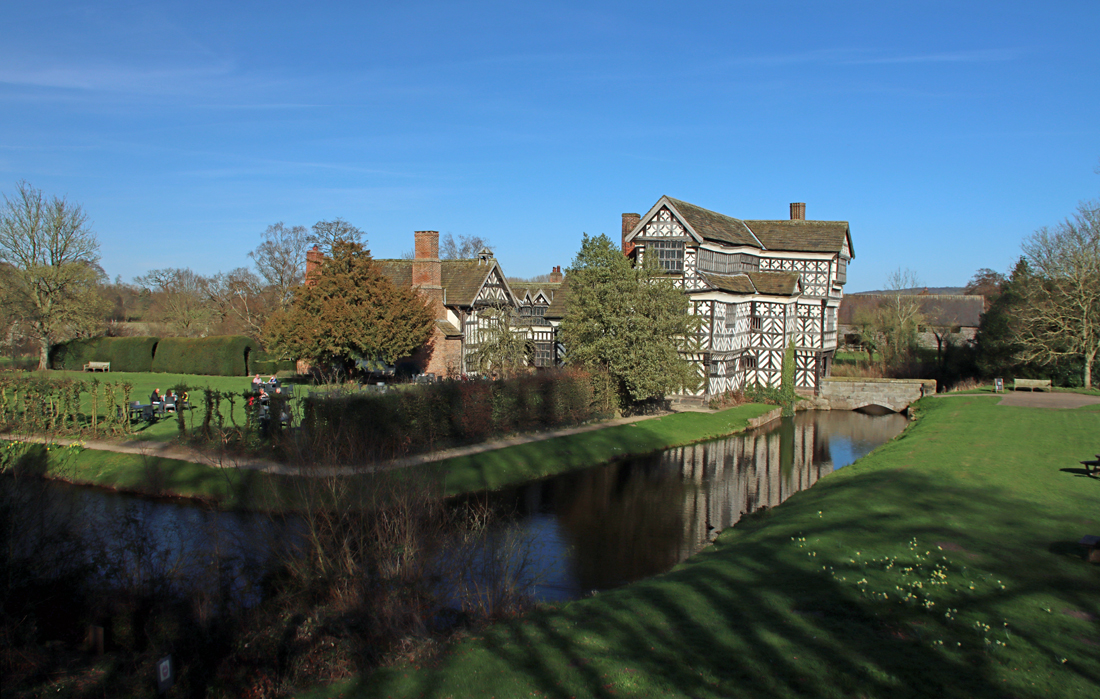 The half-timbered moated Little Moreton Hall shows to particular advantage against a blue sky, and with spring daffodils and violets dotted around its gardens, and a neatly clipped knot garden, it was looking particularly fresh and sparkling on Wednesday last week. It seems more than a little miraculous that it is still standing, as parts of it tilt away from other parts, and there are bends and kinks where no building should have them. But at the same time it is so beautifully cared for that it looks pristine, as though it was designed to be like that. As the guide book says, it looks as though it is defying gravity. The impression is misleading and it has taken many different phases of restoration work to keep the building in once, secure piece.
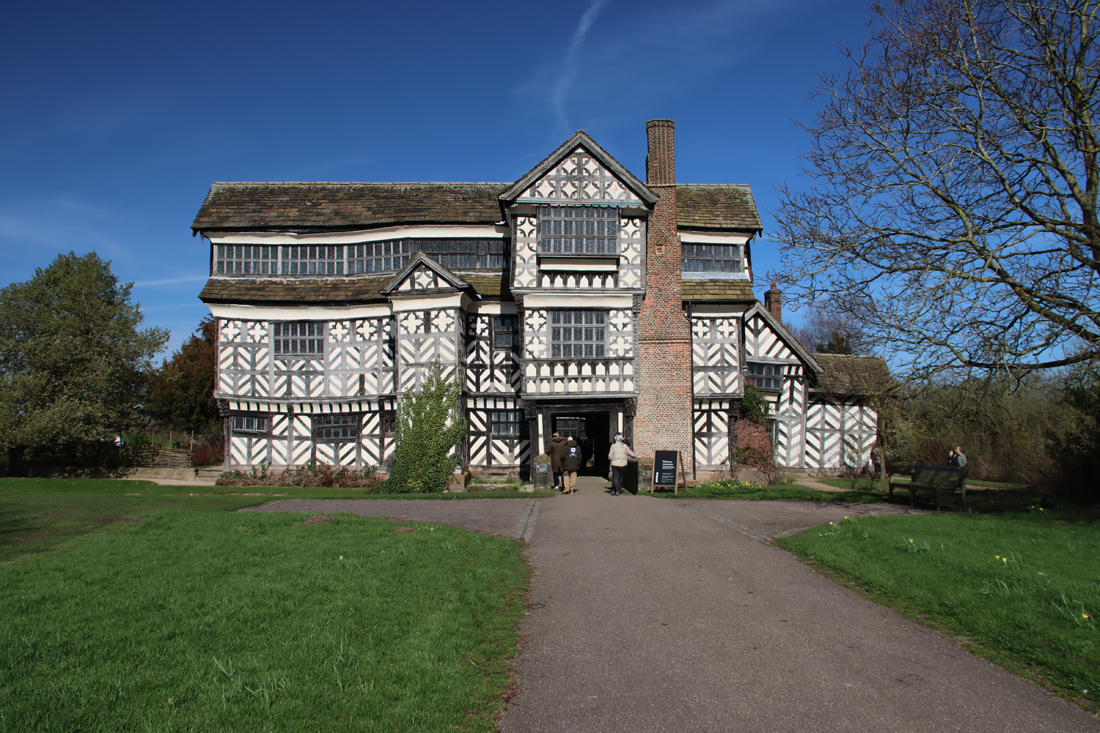 The visit to the house is self-guided and is split between the ground floor, entered on one side of the courtyard, and the first floor, via the staircase opposite. The house is entered via the bridge across the moat, which leads through the first set of buildings into the courtyard. The courtyard itself is a multi-textured vista of architectural features, carvings, mouldings, decorative shapes and tiny panes of window glass known as quarries, all forming different, mind-bending geometric patterns. There is so much to take in that it is difficult to know where to start looking.
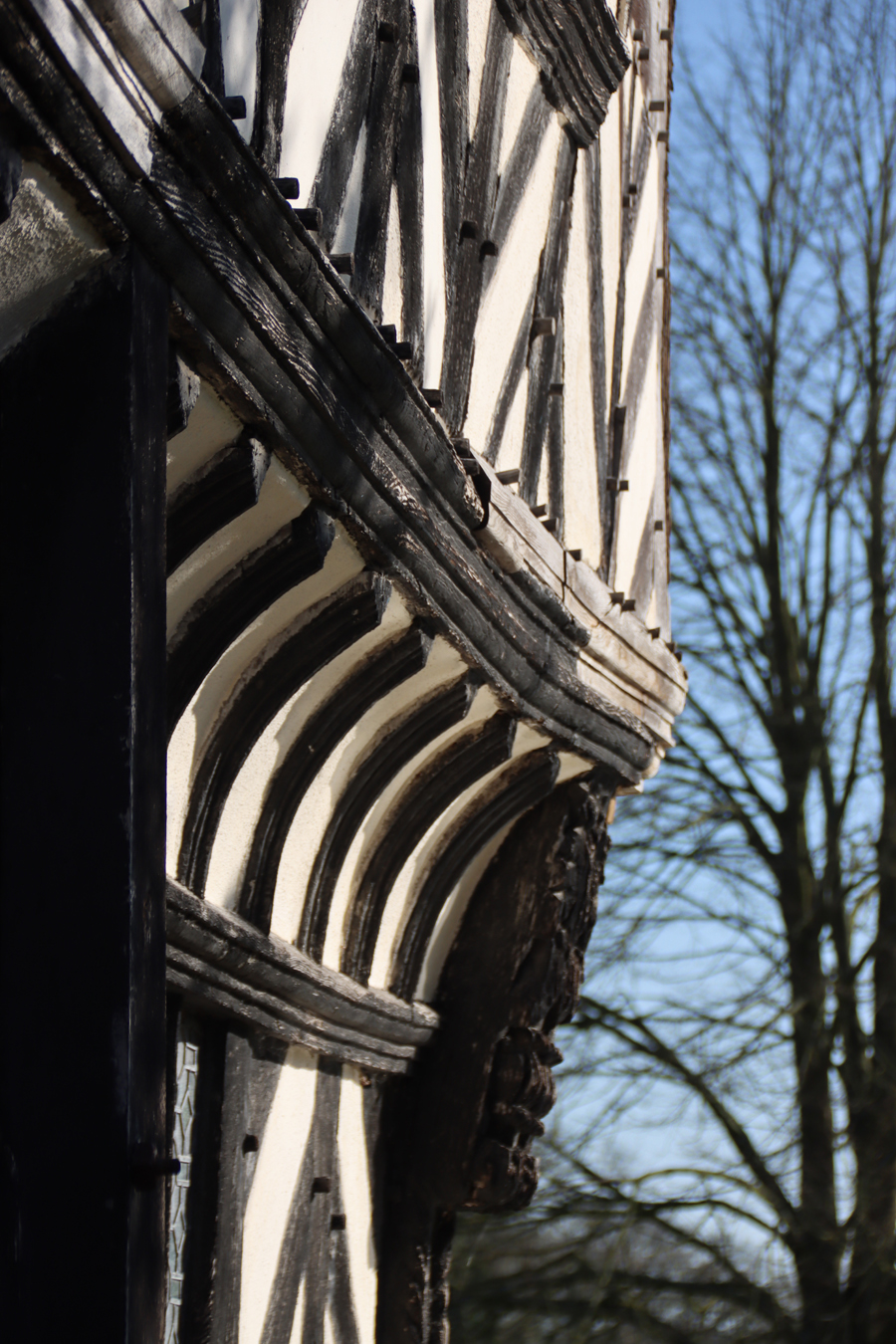 The Tudor reigns produced a wide variety of architectural styles, and the half-timbered manor house was a particular feature of this part of the world, with good examples still remaining at, for example, Speke Hall in Liverpool, Pitchford Hall in Shropshire and the smaller Churche’s Mansion in Nantwich. Today the oak timbers are usually painted black, but this was not how they would have appeared in the Tudor period, when the oak would have been allowed to fade to a silvery colour. It was a Victorian idea that the timbers should be preserved that led to them being painted black.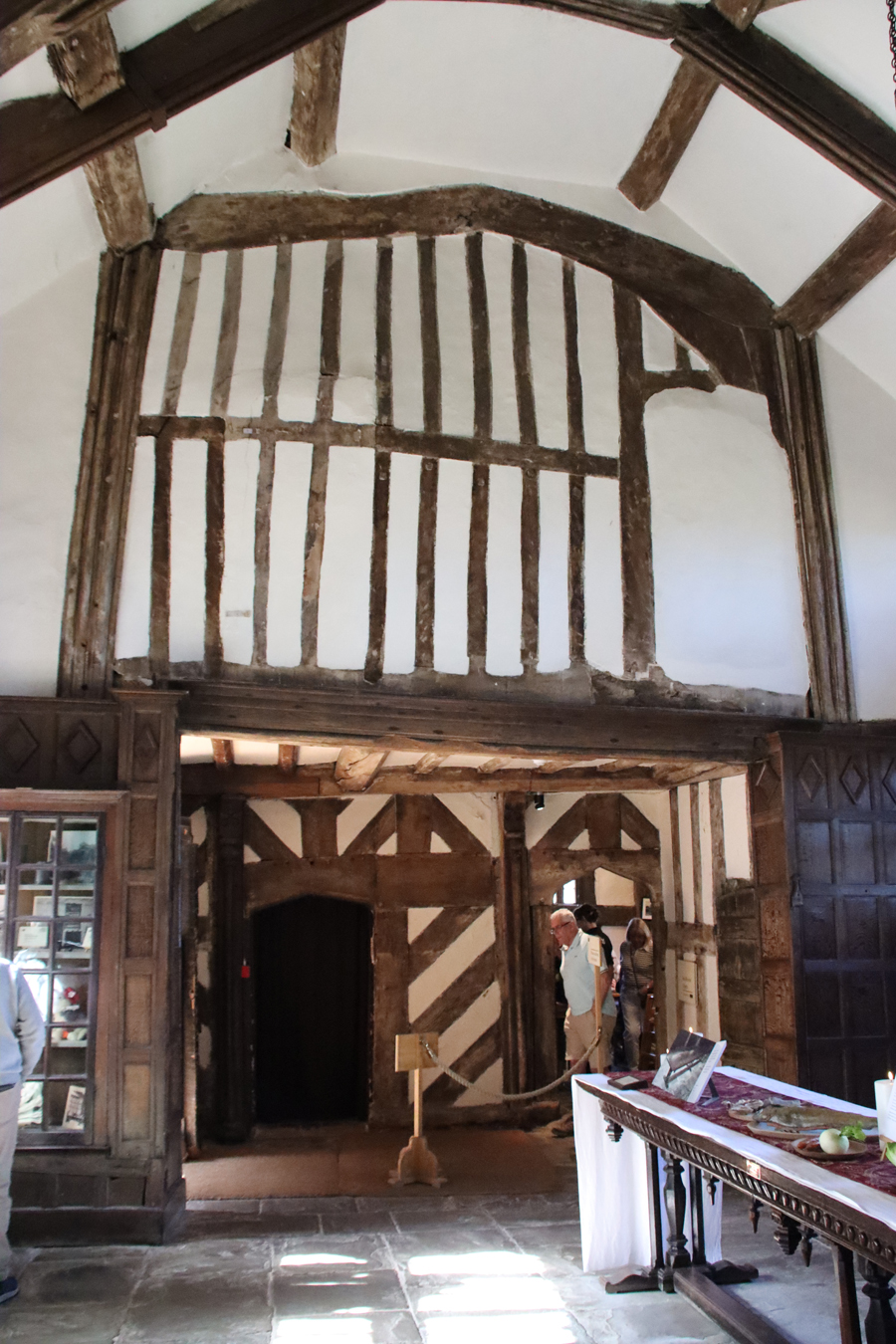
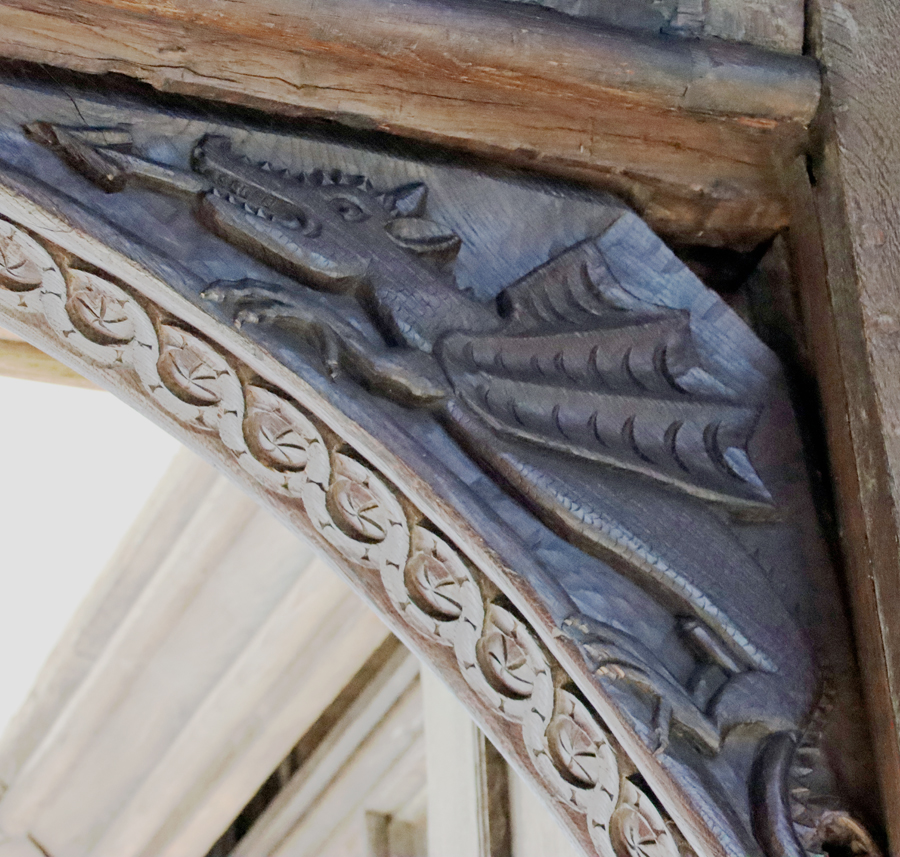
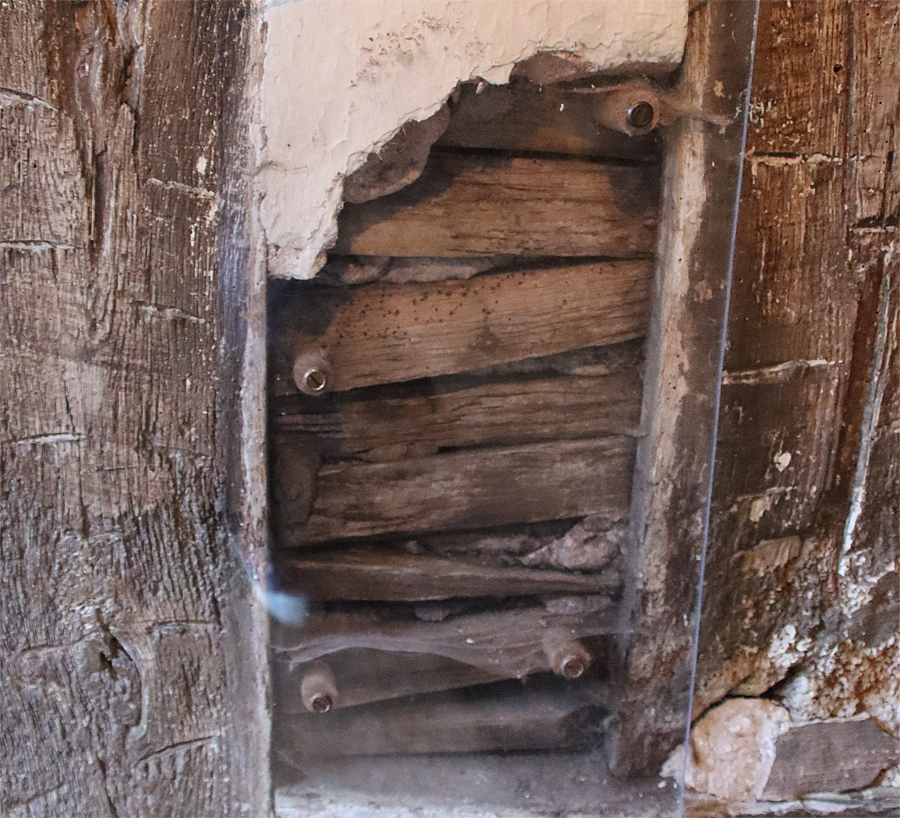
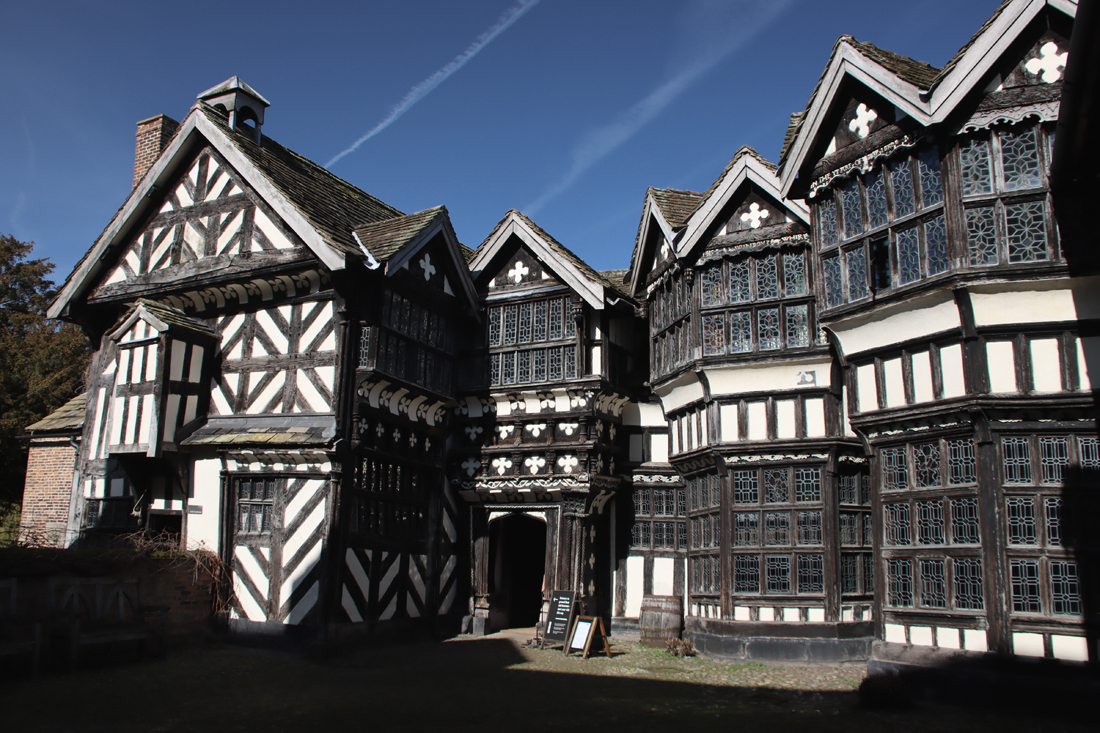
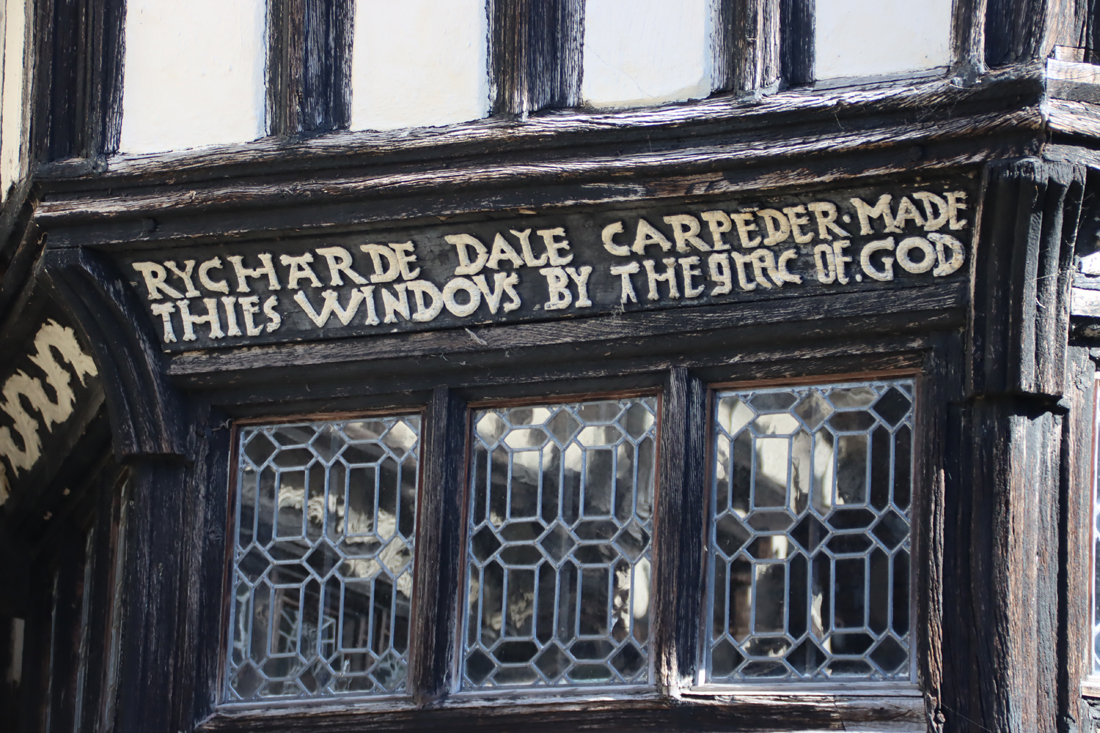
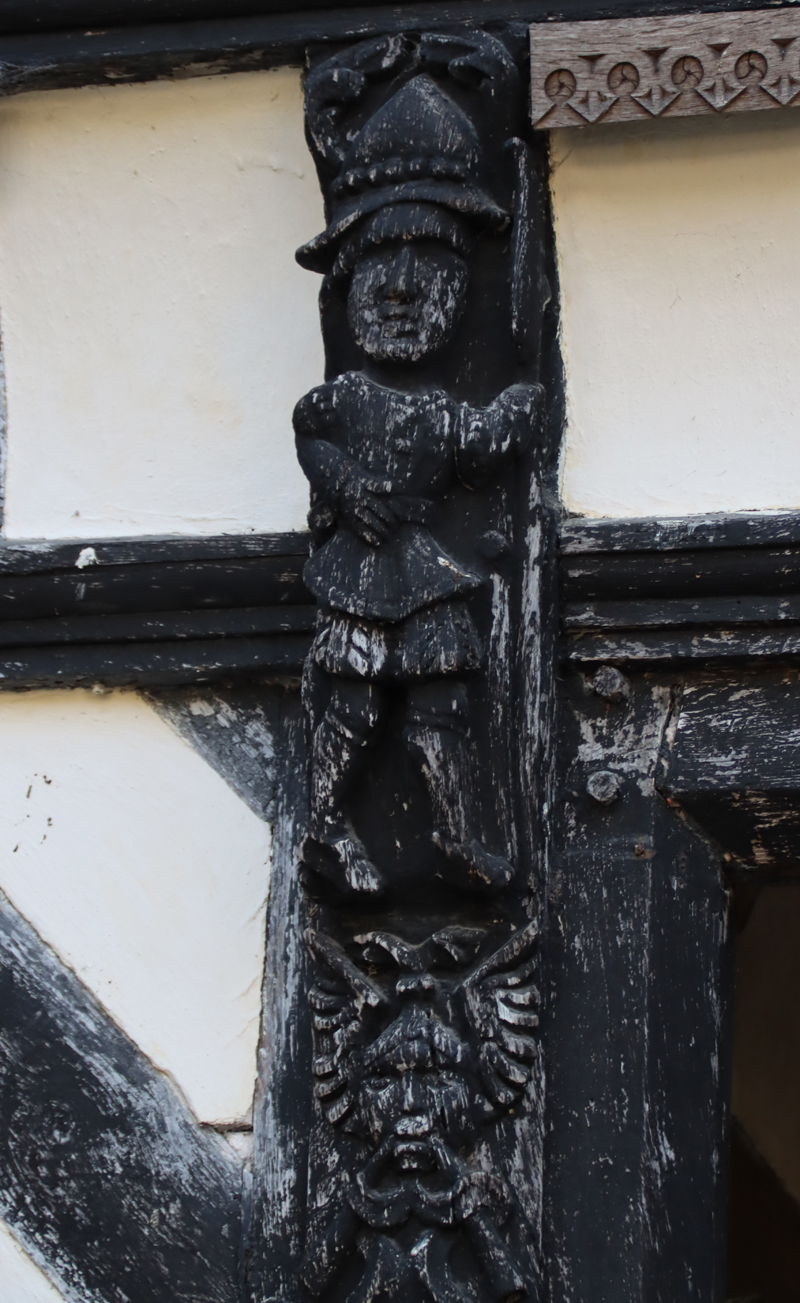
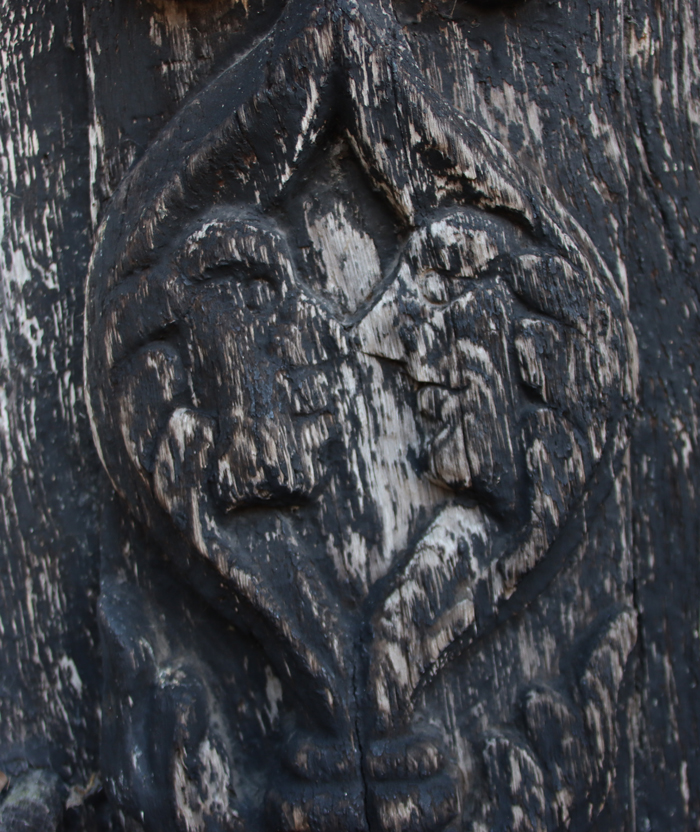
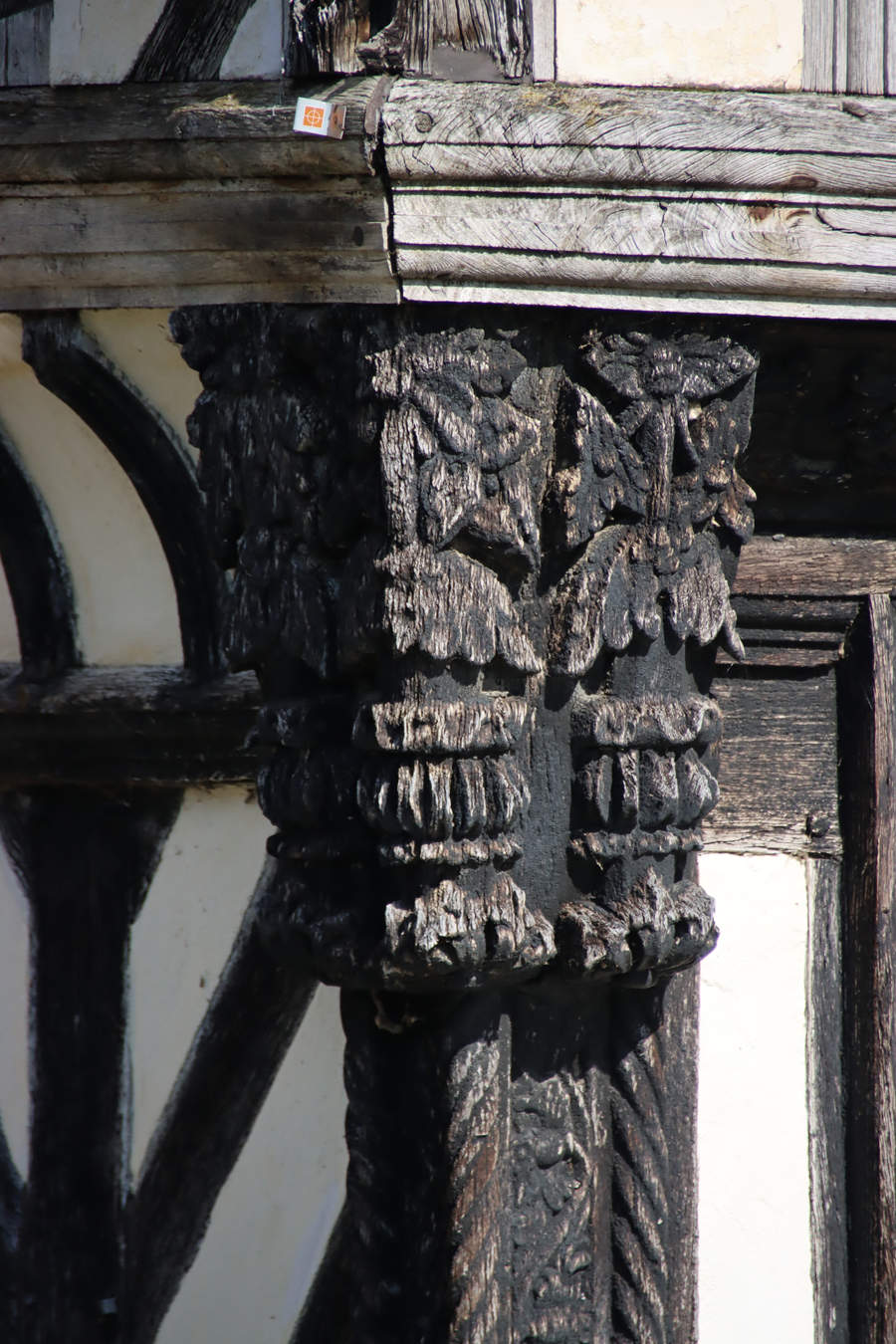
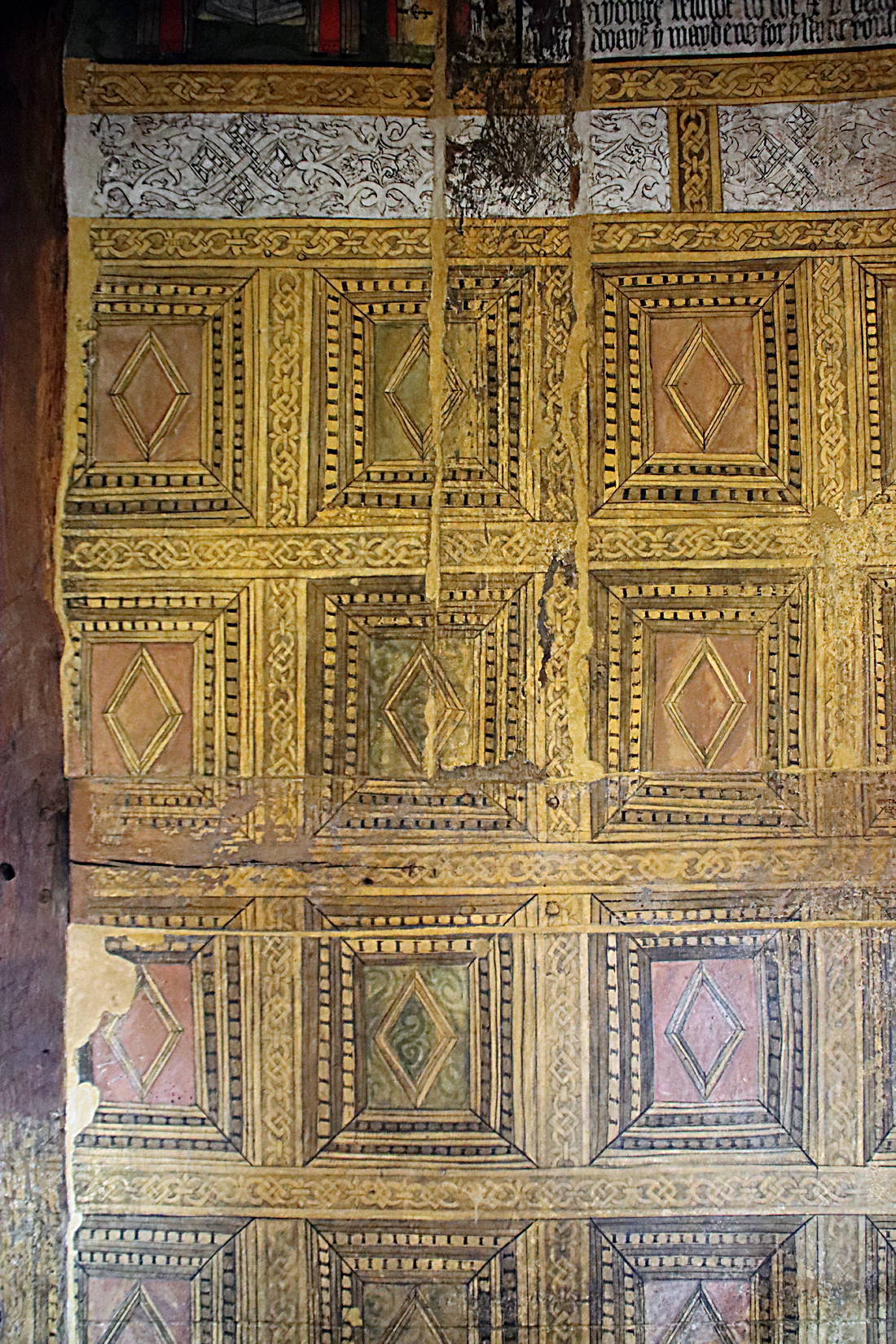
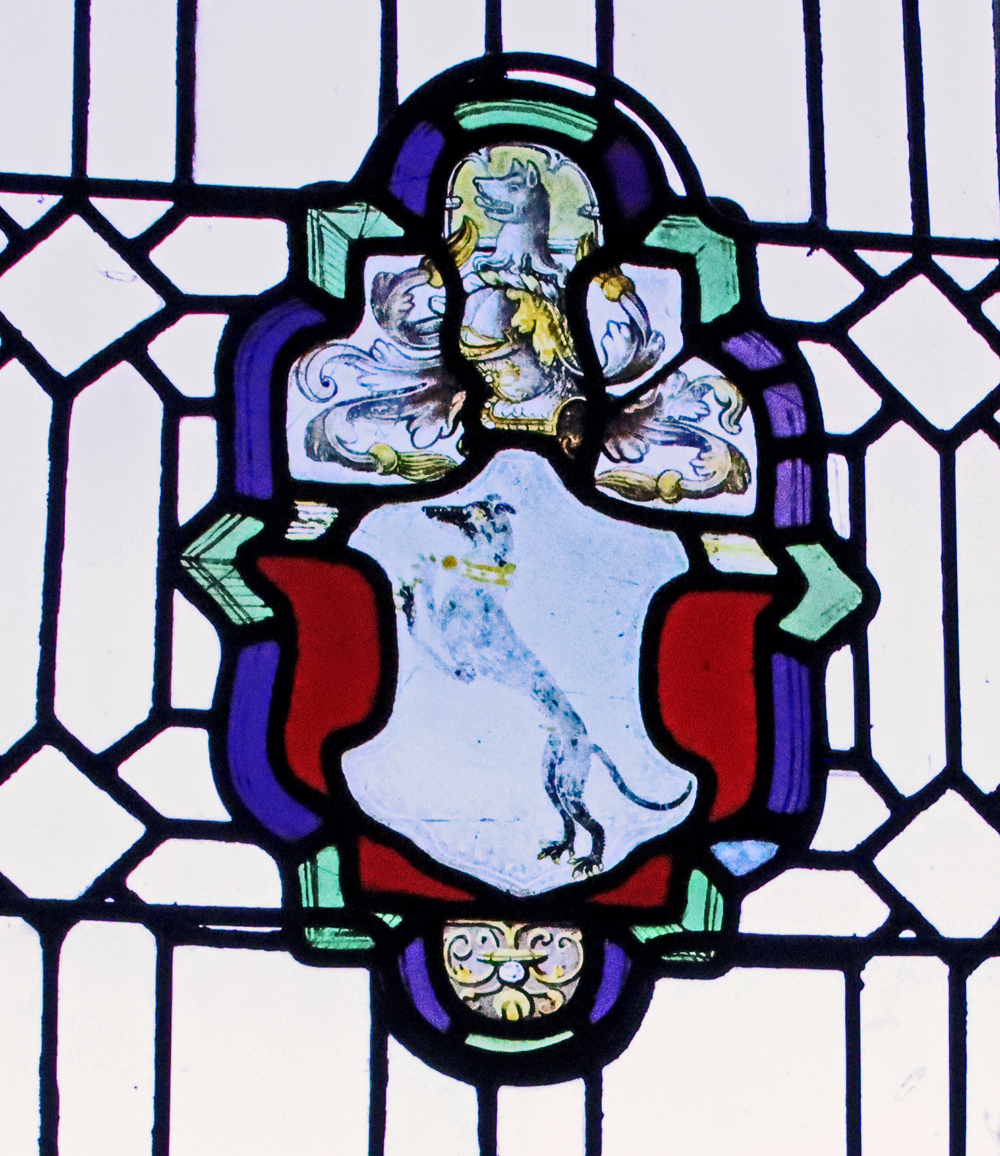
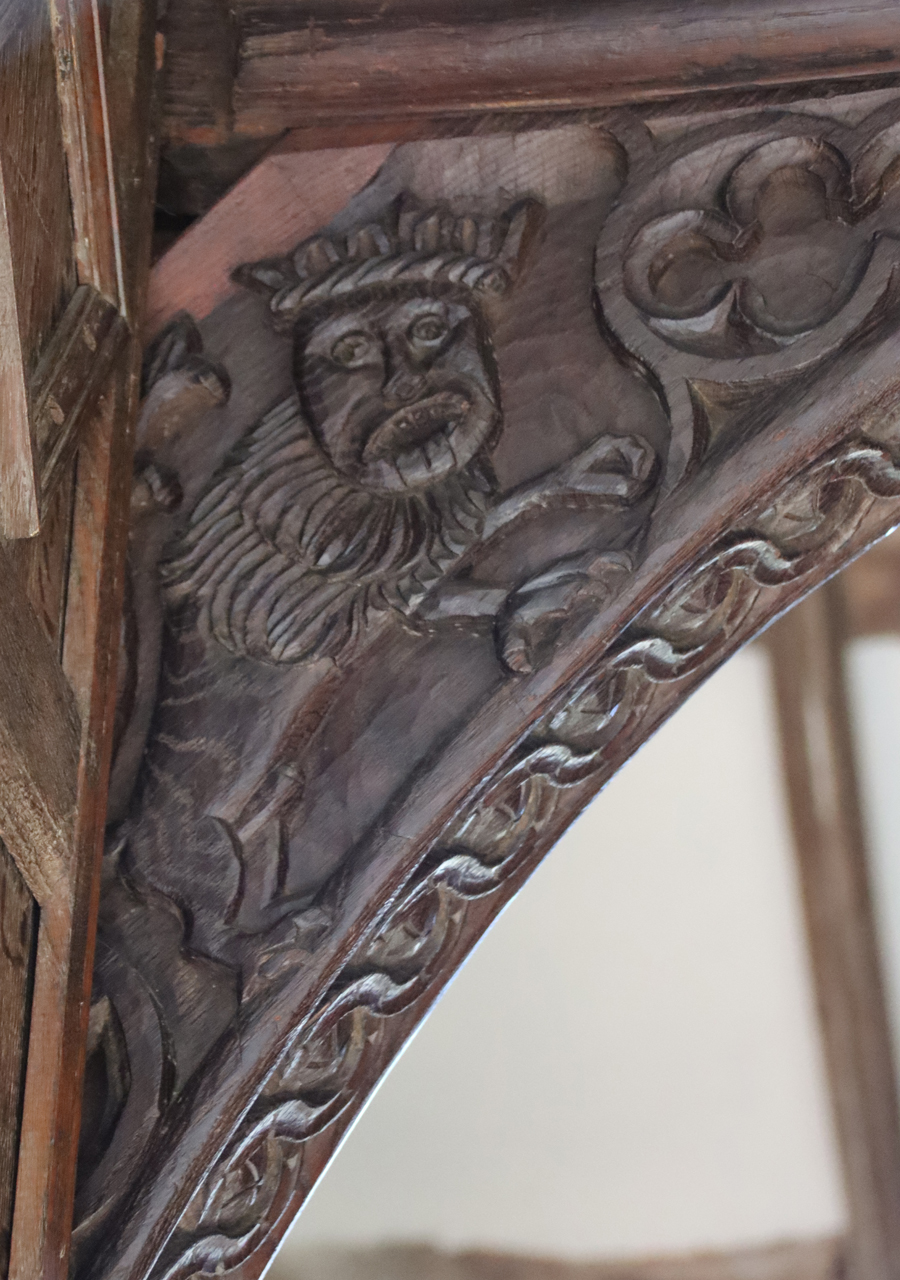 William Moreton III’s (1574-1654) contributions were more prosaic, adding the brew and bake houses. He seems to have lavished most of his income on members of his extended family. He was arrested during the Civil War and although he was released, his estate was confiscated in 1643 to be used as occasional billeting for the Parliamentarian soldiers and horses. With their finances in tatters and their home deteriorating, the house remained in the family, but they no longer lived there and chose instead to rent out it out. In the 18th and 19th centuries the house became an object of curiosity, visited like so many other distinctive and ruinous buildings by artists looking for romantic subjects.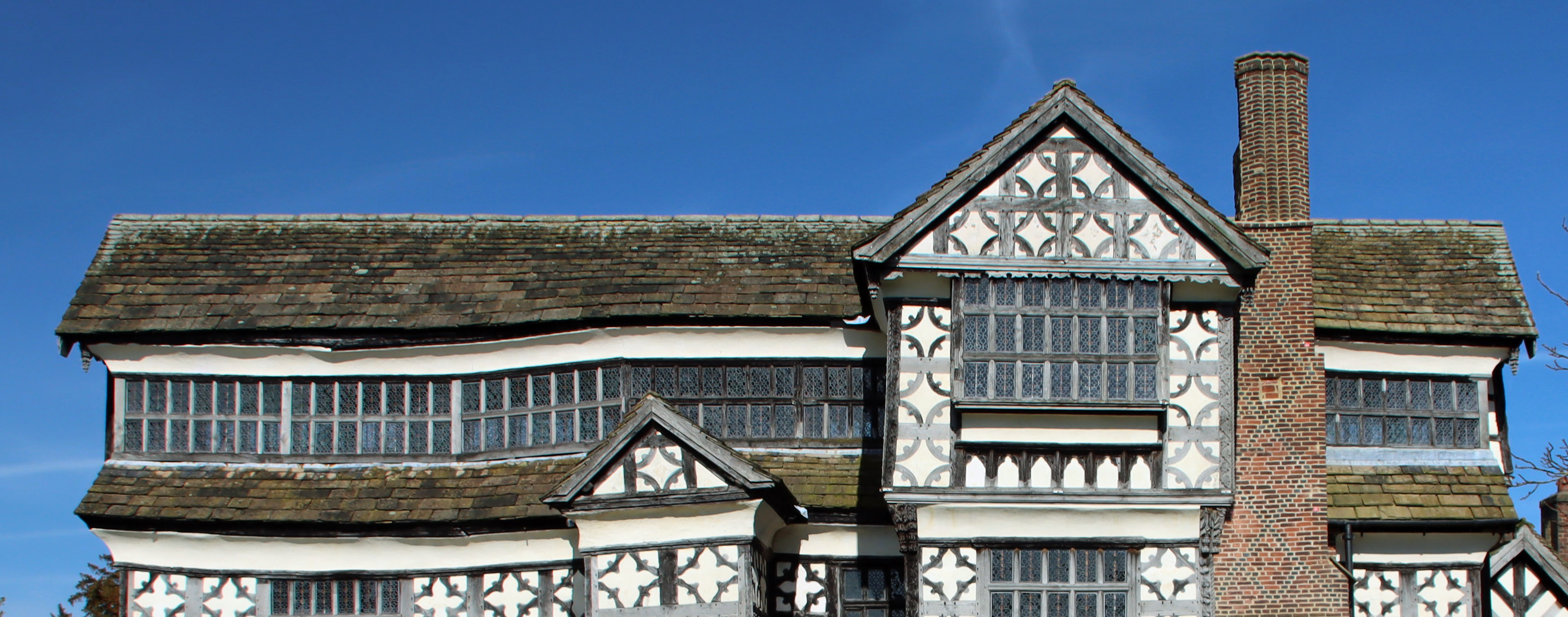
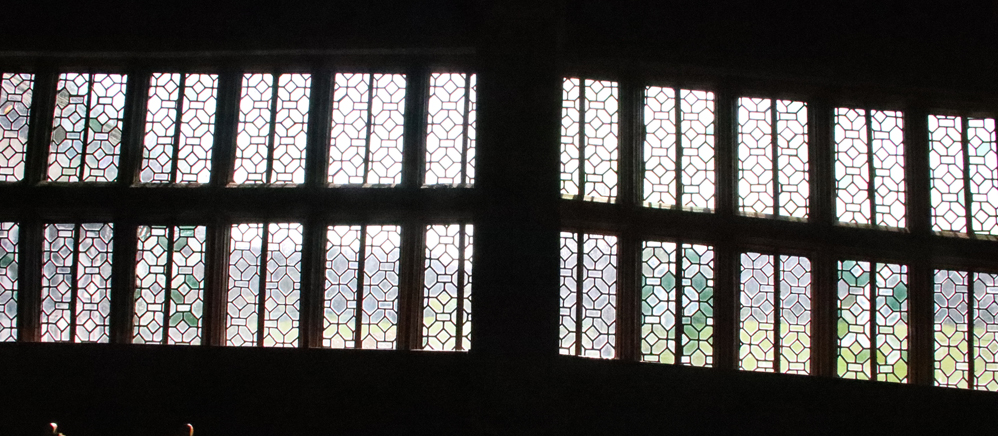
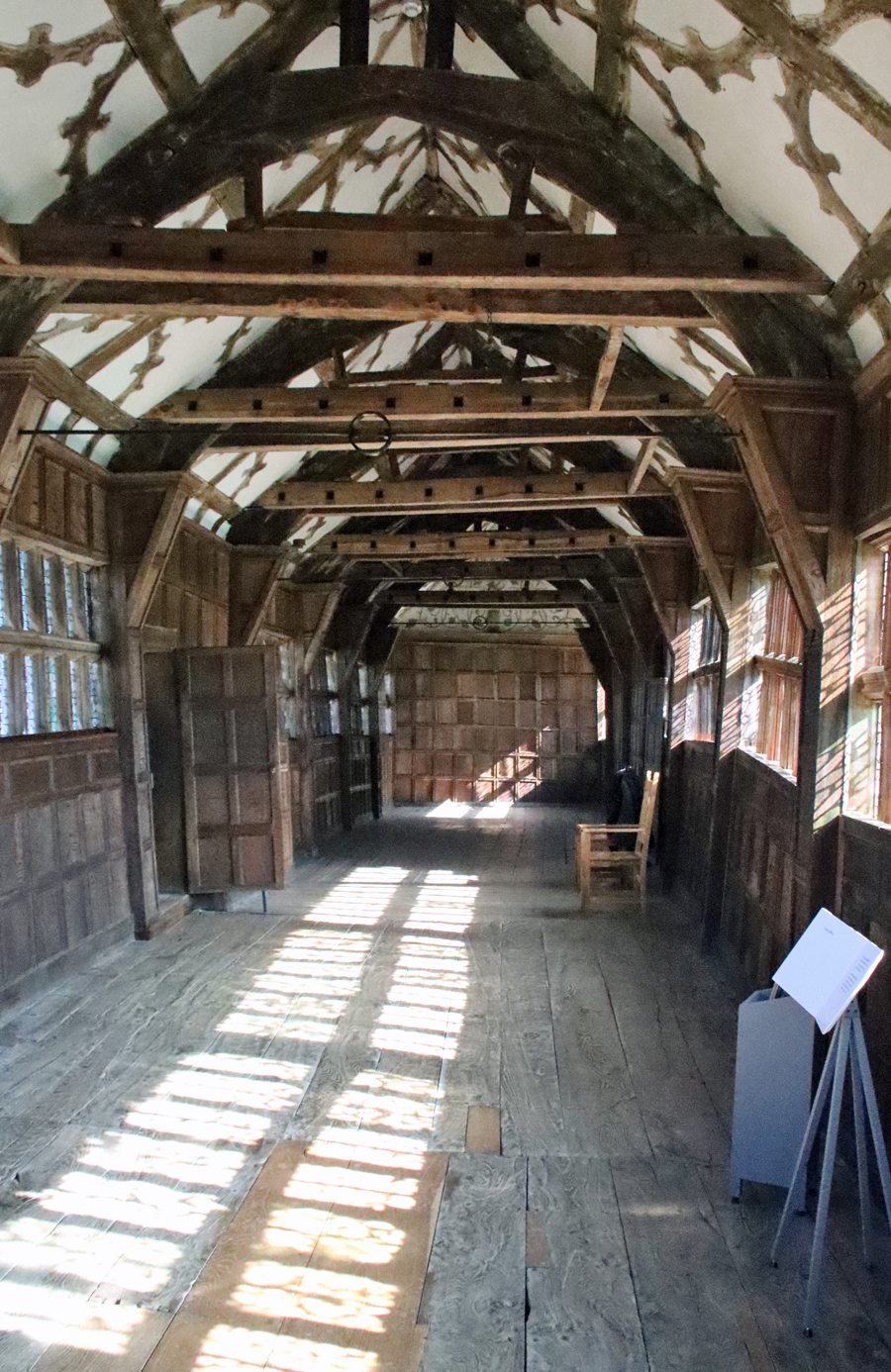 An inventory of 1601 suggests that it was build before that date. A casual glance at it from the outside shows that it has a dog-leg part way along, implying that it has slumped. The problems lie in the way in which it was built contrary to the convention of placing an upper room directly over the frame of the room below, ensuring that the existing structure provided the new level with as much support as possible. The gallery, however, is much narrower than the room beneath, perhaps to give provide a greater impression of length. The result is that it has no direct support and is additionally weighed down by the stone slabs that cover the roof. Repairs began almost as soon as it was built. In the 1890s iron tie-rods were added and in the late 1970s and 1990s steel was used to improve the structural stability. It is a glorious feature, with panelling, decorative woodwork in the ceiling, cross beams and banks of windows with tiny quarries. At each end is a painted plasterwork frieze showing excerpts from The Castle of Knowledge.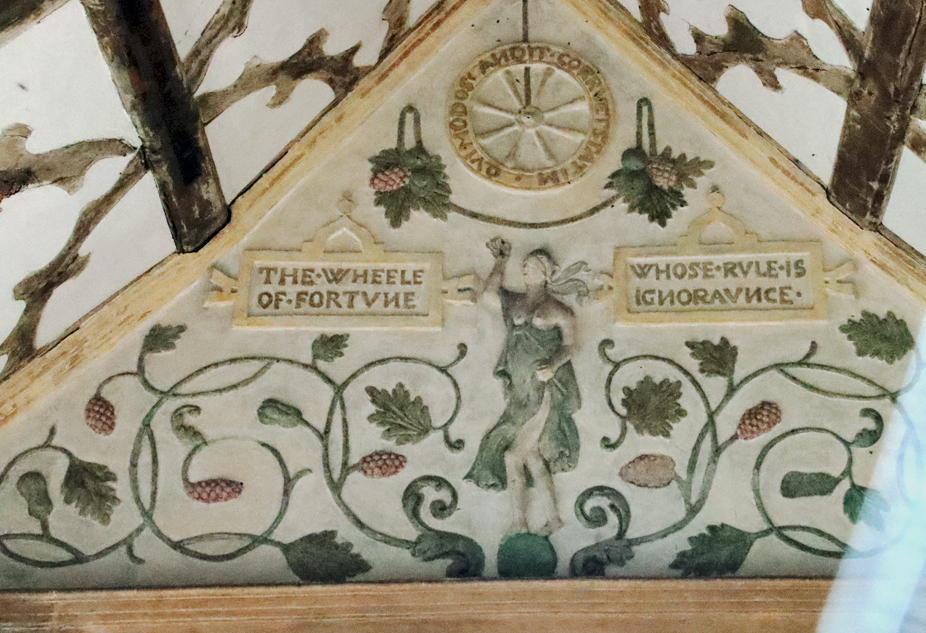
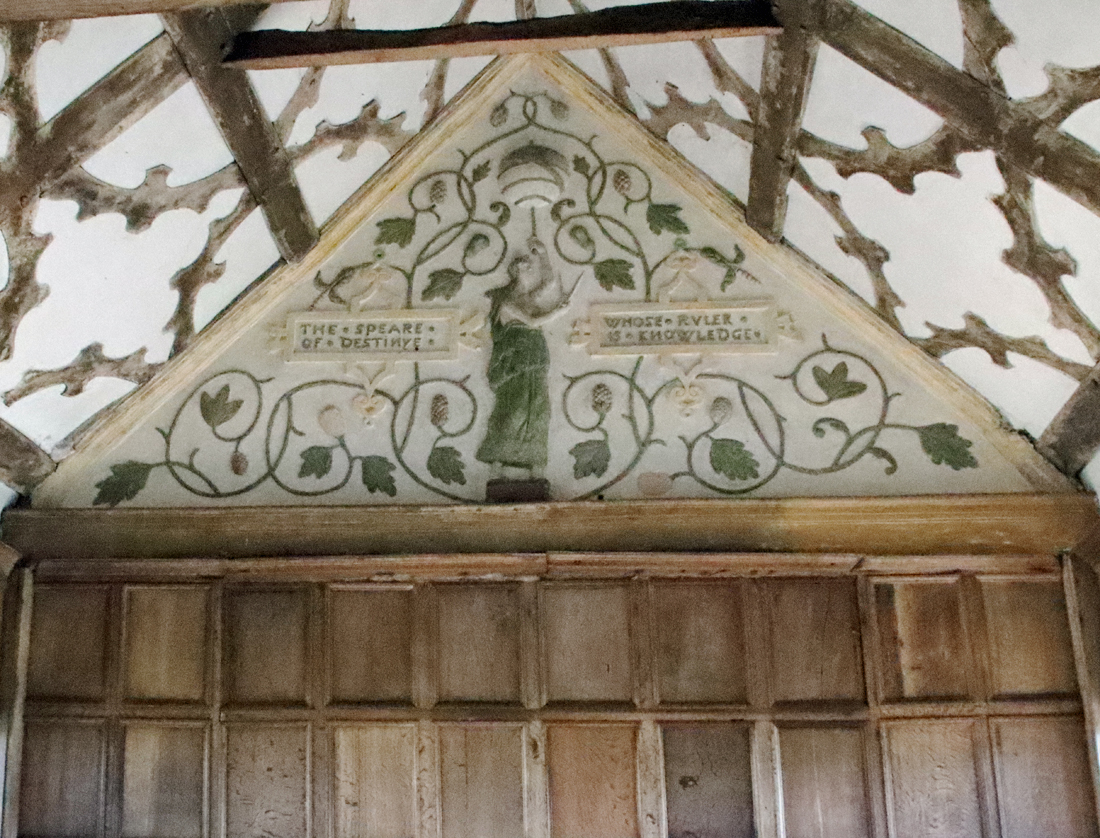
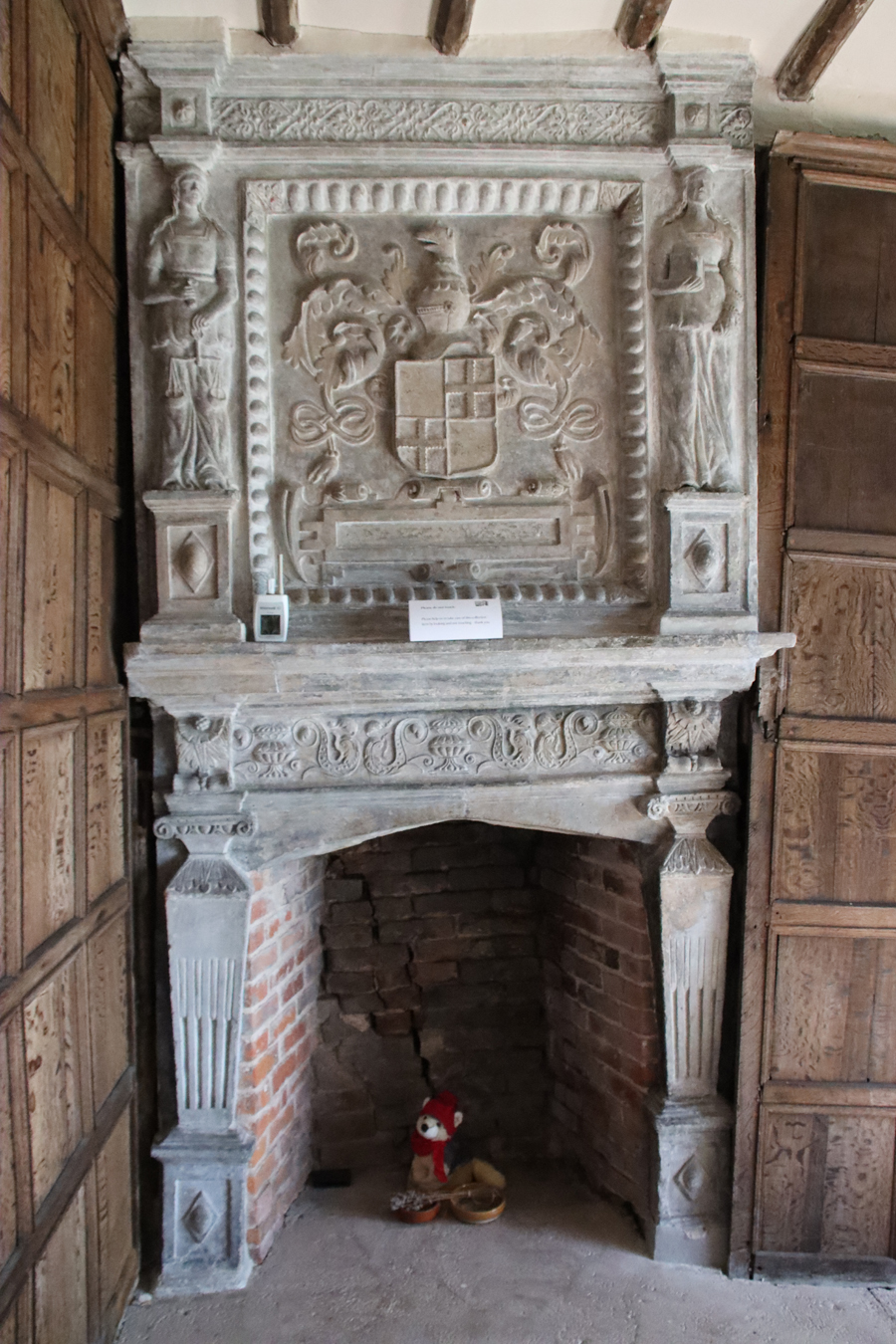
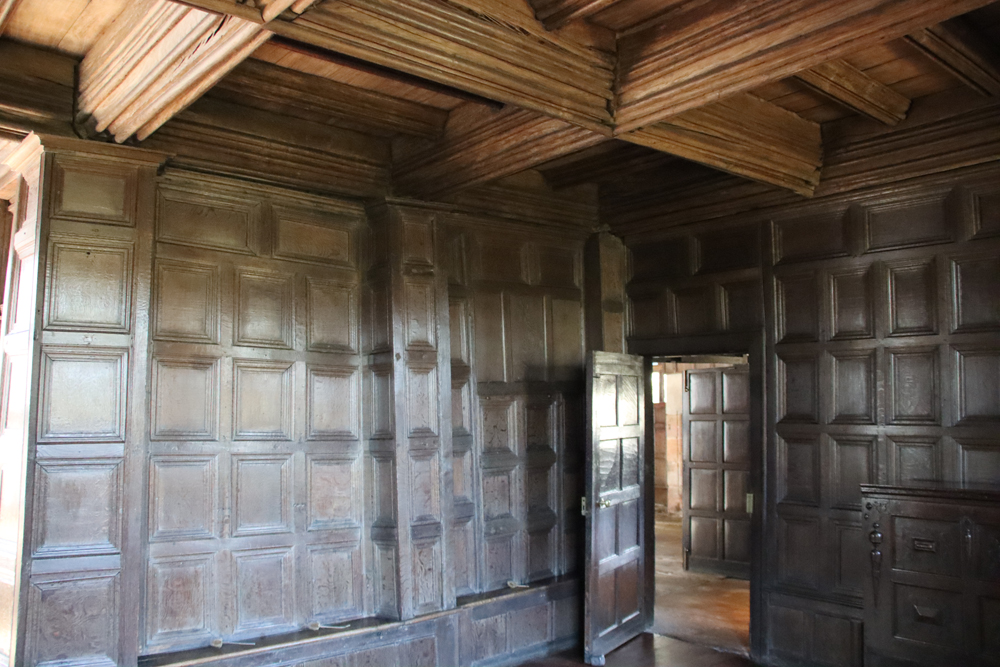
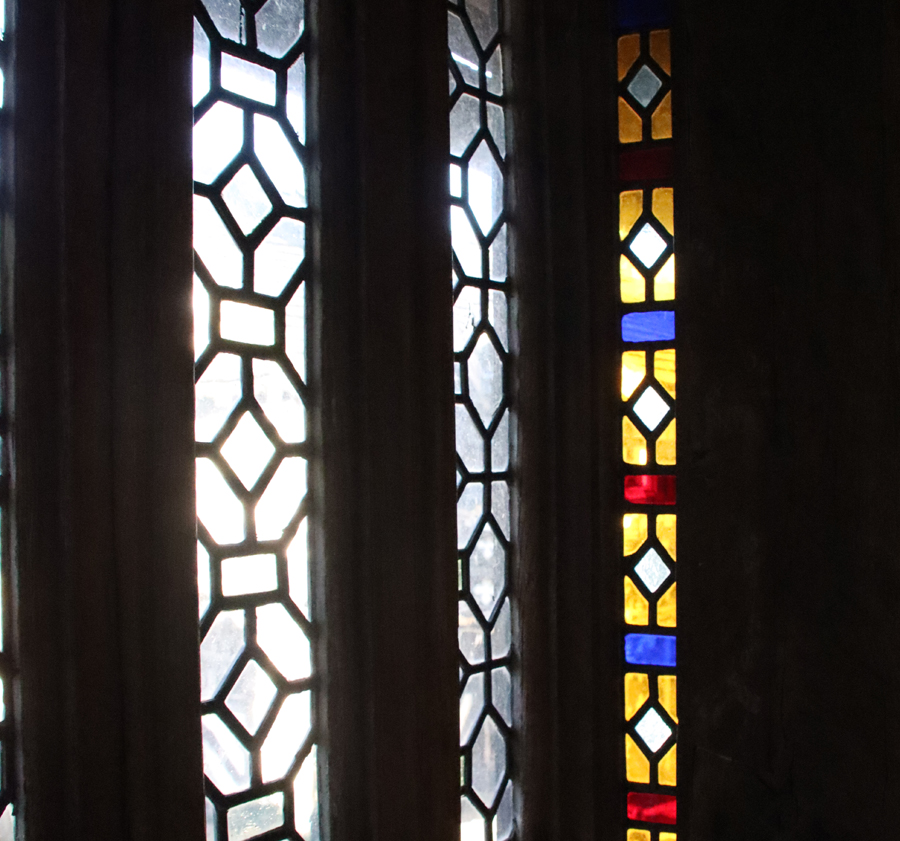
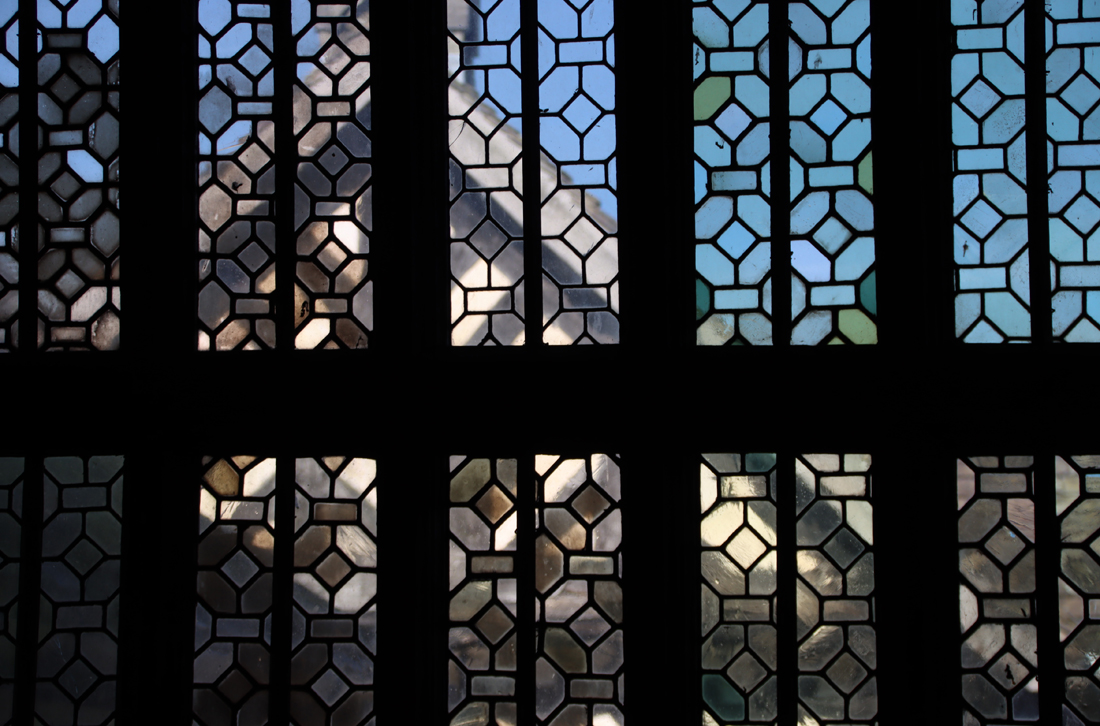
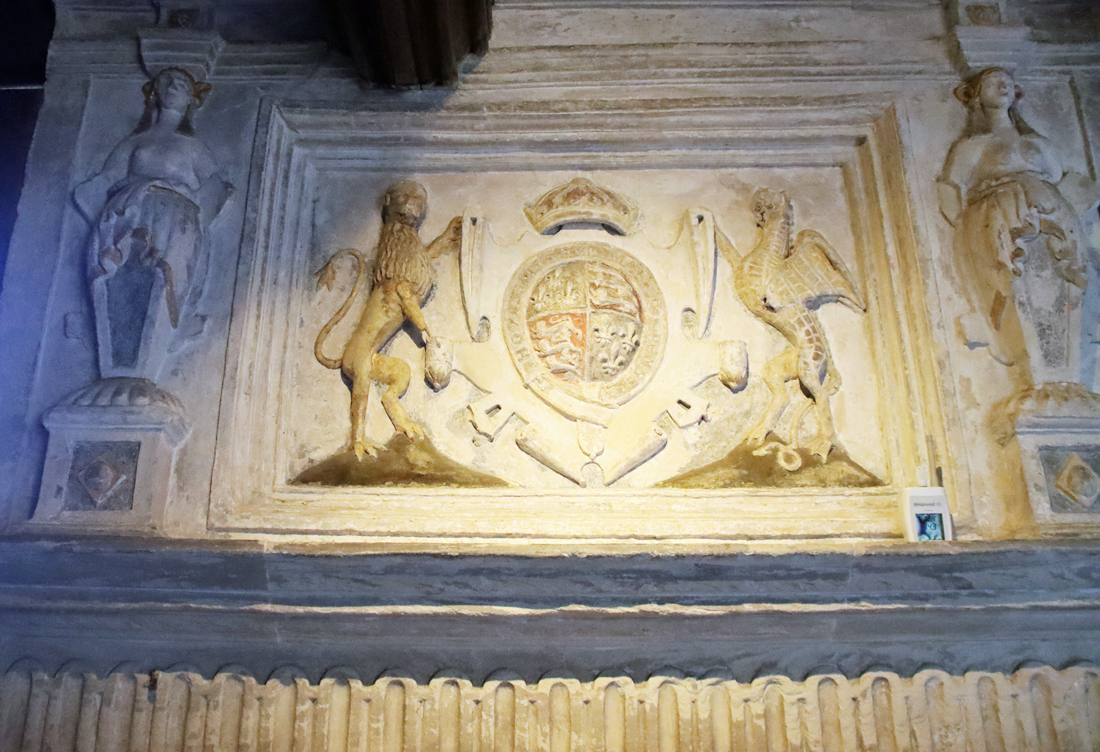
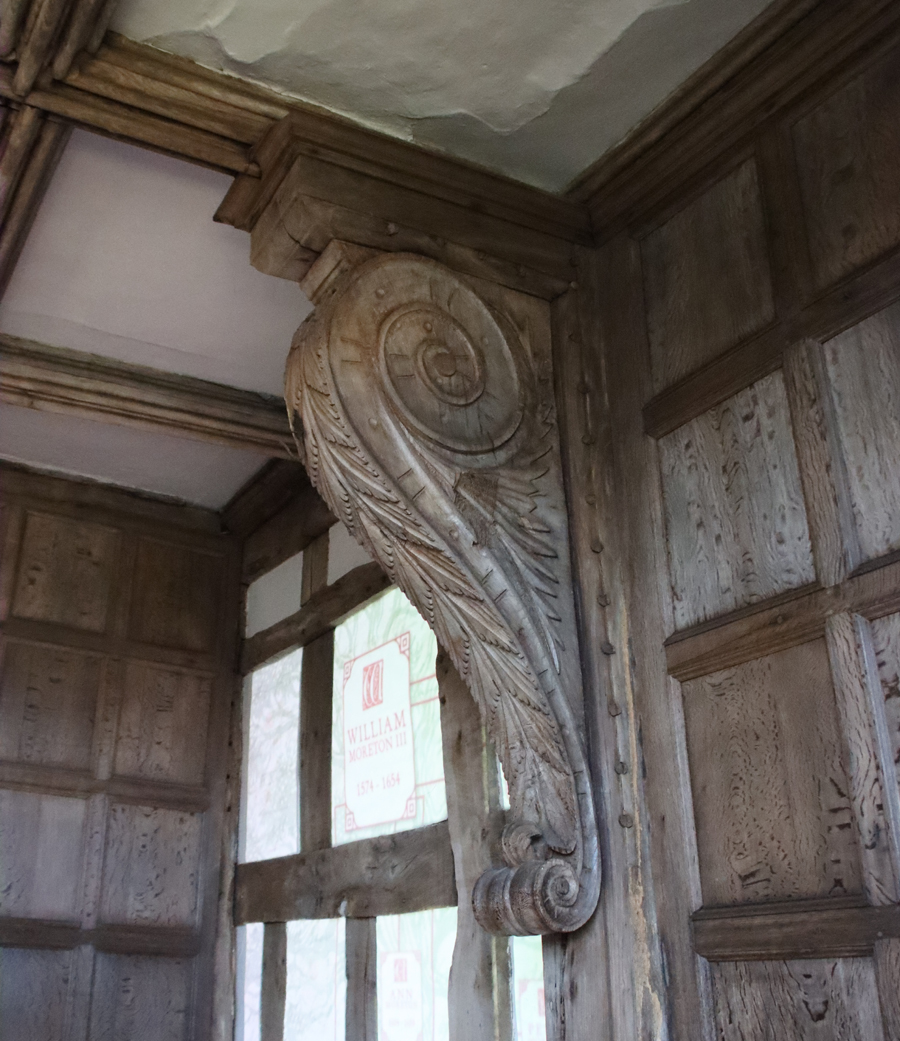
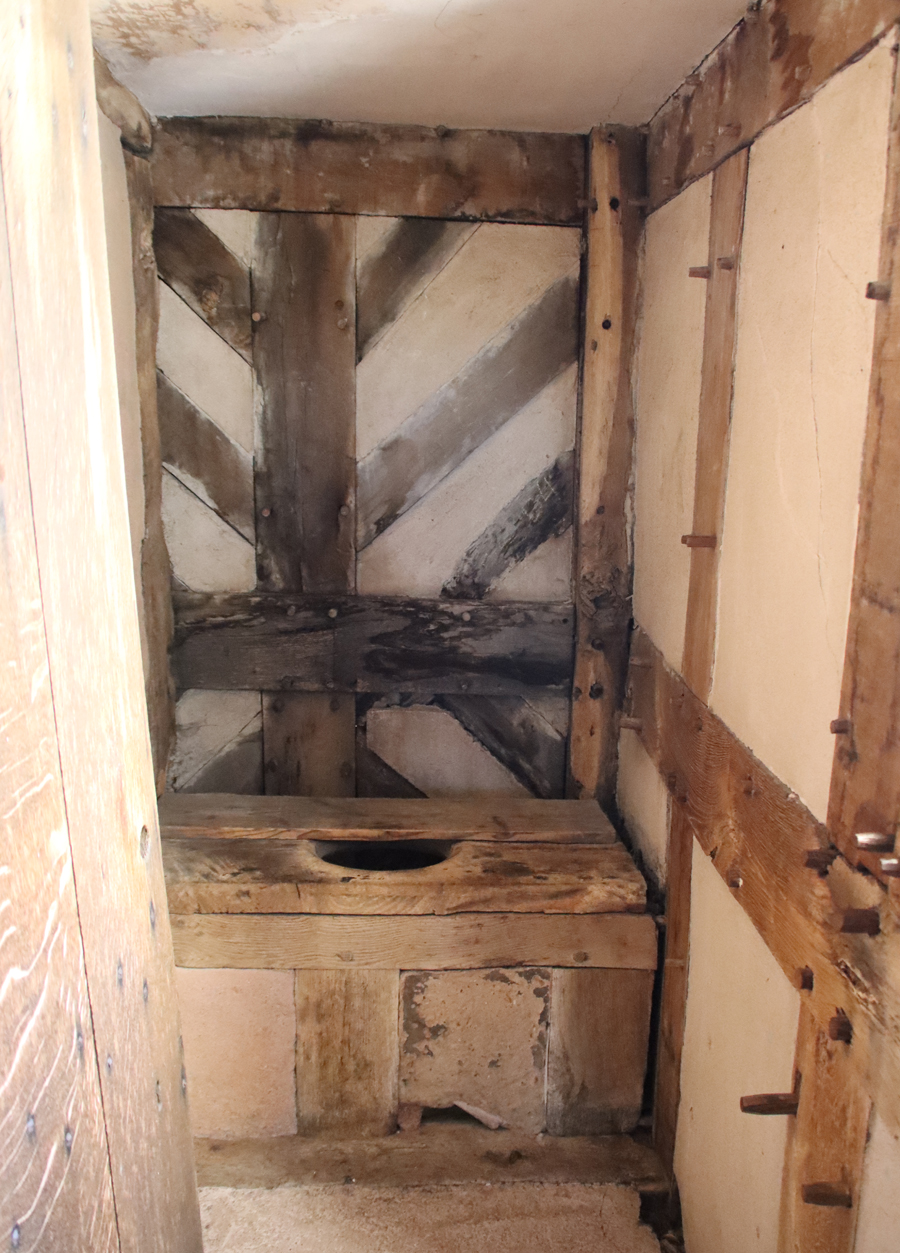
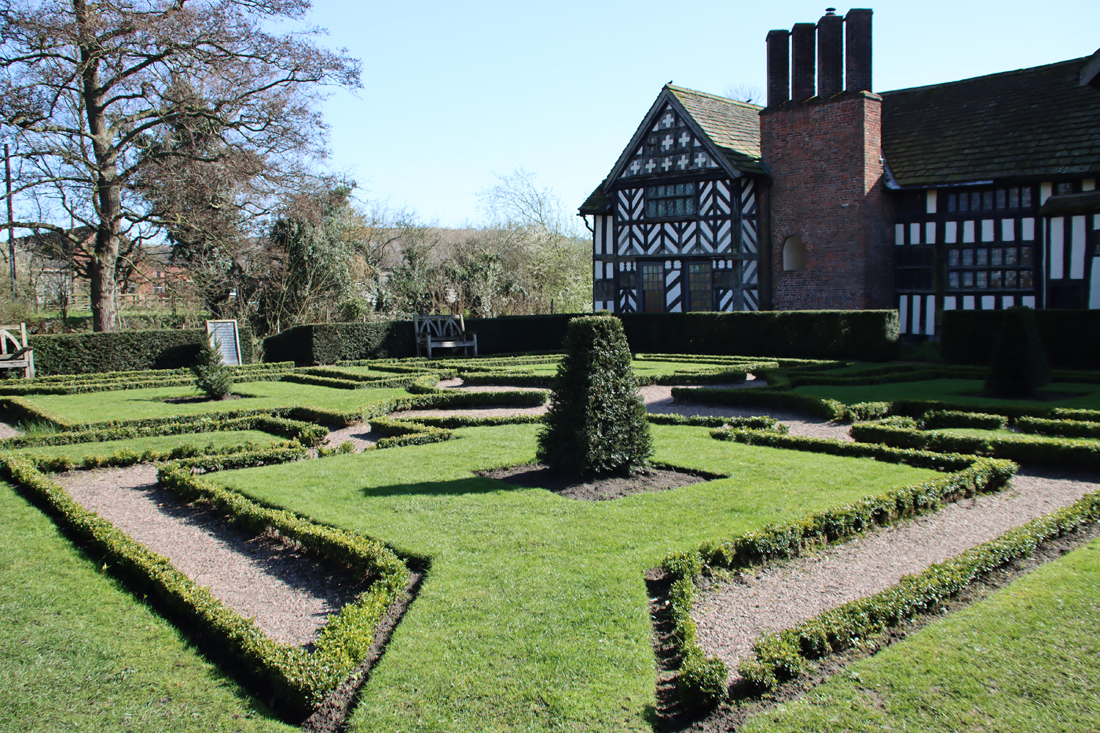 The home farm was established at the same time as the house, just across the moat in a neighbouring field, complete with the surviving cruick barn, as well as structures that are now lost, including stables and a dovecot. At the rear of the house the knot garden, based on a 17th century design and planted in 1972, is flanked by a gorgeous yew tunnel. To the side of the house, tables and chairs provide a lovely location for café users (excellent coffee and a fab bacon bap). A walkway follows the line of the towpath from one side of the bridge to the other. The plants in the garden have been chosen to reflect Tudor choices – many of them not only ornamental but useful too. I had never heard of skirret (a white fleshy root vegetable like parsnips, a favourite of Henry VIII. I had also never come across tussey musseys – posies of flowers and herbs carried as protection against disease. Wild strawberries were not merely delicious but were used to treat cuts and bruises.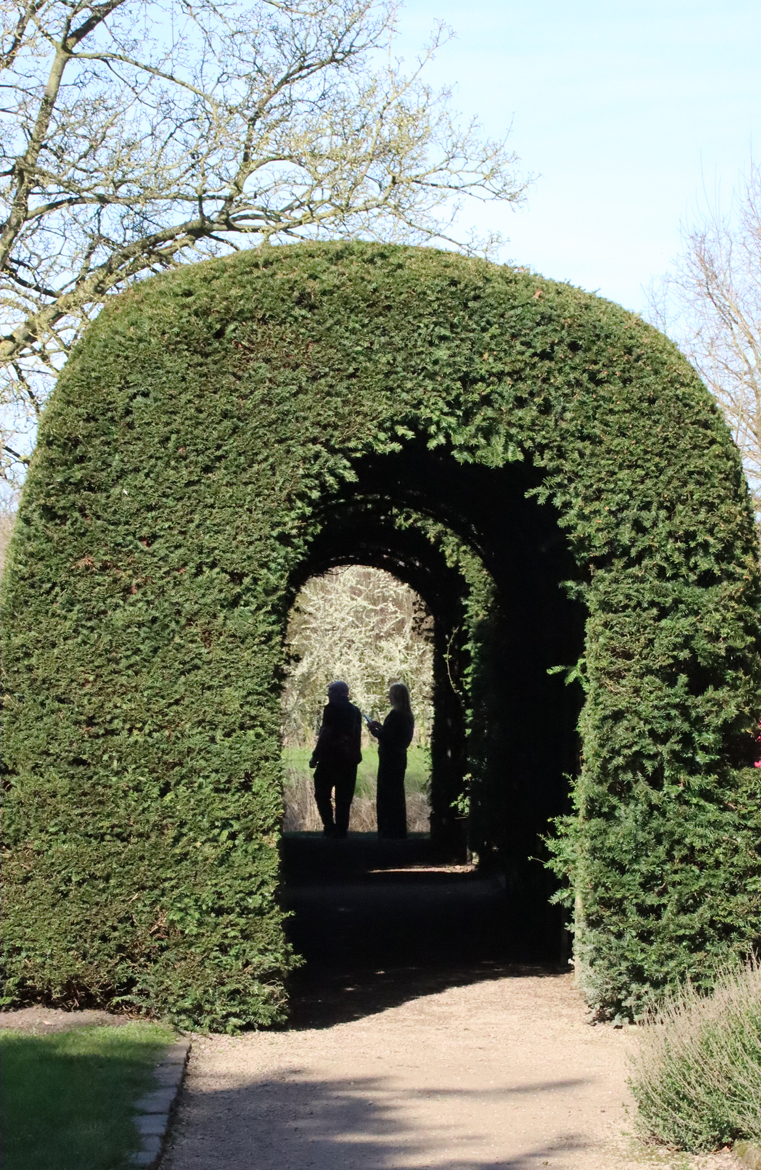
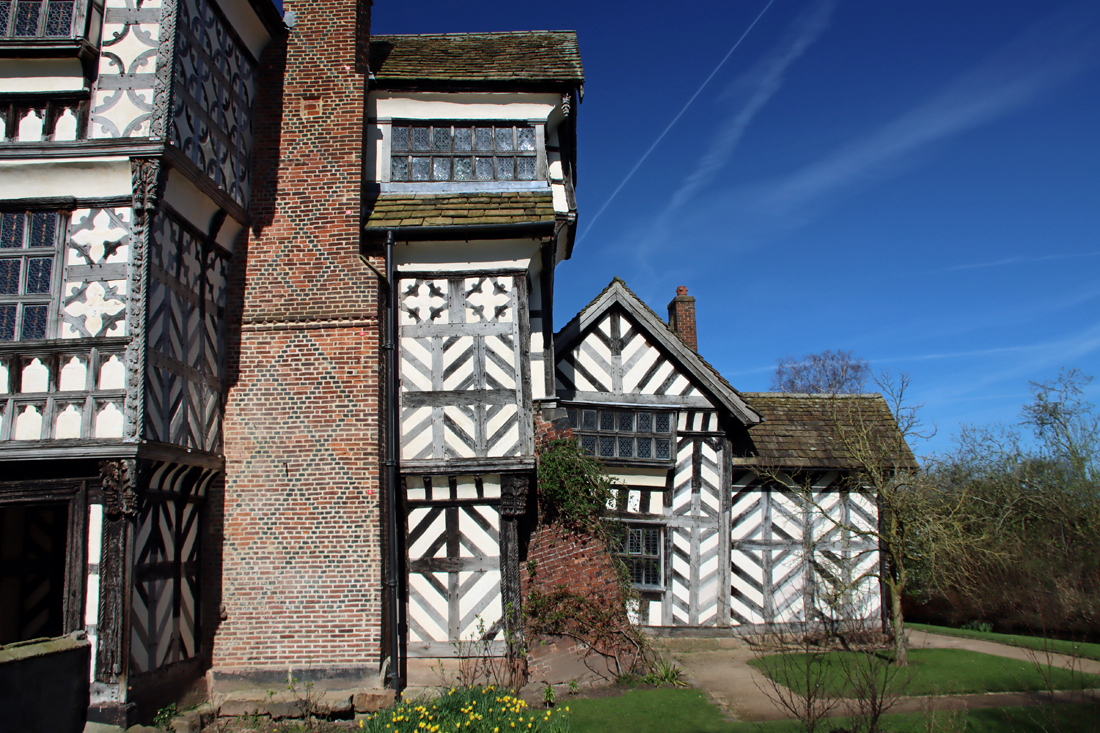
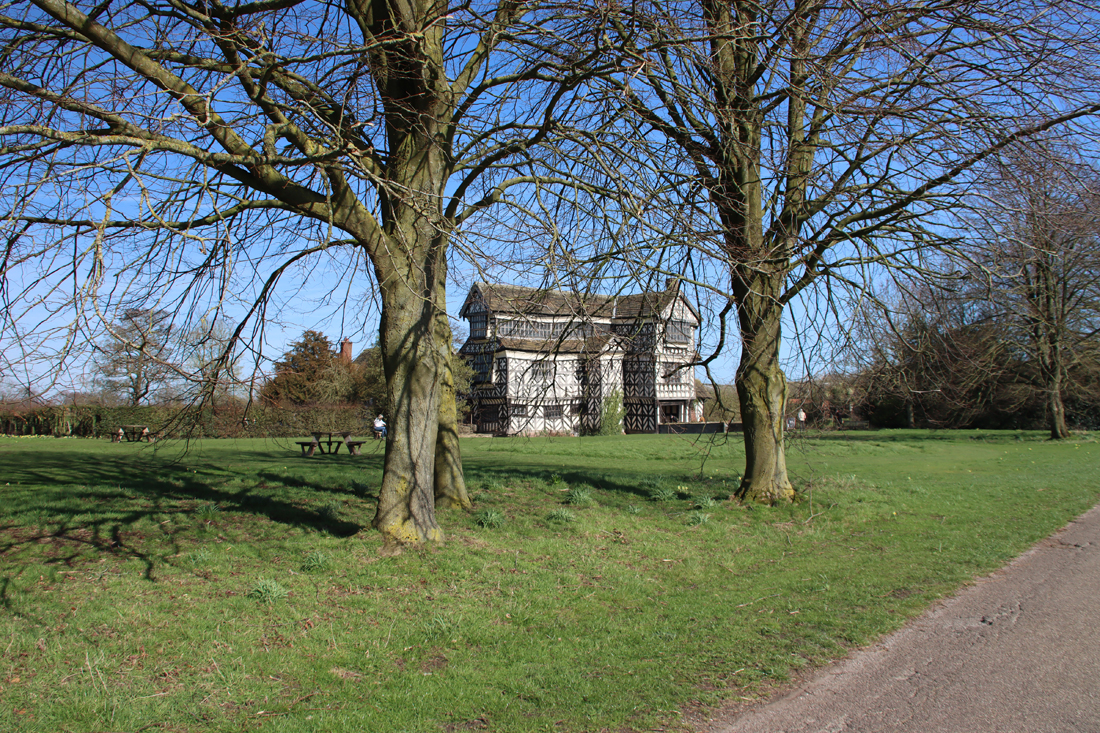
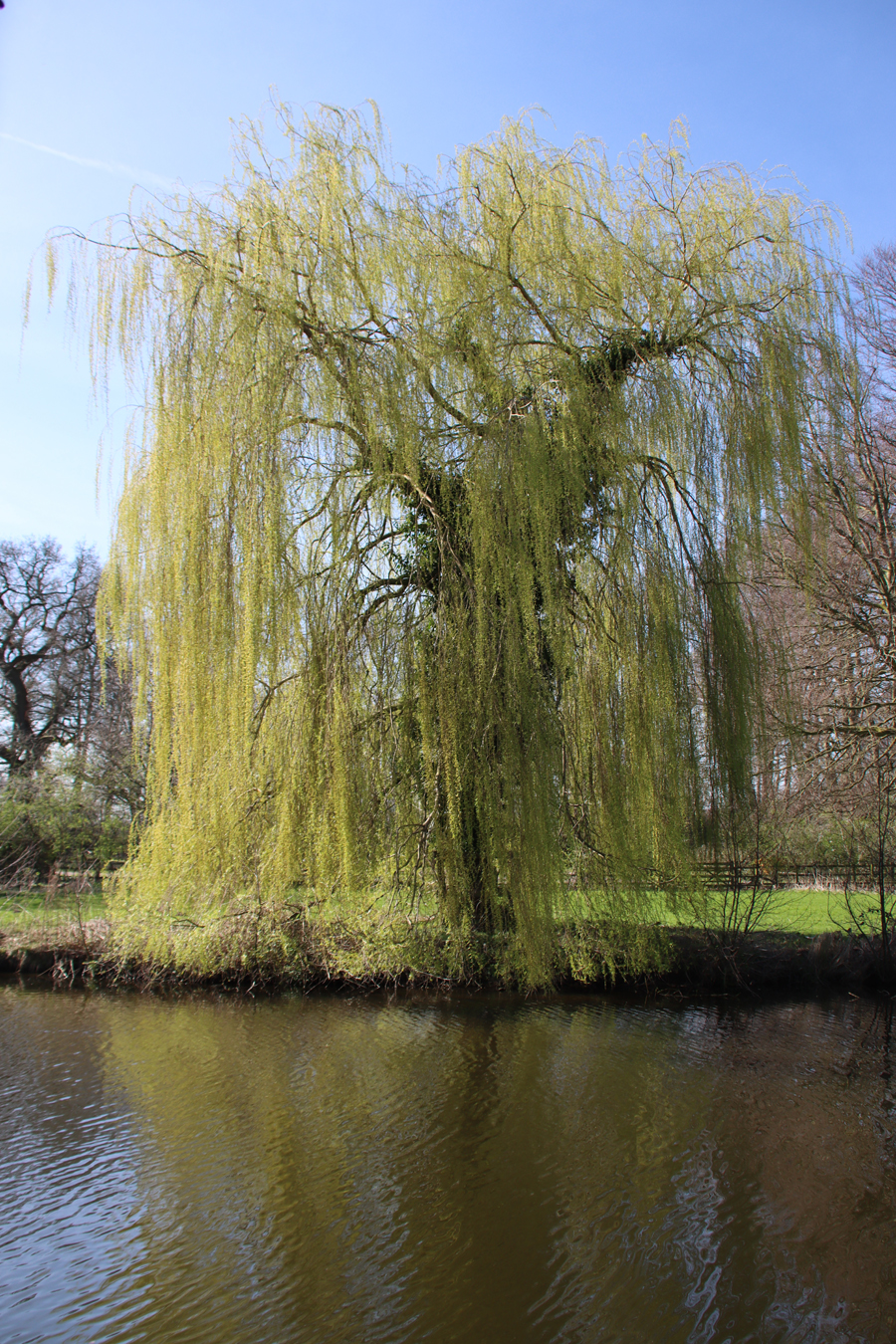
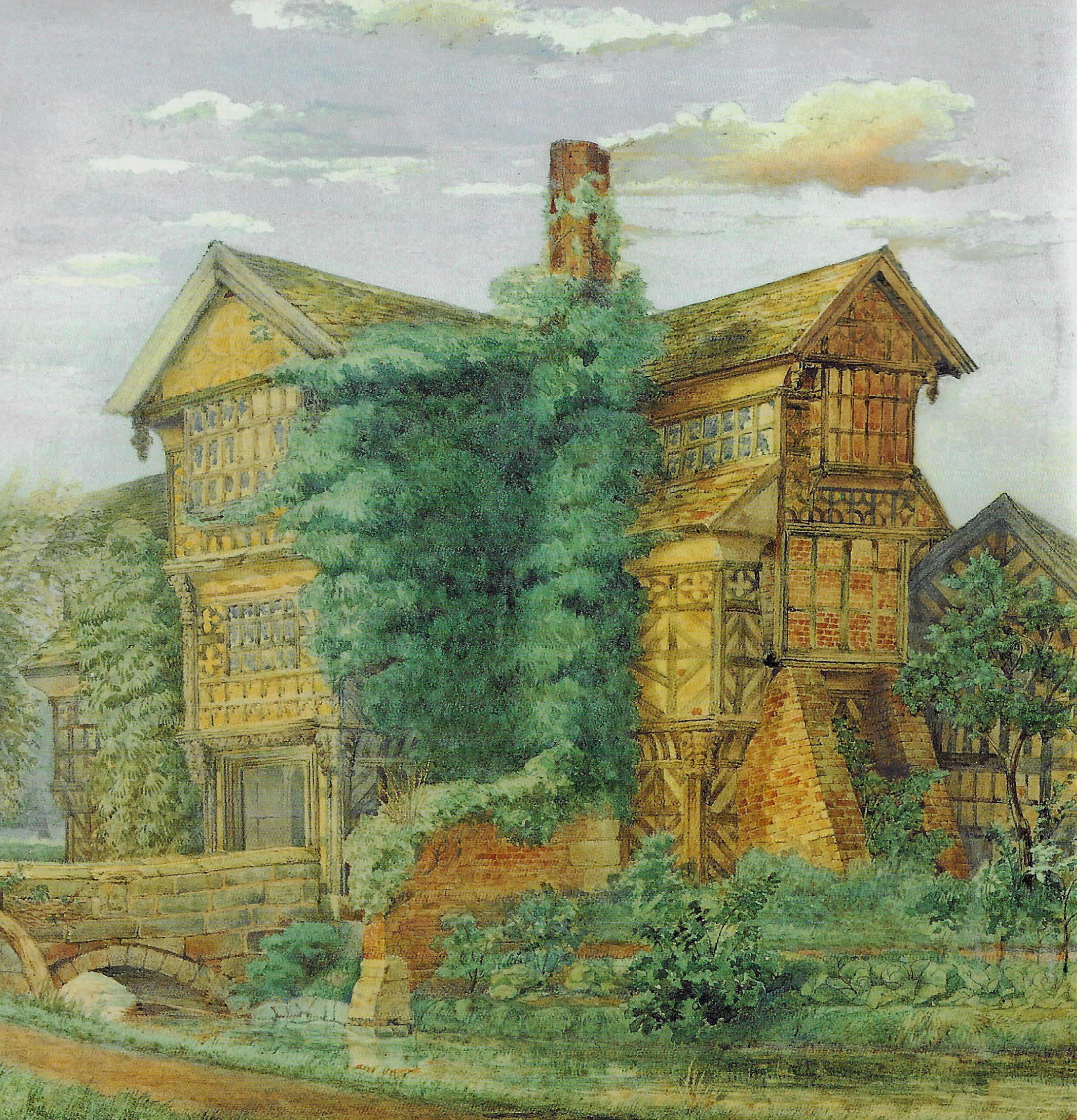
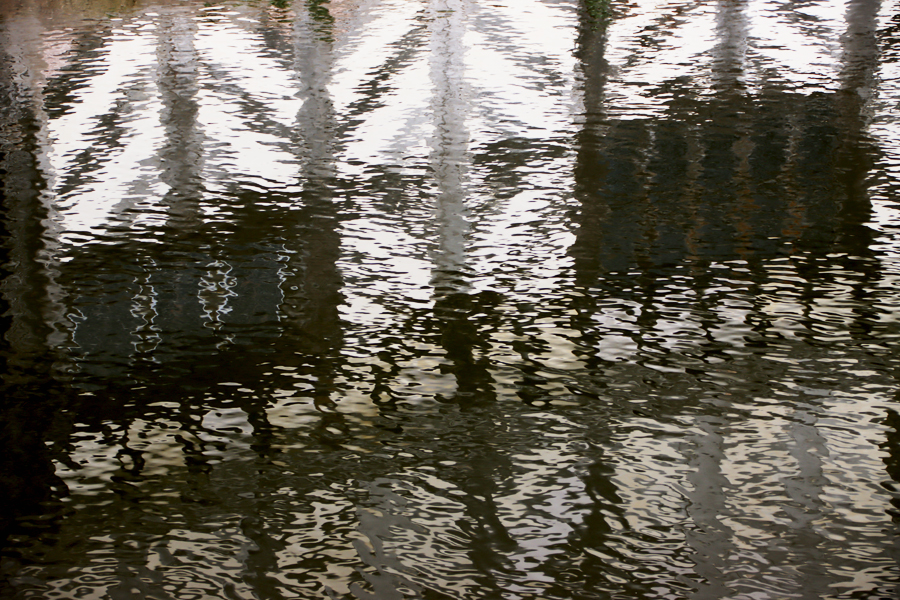
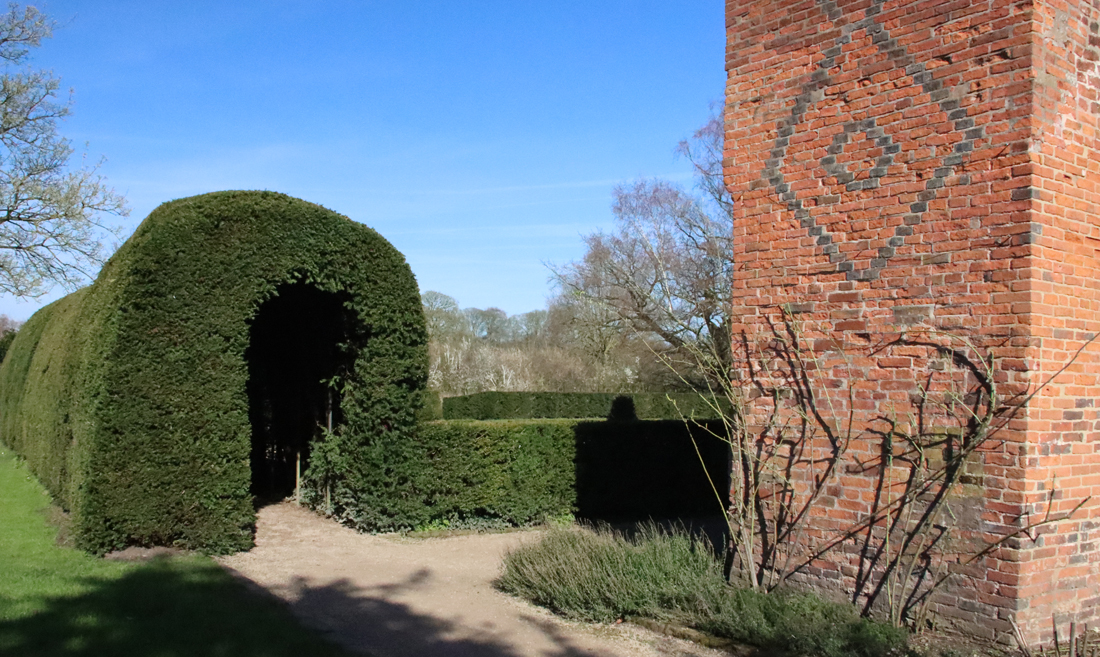
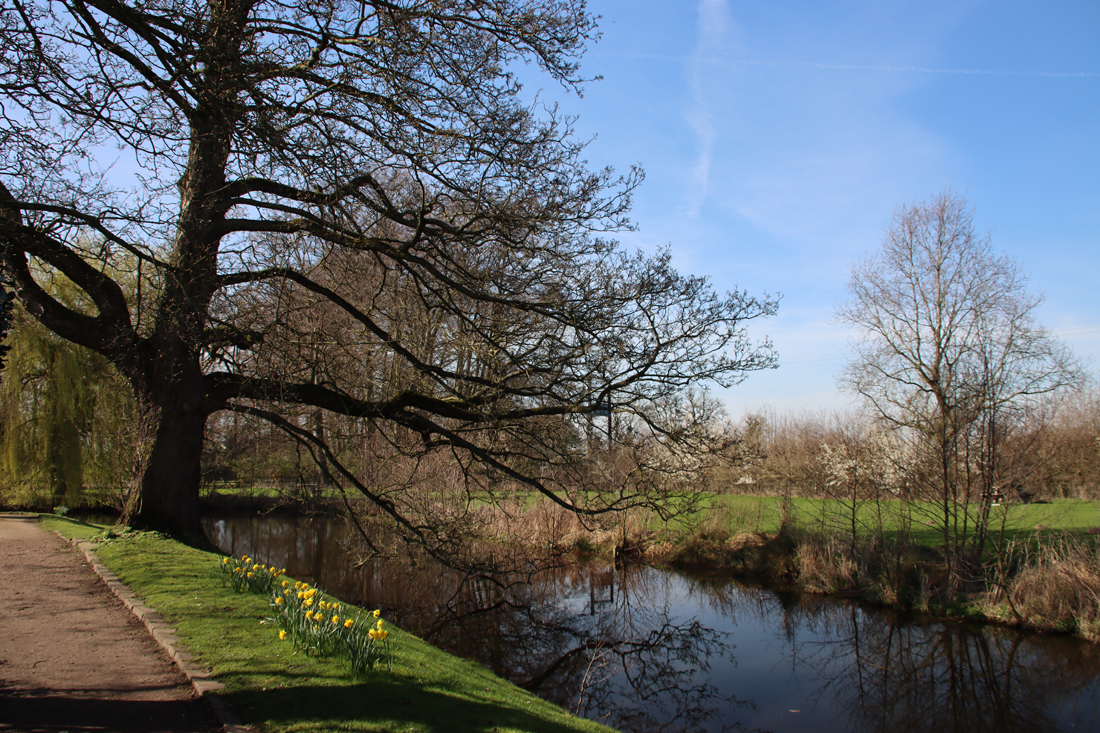


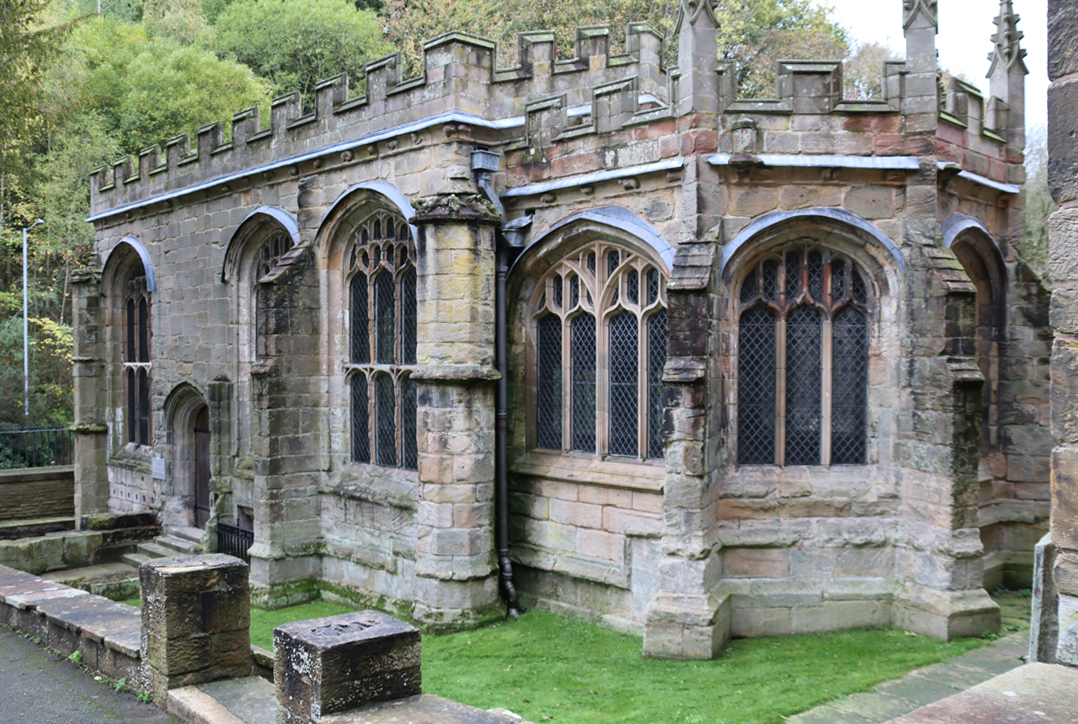


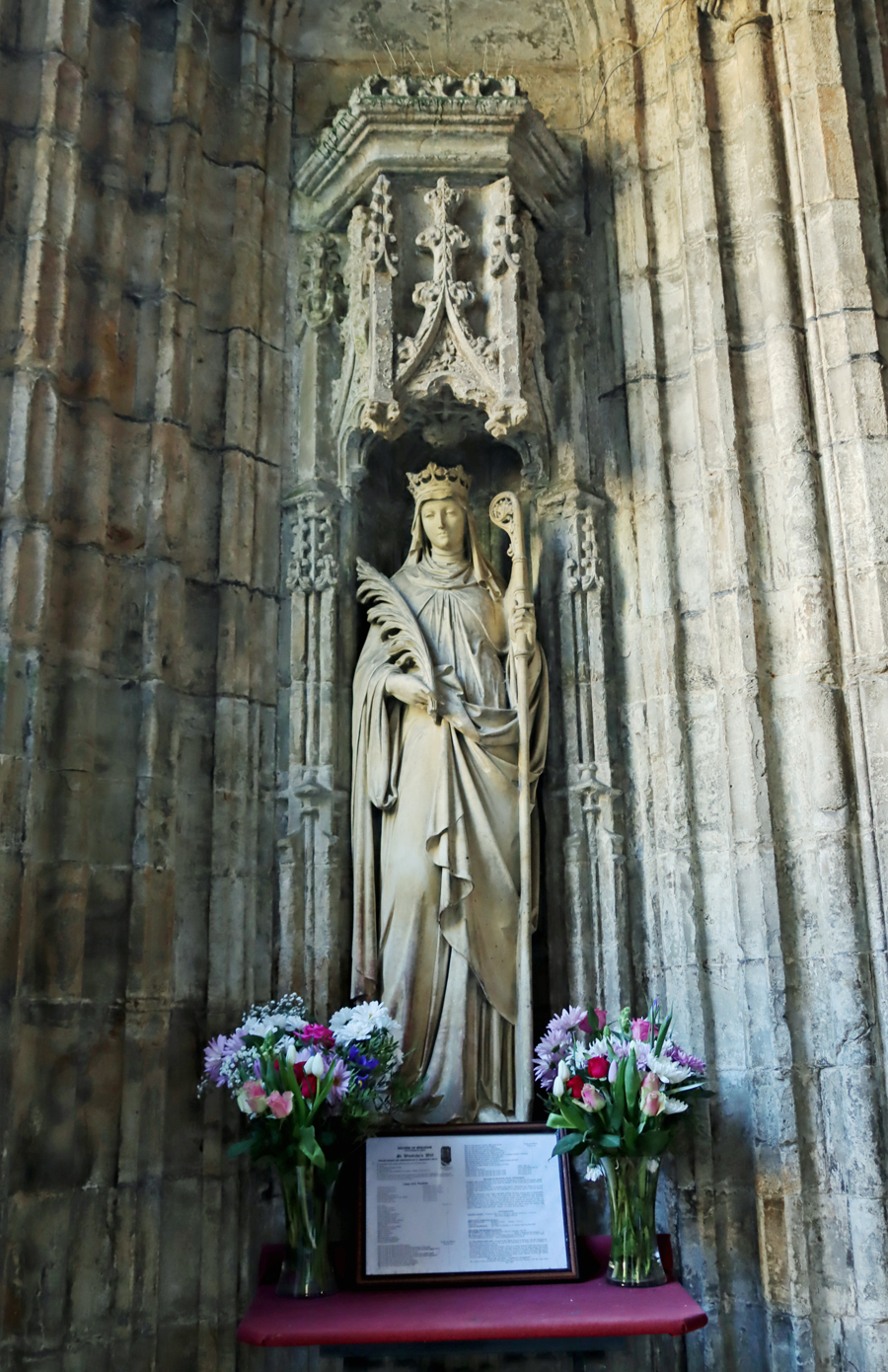


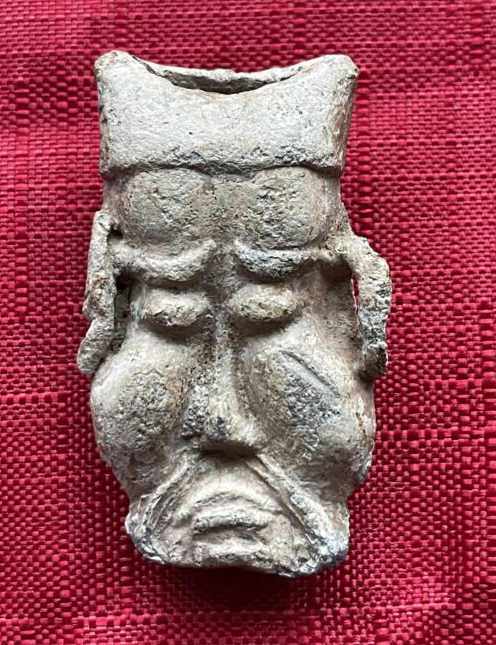


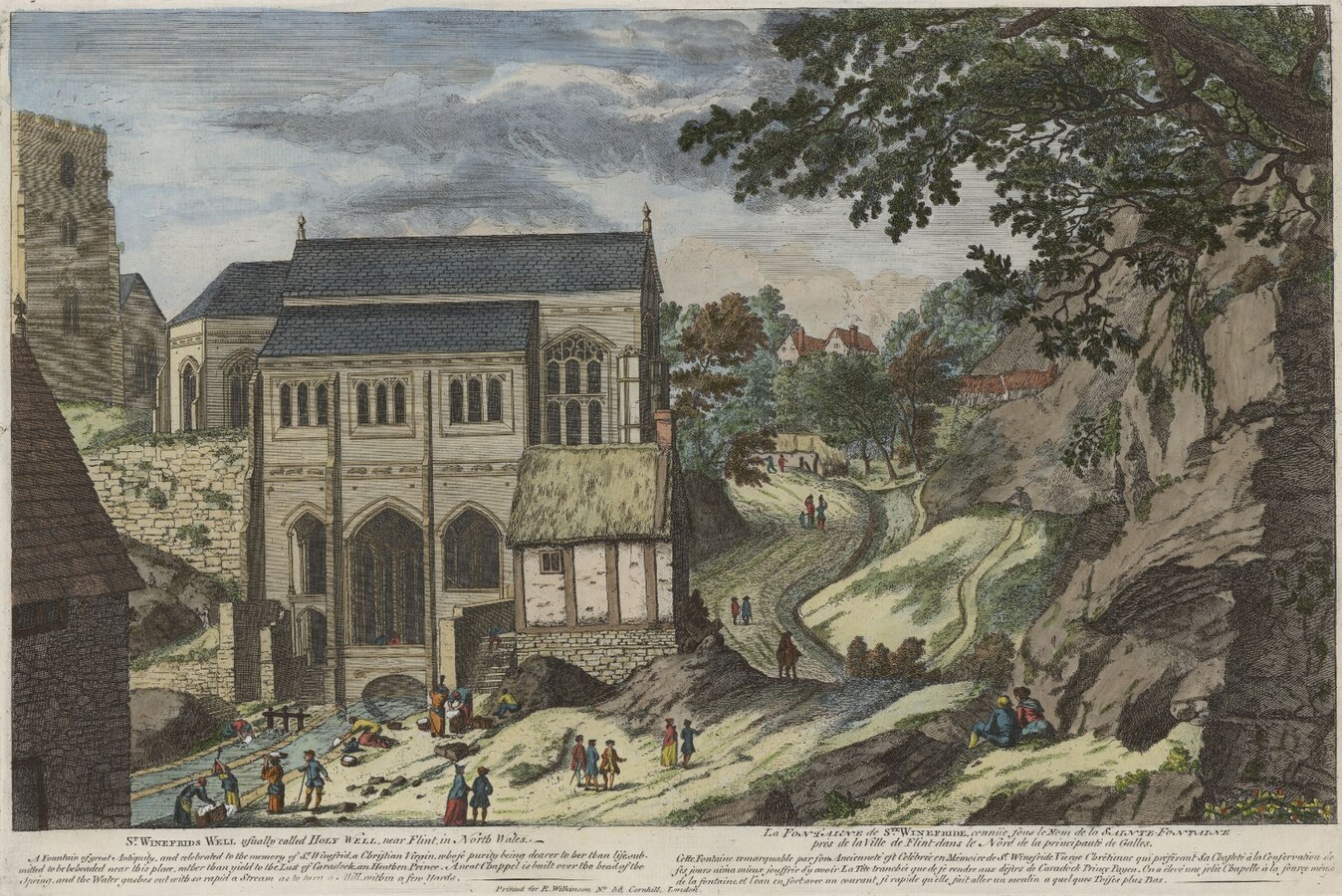


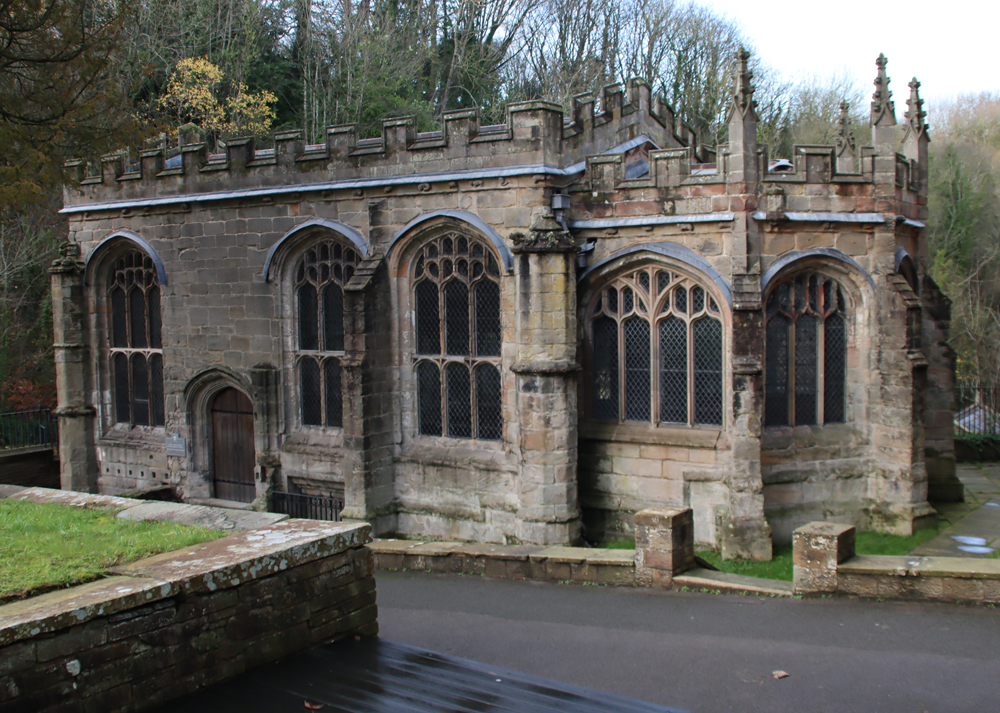


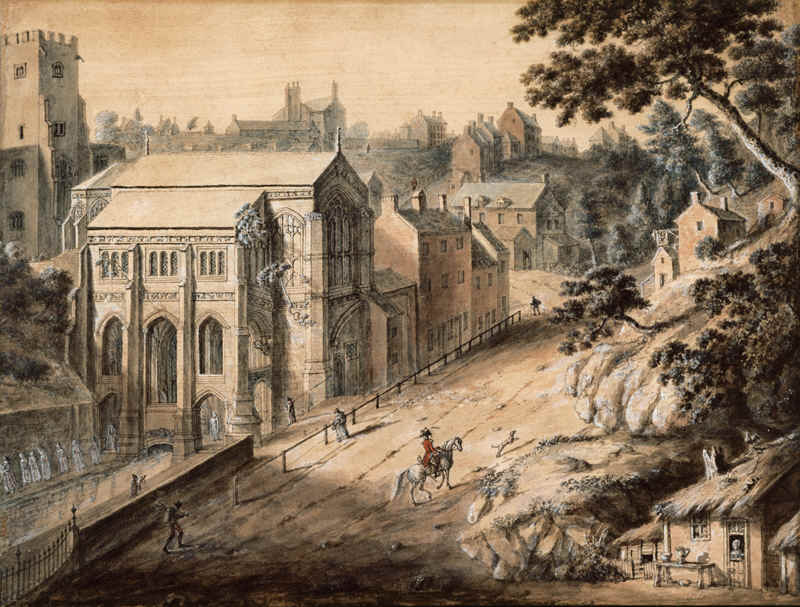


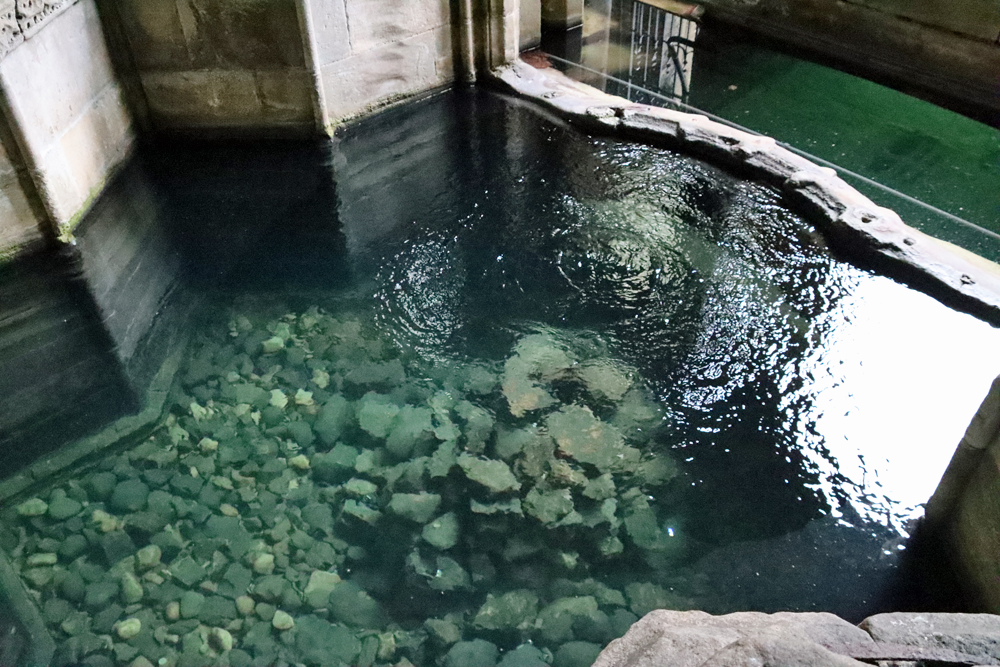



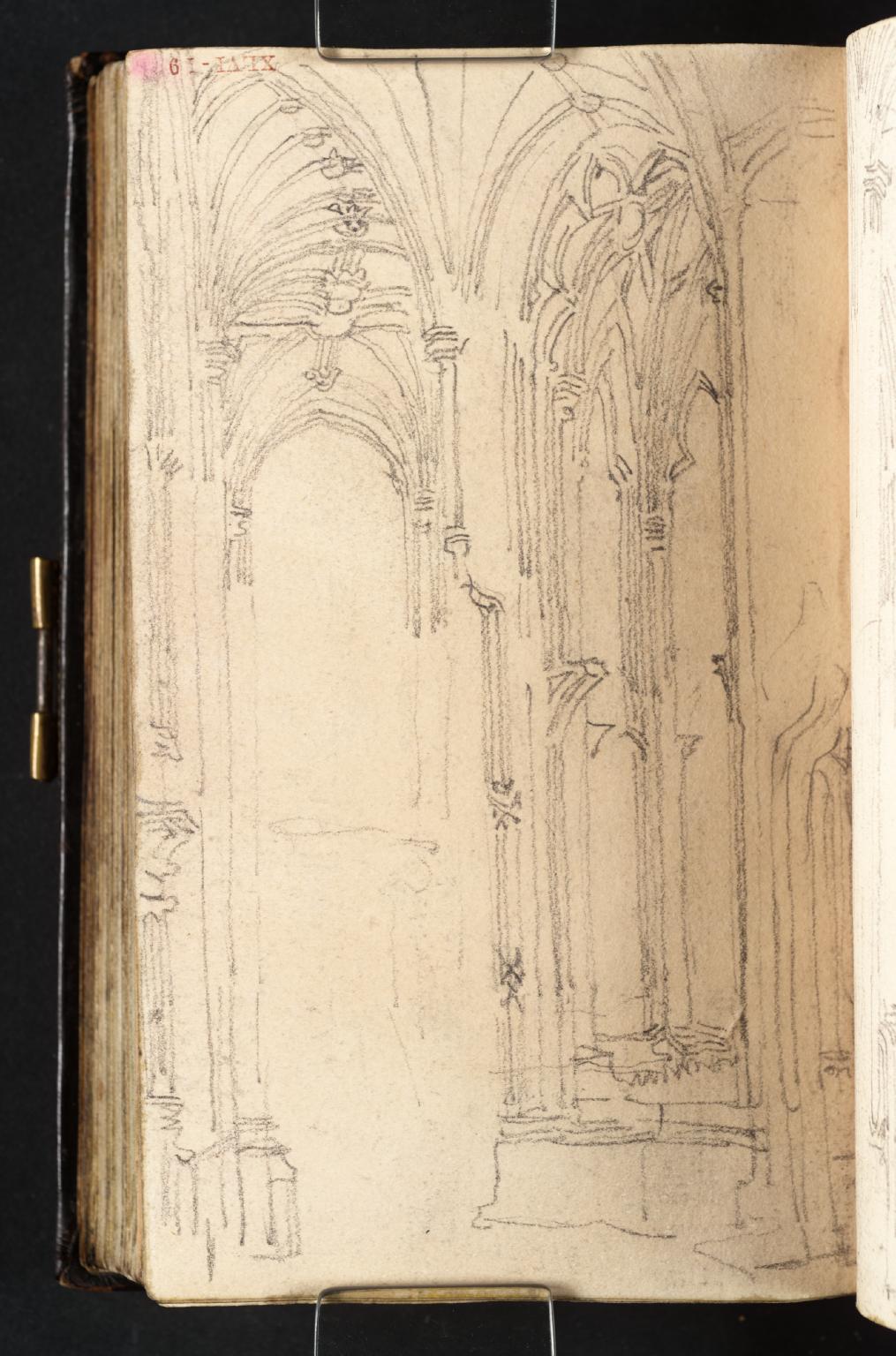


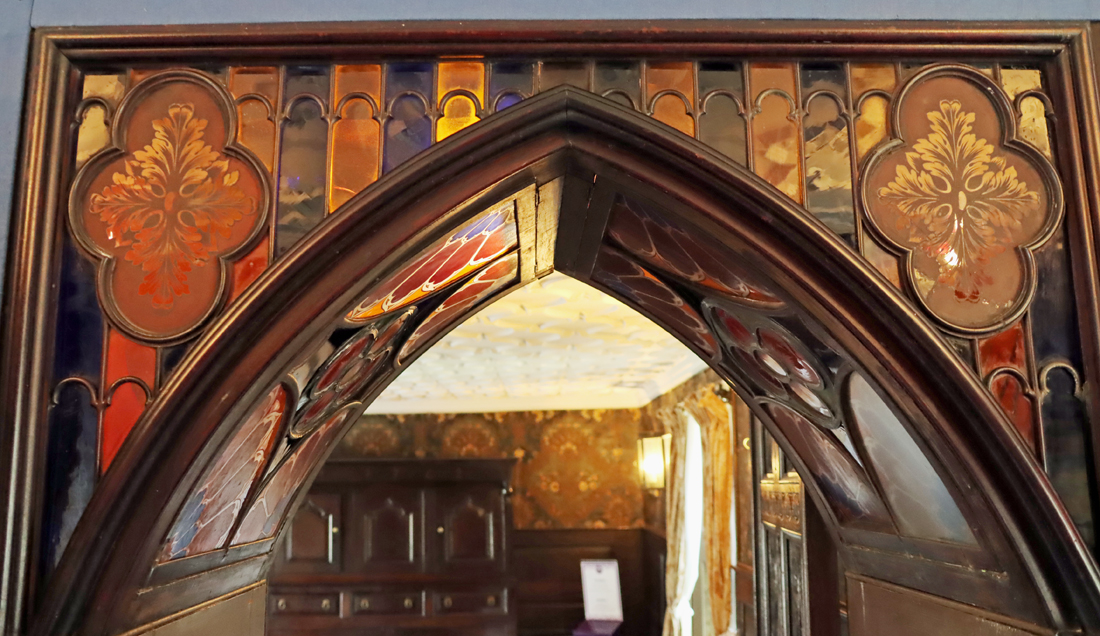


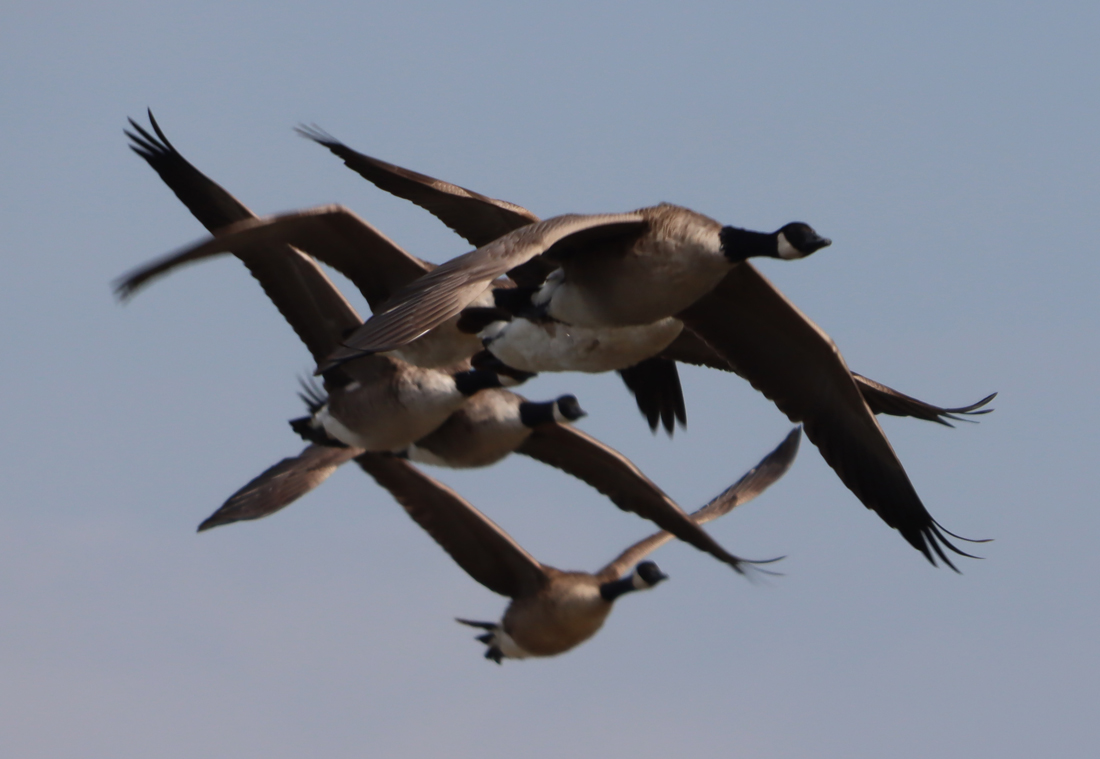

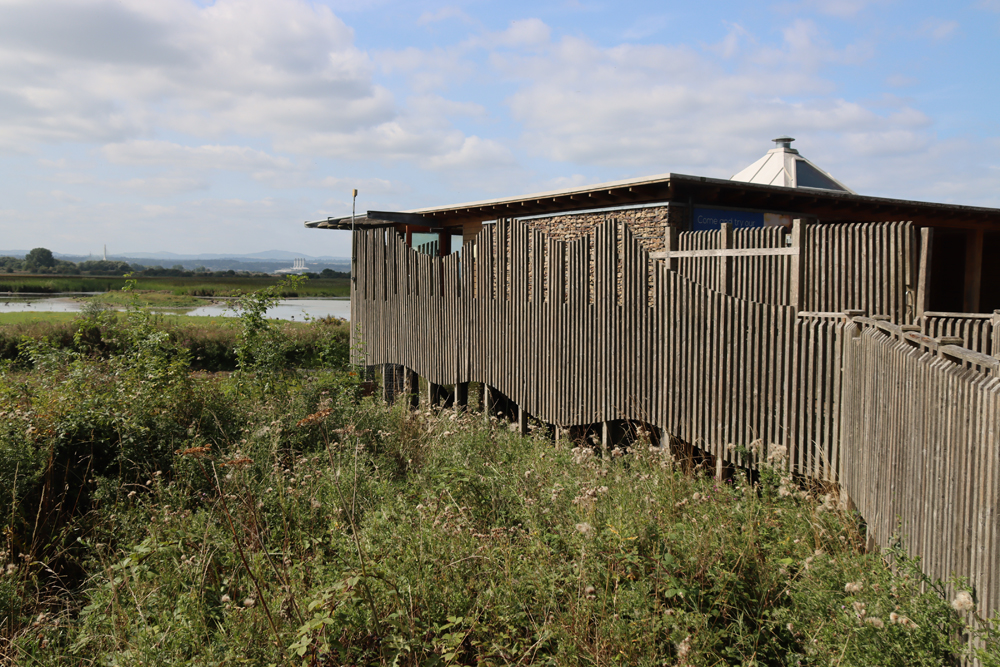


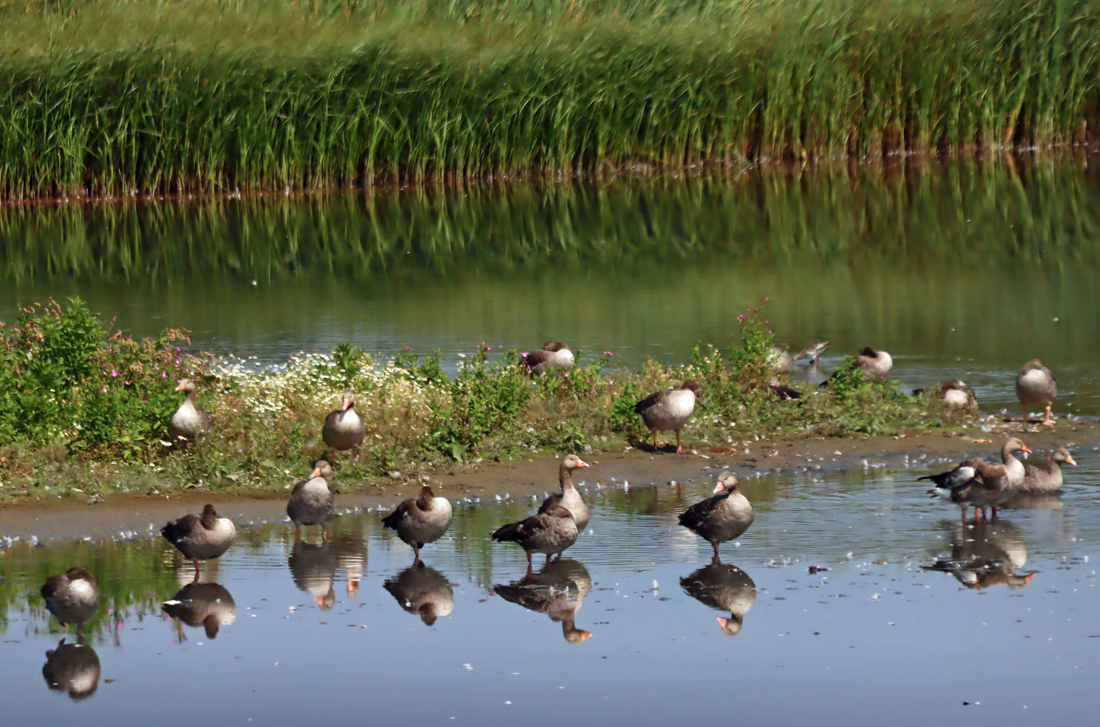


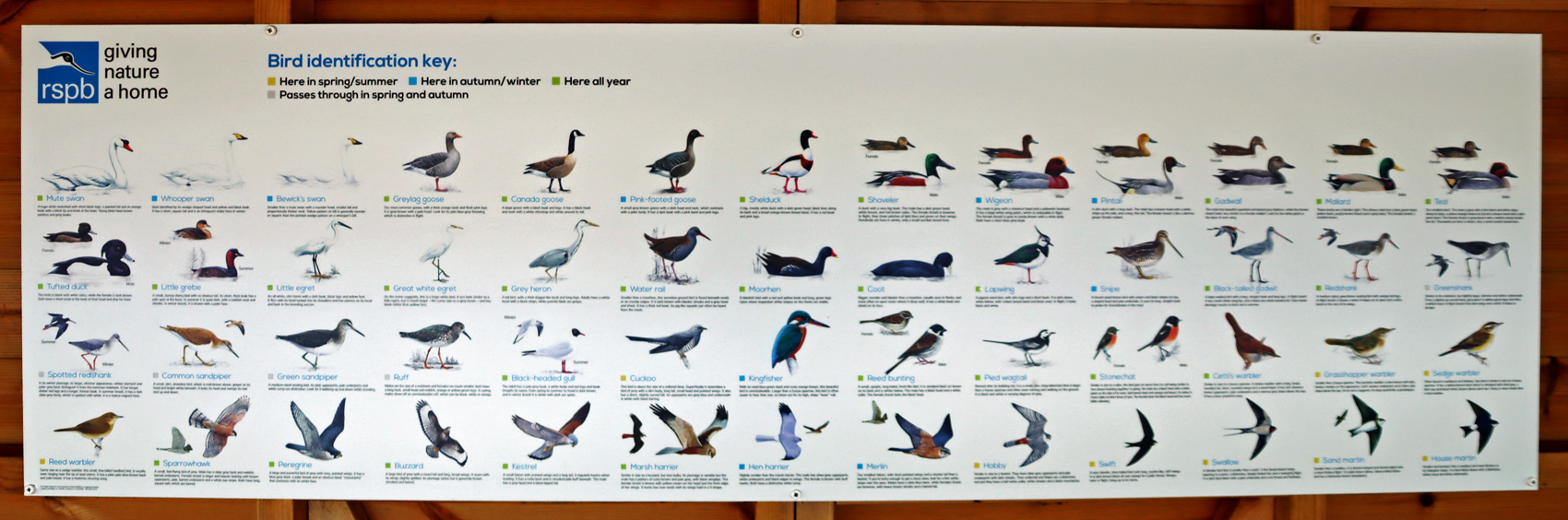

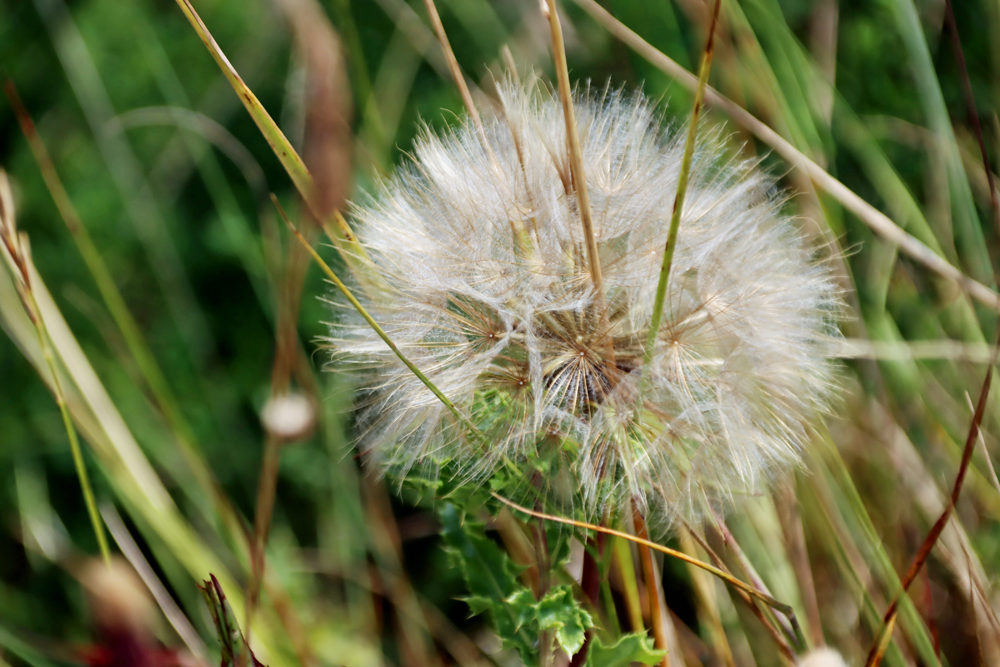


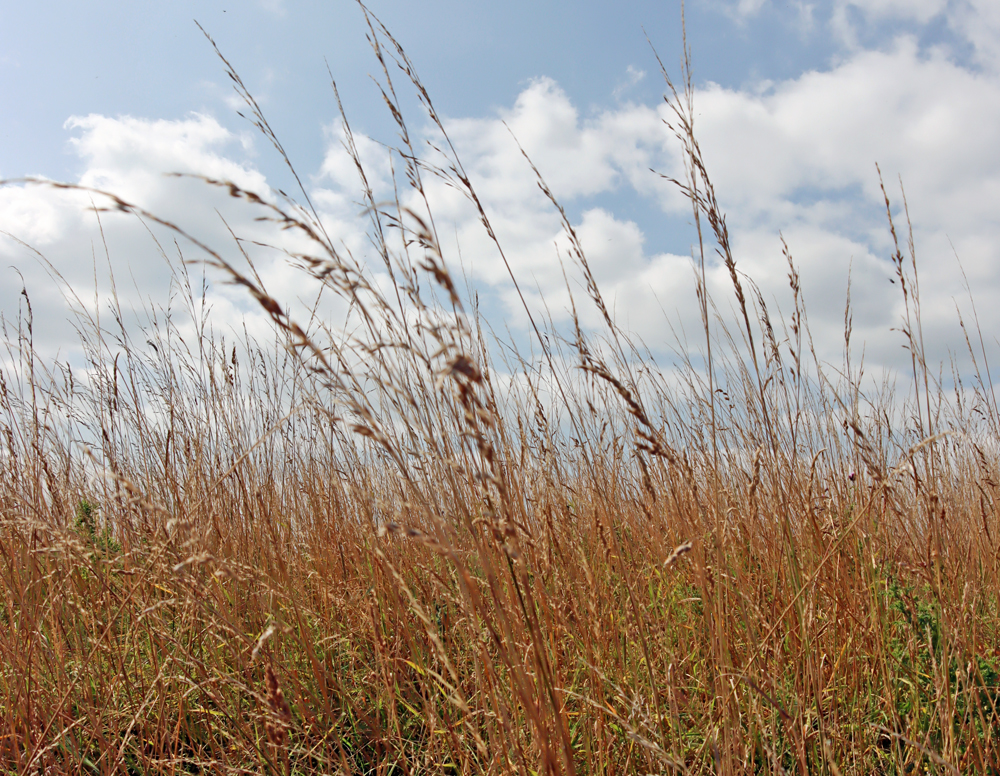


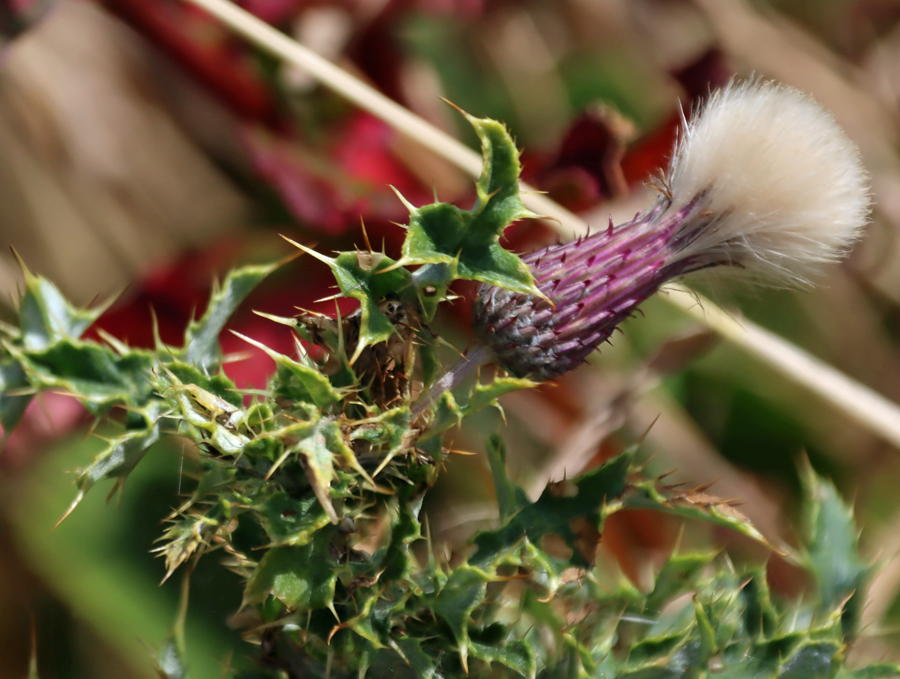




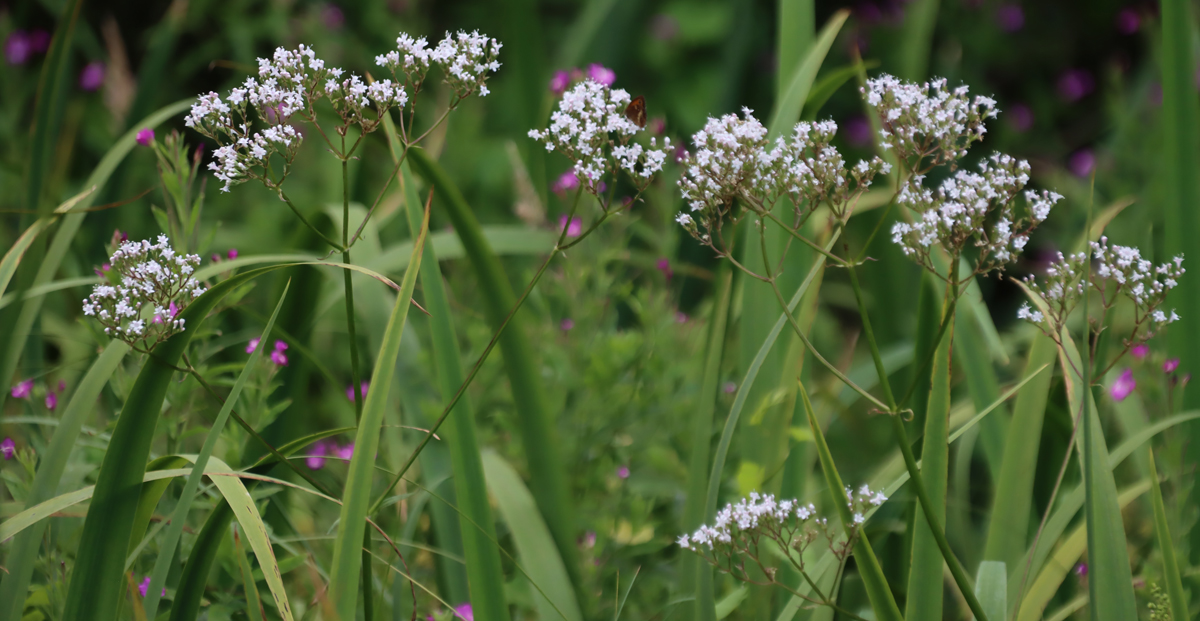


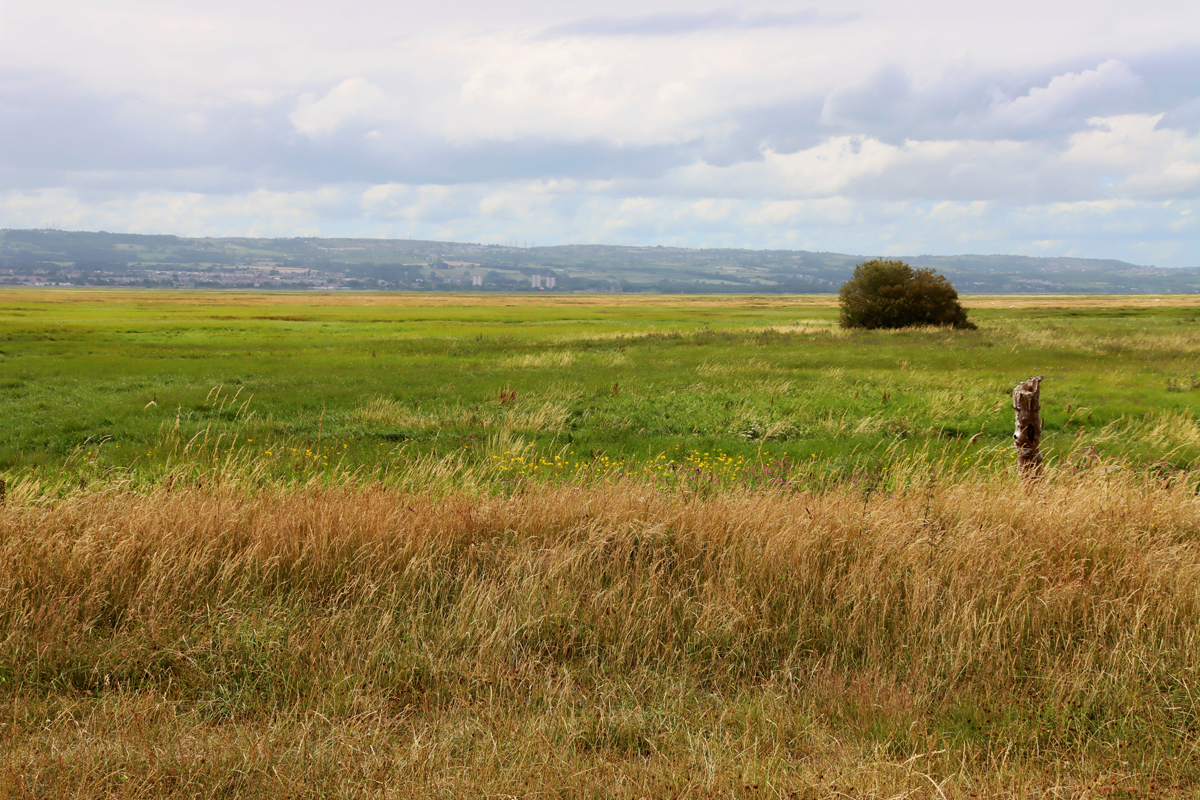


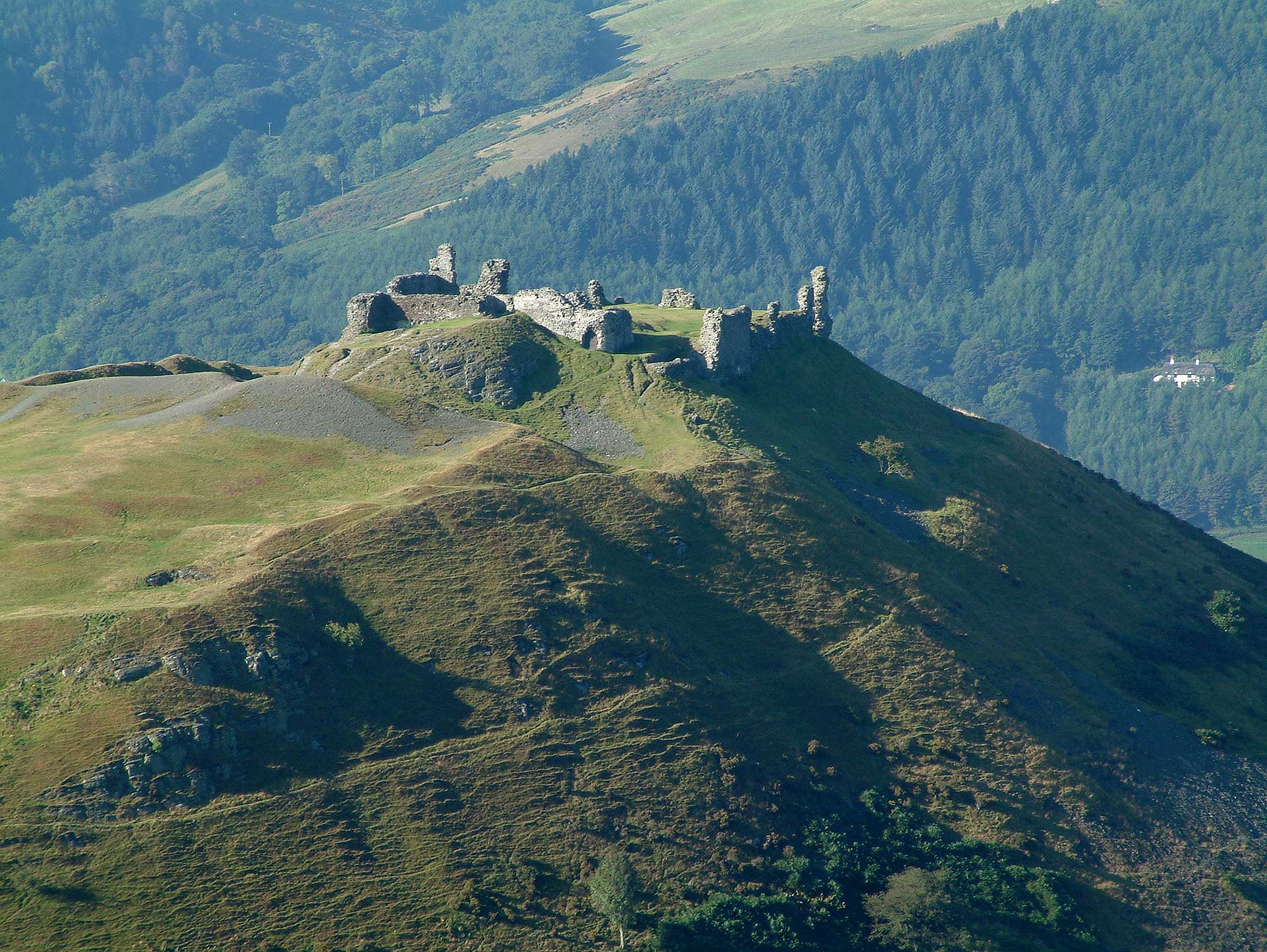


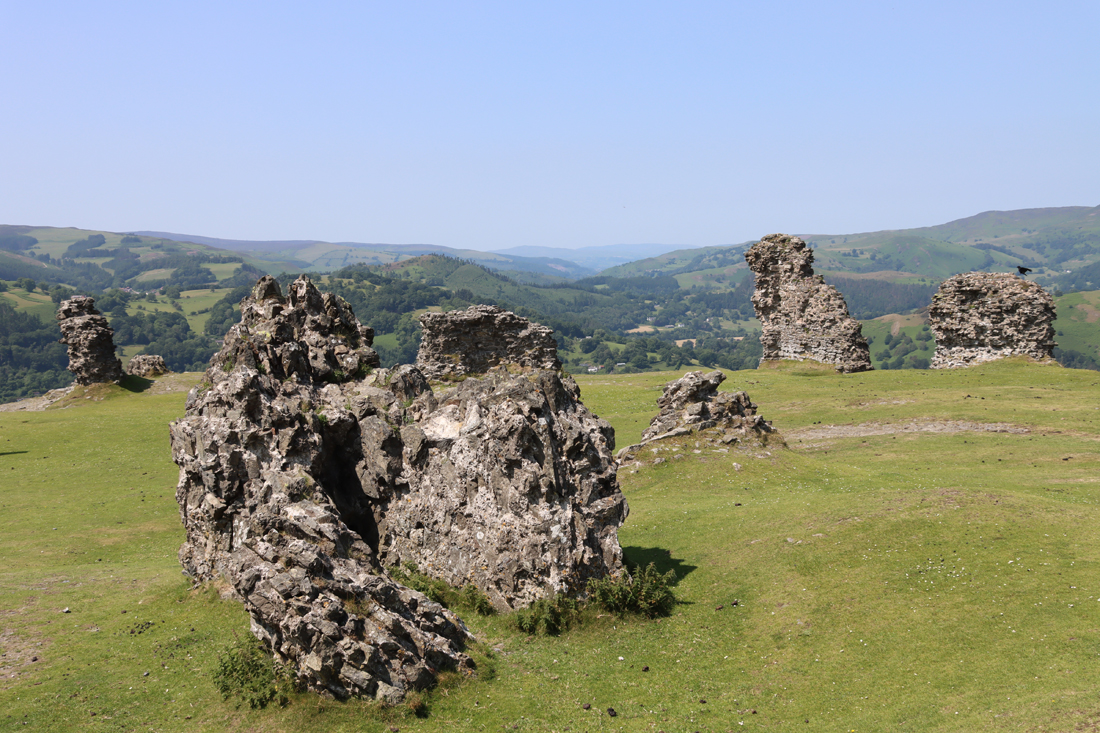


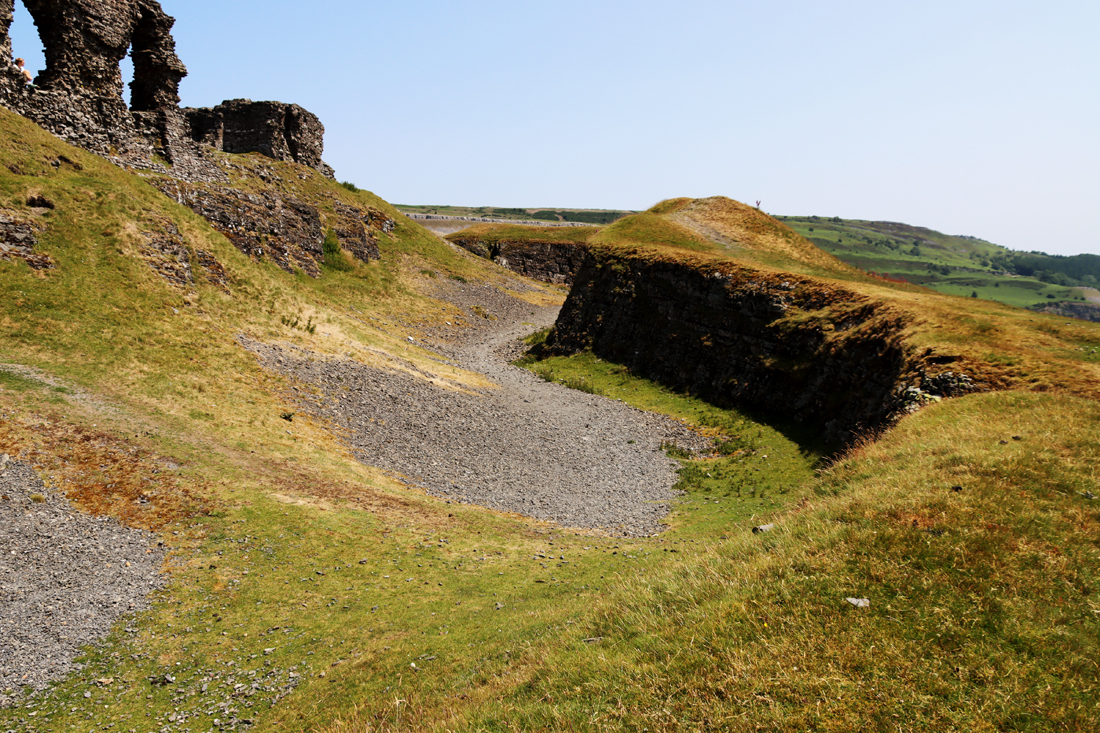


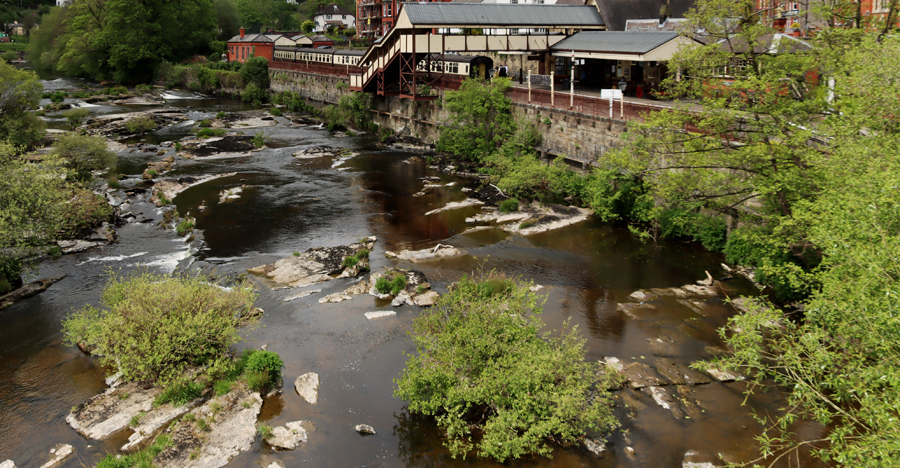


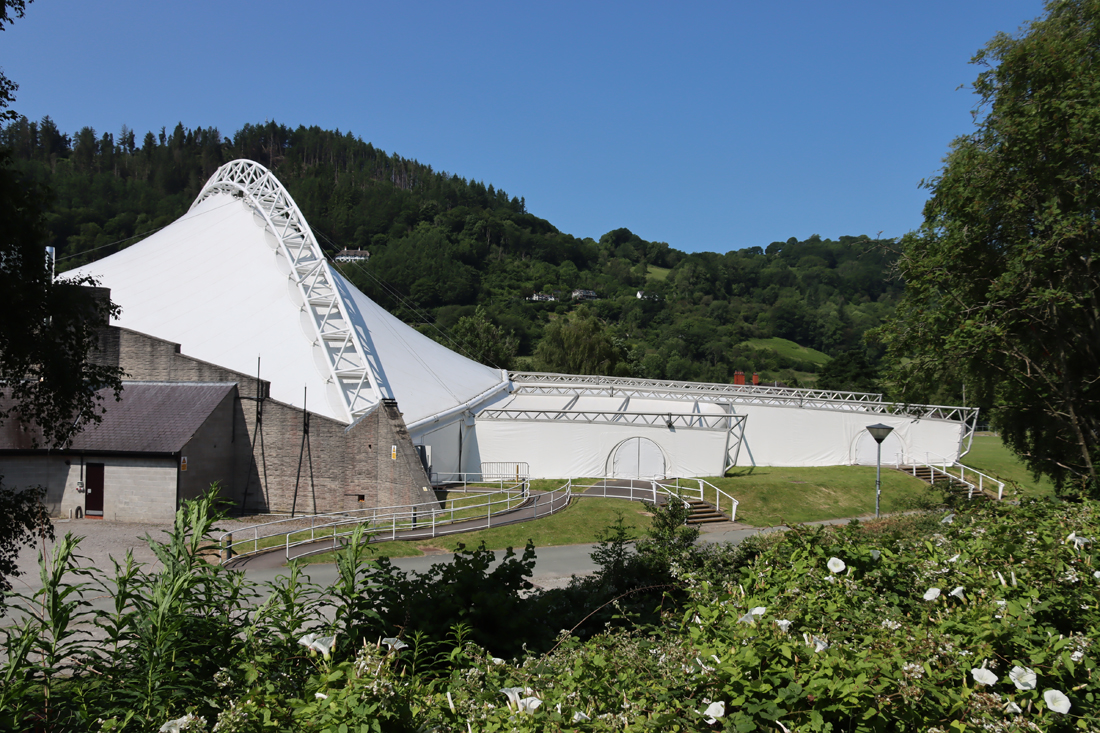


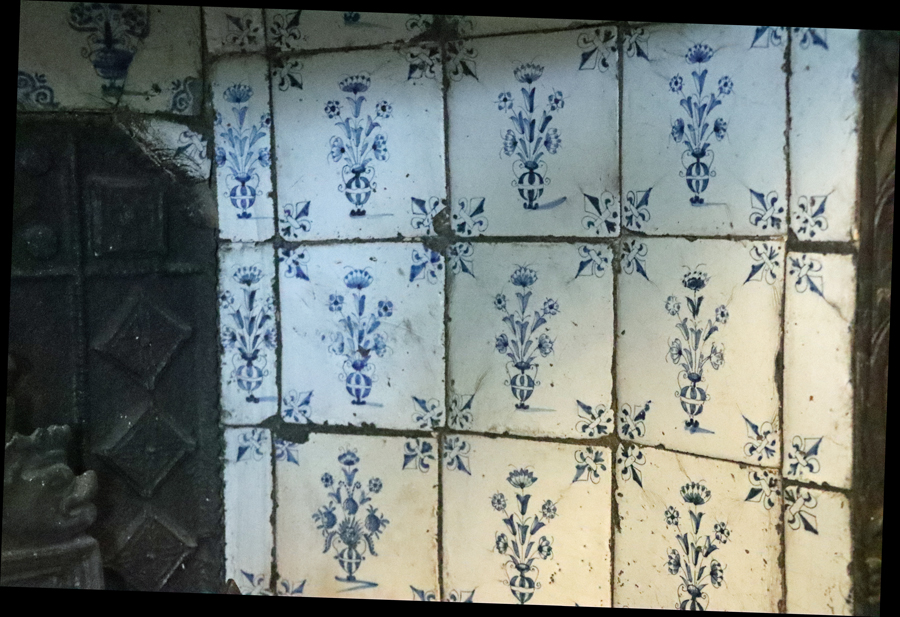

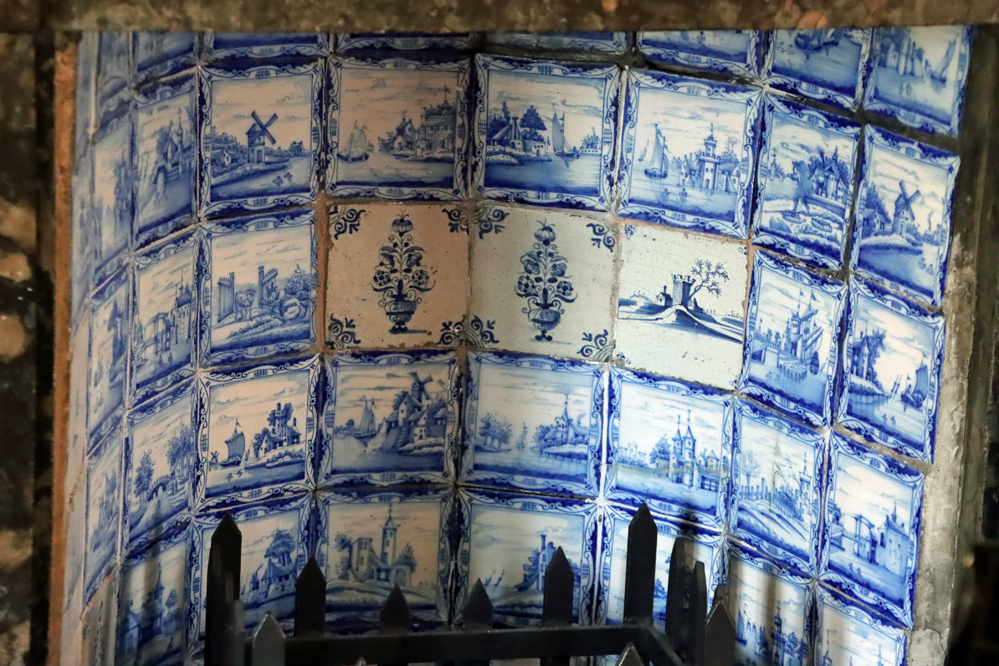


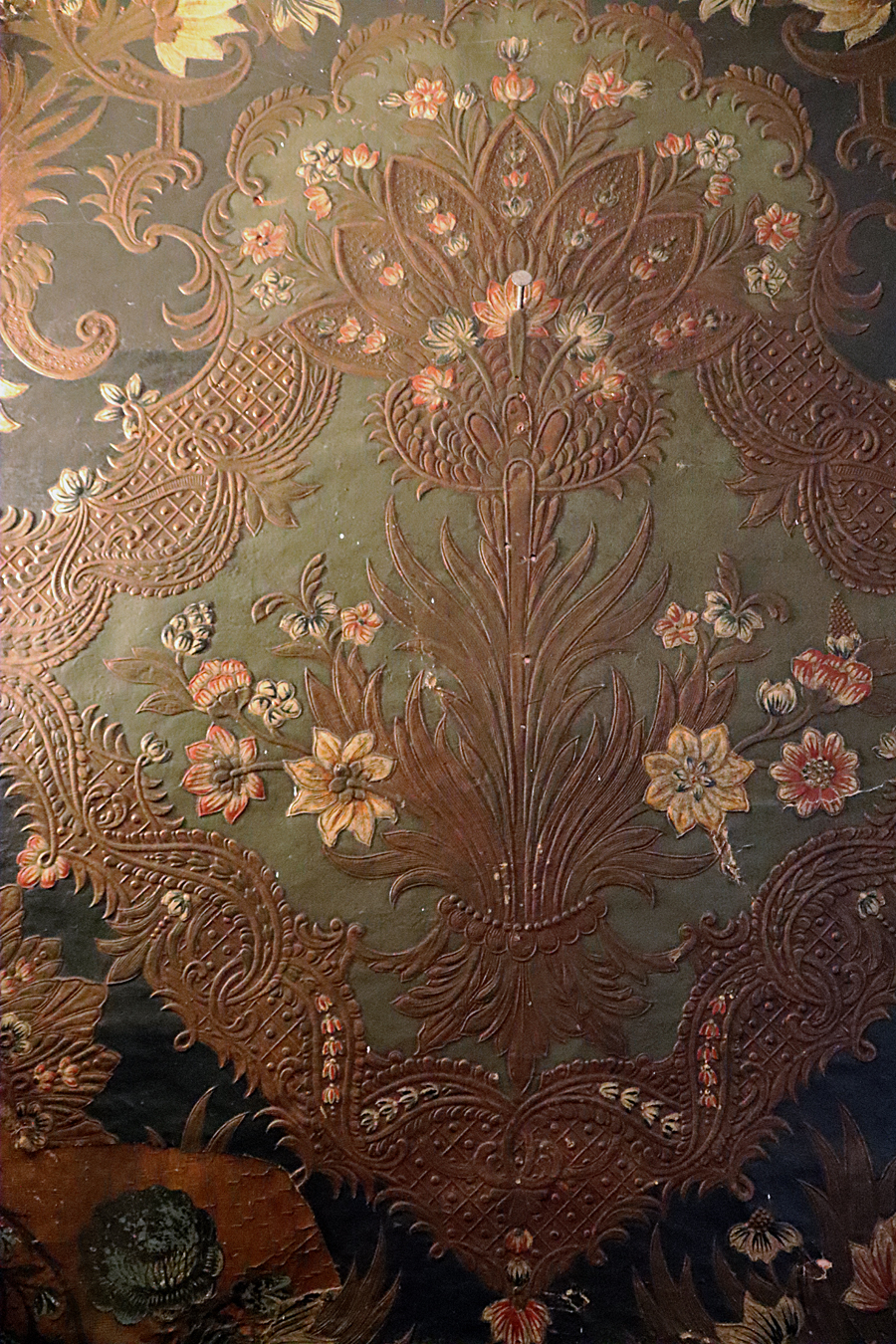
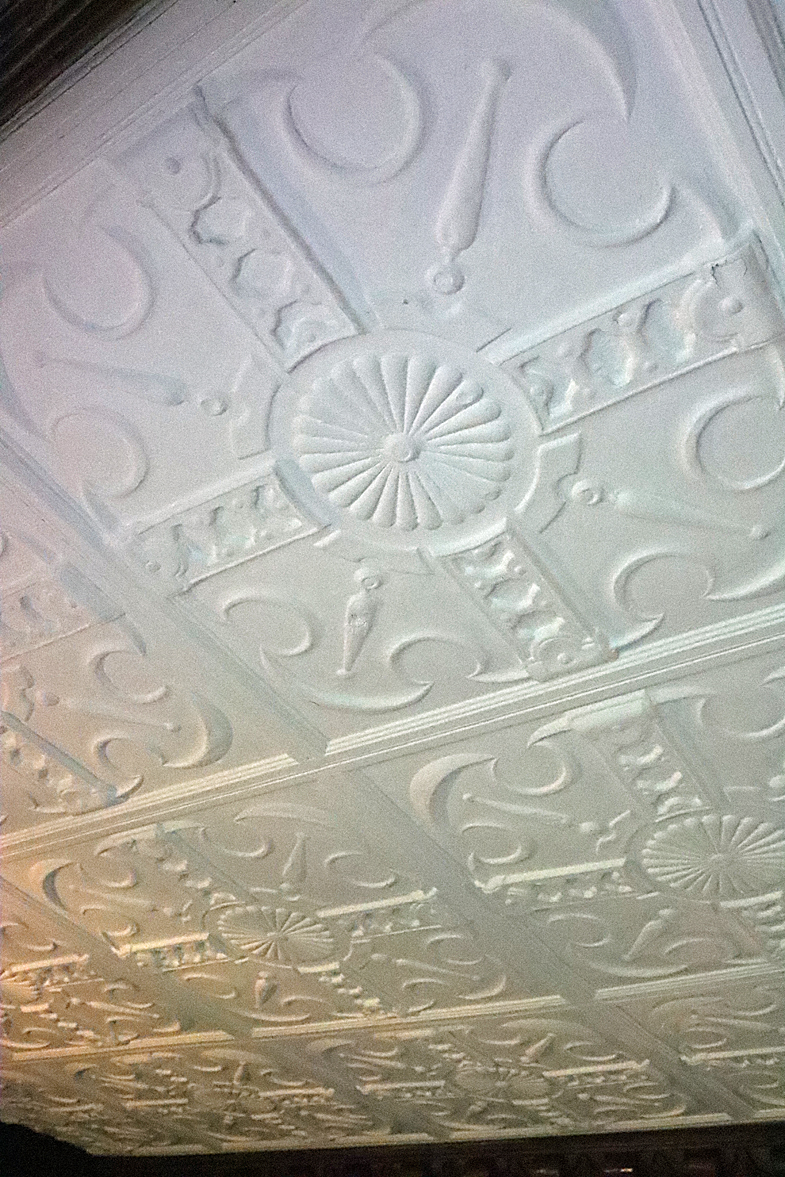


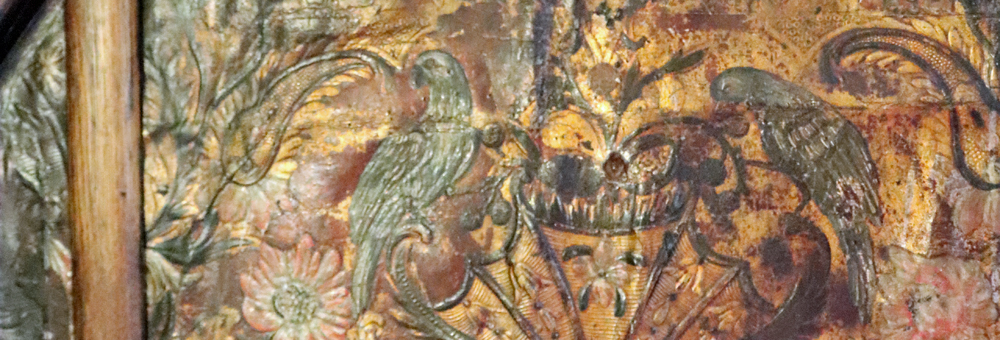


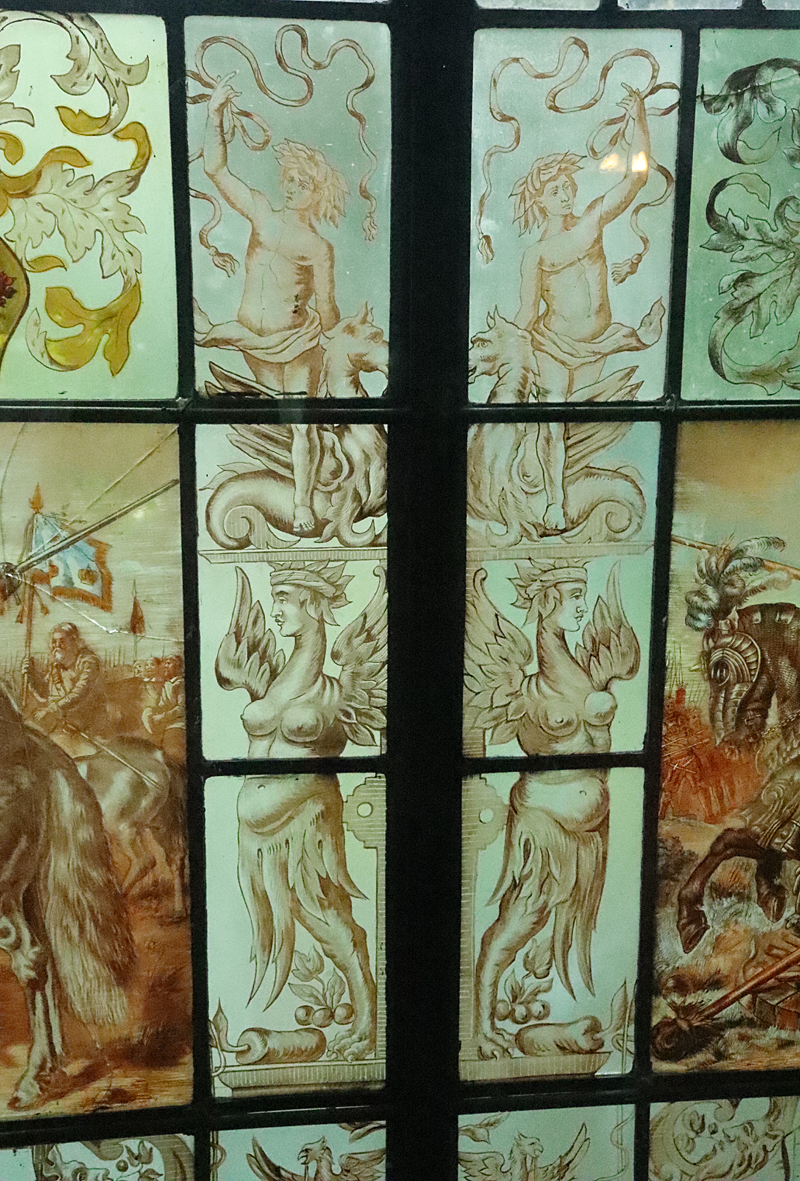


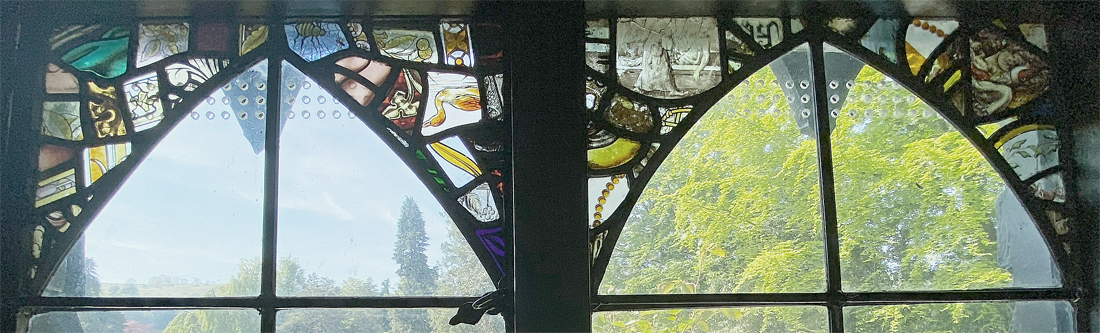


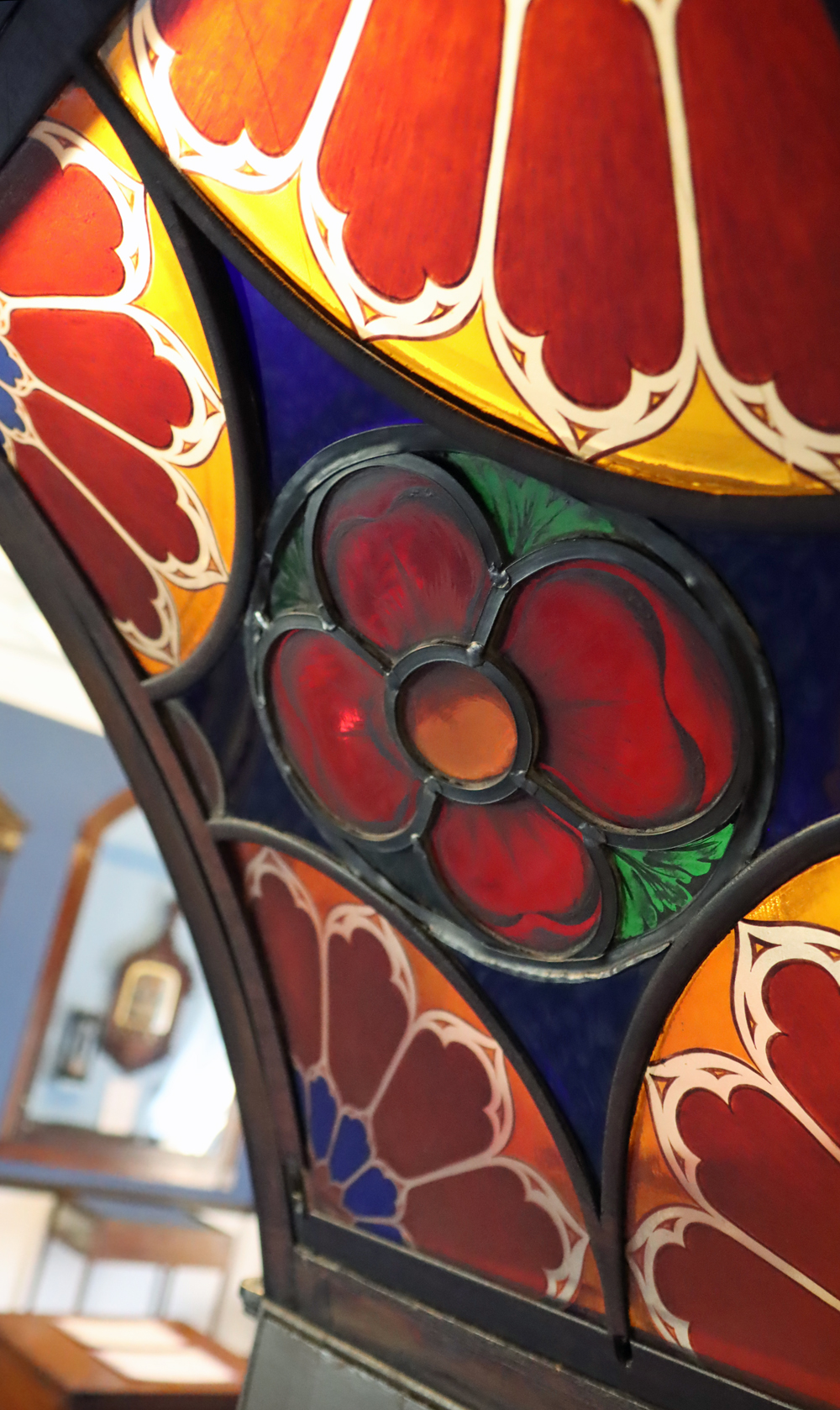


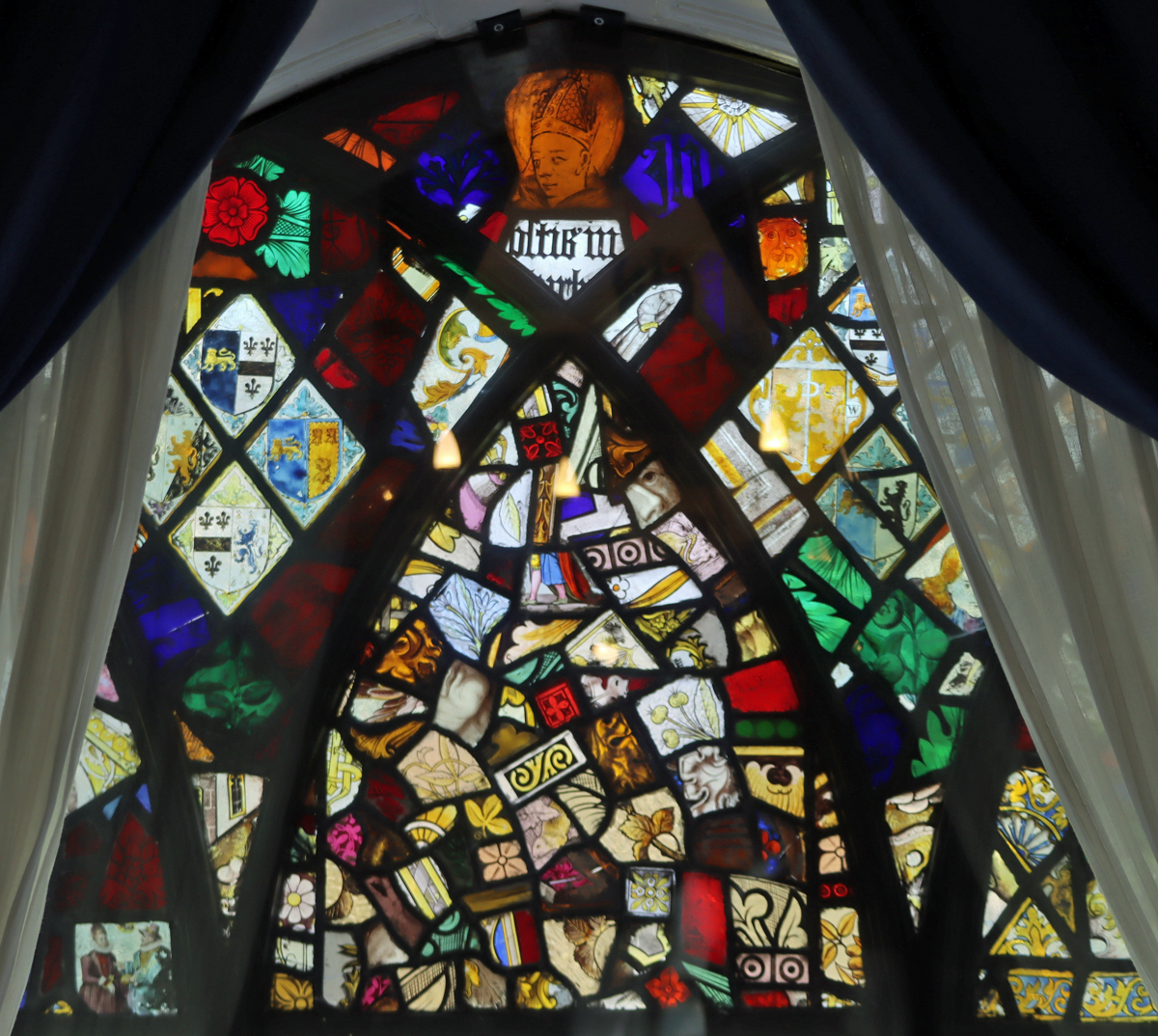


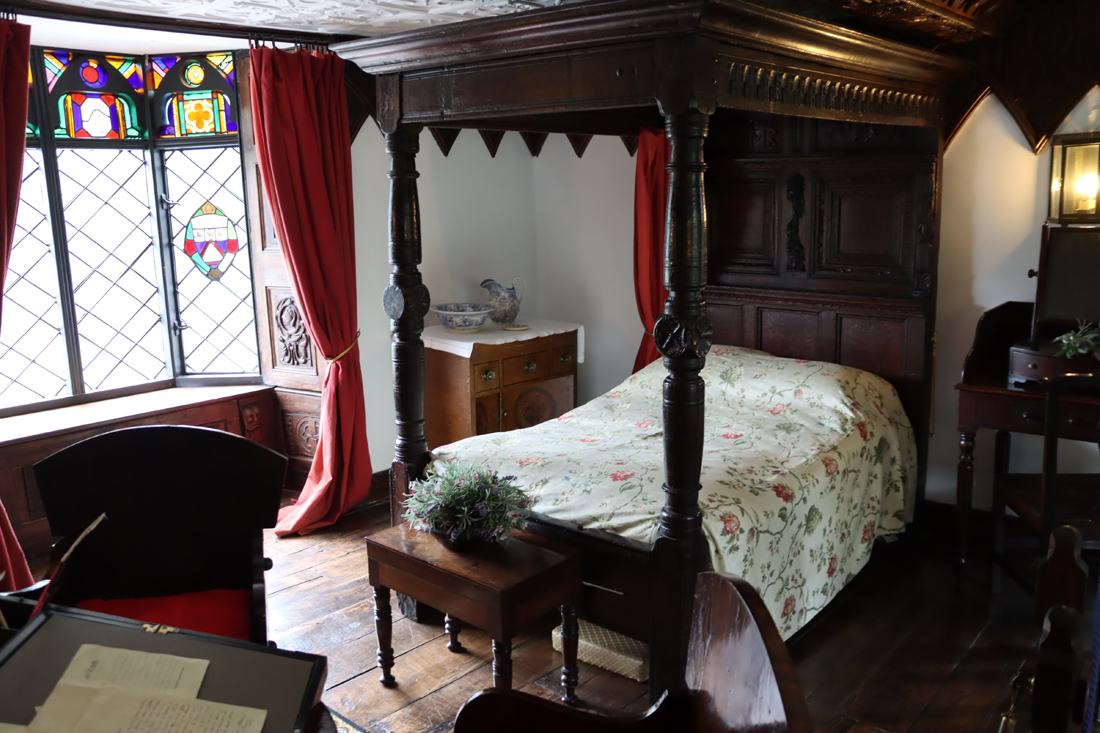


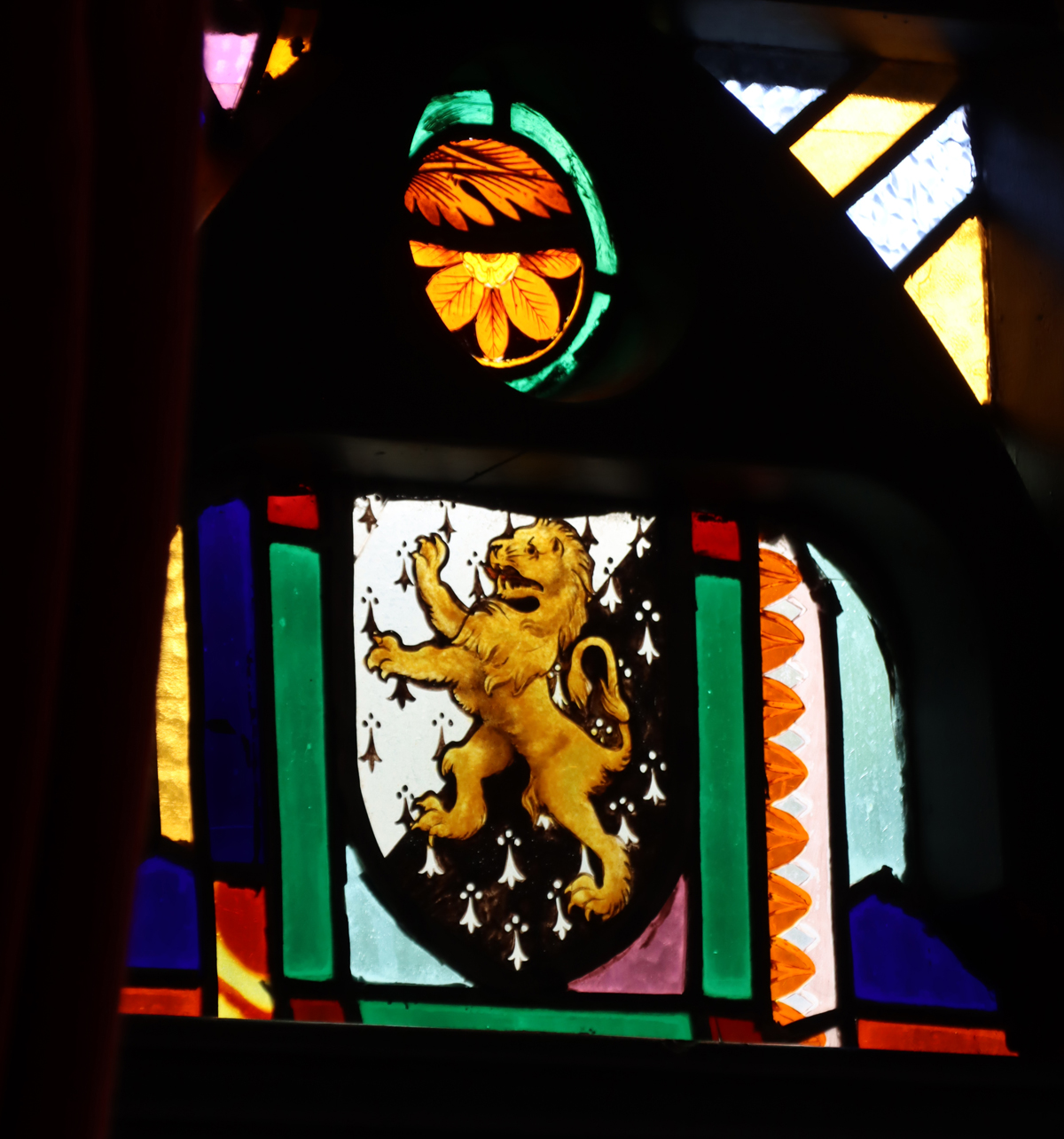


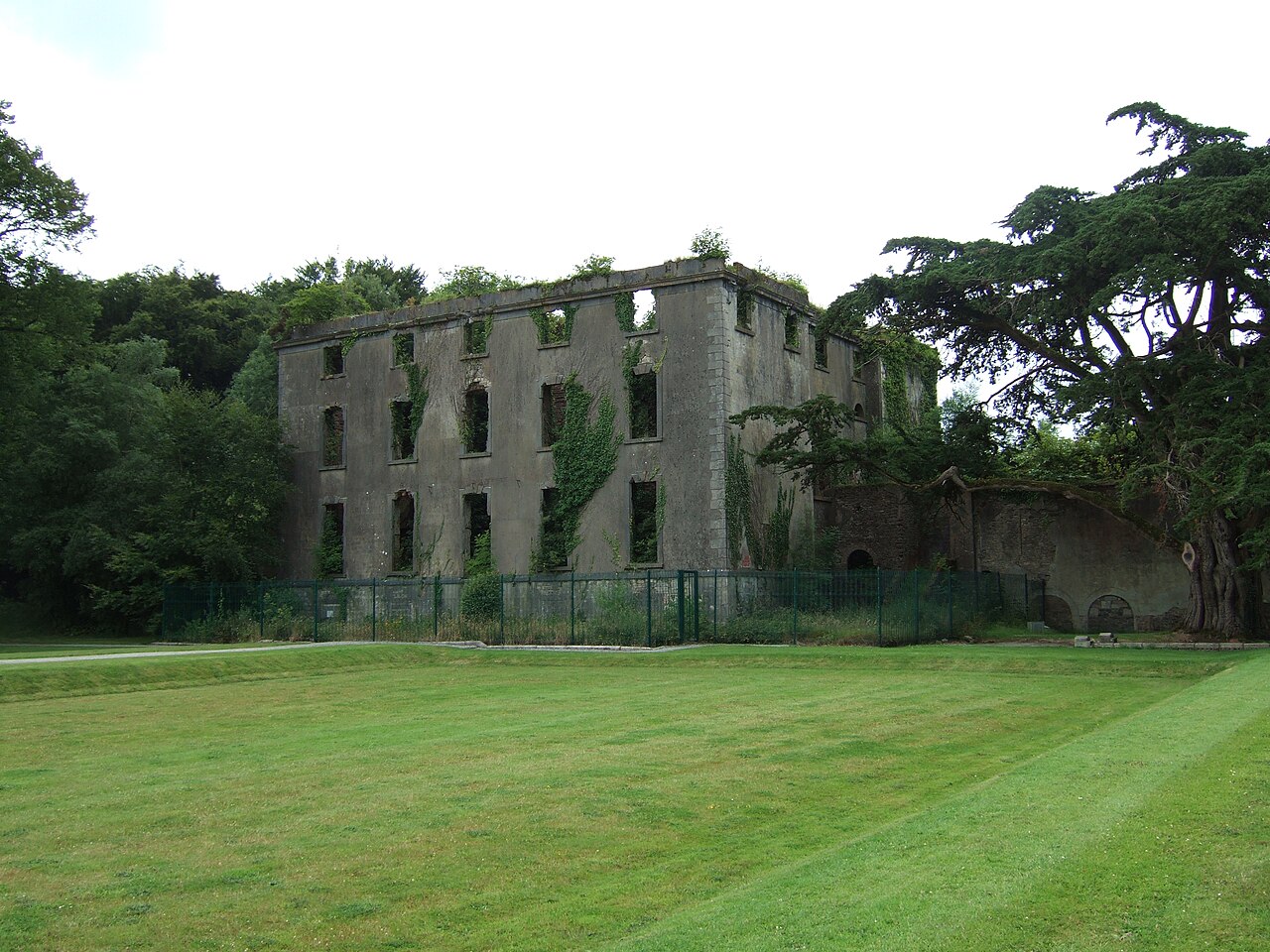


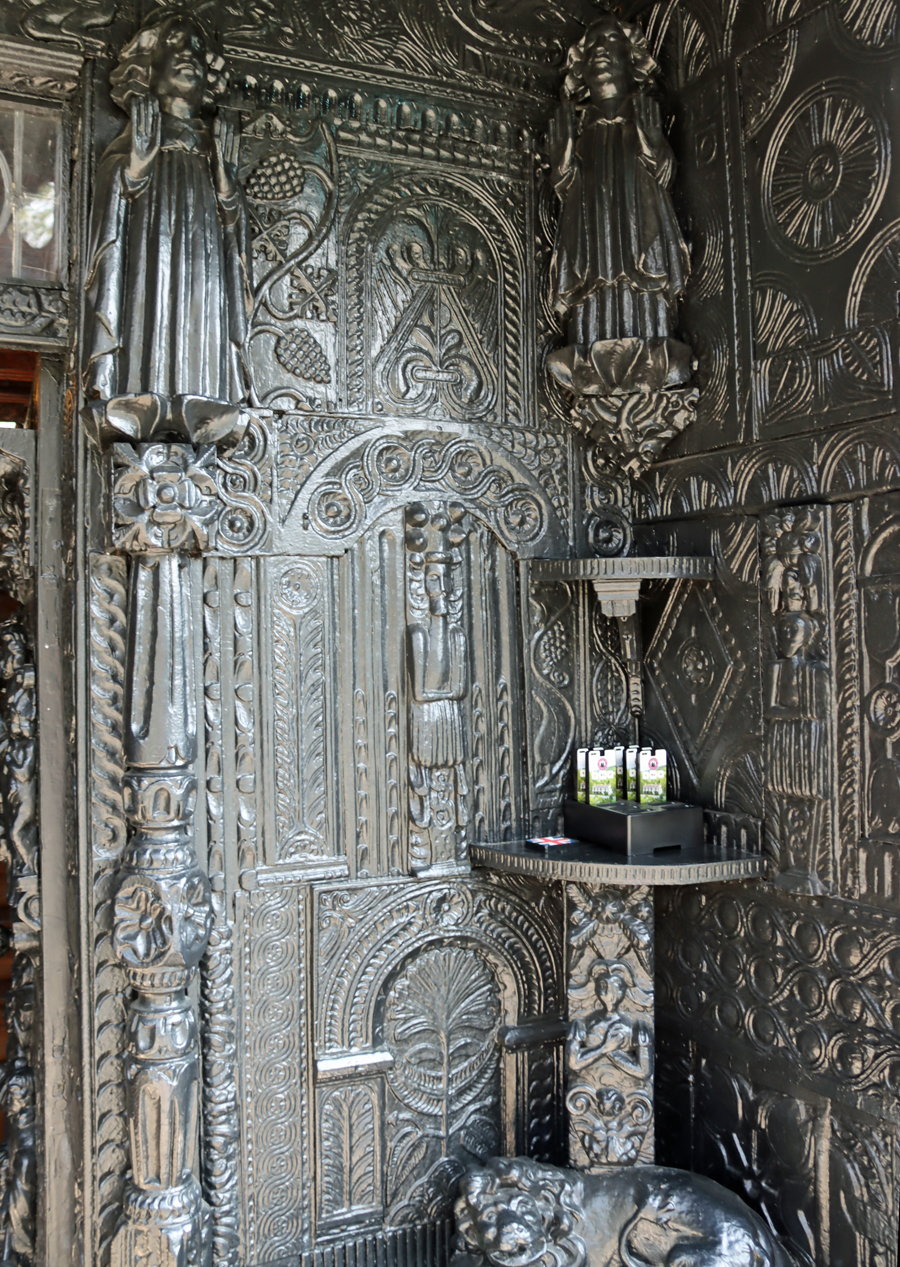
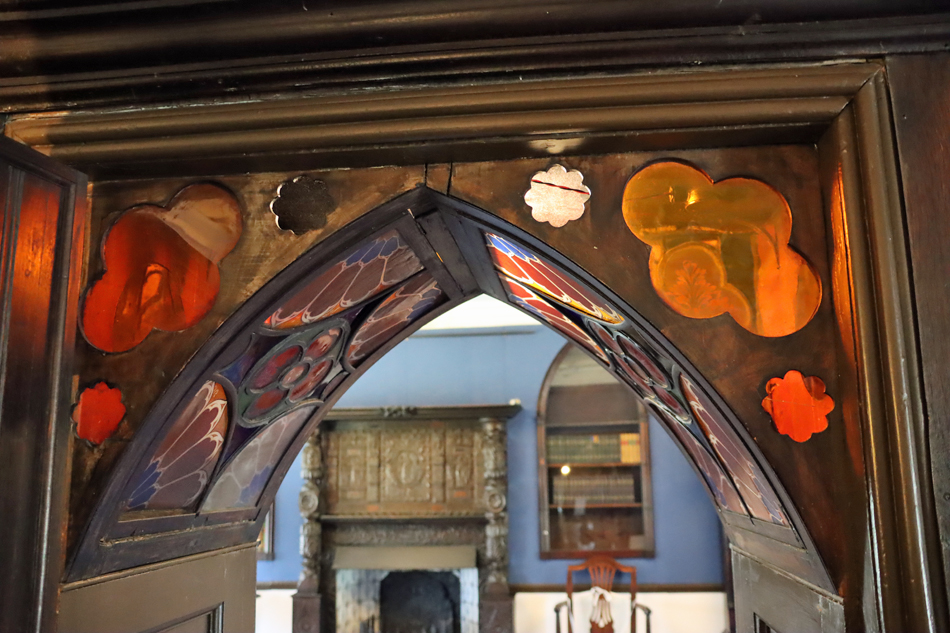


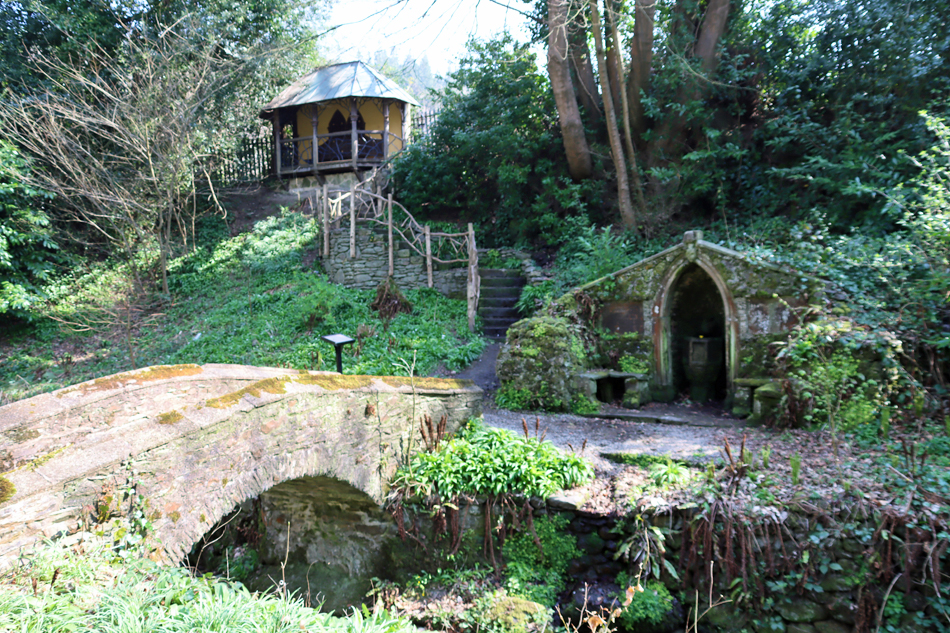
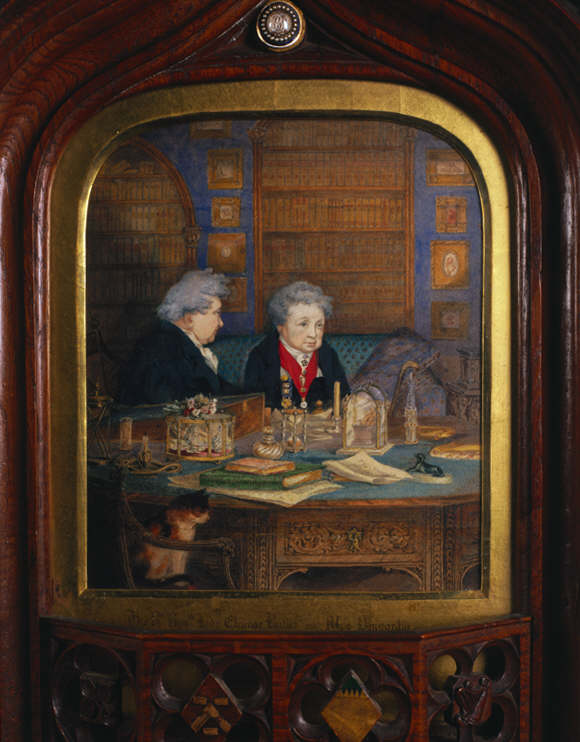


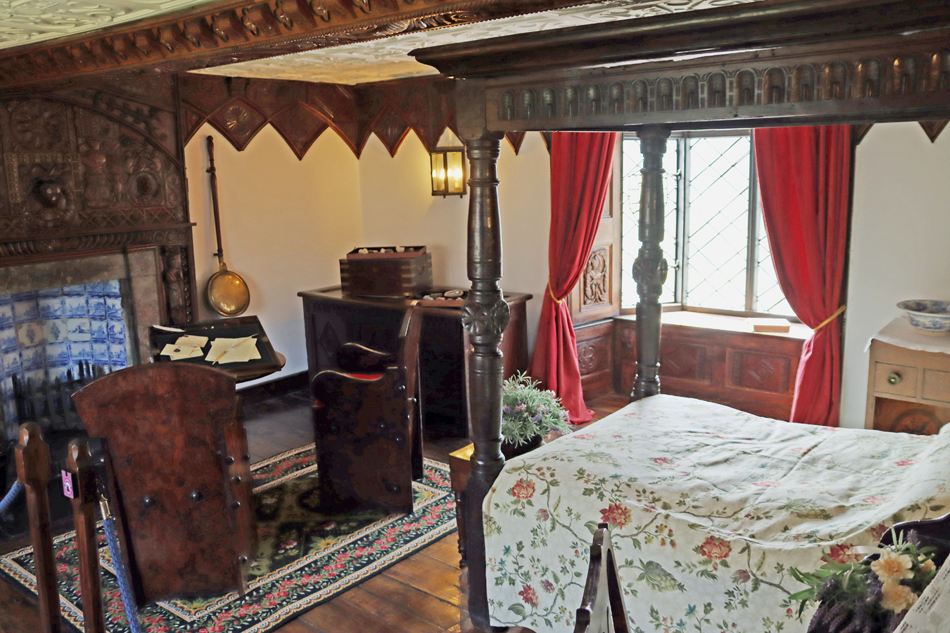


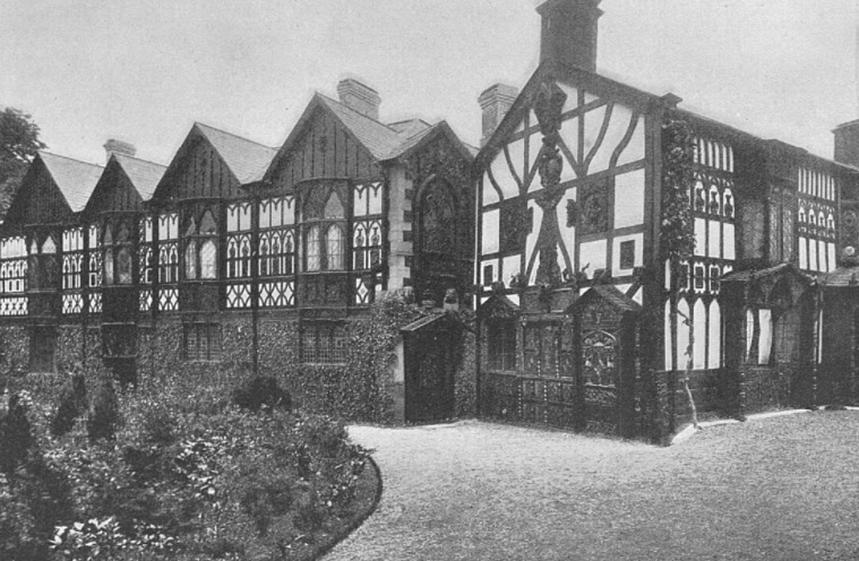

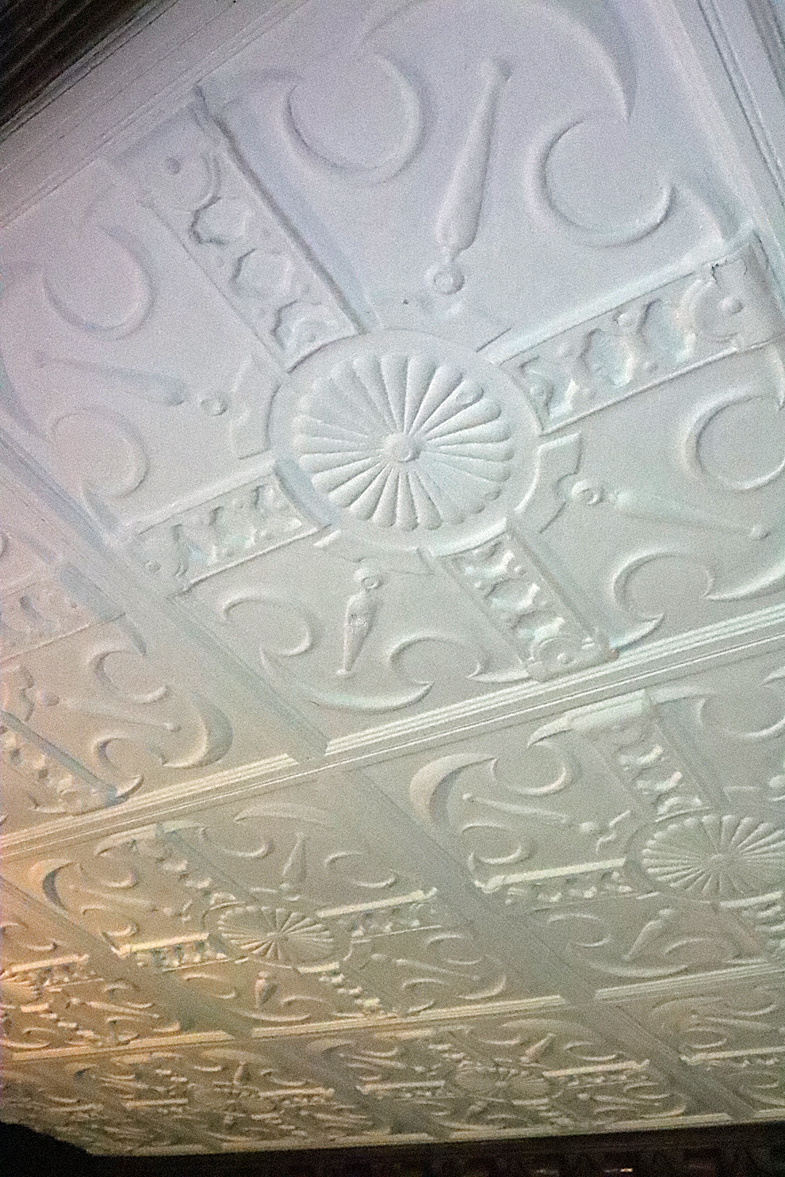


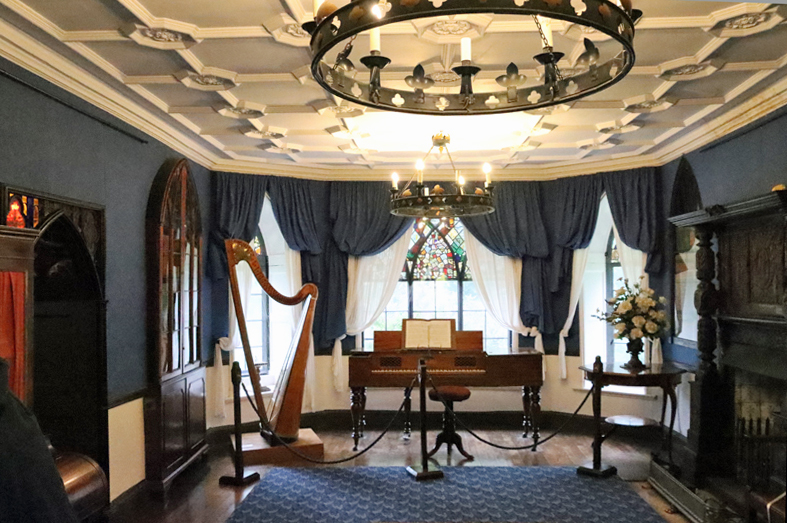


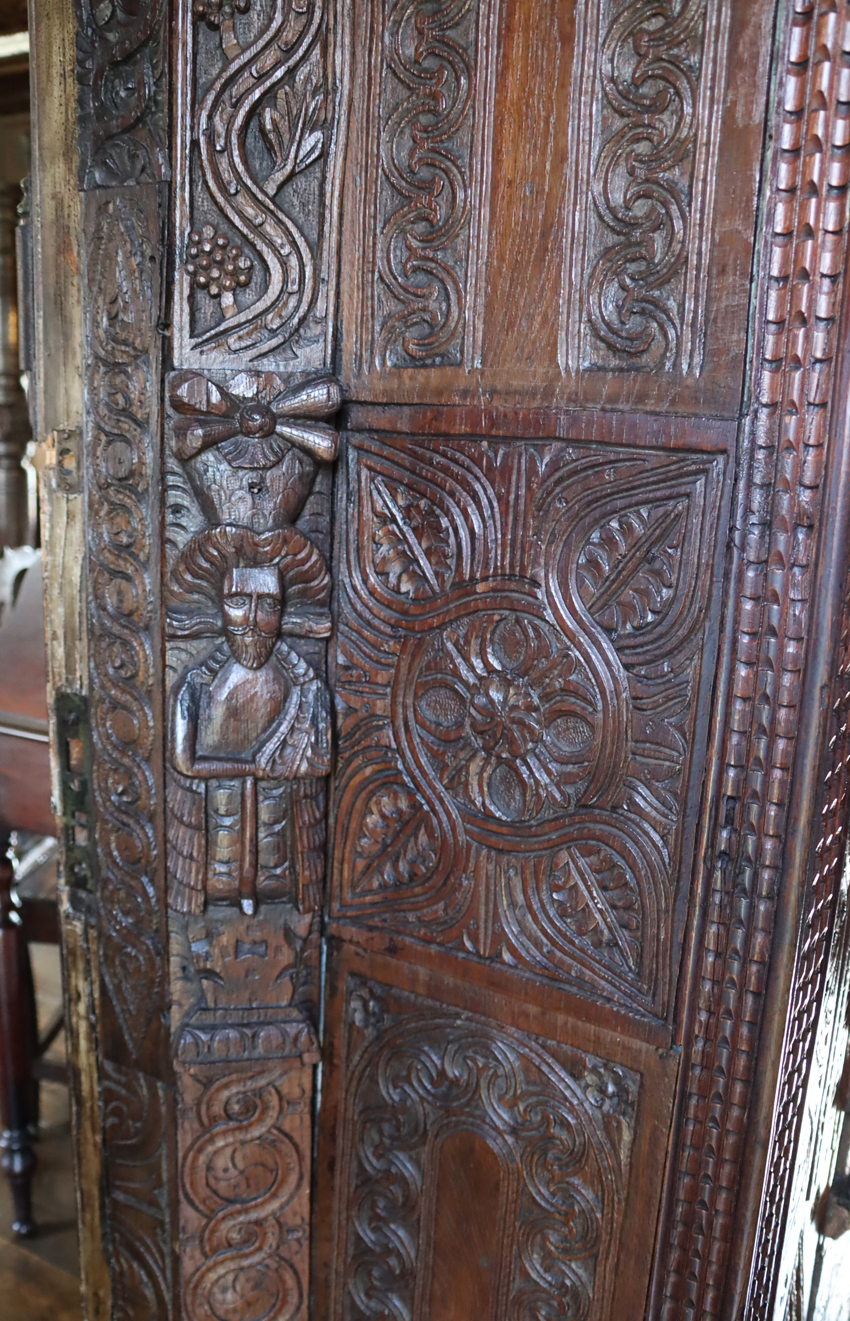
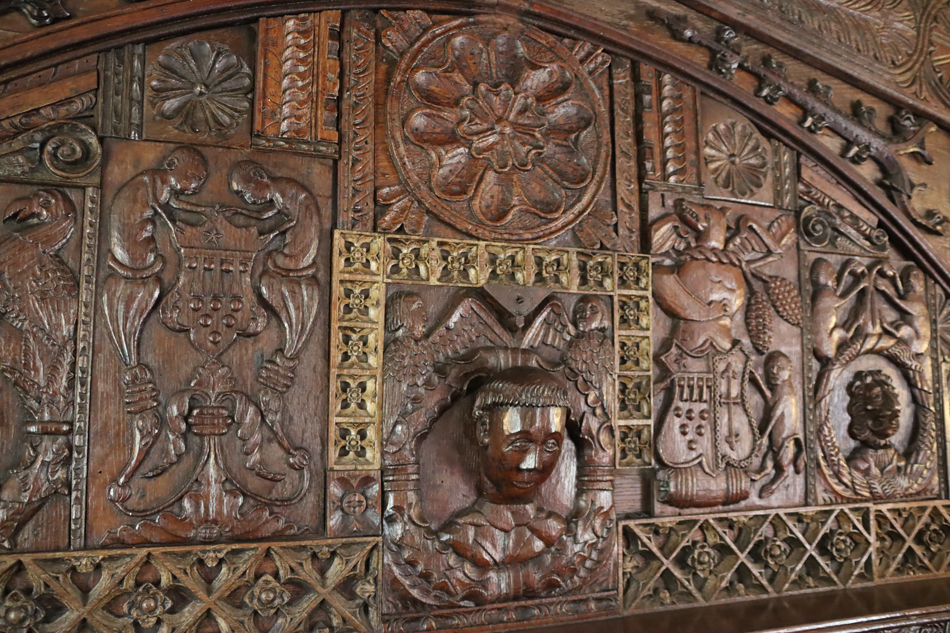


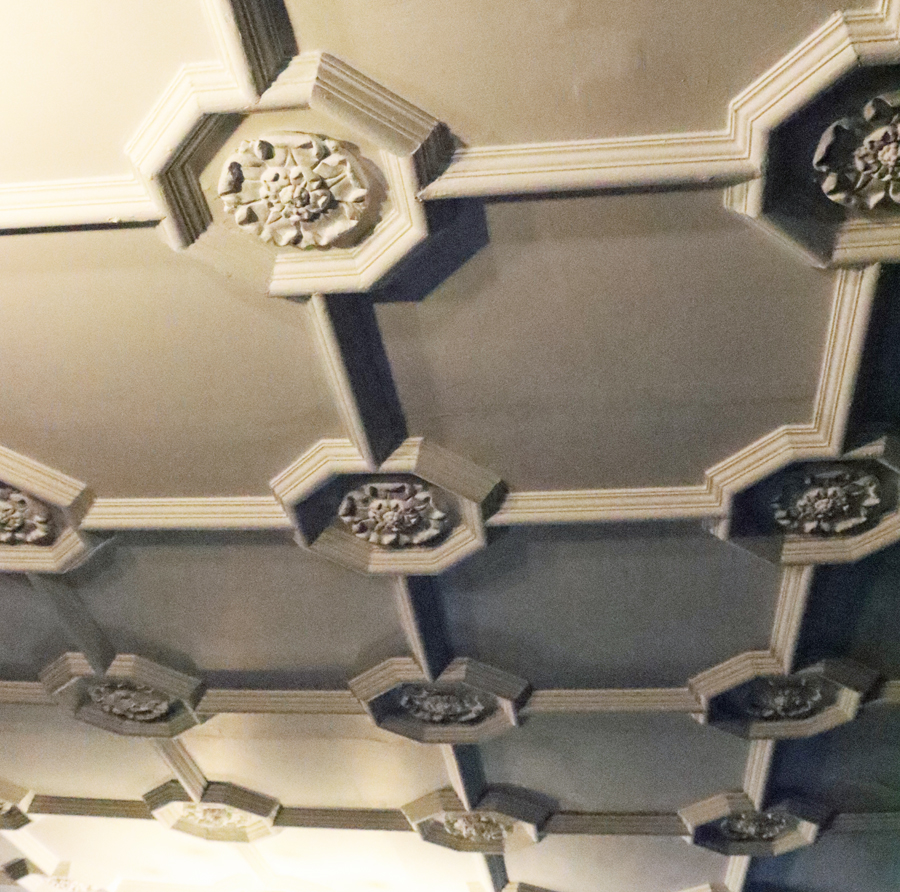

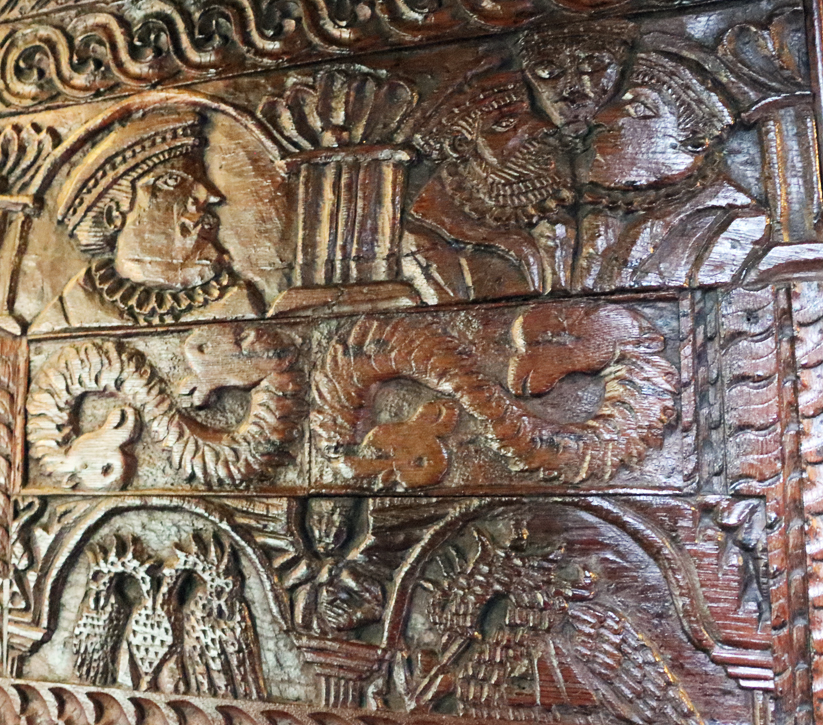

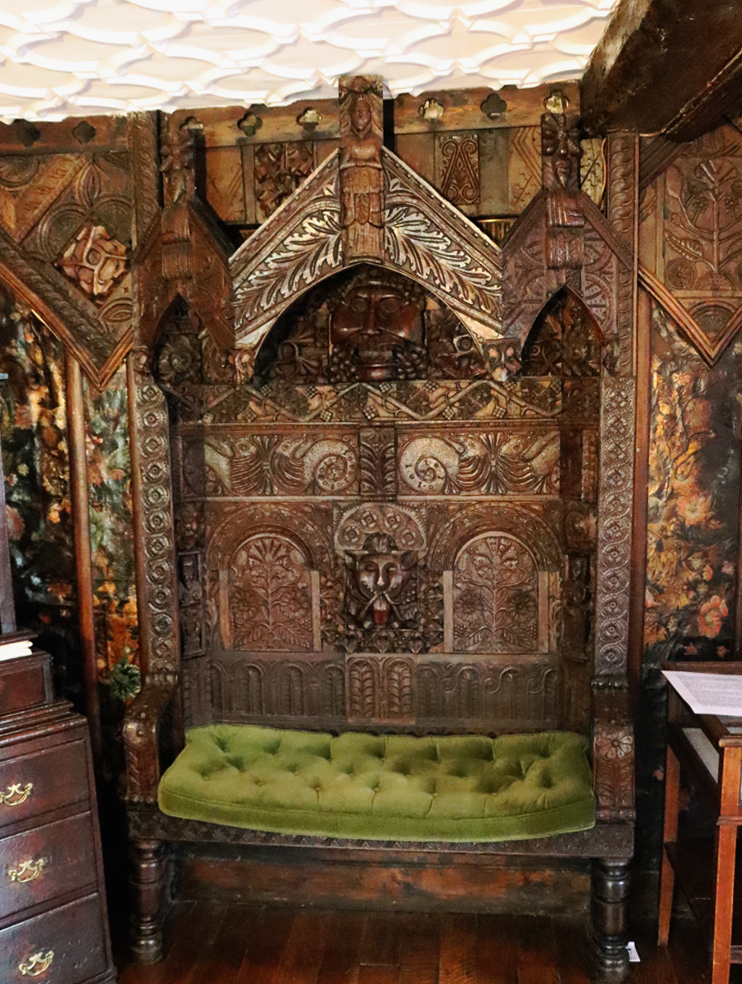


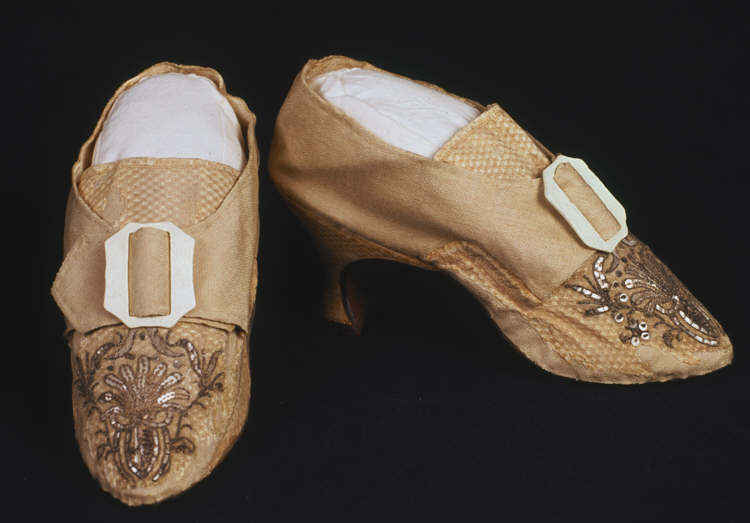

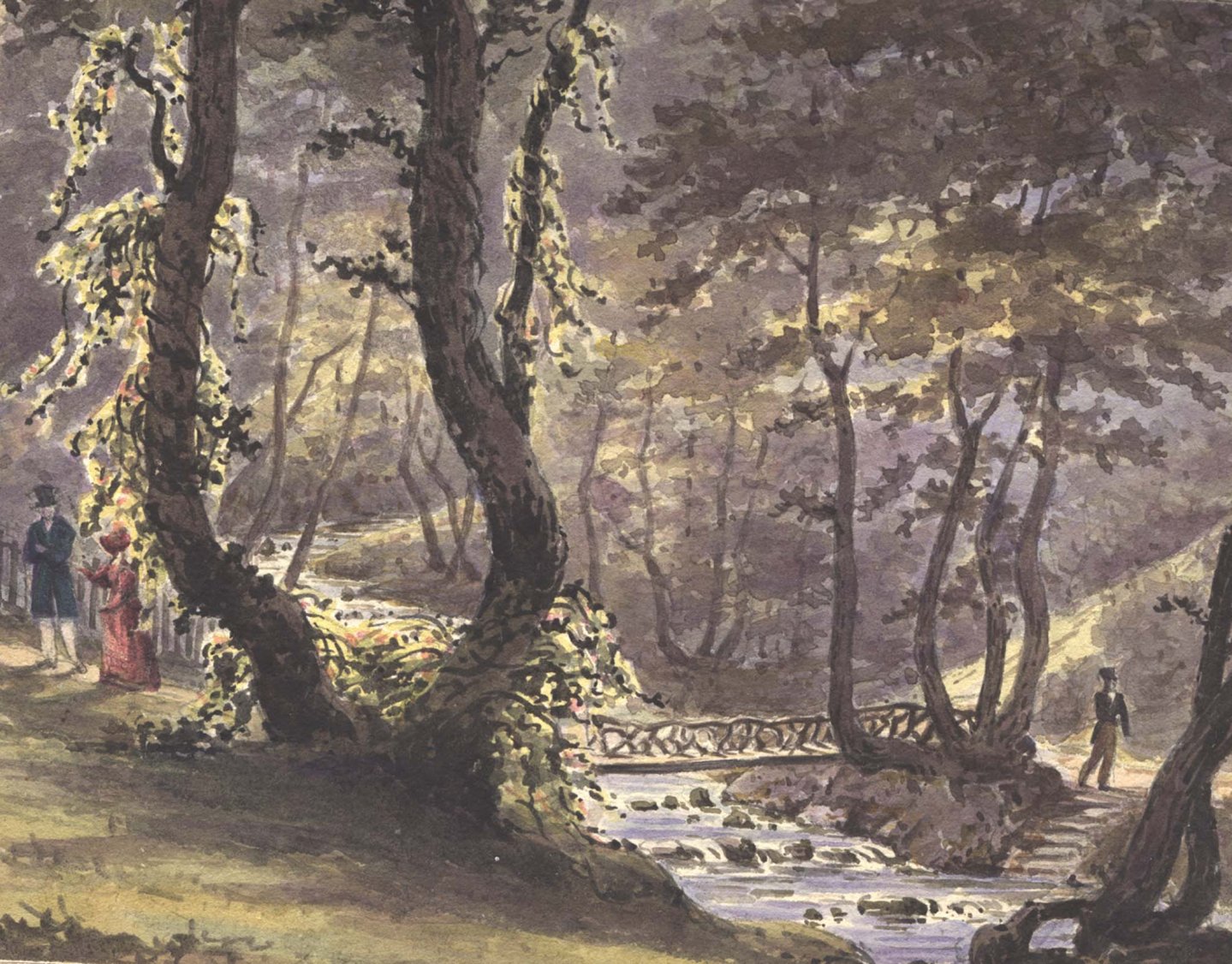


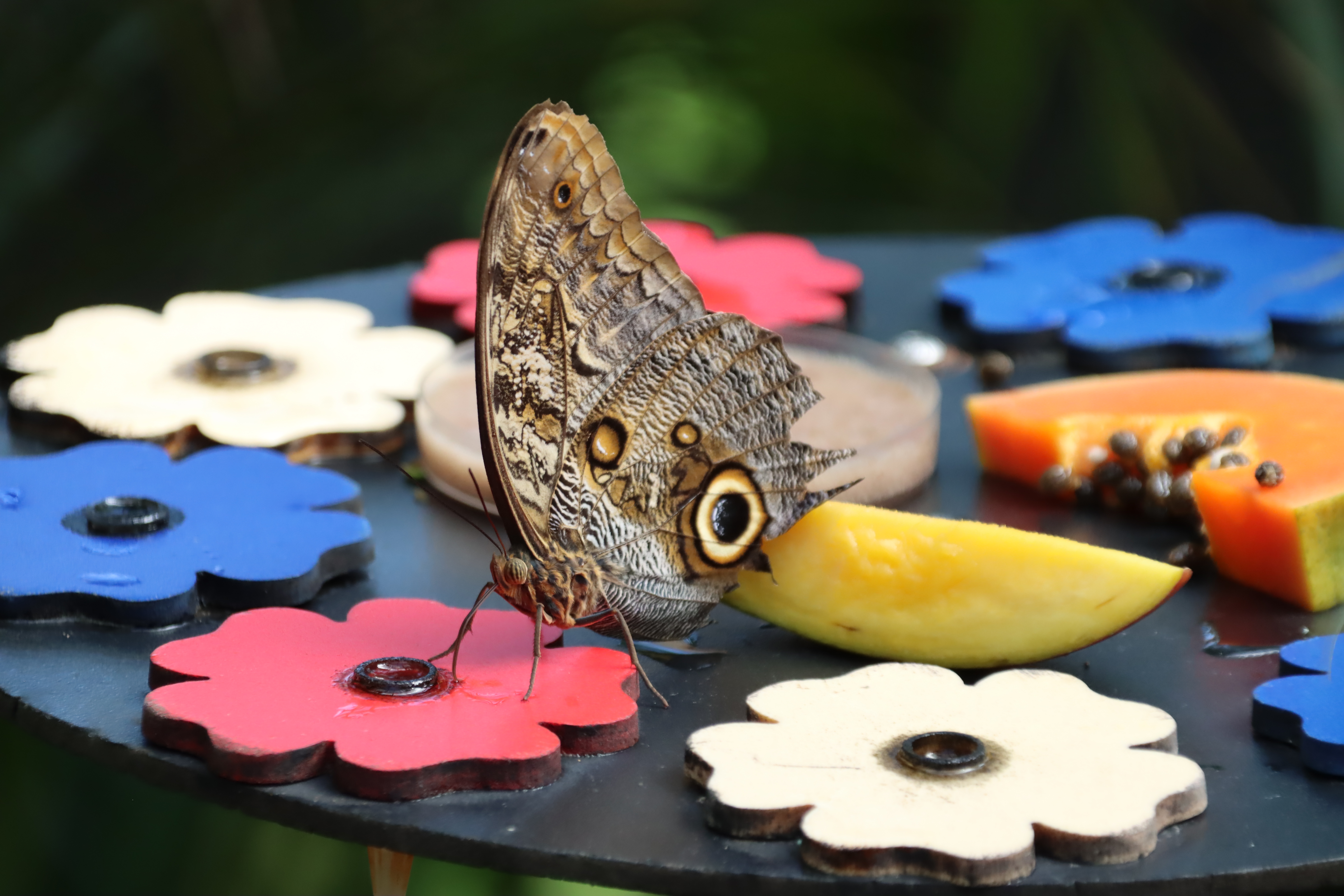


 Based in Churton


_(cropped).jpg)