
J.C. Bridge’s proverb 241 on page 93 is enjoyable as much for Bridge’s closing comment as it is for the content of the proverb itself:
Living at the best end of the pig-trough
“Shropshire farmers who lived well on beef and beer, used to say this of the Cheshire farmers, who had to be satisfied with buttermilk and potatoes. Things have changed in this respect.”
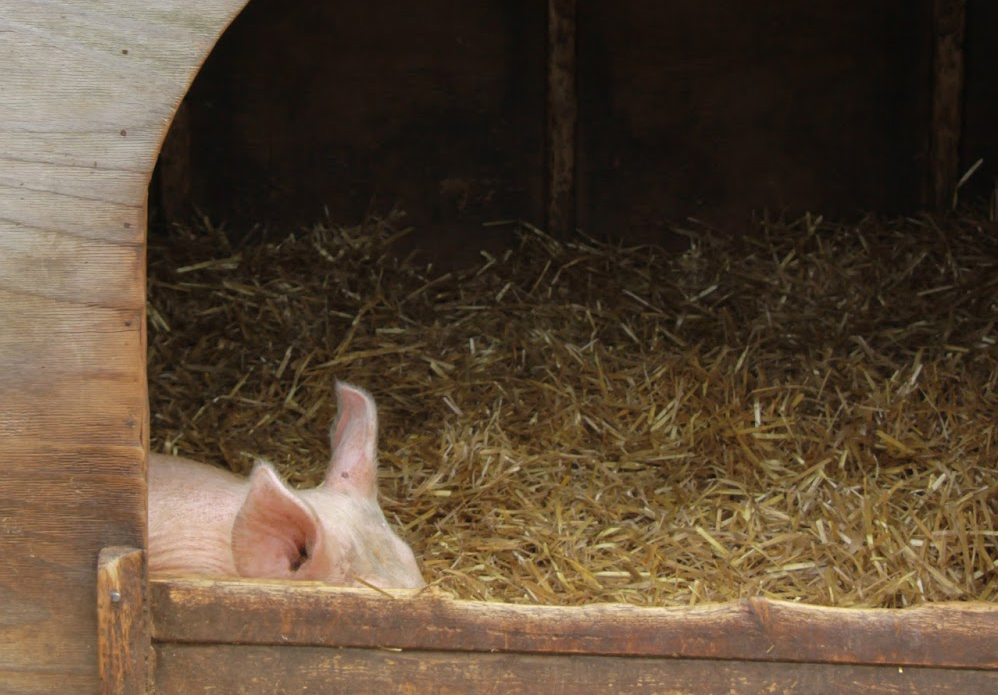
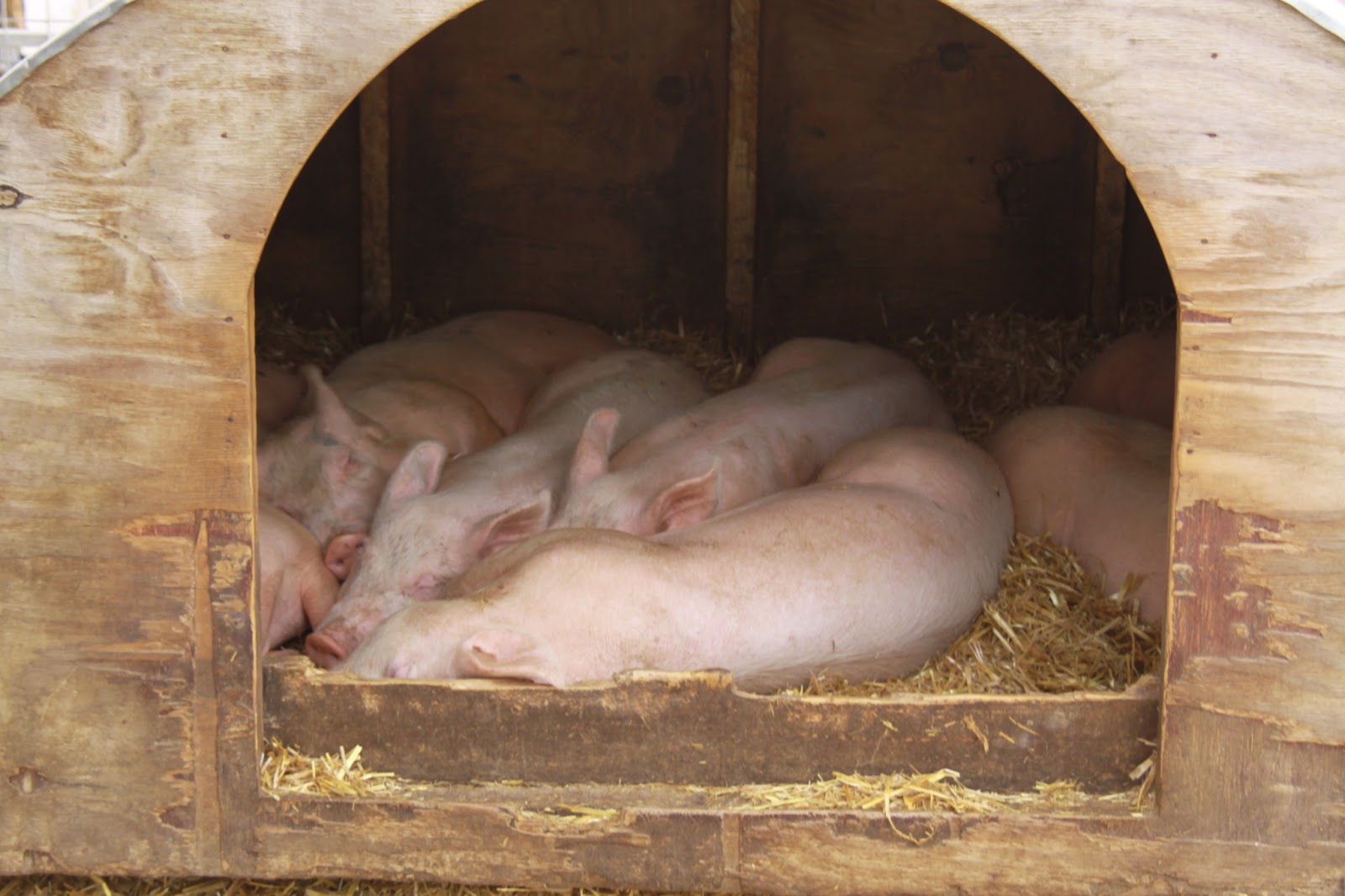
Things certainly have changed in this respect, and had done so a long time before Bridge’s book was published. Bridge was writing in 1917, but he was often referencing much earlier sayings that he was intending to preserve in his publication. This proverb speaks eloquently of regional competition, and a distinct sense of superiority from the Shropshire side 🙂 The poor pig had always been compared unfavourably with cattle and sheep due to its preference for soggy, muddy conditions, leading to a perception of being dirty, and because of its voracious appetite. They had undoubted value for their multiple large litters, omnivorous and virtually indiscriminate appetite enabling them to be fed on kitchen waste, and the high fat and protein value of their meat, making them a constant, if sometimes socially inferior, component of the diet from the Neolithic onwards.
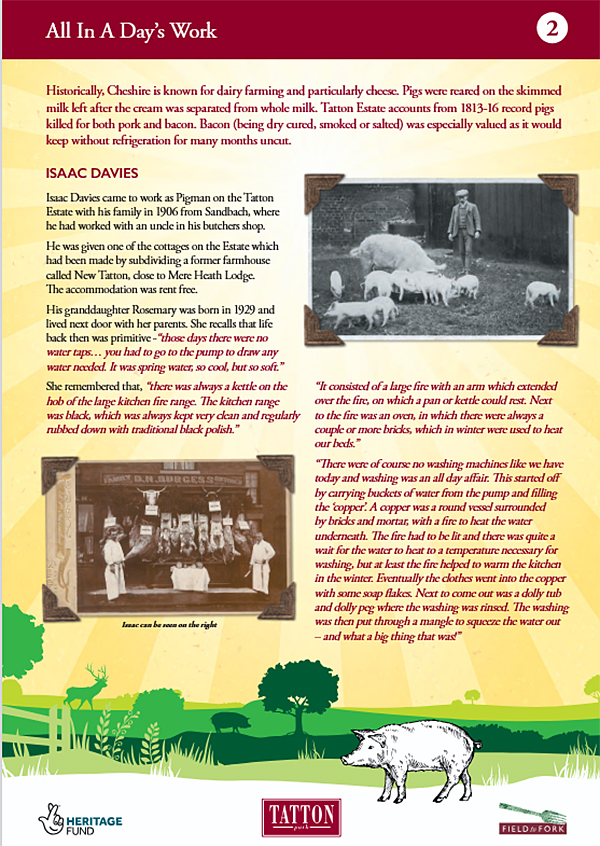
There’s an excellent 6-page PDF available from the Tatton Hall website about early 20th century pig keeping on the estate, focusing on Isaac Davies, who went to work as Pigman on the Tatton
Estate with his family in 1906, which you can view and download here.
For a bit more information about pigs in Cheshire, and their role in the regional economy, see an earlier pig-related Cheshire proverb from Bridge, and a rather fun one: Cheshire Proverbs 5: We shall live till we die if the pigs don’t eat us.”

Men knocking down acorns to feed swine, from the 14th century English Queen Mary Psalter, MS. Royal 2 B VII f.81v. Source: British Library via Wikipedia
For more about J.C. Bridge and this Cheshire Proverbs series,
see Cheshire Proverbs 1.
For the other proverbs in the series, click on the Cheshire Proverbs label
in the right hand margin, or see the end of the Archaeology, Heritage and Art page, where they are listed.
 Based in Churton
